A Natural Path Forward? Cranberries and Pumpkin Seeds Emerge as Promising Allies Against Enlarged Prostate
[CITY, STATE] – [DATE] – In a significant development for men’s health, recent scientific investigations are shedding light on the potential of natural dietary interventions, specifically cranberries and pumpkin seeds, to manage Benign Prostatic Hypertrophy (BPH), commonly known as an enlarged prostate. This comes as a welcome prospect for millions of men grappling with the condition and the limitations of conventional treatments.
The Widespread Challenge of Benign Prostatic Hypertrophy (BPH)
Understanding BPH: Prevalence and Impact on Quality of Life
Benign Prostatic Hypertrophy is an extraordinarily common age-related condition, affecting a substantial portion of the male population worldwide. Statistics reveal that over 50% of men in their 50s and at least 70% of men over the age of 60 suffer from BPH. This non-cancerous enlargement of the prostate gland, which surrounds the urethra, can lead to a constellation of burdensome lower urinary tract symptoms (LUTS). These symptoms frequently include increased urinary frequency, urgency, a weak stream, incomplete bladder emptying, and perhaps most disruptive, nocturia – the need to wake up multiple times during the night to urinate.
The impact of these symptoms extends far beyond mere inconvenience. Persistent nocturia, for instance, can severely disrupt sleep patterns, leading to chronic fatigue, irritability, and a diminished overall quality of life. The constant worry about access to restrooms, the discomfort of a full bladder, and the frustration of urinary hesitancy can significantly impair daily activities, social engagements, and psychological well-being. For many, BPH symptoms become a silent, debilitating force, eroding their sense of normalcy and independence.
Current Medical Approaches and Their Unwelcome Side Effects
The current medical landscape for BPH primarily relies on pharmacological interventions designed to either relax the prostate muscles (alpha-blockers) or shrink the prostate gland (5-alpha reductase inhibitors). While these treatments can be clinically effective in alleviating symptoms, their widespread adoption is frequently hampered by a range of undesirable side effects and, consequently, low patient compliance rates.
Alpha-blockers, such as tamsulosin or prazosin, work by relaxing the smooth muscles in the prostate and bladder neck, making it easier for urine to flow. However, common side effects can include dizziness, lightheadedness, fatigue, and retrograde ejaculation (semen entering the bladder instead of exiting the penis), which can be particularly distressing for some men. 5-alpha reductase inhibitors, like finasteride or dutasteride, aim to reduce prostate size by blocking the conversion of testosterone to dihydrotestosterone (DHT), a hormone involved in prostate growth. While effective in the long term, these medications are associated with a slower onset of action and potential side effects such as decreased libido, erectile dysfunction, and breast tenderness or enlargement.
The specter of sexual dysfunction, a particularly sensitive issue for many men, is a significant contributor to poor adherence to prescribed medication regimens. Furthermore, some studies have hinted at a potential association between certain BPH medications and an increased risk of high-grade prostate cancer (though this remains a complex area of research), adding another layer of concern. The cumulative effect of these side effects – including the psychological toll of depression sometimes linked to chronic health issues and medication – often compromises the very efficacy these drugs are designed to deliver. When medication fails to provide sufficient relief or is poorly tolerated, surgical procedures, such as transurethral resection of the prostate (TURP), become the next course of action. While generally effective, surgery carries its own risks, including infection, bleeding, and potential long-term complications, underscoring the pressing need for less invasive, better-tolerated alternatives.
Reassessing Dietary Influences on Prostate Health
The quest for a "better way" has naturally led researchers to explore the role of lifestyle factors, particularly diet, in the prevention and management of BPH. This avenue of inquiry is supported by population studies that consistently observe differing rates of BPH across various cultures and dietary habits.
The Role of Plant-Based Diets and Specific Food Groups
Observational studies have long suggested a compelling link between dietary patterns and prostate health. Specifically, populations with a low intake of animal protein and a high intake of fruits and vegetables tend to exhibit a reduced prevalence of BPH. This isn’t merely about generally "cutting down" on animal protein; the nuances of specific protein sources appear to be critical. Research indicates that certain animal products, notably eggs and poultry, along with refined grains, may be associated with a higher risk of BPH or more severe symptoms. Surprisingly, some studies have found no significant association with red meat or dairy consumption in this context, although these findings can vary across different research cohorts and require further investigation.
The proposed mechanisms behind these dietary associations are multifaceted. Plant-based diets are typically rich in antioxidants, anti-inflammatory compounds, and fiber, all of which can contribute to overall cellular health and reduce systemic inflammation – a known contributor to prostate enlargement. Conversely, diets high in processed foods, refined grains, and certain animal products can promote inflammation and disrupt hormonal balance, potentially exacerbating prostate growth. These population-level observations, while illuminating, primarily establish correlations rather than direct causation, highlighting the need for rigorous interventional studies to validate specific dietary recommendations.
Learning from Past Research: The Case of Saw Palmetto
Before delving into the promising findings for cranberries and pumpkin seeds, it’s crucial to acknowledge the journey of other widely marketed natural remedies. The herb saw palmetto (Serenoa repens) serves as a potent reminder of the importance of evidence-based research. For decades, saw palmetto was a popular go-to supplement for BPH, championed for its purported ability to alleviate urinary symptoms. Its widespread use was driven by historical anecdotes and early, often poorly designed, studies.
However, when subjected to rigorous scientific scrutiny – specifically, more than 30 randomized controlled trials (RCTs) – saw palmetto was found to be, quite unequivocally, "totally useless" for treating BPH symptoms. This extensive body of research demonstrated that saw palmetto was no more effective than a placebo in improving urinary flow, reducing nocturia, or shrinking prostate size. The saga of saw palmetto underscores a critical principle: traditional use and popular belief, no matter how widespread, must be validated by robust clinical trials before any definitive health claims can be made or recommendations offered. It also sets a high bar for any natural intervention claiming efficacy, demanding concrete, reproducible results.
Cranberries: From Traditional Remedy to Modern Science
Against this backdrop, the re-evaluation of age-old remedies with modern scientific tools has yielded some intriguing results, particularly for cranberries.
Historical Roots and Initial Scientific Scrutiny
Long before the advent of pharmaceutical drugs, cranberries held a place of reverence in traditional medicine. Native American communities, for instance, utilized cranberries for their purported medicinal properties, especially in treating various urinary ailments. This historical usage provides a foundational hypothesis: if a natural substance has been used for centuries for a particular condition, it merits scientific investigation. However, as the saw palmetto example illustrates, traditional use alone is insufficient; efficacy must be rigorously tested.
Clinical Trials Uncover Cranberry’s Efficacy for BPH Symptoms
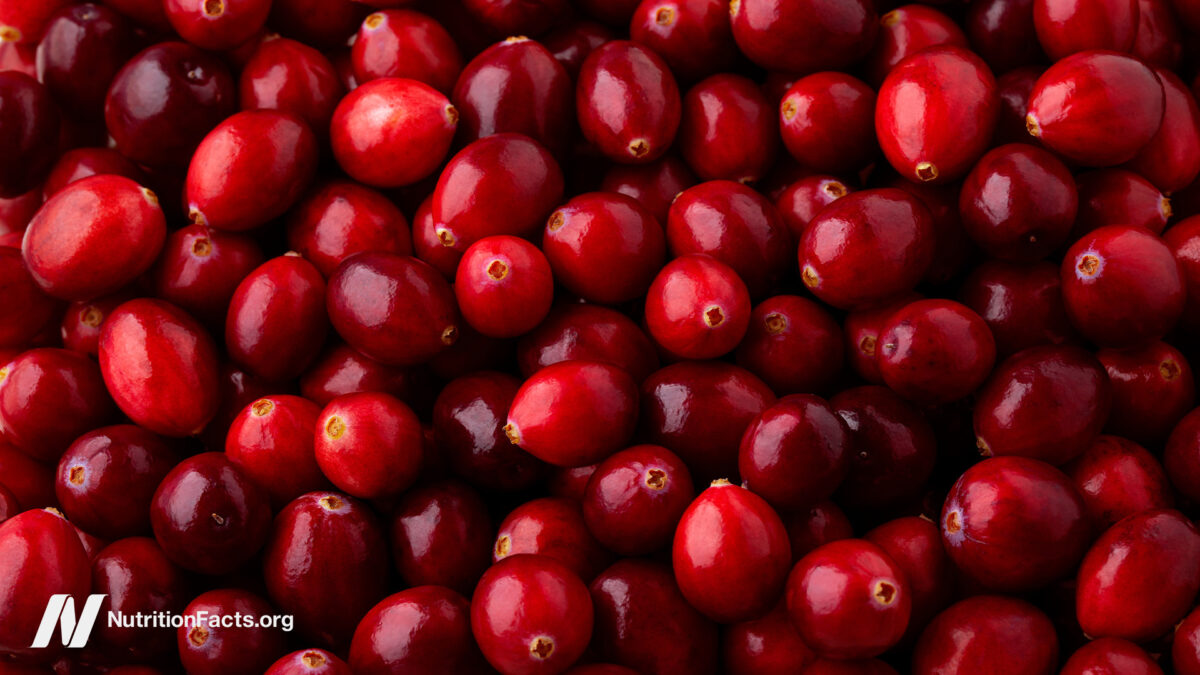
The journey to validate cranberries’ role in BPH management began with focused clinical trials. One significant study investigated the effects of powdered whole cranberries on men with BPH. Participants consuming approximately a teaspoon a day (around 3 grams) of this specific cranberry preparation experienced remarkable improvements. Crucially, the focus was on powdered whole cranberries, not the sugar-laden, oil-coated "craisins" found in many snack aisles, which lack the full spectrum of beneficial compounds and introduce unhealthy additives.
The study reported significant improvements across multiple key metrics relevant to BPH. These included reductions in the International Prostate Symptom Score (IPSS), a standardized questionnaire used to assess the severity of BPH symptoms. Beyond symptom relief, participants also reported an enhanced quality of life, a direct measure of how their daily living was affected. Furthermore, objective urination parameters, such as urinary flow rates, frequency, and reduction in residual urine volume, showed notable positive changes. These comprehensive improvements suggested that cranberries were not just masking symptoms but potentially addressing underlying issues related to urinary function in BPH.
Dosage and Formulation: The Power of Whole Cranberry Powder
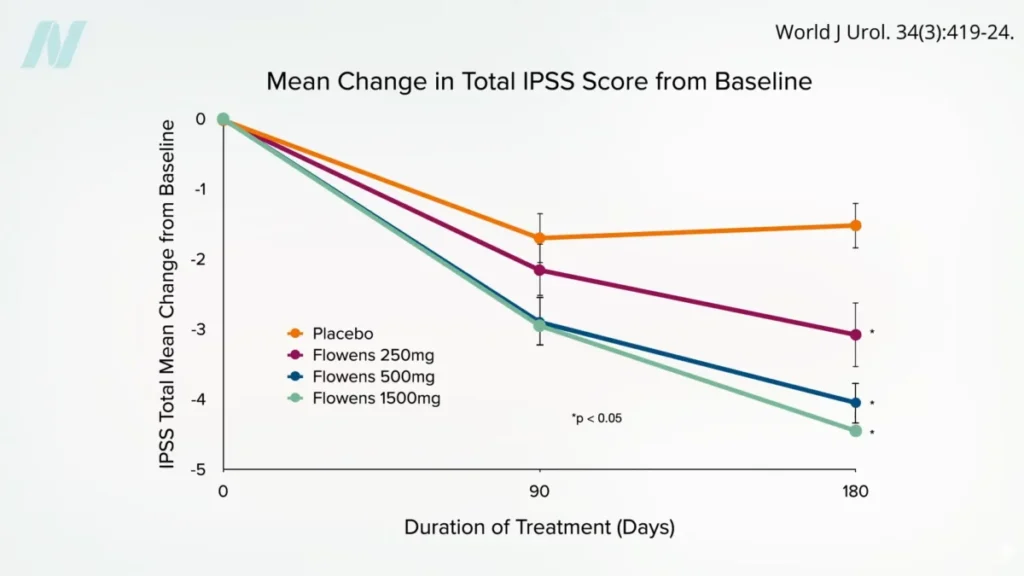
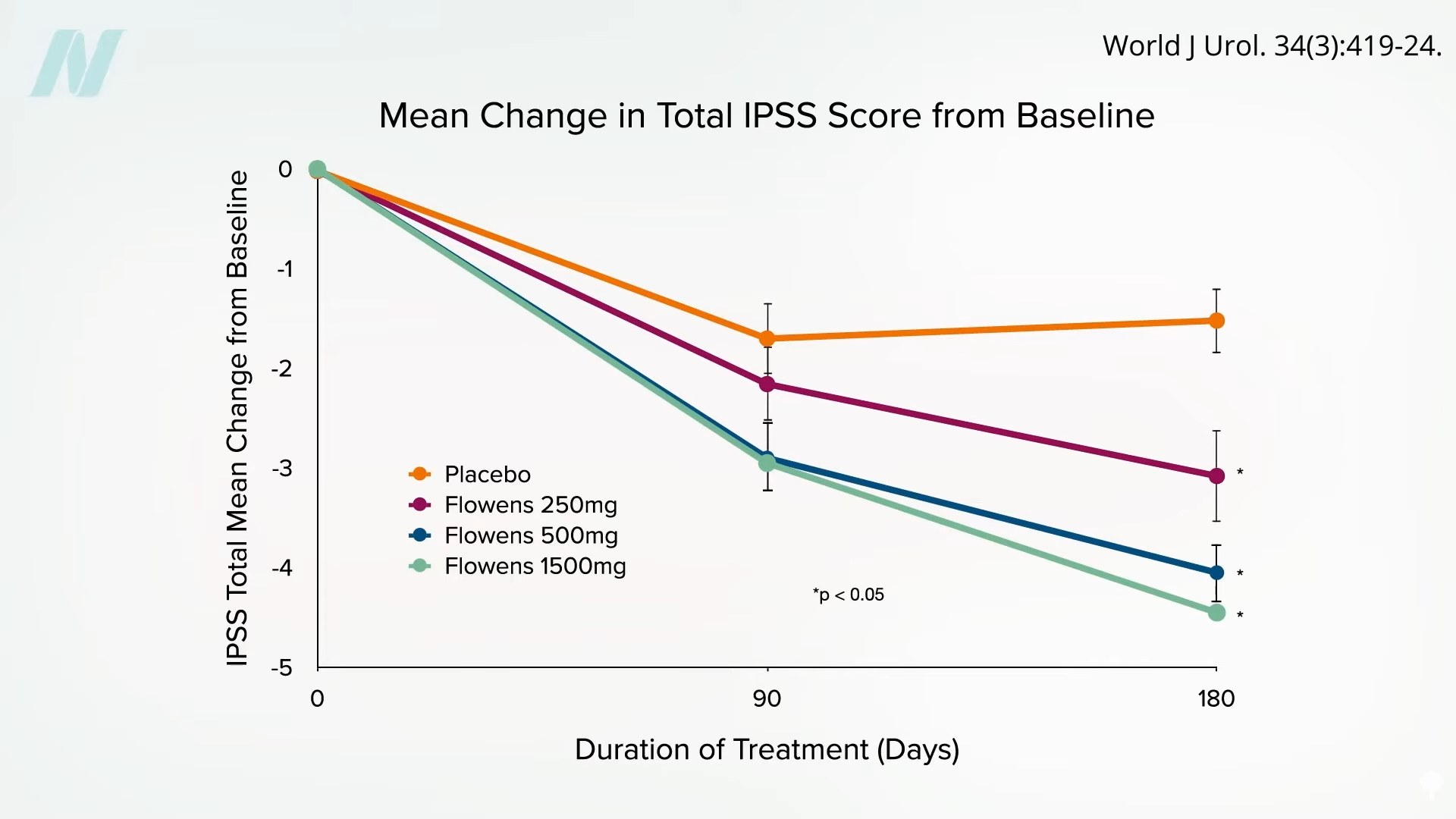
Further research delved into the optimal dosage of cranberries for BPH management. A follow-up study, which included the data represented in the original article’s graph, explored the effects of even smaller doses of powdered cranberries. The findings were compelling: not only did the one-teaspoon dose (approximately 3g) demonstrate strong efficacy, but even a third of a teaspoon and a sixth of a teaspoon of powdered cranberries also delivered noticeable benefits in symptom improvement. This dose-response relationship suggests that even relatively small, consistent intakes of whole cranberry powder can contribute positively to BPH management. The visual data from the study (as depicted in the original article’s graph) vividly illustrated the progressive improvement in BPH symptoms with increasing doses of cranberry powder, with the 3g dose showing the most pronounced effects, represented by the lowest (most favorable) symptom scores.
It is important to note that the study exploring varying dosages was funded by a supplement company. However, the supplement used was simply straight cranberry powder, devoid of other active ingredients or unnecessary fillers. This distinction is vital because it implies that the benefits derived are attributable directly to the cranberry itself, rather than a proprietary blend. Consequently, consumers can bypass potentially expensive branded supplements and opt for bulk cranberry powder, which is often significantly cheaper. This powder can be easily incorporated into daily routines, mixed into smoothies, yogurt, oatmeal, or even just water, offering a practical and cost-effective way to potentially manage BPH symptoms.
Distinguishing Effective Forms: Why Whole is Better
The emphasis on whole cranberry powder is critical. While some might consider cranberry juice, especially the sweetened varieties, as an alternative, studies have shown that sweetened purple grape juice, for instance, offered no benefit whatsoever for prostate issues. This highlights that the therapeutic effects are likely tied to the specific bioactive compounds present in the whole fruit, including proanthocyanidins (PACs), flavonoids, and other antioxidants, which are often concentrated in the skin and pulp and can be significantly diluted or lost in processing, especially when sugar and water are added. The high sugar content in many cranberry juices can also negate potential health benefits and introduce other metabolic concerns. Therefore, for effective BPH management, the evidence points strongly towards the consumption of whole cranberry powder rather than processed juices or sweetened cranberry products.
Unearthing the Benefits of Pumpkin Seeds for Prostate Health
Parallel to the cranberry investigations, another traditional remedy, pumpkin seeds, has undergone modern scientific scrutiny, revealing equally promising results for prostate health.
Centuries of Folk Wisdom Meet Contemporary Research
Pumpkin seeds have a rich history in folk medicine, particularly across various cultures in Europe and North America, where they have been revered for centuries as a natural remedy for prostate disorders and urinary complaints. This long-standing traditional use provided a compelling starting point for contemporary researchers to investigate their therapeutic potential. The wisdom of generations often contains kernels of truth that, when validated by modern science, can offer invaluable insights into natural health solutions.
Early Insights: Lab and Animal Studies Pave the Way
The initial scientific exploration of pumpkin seeds for prostate health began in controlled laboratory settings. In in vitro studies (petri dish experiments), extracts from pumpkin seeds demonstrated a remarkable ability to inhibit the growth of BPH prostate cells. These studies, as illustrated in the original article’s second graph, showed that pumpkin seed compounds could effectively cut the proliferation of BPH-affected prostate cells by half. This direct cellular evidence provided a strong biological rationale for their traditional use and encouraged further investigation in living organisms.
Following these promising in vitro results, researchers moved to animal models. For example, scientists injected pumpkin seed extracts into rabbits, observing their effects on prostate tissue and urinary function. While animal studies provide valuable preliminary data, the ultimate test of efficacy and safety lies in human clinical trials.
Human Trials: Pumpkin Seed Oil vs. Conventional Medications
The transition to human studies began by examining pumpkin seed oil, a concentrated form of the seeds’ beneficial lipids. Initial trials pitted pumpkin seed oil against established pharmaceutical drugs for BPH. In one study, pumpkin seed oil appeared to perform as well as Prazosin, a commonly prescribed alpha-blocker. Similarly, when tested against Terazosin, another alpha-blocker, pumpkin seed oil demonstrated comparable effectiveness in alleviating BPH symptoms. These comparative studies suggested that pumpkin seed oil could offer a natural alternative with a potentially more favorable side effect profile than conventional medications.
However, a critical limitation in these early pumpkin seed oil studies was the absence of a placebo group. Without a comparison against an inert substance, it’s challenging to definitively conclude whether the observed improvements were due to the active compounds in the pumpkin seed oil or merely a placebo effect. This methodological gap underscored the need for more rigorously designed trials, specifically including a placebo control, to provide conclusive evidence of efficacy.
The Definitive Study: Whole Seeds Outperform Extracts
Recognizing the need for more robust evidence, a large-scale, randomized controlled trial was conducted, involving over a thousand men with BPH. This landmark study aimed to compare the effectiveness of a pumpkin seed extract, a placebo, and perhaps most importantly, plain whole pumpkin seeds. Participants were randomized to receive either the pumpkin seed extract, a placebo, or approximately a tablespoon a day (about 7.5 grams) of whole pumpkin seeds.
The results of this comprehensive trial were particularly insightful. While the study was funded by a pharmaceutical company that produced the pumpkin seed supplement (extract), the supplement itself ultimately "flopped"; it showed no significant difference compared to the placebo in improving BPH symptoms. This outcome highlighted that not all forms of a natural remedy are equally effective, and processing can sometimes diminish beneficial properties.
In stark contrast, the plain old whole pumpkin seeds did work. Men consuming about a tablespoon of whole pumpkin seeds daily experienced significant improvements in their BPH symptoms, outperforming both the placebo and the extract. This crucial finding suggested that the therapeutic benefits were not derived from isolated compounds or oil extracts alone, but rather from the synergistic action of various components present in the whole seed. Indeed, subsequent research has further supported this, showing that even an oil-free extract of pumpkin seeds could be effective, indicating that active compounds beyond the fatty acids are at play.
Key Bioactive Compounds and Proposed Mechanisms
The efficacy of pumpkin seeds is attributed to a rich array of bioactive compounds. These include phytosterols (such as beta-sitosterol), which have a structure similar to cholesterol and are thought to compete with dihydrotestosterone (DHT) for binding sites in the prostate, thereby potentially inhibiting prostate growth. Lignans, a type of phytoestrogen, also found in pumpkin seeds, may play a role in modulating hormone metabolism and possess antioxidant properties. Furthermore, pumpkin seeds are a rich source of zinc, a mineral vital for prostate health, with deficiencies linked to prostate enlargement. The fatty acids, particularly omega-3 and omega-6, and other antioxidants within the seeds also contribute to their anti-inflammatory effects, which can be beneficial in managing BPH. The combined action of these diverse compounds likely explains the superior efficacy of whole seeds over isolated extracts.
Official Endorsement: Acknowledging Therapeutic Potential
The compelling evidence supporting the benefits of whole pumpkin seeds has not gone unnoticed by regulatory bodies. The European equivalent of the U.S. Food and Drug Administration (EMA – European Medicines Agency) has echoed these findings, officially concluding that pumpkin seeds can be recommended for patients with mild-to-moderate BPH symptoms. Their guidance specifically states that pumpkin seeds can be used to relieve lower urinary tract symptoms related to an enlarged prostate, provided that more serious conditions have been ruled out by a medical doctor. This official endorsement underscores the growing recognition of natural remedies, when backed by robust science, as legitimate therapeutic options within mainstream healthcare.
Broader Dietary Strategies and Future Directions
The findings on cranberries and pumpkin seeds represent a compelling chapter in the ongoing exploration of dietary interventions for prostate health. They are not isolated discoveries but rather fit into a broader narrative emphasizing the power of plant-based nutrition.
The Synergy of Plant-Based Nutrition: Flaxseeds and Beyond
The discussion on cranberries and pumpkin seeds naturally extends to other plant-based foods known for their prostate-protective properties. Flaxseeds, for instance, have been highlighted in previous research for their potential therapeutic efficacy in BPH, with some studies suggesting effects comparable to commonly used drugs, but with the added advantage of "only good side effects." Flaxseeds are rich in lignans and omega-3 fatty acids, compounds also found in pumpkin seeds, underscoring a common thread in effective plant-based interventions. The cumulative evidence strongly points towards a synergistic effect of incorporating a variety of whole, unprocessed plant foods into the diet for optimal prostate health.
Beyond BPH, these dietary choices often carry broader health benefits. Cranberries, for example, have also been investigated for their potential role in cancer prevention, including prostate cancer, as well as their well-known benefits in preventing and managing bladder infections. Similarly, a diet rich in fruits, vegetables, seeds, and whole grains is a cornerstone of cardiovascular health, diabetes prevention, and overall longevity. This holistic perspective is crucial: interventions for BPH don’t have to be isolated; they can be integrated into a lifestyle that promotes comprehensive well-being.
Implications for Patients: Empowering Informed Choices
For men suffering from BPH, these findings offer a renewed sense of hope and empowerment. The availability of natural, well-tolerated, and affordable dietary interventions provides an alternative or complementary approach to conventional treatments. Patients can now engage in informed discussions with their healthcare providers about incorporating whole cranberry powder and pumpkin seeds into their daily regimen, especially for mild-to-moderate symptoms. This approach shifts the paradigm from solely relying on pharmaceuticals or surgery to embracing a more proactive and lifestyle-oriented strategy for managing BPH. The emphasis on whole foods also means that these interventions come with minimal to no adverse side effects, often contributing to overall health improvements.
Future Research and Healthcare Paradigm Shifts
While current research provides strong evidence, further studies are always warranted to fully elucidate optimal dosages, long-term effects, and potential interactions with medications. Research could also explore the combined effects of cranberries, pumpkin seeds, and flaxseeds, investigating whether their synergistic action yields even greater benefits.
The growing body of evidence supporting natural dietary interventions like cranberries and pumpkin seeds signals a potential shift in healthcare paradigms. It encourages a more integrative approach, where conventional medicine works hand-in-hand with evidence-based natural therapies and lifestyle modifications. This evolution promises to offer patients a wider array of safer, more sustainable, and often more cost-effective options for managing chronic conditions like BPH, ultimately improving patient outcomes and overall quality of life.
Conclusion: A Holistic View of Prostate Wellness
The journey from traditional folk remedies to rigorously validated scientific interventions highlights the immense potential of nature to provide solutions for complex health challenges. For the millions of men affected by Benign Prostatic Hypertrophy, the evidence for cranberries and pumpkin seeds offers a compelling, natural path forward. By embracing a diet rich in whole plant foods, particularly incorporating specific allies like whole cranberry powder and plain pumpkin seeds, men can take proactive steps towards managing BPH symptoms, enhancing their quality of life, and fostering a holistic sense of prostate wellness. As always, it is crucial to consult with a medical professional to rule out more serious conditions and to discuss the most appropriate treatment plan for individual needs.