The Ultimate Comfort Breakfast: Why Pumpkin Waffles Are Taking Over Home Kitchens
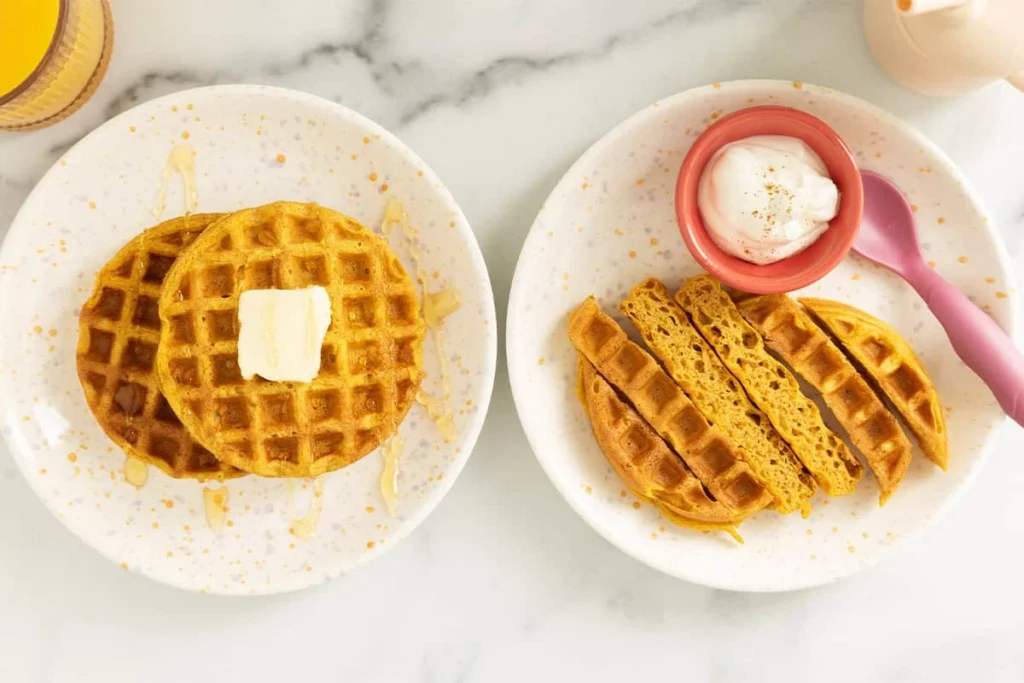
As the seasons shift and the air turns crisp, the culinary landscape of the modern home kitchen inevitably pivots toward warmth, comfort, and the quintessential flavor of autumn: pumpkin. While pumpkin-spiced lattes often dominate the headlines, a more substantive trend is emerging on the breakfast table. The "Pumpkin Waffle" has evolved from a seasonal novelty into a staple of family nutrition, offering a perfect harmony of crispy texture, tender interiors, and a subtle nutritional boost that appeals to both picky toddlers and health-conscious adults alike.
Main Facts: The Rise of the Nutrient-Dense Breakfast
At the core of the renewed interest in pumpkin-based breakfast items is a shift toward "stealth health." Parents are increasingly looking for ways to incorporate fiber and vitamins into early-morning meals without sacrificing the indulgence of a weekend treat. Pumpkin, a nutritional powerhouse, is packed with Vitamin A, fiber, and essential minerals, making it an ideal candidate for integration into the standard waffle batter.
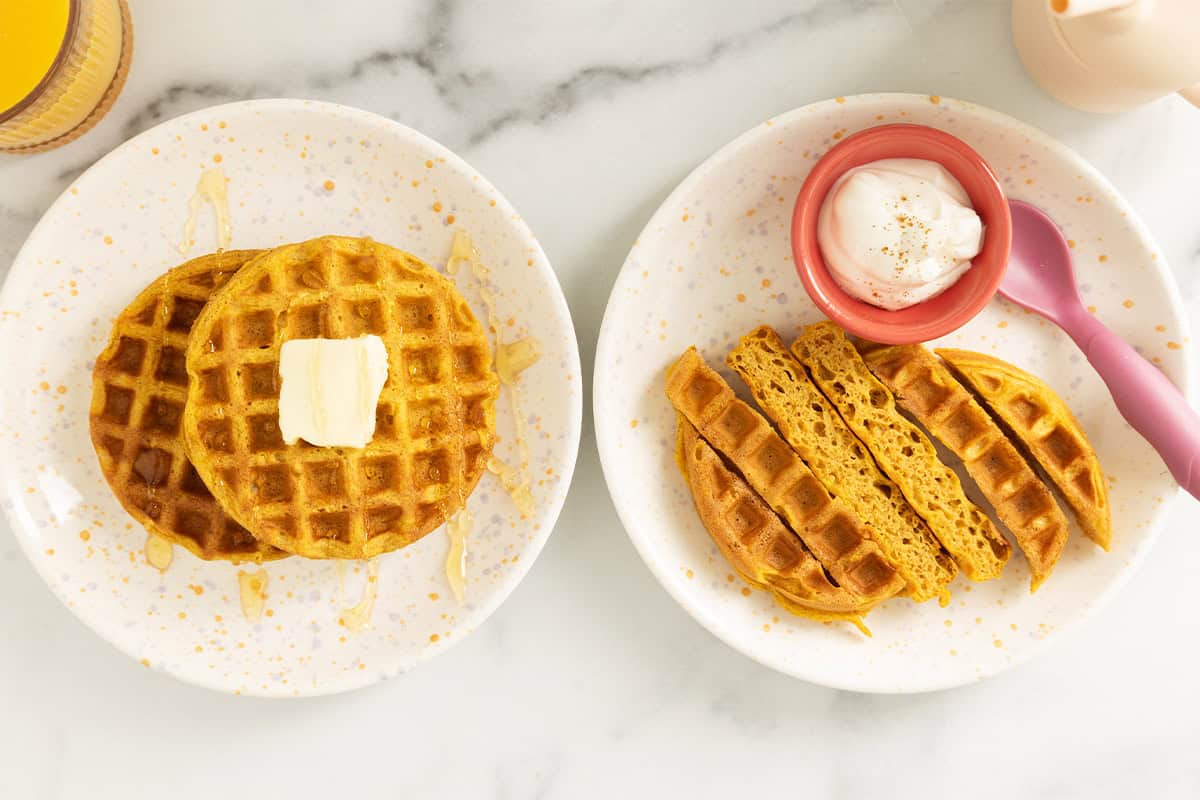
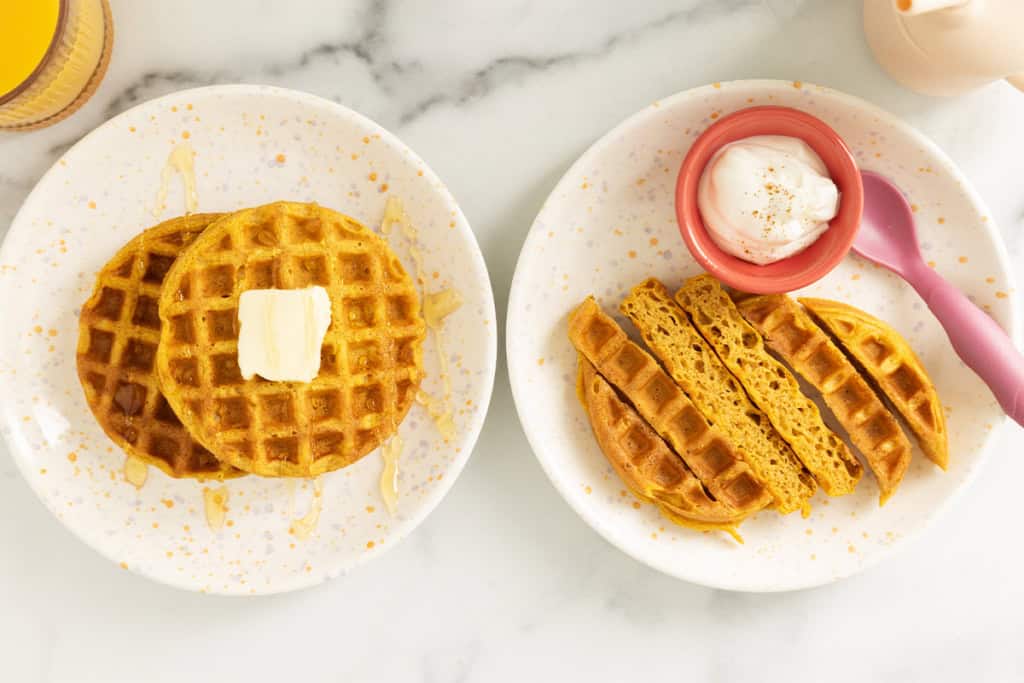
The appeal of this specific recipe lies in its structural integrity. Unlike many gluten-heavy or overly dense pancakes, these pumpkin waffles achieve the coveted "crisp-outside, tender-inside" contrast. By utilizing a simple one-bowl method, the recipe eliminates the complexity usually associated with scratch-made breakfast items, making it accessible for time-strapped families during the busy work week. Furthermore, the inclusion of pumpkin purée provides a natural moisture that keeps the waffles soft for days, allowing them to serve as a convenient, freezable meal-prep solution.
Chronology: From Concept to Kitchen Staple
The journey of the pumpkin waffle from a holiday-specific dessert to a breakfast essential has been a gradual one, accelerated by the rise of home-cooking blogs and social media food culture.
- Early Development: Initial iterations of pumpkin waffles were often too heavy or overly laden with sugar, treated more like a cake than a breakfast component.
- Refinement Phase: Culinary experts began adjusting ratios—reducing sugar and increasing the reliance on warming spices like cinnamon, nutmeg, and ginger—to create a more balanced profile.
- The "Toddler-Friendly" Shift: Recognizing the need for nutrition in early childhood development, creators began pairing pumpkin with basic staples like flour, milk, and eggs to create a version that is low in added sugars but high in appeal.
- Current Adoption: Today, the recipe is viewed as a "make-ahead" solution. The modern workflow involves mixing the wet ingredients—pumpkin, milk, melted butter, and eggs—before incorporating the dry, ensuring a smooth batter that yields consistent results across multiple batches.
Supporting Data: Nutritional Breakdown
For the health-conscious consumer, the statistics behind these waffles are compelling. A standard serving (typically two waffles) provides a balanced macronutrient profile that fuels the body for the morning ahead.
According to nutritional data, a typical serving contains approximately 226 kcal. The profile is as follows:
- Carbohydrates: 32g
- Protein: 9g
- Fiber: 5g
- Sugar: 7g (a significant reduction compared to commercial mixes)
- Micronutrients: High levels of Vitamin A (5,049 IU), alongside essential minerals like Calcium (211mg) and Iron (2mg).
This data underscores the shift away from empty-calorie breakfasts. The presence of 5 grams of fiber is particularly noteworthy, as it aids in satiety and blood sugar regulation, making this an ideal meal for growing children.
Culinary Methodology: Achieving the Perfect Texture
The secret to the success of this recipe lies in the execution. While the ingredient list is straightforward, the process requires attention to detail.
The Wet-to-Dry Ratio
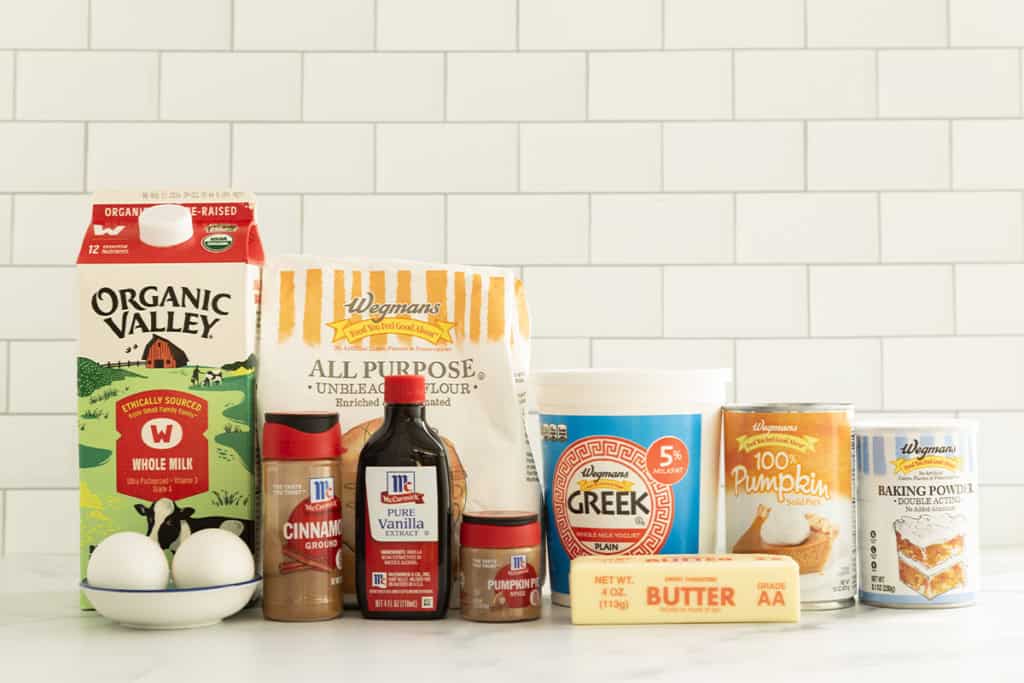
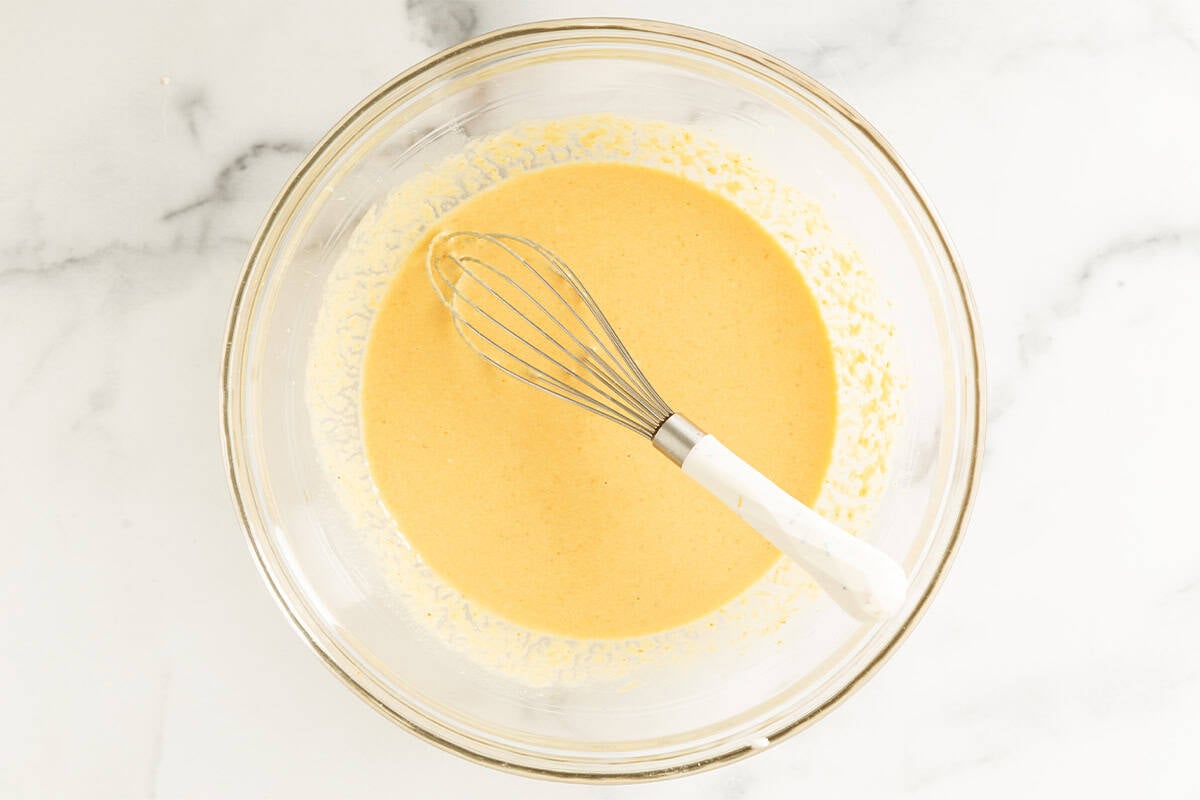
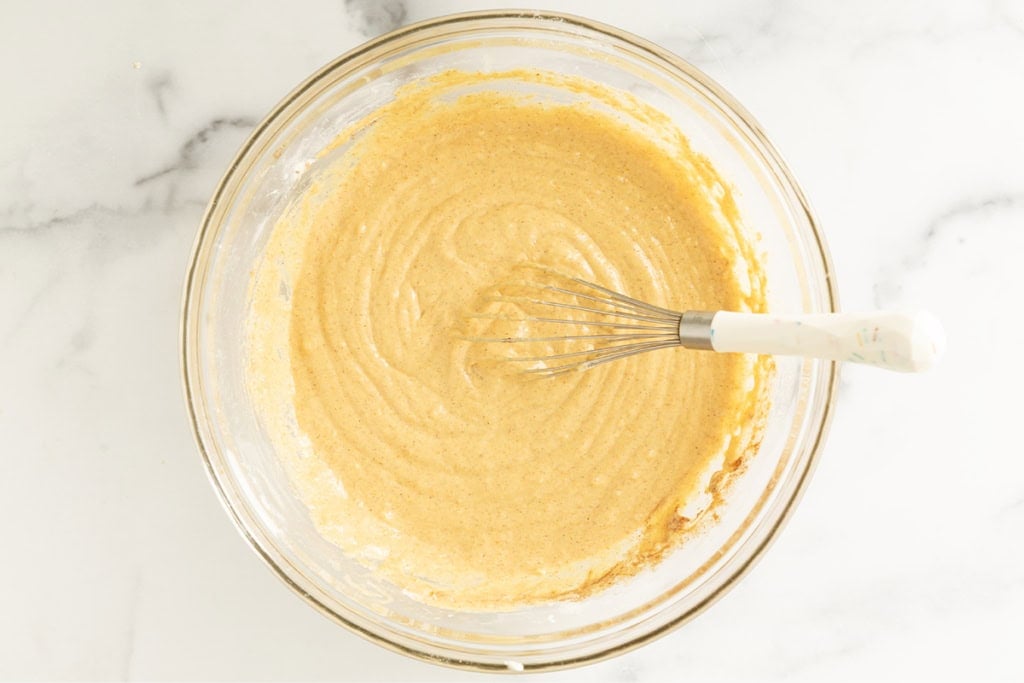
The process begins in a medium-sized mixing bowl. By whisking the pumpkin, milk, melted butter, eggs, and vanilla until fully homogenized, the cook ensures that the pumpkin flavor is evenly distributed throughout the batter. Only after this base is achieved are the flour, sugar, baking powder, and salt added. This "two-stage" mixing prevents overworking the gluten, which is the primary cause of tough, rubbery waffles.
Waffle Iron Management
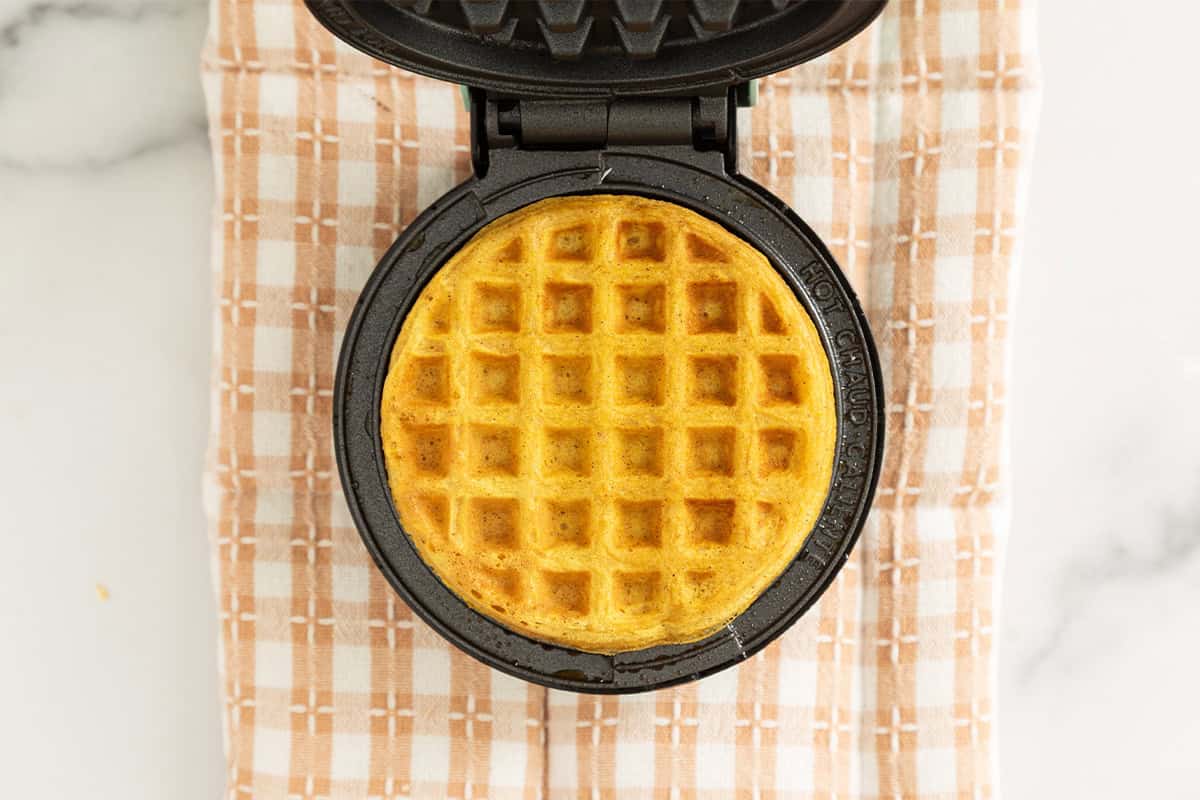
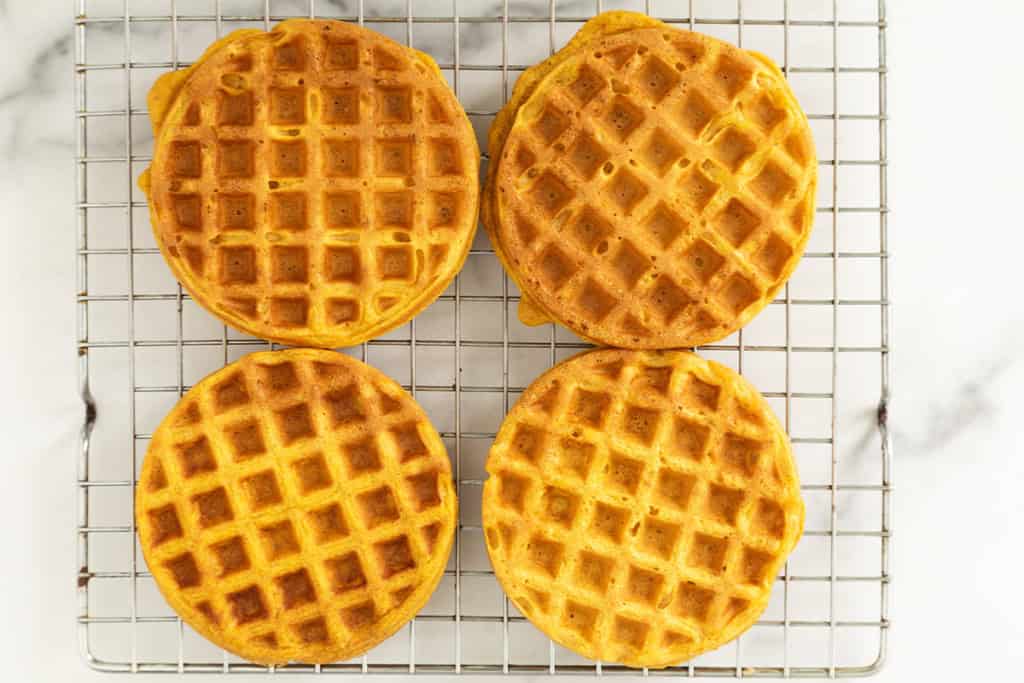
Success in the kitchen is often dictated by the equipment. Modern waffle irons vary in heat distribution. It is recommended to use the medium-high setting to ensure the edges crisp properly before the center turns mushy. A critical, often overlooked step is the use of a light coat of non-stick spray before each pour. Once cooked, transferring the waffles to a wire rack—rather than stacking them on a plate—is essential. Stacking hot waffles traps steam, which quickly compromises the crispness of the exterior.
Official Responses and Culinary Expert Insights
Nutritionists and culinary experts have weighed in on the "Pumpkin Trend." Dr. Elena Rodriguez, a pediatric nutritionist, notes: "The beauty of pumpkin is its versatility. When you incorporate it into a breakfast item, you aren’t just adding flavor; you’re adding color and essential antioxidants. For toddlers who may be resistant to vegetables, these waffles serve as a bridge, normalizing the flavor of squash in a format they already find appealing."
Regarding the "low sugar" movement, culinary influencers emphasize that the goal is to highlight the natural sweetness of the pumpkin and the warmth of the spices. "We are moving away from the ‘dessert for breakfast’ model," says one prominent home-cooking advocate. "By providing a base that is naturally nutritious, we allow the consumer to control their own sugar intake through toppings like fresh applesauce or cinnamon-dusted fruit."
Implications: The Future of Home Breakfast
The rise of the pumpkin waffle represents a broader shift in how we perceive convenience food. The ability to batch-cook, freeze, and reheat these waffles in a toaster oven is a direct response to the demands of modern parenting. It eliminates the reliance on processed, store-bought frozen waffles, which are often packed with preservatives and high-fructose corn syrup.
Economic and Practical Considerations
- Cost-Efficiency: Purchasing canned pumpkin purée or utilizing seasonal fresh pumpkins is significantly cheaper than buying specialized health-food items.
- Sustainability: The recipe encourages the use of pantry staples, reducing the need for exotic or expensive ingredients.
- Meal Prepping: The ability to store these for up to a week in the freezer provides a psychological buffer for busy parents, knowing they have a reliable, nutritious, and child-approved breakfast ready at a moment’s notice.
Serving Suggestions for the Discerning Palate
While the waffle itself is the star, the toppings serve as the finishing touch. The consensus among culinary enthusiasts is to avoid heavy, processed syrups. Instead, opt for:
- Homemade Applesauce: Adds natural sweetness and texture.
- Cinnamon-Sautéed Apples: Provides a warm, fruit-forward complement to the pumpkin.
- Greek Yogurt Dollop: For those looking to increase the protein content even further.
Conclusion: A Seasonal Ritual
Pumpkin waffles are more than just a passing culinary trend; they are a manifestation of the desire for balance. They occupy the space between the indulgence of a Sunday morning brunch and the necessity of a nutritious, efficient weekday breakfast. By focusing on quality ingredients, simple techniques, and a health-forward approach, this recipe provides a blueprint for the modern kitchen.
As we continue to navigate the intersection of convenience and nutrition, the pumpkin waffle stands as a testament to the fact that with just a few simple adjustments, our favorite comfort foods can be elevated into something that nourishes the body as much as it delights the senses. Whether you are a parent looking to get more nutrients into your toddler’s diet or a home cook searching for the perfect autumn breakfast, these waffles offer a reliable, delicious, and deeply satisfying solution.