Mastering the Lens: 7 Proven Strategies for Viral Food Photography
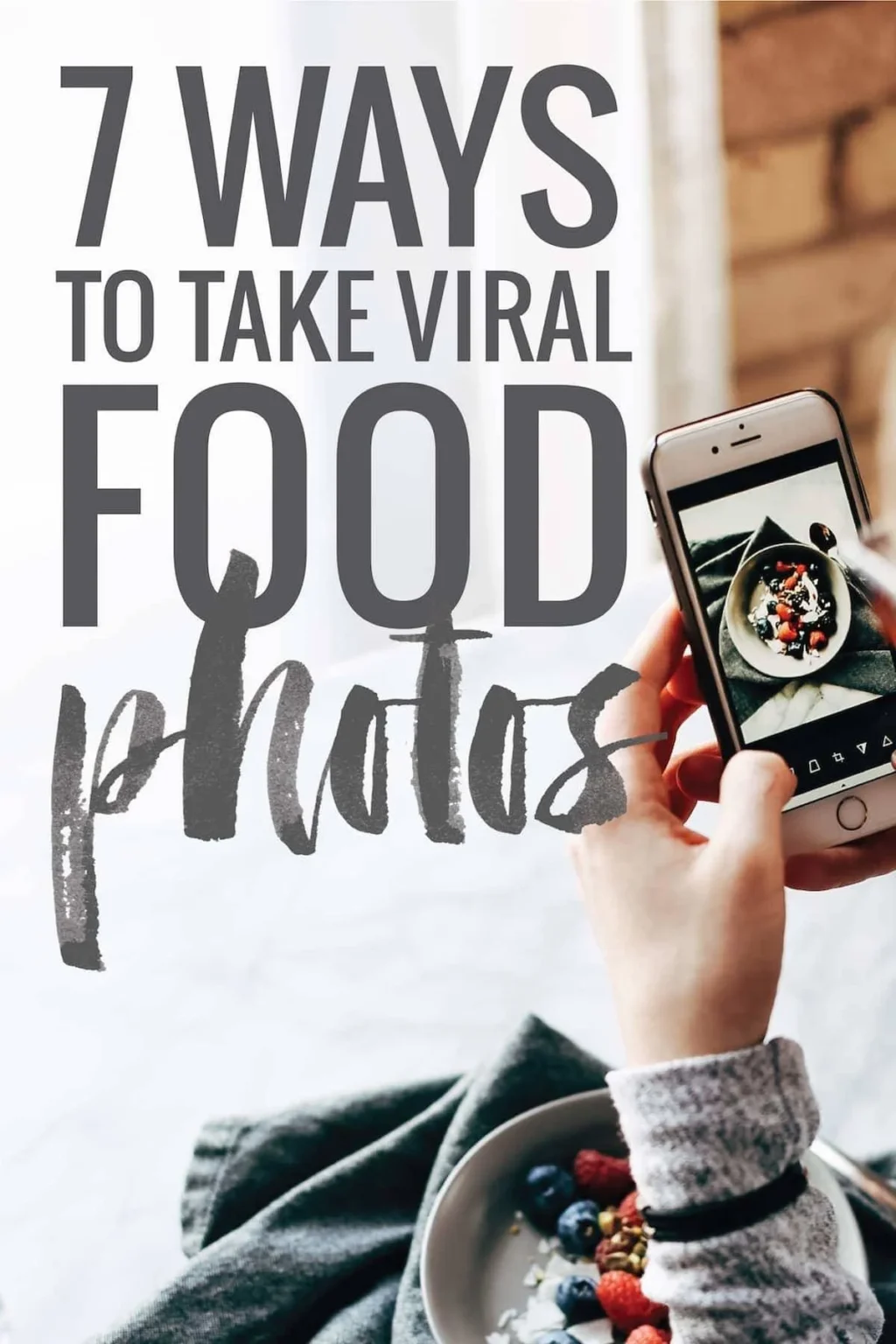
In the digital age, the adage "we eat with our eyes first" has never been more relevant. For food bloggers, culinary influencers, and restaurant owners alike, the ability to translate the sensory experience of a dish into a compelling digital image is the difference between a fleeting scroll and a viral sensation. As social media platforms continue to prioritize high-quality visual content, understanding the mechanics of food photography has evolved from a niche hobby into a professional necessity.
The Professional Path: Elevating Your Craft
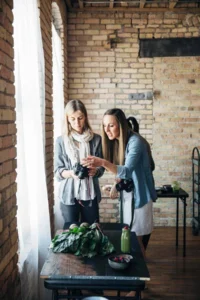
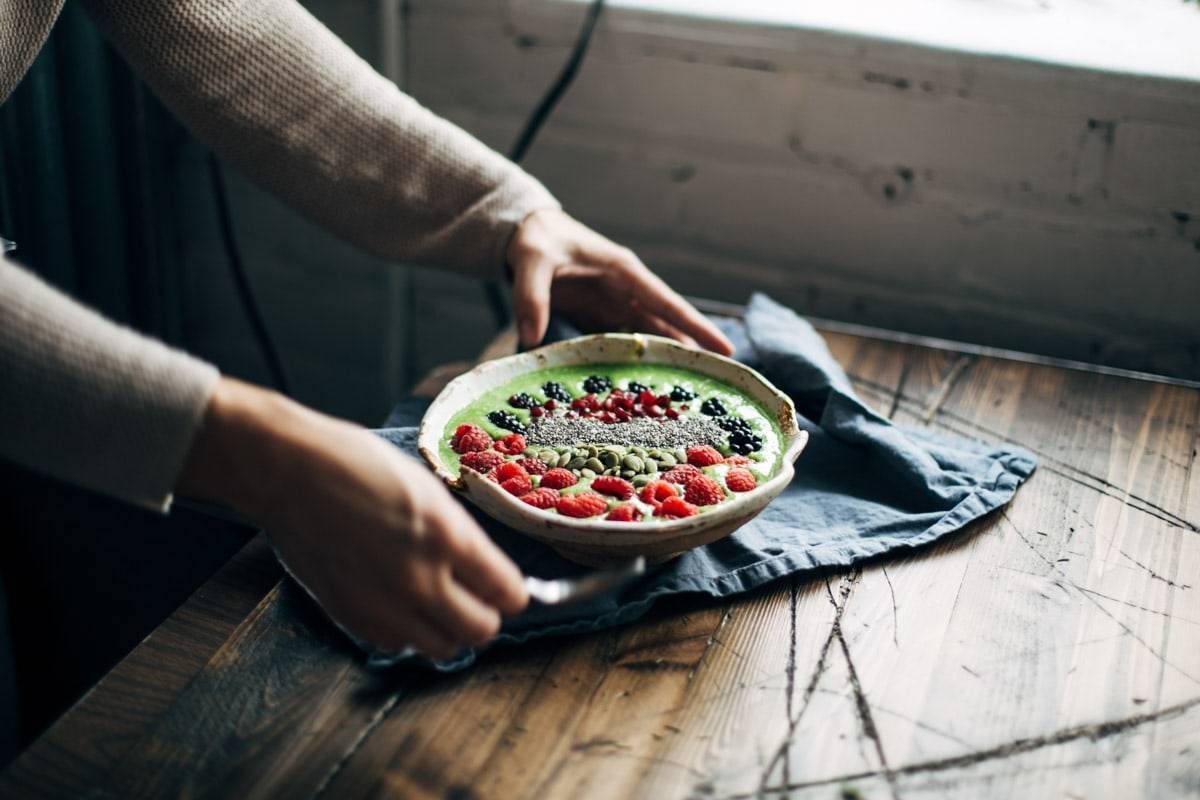
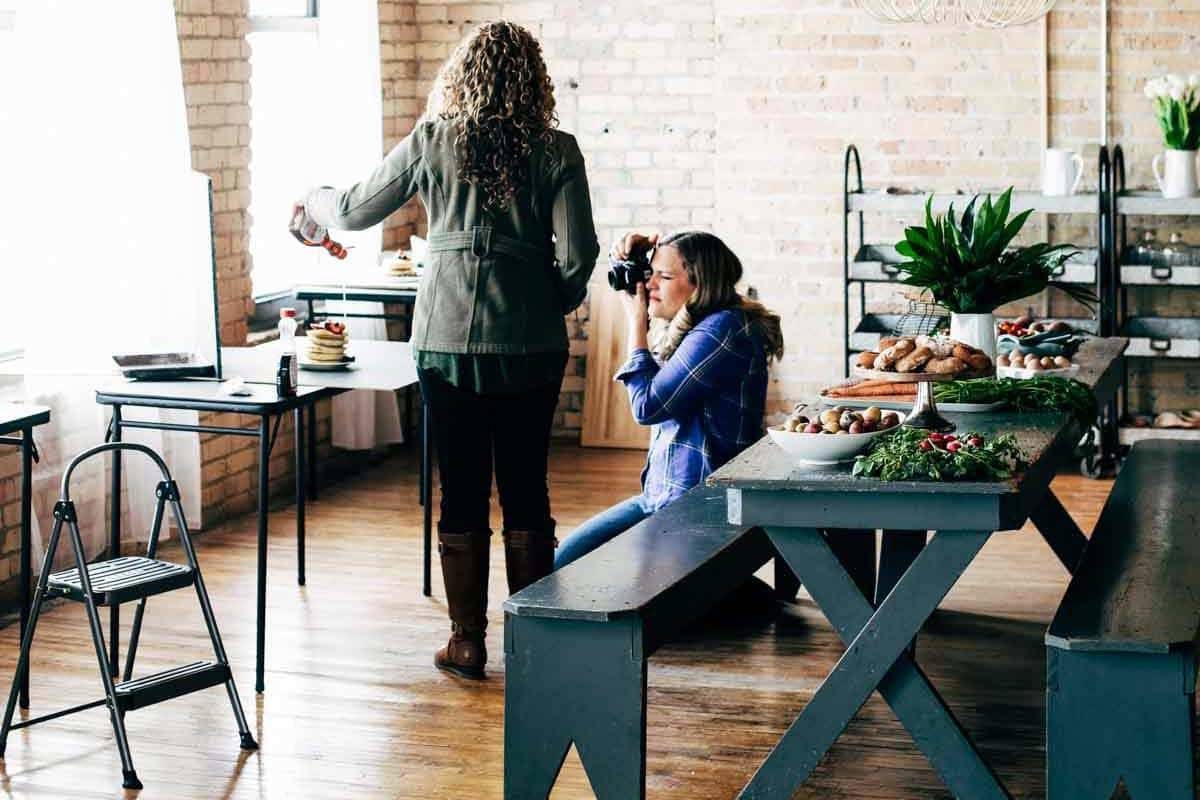
For those looking to bridge the gap between amateur snapshots and professional-grade imagery, technical guidance is paramount. The Pinch of Yum studio, a hub for culinary digital media, has officially opened registration for its highly anticipated two-day food photography workshops. These intensive sessions are designed to move beyond basic camera settings, offering a deep dive into manual mode, complex styling for difficult textures—such as smoothie bowls or liquid-heavy dishes—and efficient post-production workflows.
Participants in these workshops gain access to a tailored, hands-on environment. With 12 dedicated workstations, each featuring natural light through expansive studio windows, students are provided with the physical space and the professional guidance needed to refine their artistic vision.
The Impact of Education: Real-World Results
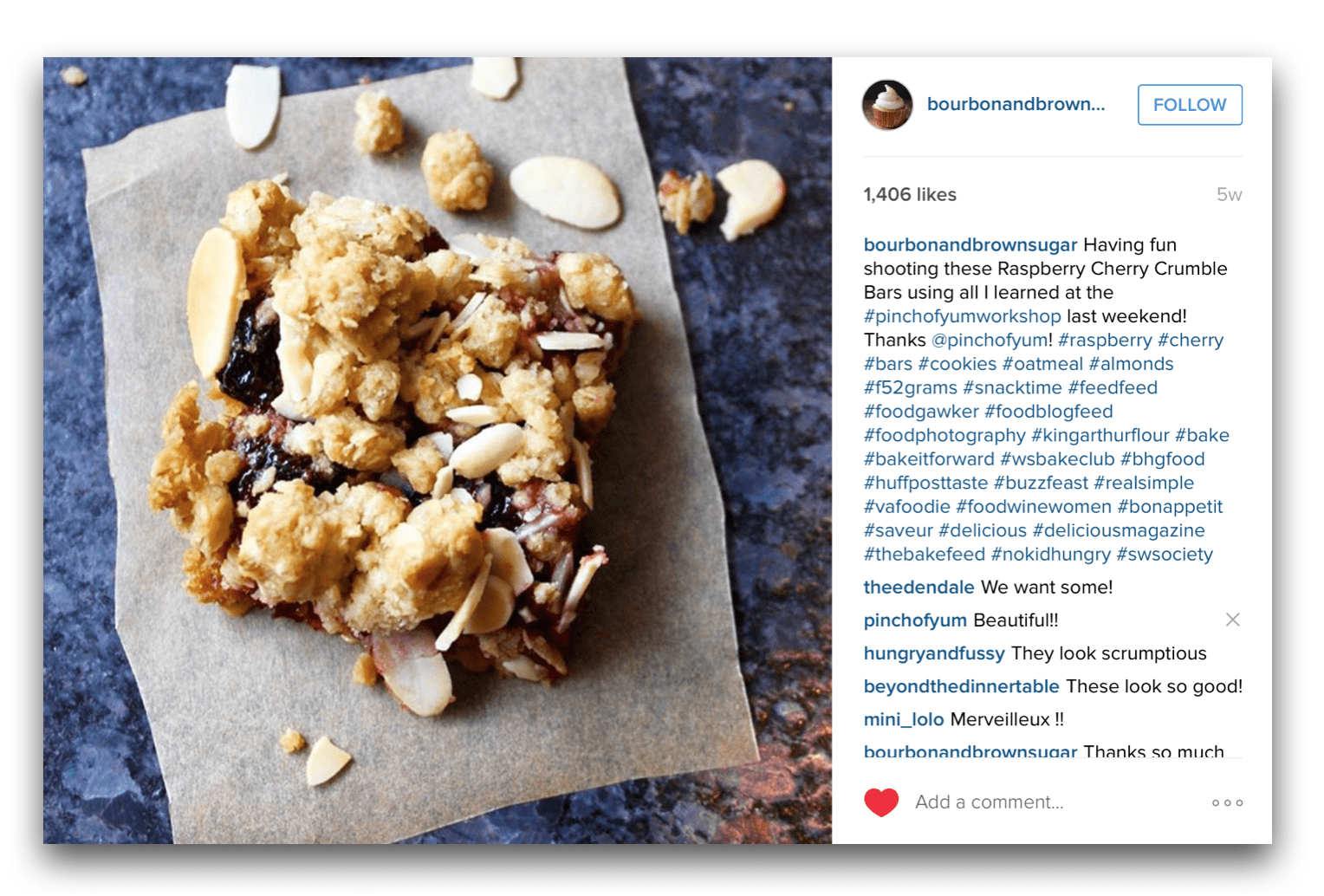
The efficacy of structured photography education is best reflected in the success of its alumni. Take, for instance, the experience of a recent attendee, MB, who traveled from Virginia to participate in the program. Within days of returning home, she applied her newly acquired skills to her personal food blog. The result was instantaneous: a single Instagram post garnered nearly 1,400 likes—a staggering increase of 1,100 interactions compared to her historical average.
This transformation underscores a vital point: professional photography is not an innate talent, but a teachable, replicable skill. By mastering the interplay of light, composition, and styling, creators can significantly boost engagement metrics and build a more robust digital footprint.
The Anatomy of Viral Imagery: 7 Core Strategies
While technique and equipment play a role, the "virality" of an image is often dictated by intentional choices in composition and presentation. Based on industry standards, here are seven strategies to elevate your food photography.
1. Master the Angles: Overhead vs. Straight-On
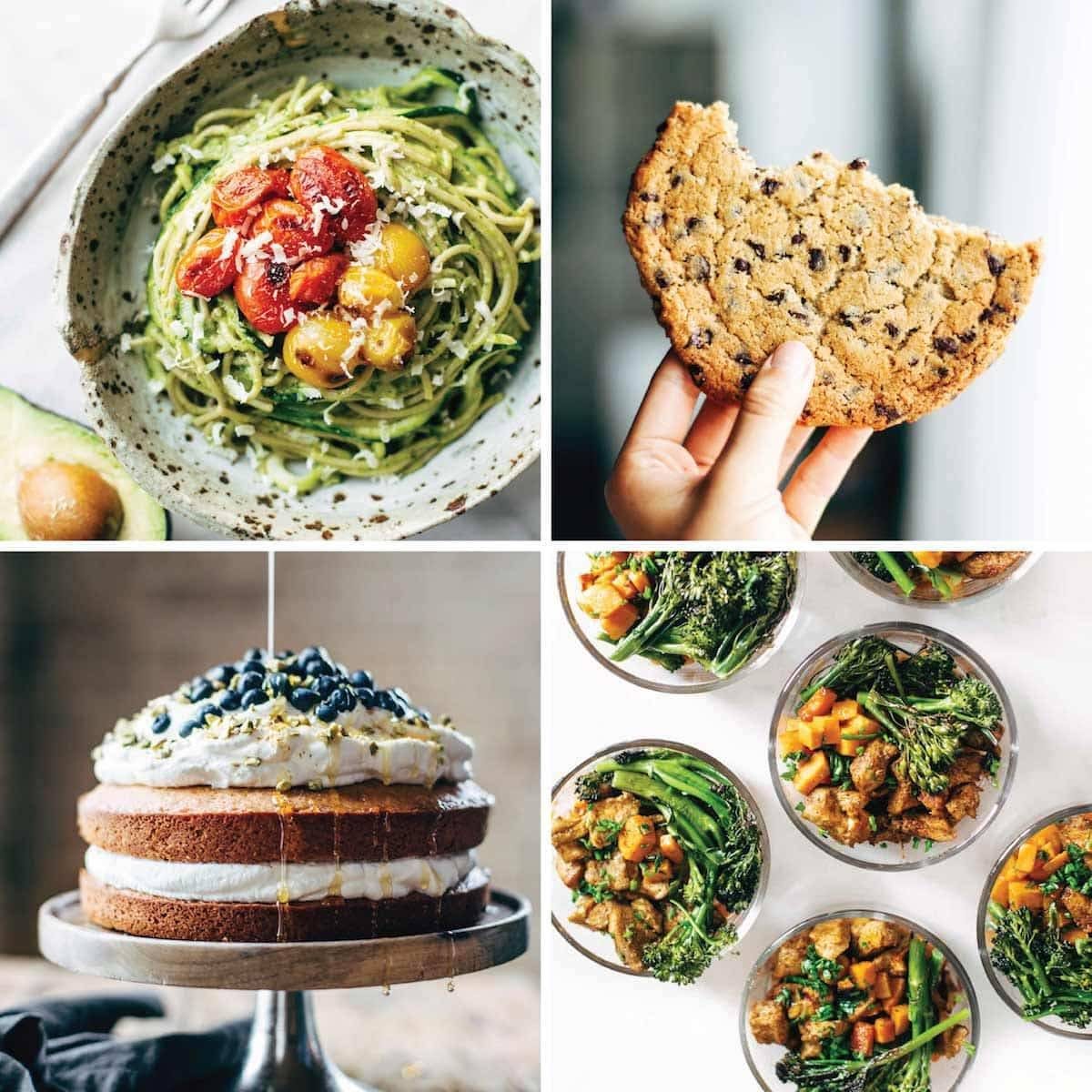
The most successful food photos typically utilize one of two distinct perspectives. The "overhead" (or flat-lay) angle is the gold standard for showcasing complexity and variety, such as a table spread or a colorful, topping-heavy bowl. Conversely, the "straight-on" angle is essential for emphasizing verticality and structure—think of a towering burger or the elegant layers of a stack of pancakes. Both angles are highly effective for mobile users scrolling through social feeds, as they offer a clear, unobstructed view of the subject.
2. The Case for Matte Finishes
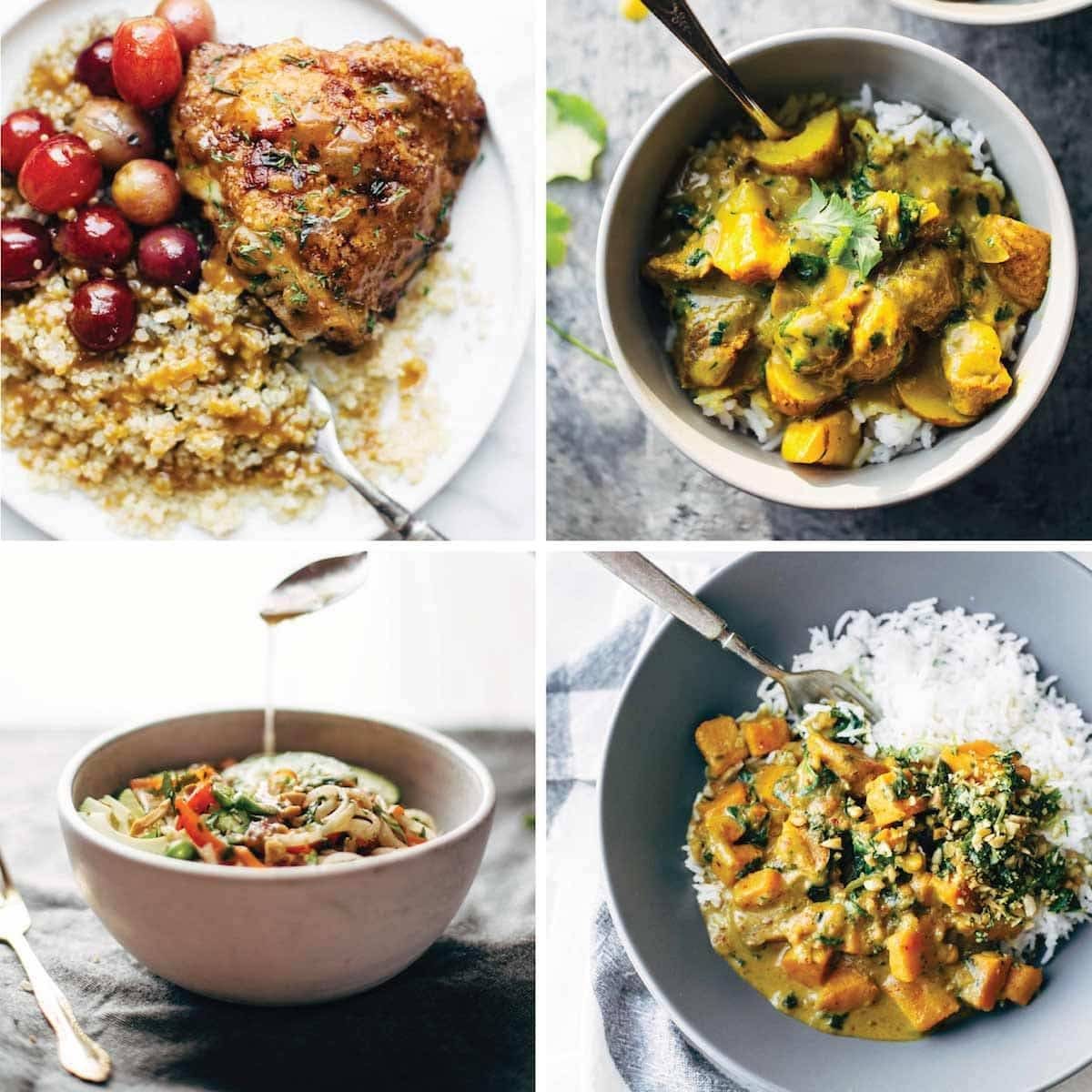
One of the most common pitfalls for emerging photographers is the use of reflective, high-gloss dinnerware. Beyond creating distracting light glares and hot spots, shiny surfaces often inadvertently capture the photographer in the reflection. To maintain a professional look, experts recommend opting for matte-finish props. By eliminating unwanted reflections, you ensure the viewer’s eye remains firmly locked on the food.
3. Harnessing the Power of Monochrome
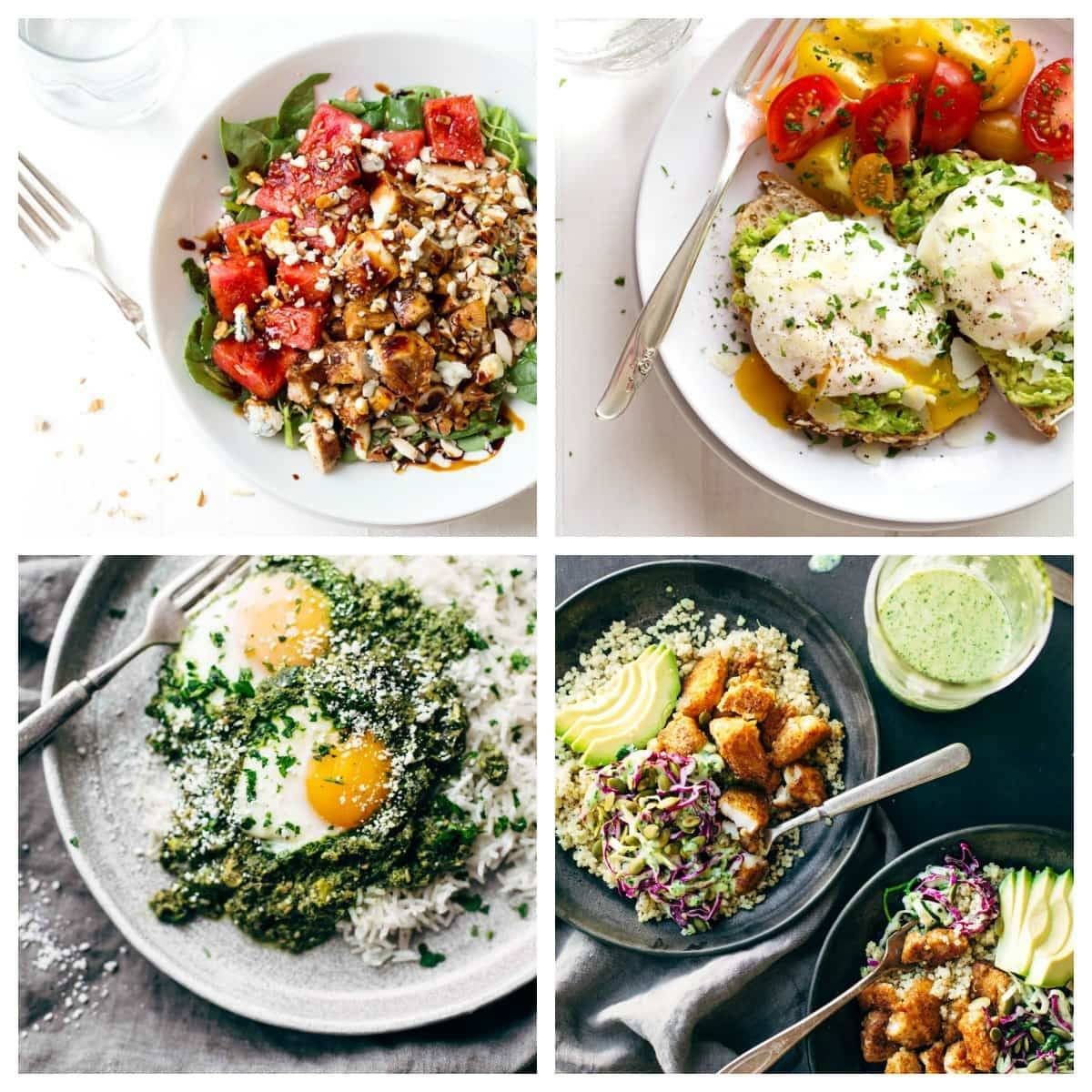
A sophisticated technique to ensure your food takes center stage is the use of monochromatic styling. Placing a white dish on a white background, or a dark-toned dish on a slate surface, minimizes visual noise. This lack of color contrast in the surroundings forces the viewer to focus entirely on the textures, colors, and intricate details of the food itself.
4. The Art of the Detail: Twirl, Drizzle, and Crumble
Great food photography is largely about the "before the shutter" preparation. If a dish looks flat, it requires manual intervention. Mastering the "fork-twist" of pasta, the perfect crumb structure of a pastry, or the precise drizzle of an herb-infused oil can turn a standard plate into a masterpiece. These minute details communicate the freshness and quality of the ingredients to the viewer.
5. Prioritize Compelling Content
A photo of a single, unadorned slice of banana bread rarely goes viral. However, a shot featuring a stack of slices with a melting pat of butter or a dramatic glaze does. Being "compelling" requires the photographer to think like a food stylist. If the dish doesn’t look inherently exciting, modify it—add textures, adjust the plating, or change the lighting to create a "wow" factor that demands a second look.
6. Defining Your Signature Look
Consistency is the bedrock of audience retention. By developing a signature look—whether it’s bright and airy, or dark and moody—you create a cohesive brand identity. Once you understand what style resonates with your specific audience, embrace it. This doesn’t mean becoming stagnant, but rather creating a stylistic "North Star" that guides your creative decisions for every shoot.

7. The Philosophy of Perpetual Study
The final, and perhaps most important, strategy is the commitment to lifelong study. The landscape of food media is constantly shifting. By analyzing the work of top-tier photographers and identifying what makes their images successful—be it their use of color, angle, or storytelling—you can incorporate these elements into your own work. Crucially, this is not an endorsement of copying; it is an endorsement of inspiration. As you study, you refine your own creative voice, leading to more authentic and impactful imagery.
Supporting Data and Industry Implications
The digital food photography sector is experiencing a period of rapid professionalization. Data from platforms like Instagram and Pinterest suggest that posts with high-quality, high-contrast imagery see engagement rates significantly higher than those with poor lighting or disorganized composition.
For creators, this translates to tangible career growth. The ability to produce "viral" content is frequently a prerequisite for brand partnerships, cookbook deals, and affiliate marketing success. As such, the investment in workshops and professional education is increasingly viewed as a necessary business expense rather than a luxury.
Official Guidance: Bridging the Gap
The philosophy at the core of the Pinch of Yum approach is the "Teach-Model-Guided Practice" framework. By breaking down the intimidating artistic process into manageable, logical steps, the studio aims to strip away the ambiguity of professional photography.
"My goal is to facilitate a learning experience that feels accessible," notes the studio’s lead facilitator. "We take something that seems mysterious and artistic and translate it into a workflow that anyone can implement, whether their goal is creative joy or professional monetization."
Conclusion: Take the Next Step
With workshops currently at 50% capacity, the window for specialized instruction is closing. To further support new attendees, the studio is currently offering a unique incentive: a one-year membership to Food Blogger Pro ($279 value) included with every workshop registration. This provides students with ongoing access to a community of peers and a library of resources, ensuring that the learning continues long after the two-day workshop concludes.
In an industry where the visual is the primary currency, investing in your photography skills is the most direct path to success. Whether you are looking to monetize your blog or simply share your culinary passion with a wider audience, the tools for creating viral, engaging, and professional-grade food photography are within your reach.