The Evolution of Artistry: How Pinch of Yum Transformed Food Photography Education
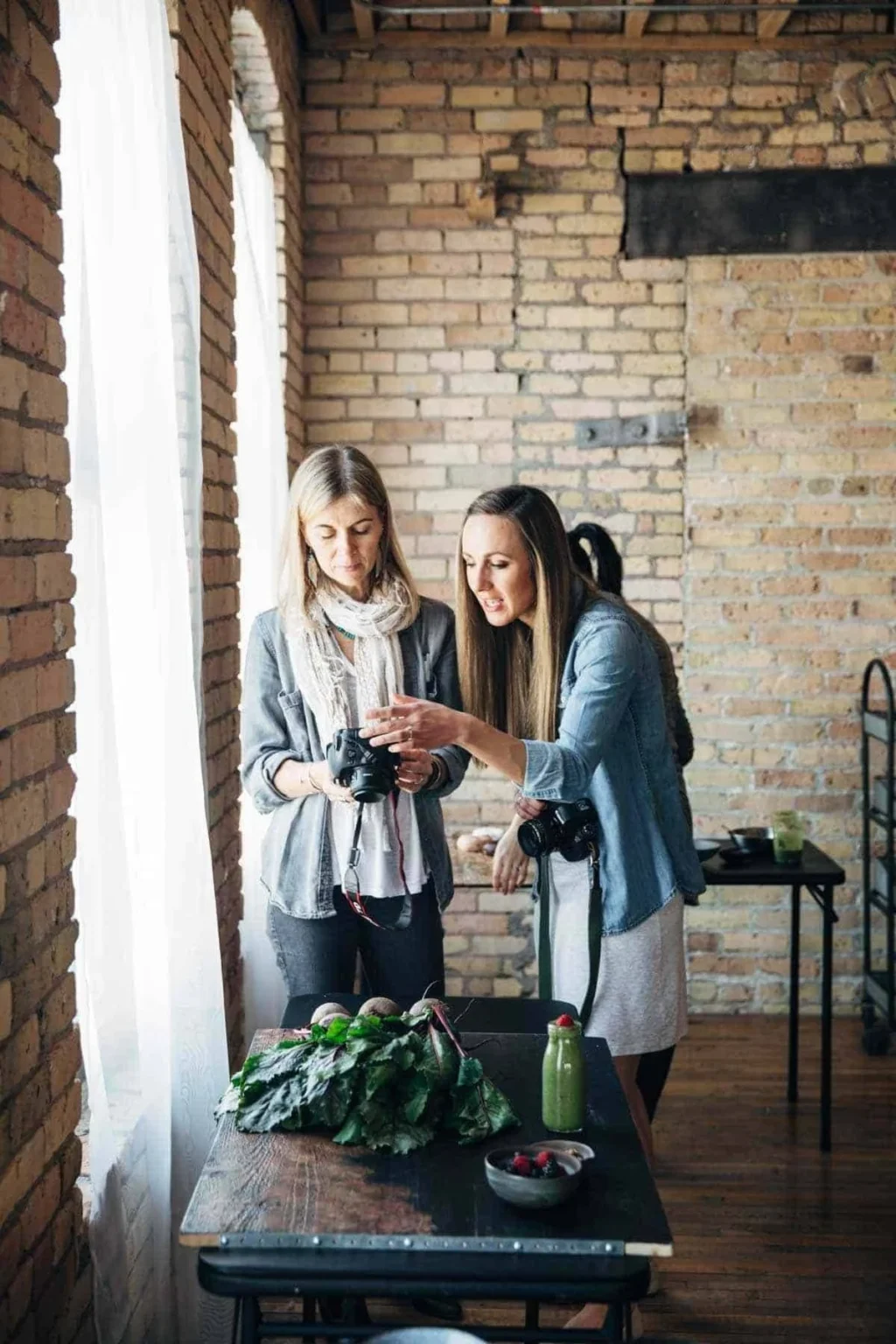
In the digital age, the intersection of culinary art and visual storytelling has become a cornerstone of modern media. At the forefront of this movement is Pinch of Yum, a brand that has successfully bridged the gap between home cooking and professional-grade photography. What began as a personal passion project has matured into a sophisticated educational hub, culminating in a series of immersive, high-intensity food photography workshops that have drawn creators from across North America to Minneapolis, Minnesota.
The Genesis of an Obsession: From Hobbyist to Educator
The journey toward the current "Workshop Extravaganza" did not happen overnight. It was a gradual, deliberate evolution fueled by an "obsession" with the technical and aesthetic nuances of capturing food. In 2014 and 2015, the founders of Pinch of Yum began exploring the pedagogy of food photography. Initially, this involved participating in workshops hosted by third-party organizations. However, these early experiences served a dual purpose: they provided foundational knowledge and sparked the realization that there was a significant, underserved demand for localized, hands-on instruction.
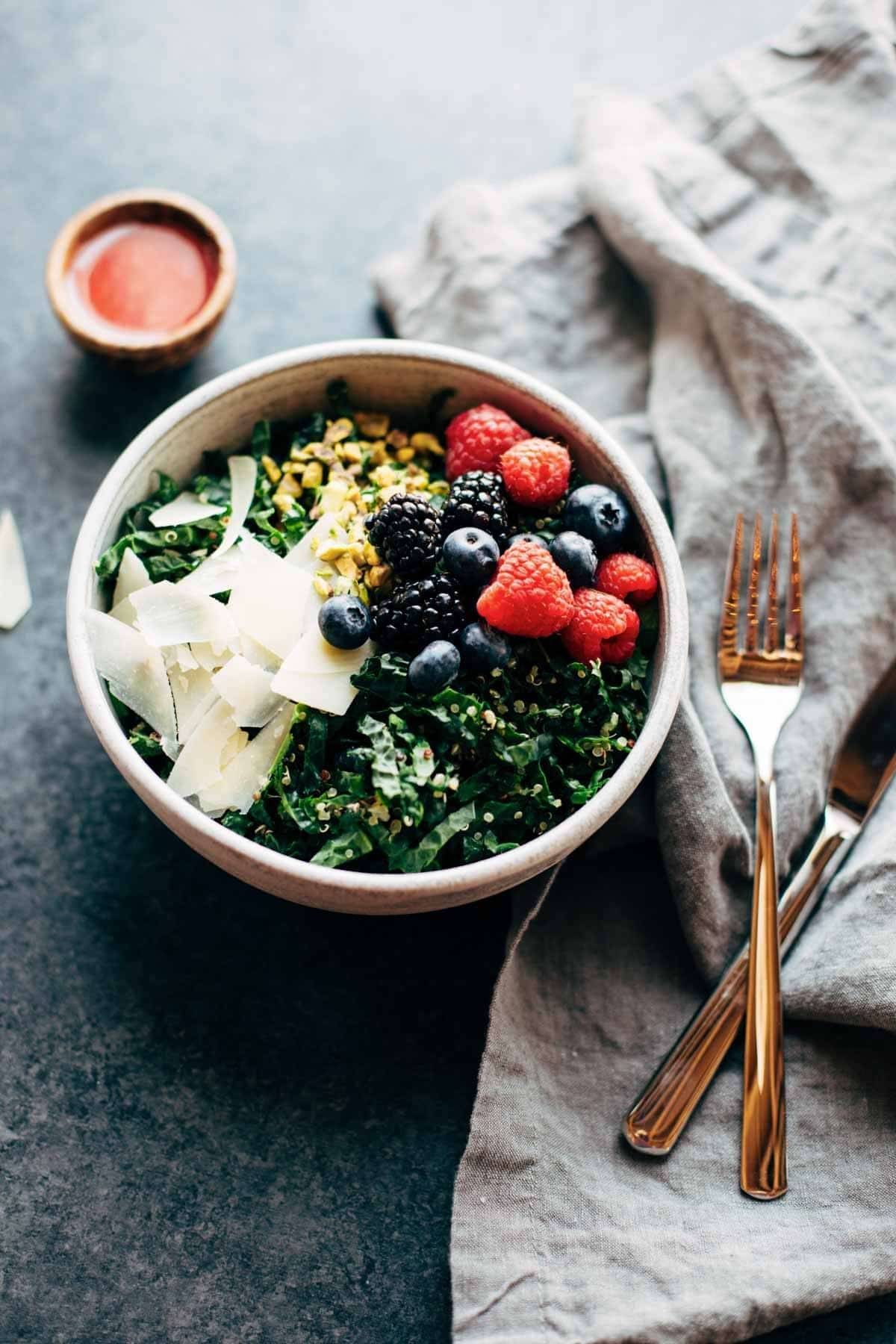
The transition from student to educator was marked by a desire to cultivate a community-centric environment. The objective was to create a dedicated space where aspiring photographers could congregate, share resources, and experiment with the craft in a collaborative, non-competitive setting. This vision was realized in September 2015 with the launch of the inaugural Pinch of Yum food photography workshop.
Chronology of Expansion: Scaling the Vision
The expansion of these workshops has followed a trajectory of rapid growth, characterized by both logistical challenges and creative breakthroughs.
- September 2015: The first workshop is held in a rented studio space. While the venue was described as "adorable," it was also notably small, highlighting a constraint in capacity that would define the early days of the program.
- November – December 2015: Two additional workshops are conducted in the same limited space. These sessions cemented the operational model: intimate, focused, and highly technical.
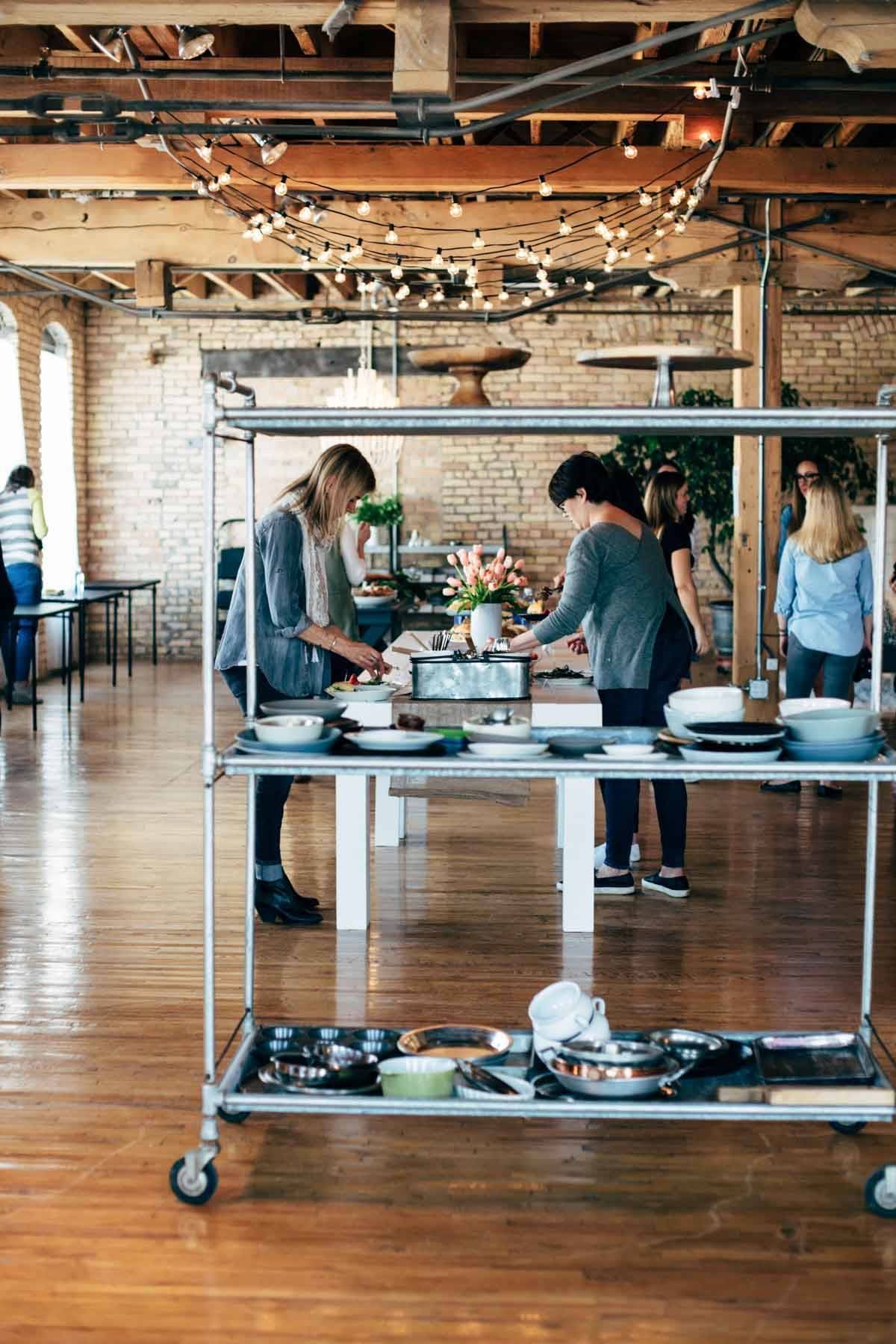
- January 2016: A pivotal moment occurs with the acquisition of a permanent, custom-built studio in Minneapolis. This facility, characterized by its "raw, rustic-industrial" aesthetic, was a massive upgrade in terms of square footage and natural light capabilities.
- March – April 2016: The new facility is put to the test. Over the course of two months, the studio hosts four separate workshops, welcoming more than 60 participants from across the United States and Canada.
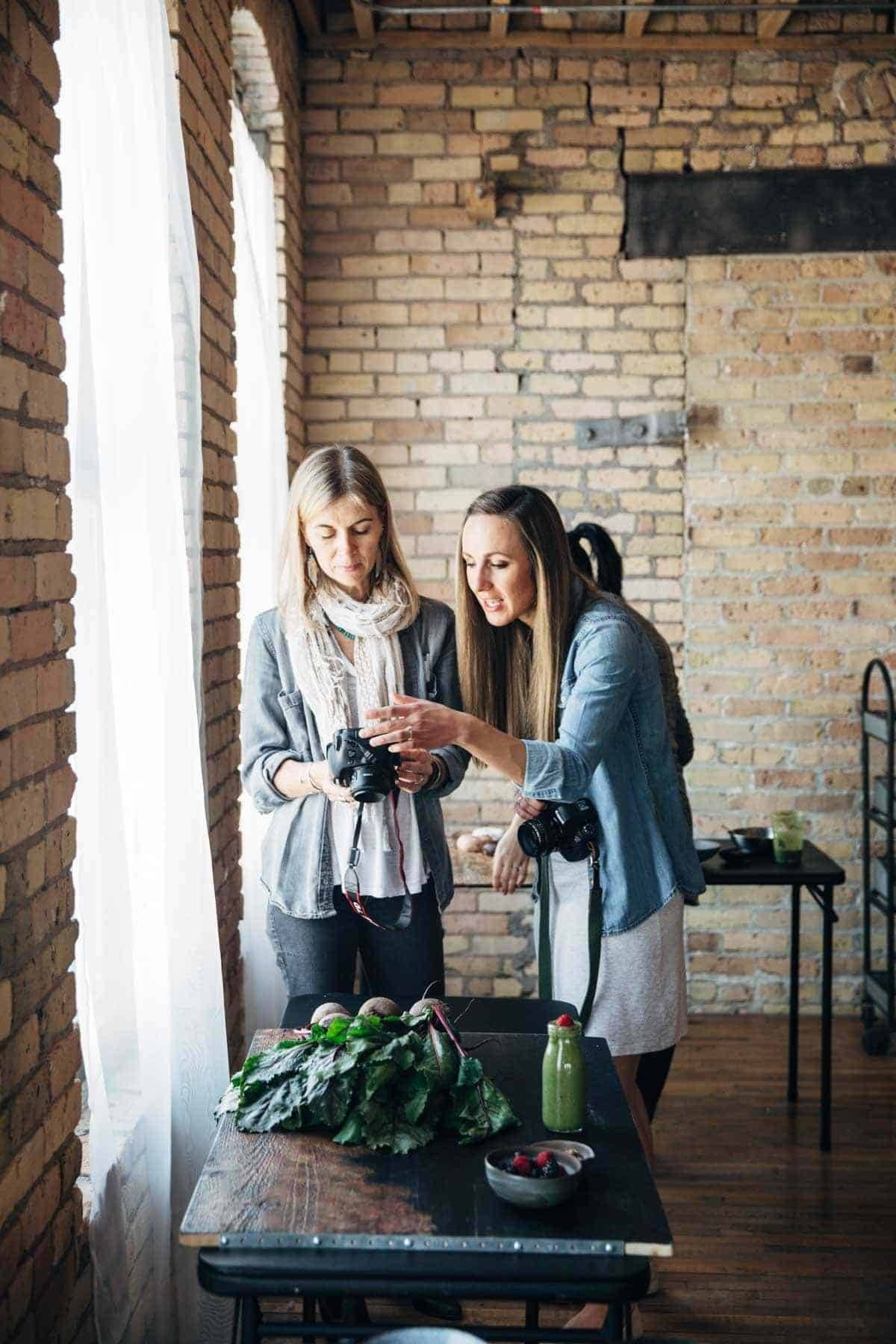
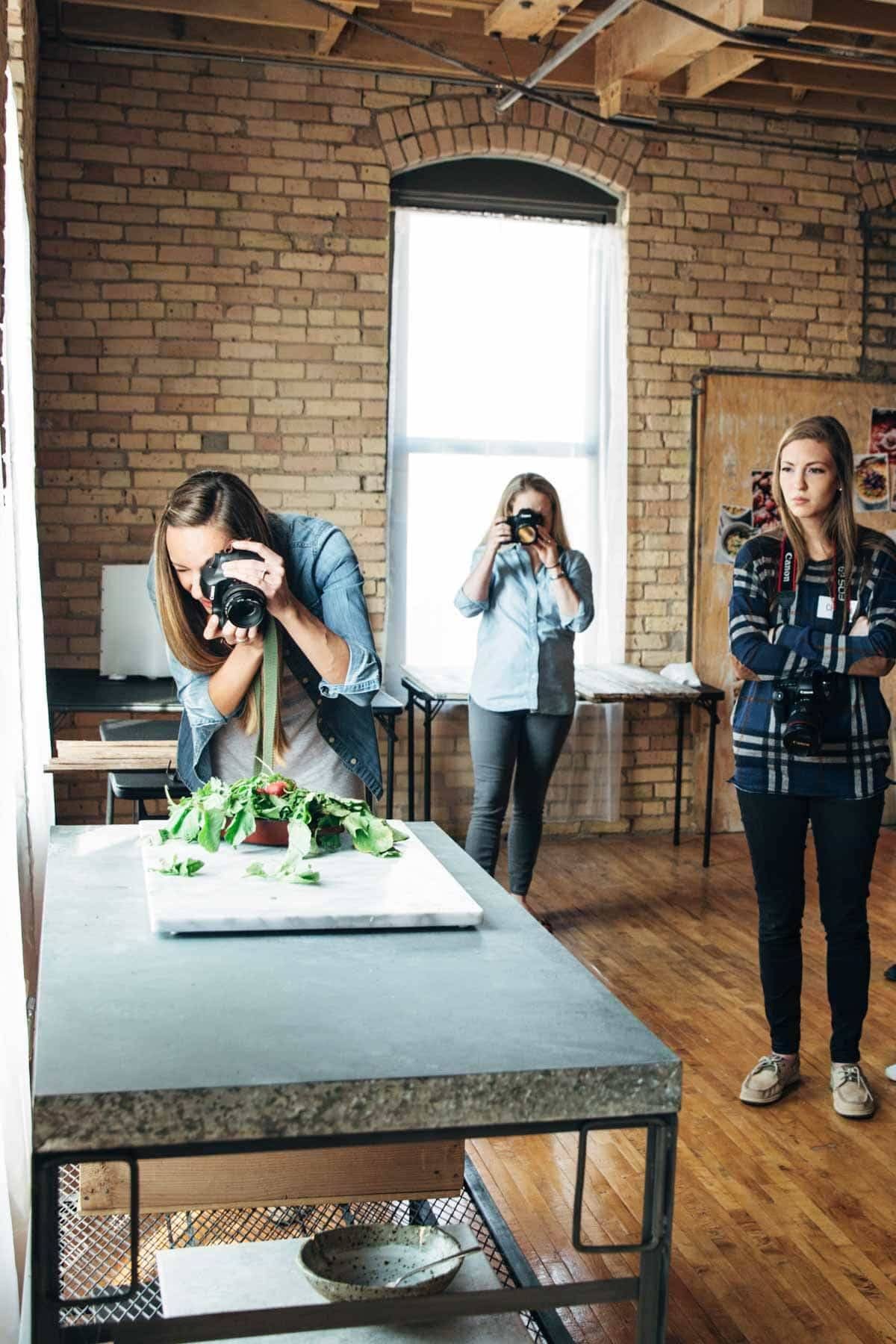
The move to the Minneapolis studio was not merely a change of address; it was a structural upgrade to the curriculum. With 12 dedicated windows, the space allows for a level of lighting control and individual practice that was impossible in the initial, smaller venues.
Supporting Data: The Anatomy of a Workshop
The success of the Pinch of Yum workshops can be measured by more than just attendee numbers. The infrastructure of the program relies on a synergy between technical instruction and a high-end, immersive culinary experience.
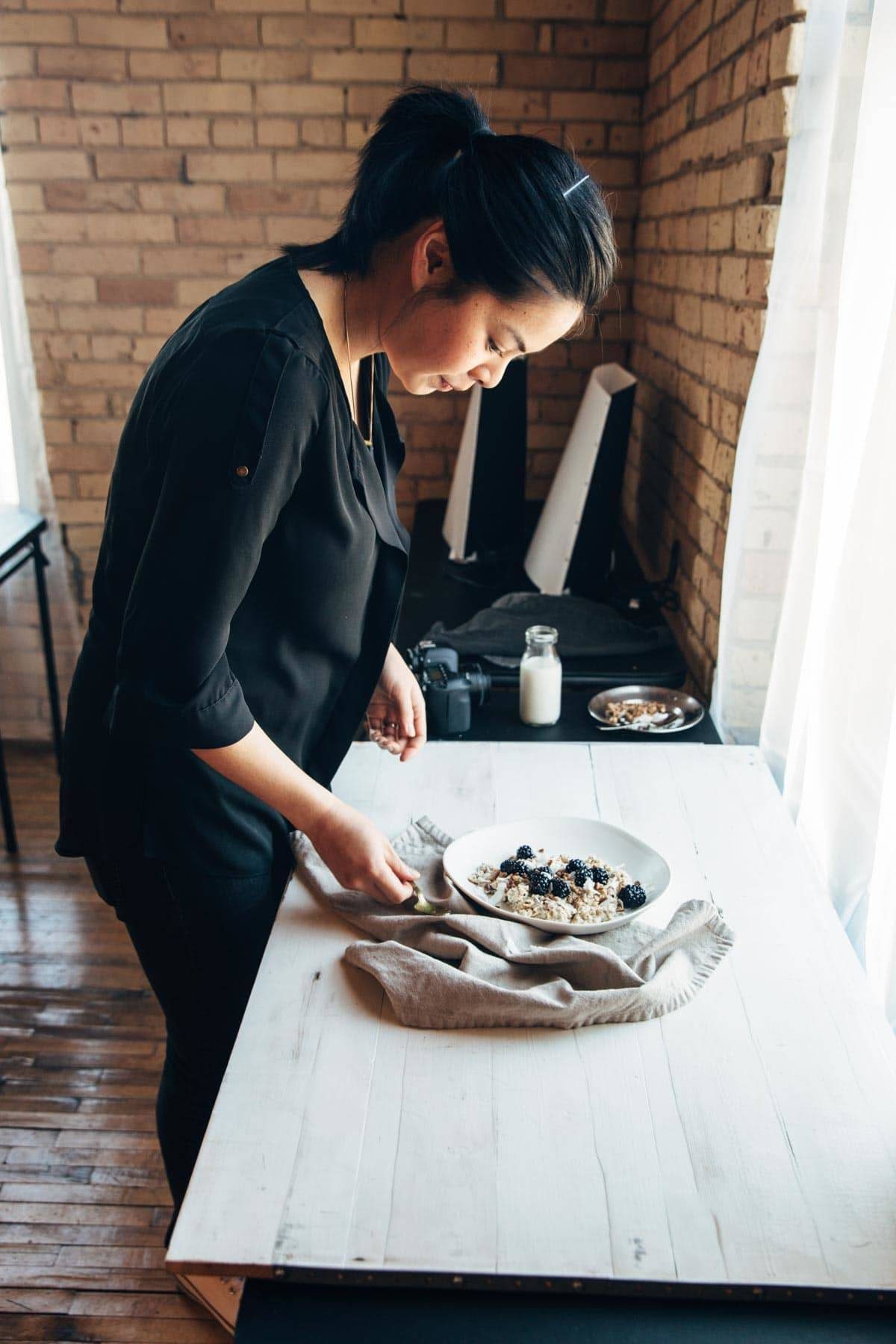
Technical Infrastructure
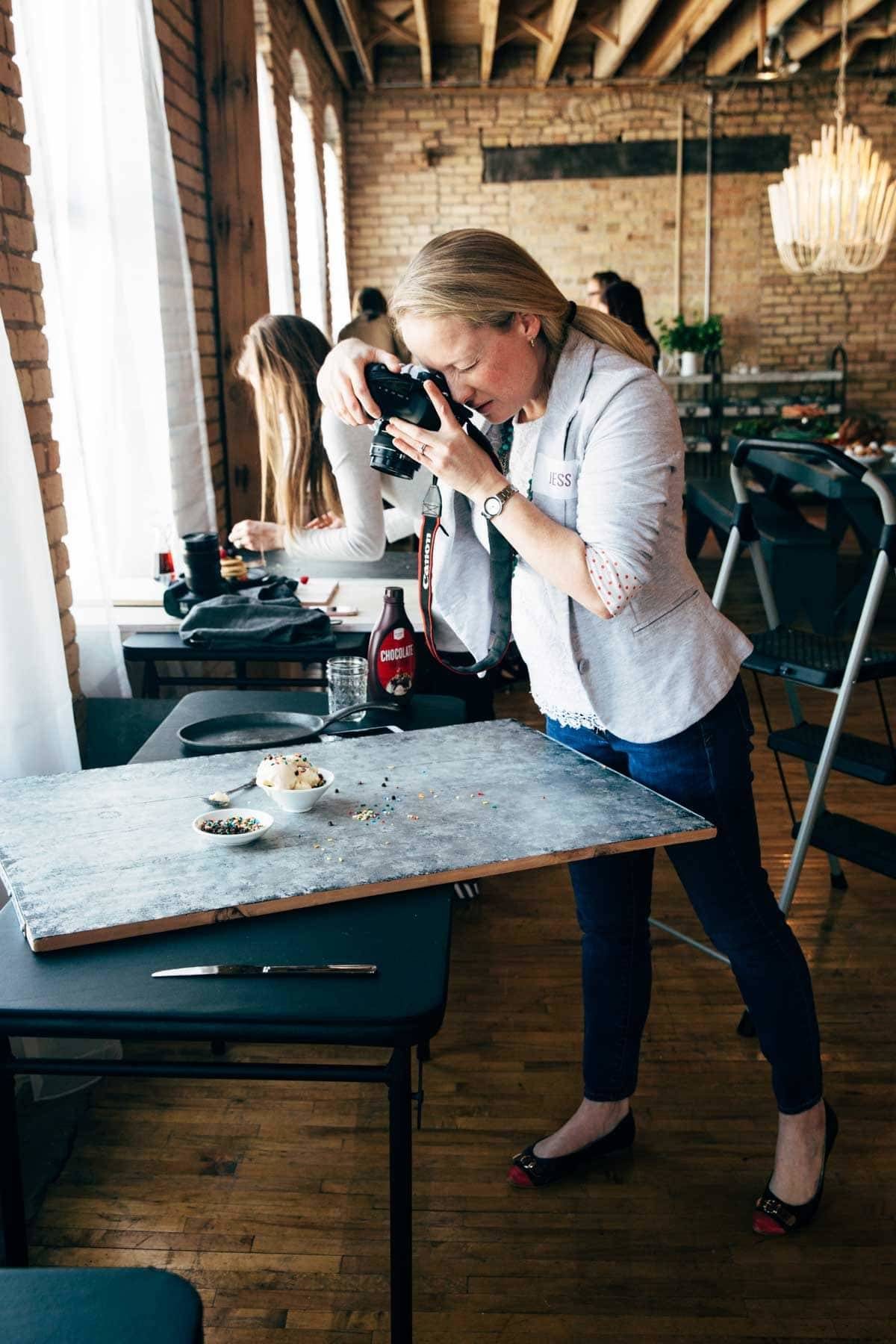
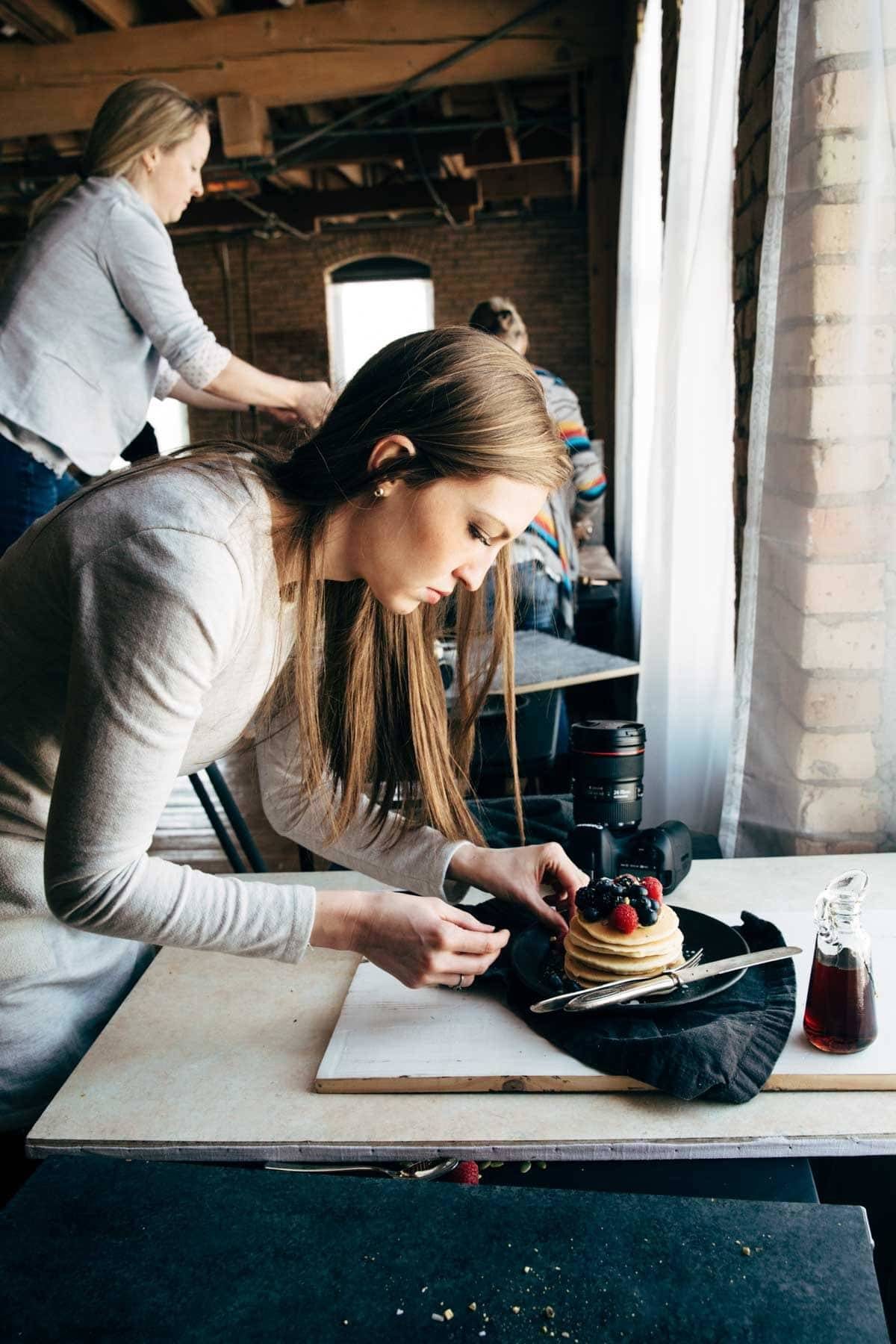
The core of the workshop experience is the "dedicated practice space." Unlike online tutorials, which are passive, these workshops emphasize tactile learning. Participants are encouraged to manipulate light, experiment with props, and engage in "live" styling. The facility’s design—specifically the abundance of natural light—serves as a primary pedagogical tool, allowing students to observe how light quality changes throughout the day and how it interacts with various food textures.
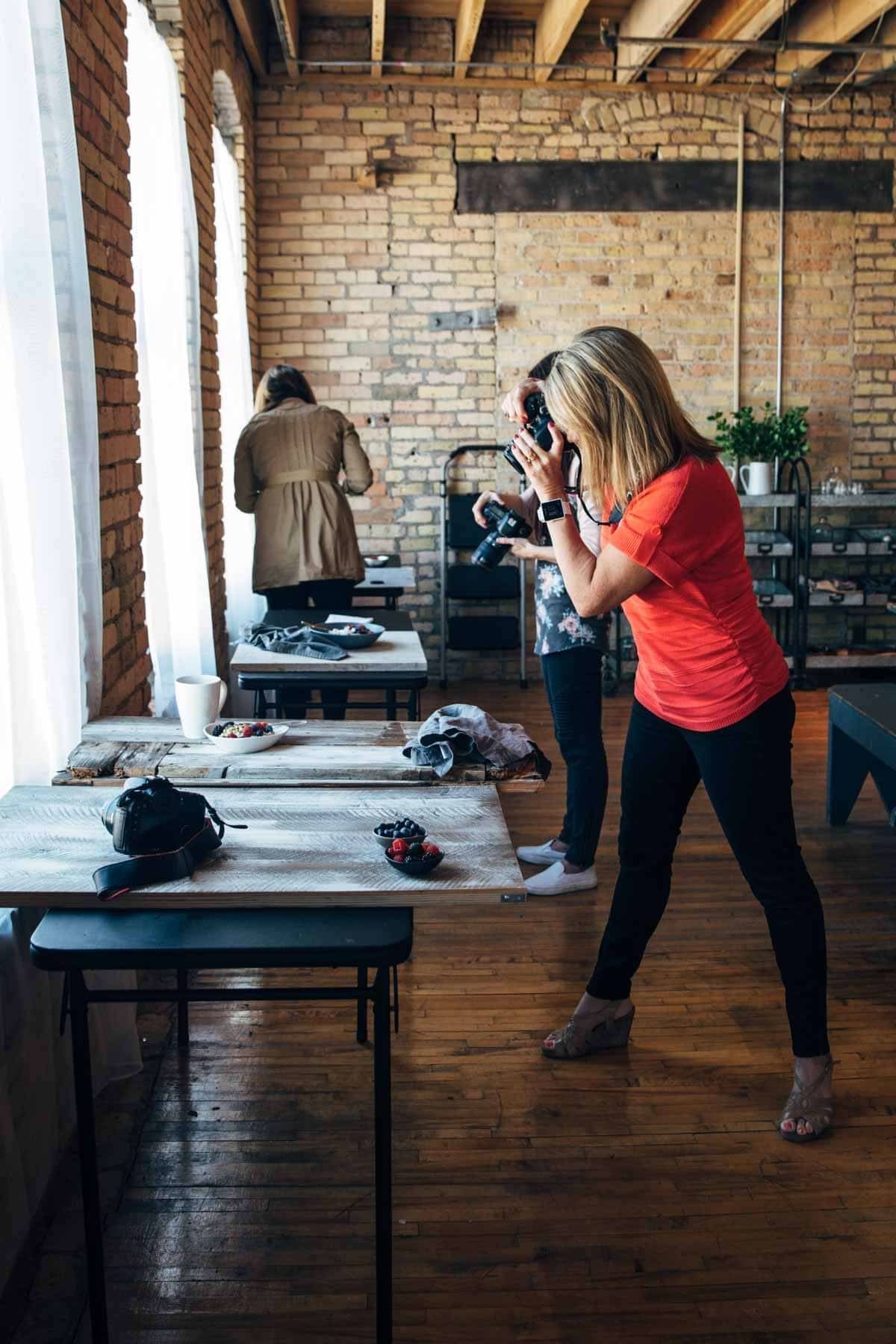
Culinary Partnerships
A unique facet of these workshops is the integration of high-quality, sponsored catering. This serves two purposes: it provides sustenance for the intensive sessions and offers additional "subjects" for the photographers to style and capture. Key partnerships during the spring session included:

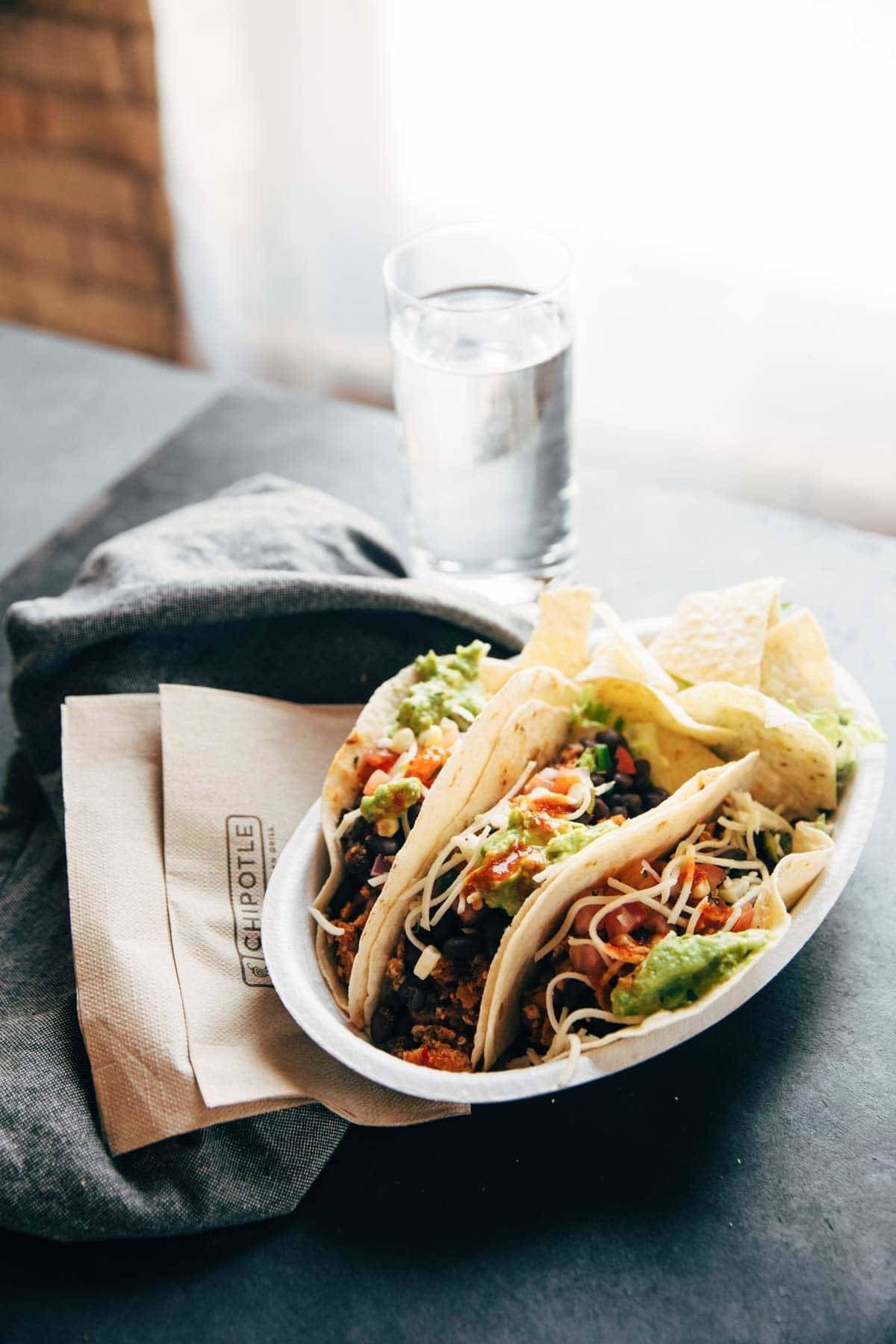
- Chipotle: Provided the base for a "style-your-own" burrito bowl lunch, challenging attendees to compose balanced, vibrant shots from modular ingredients.
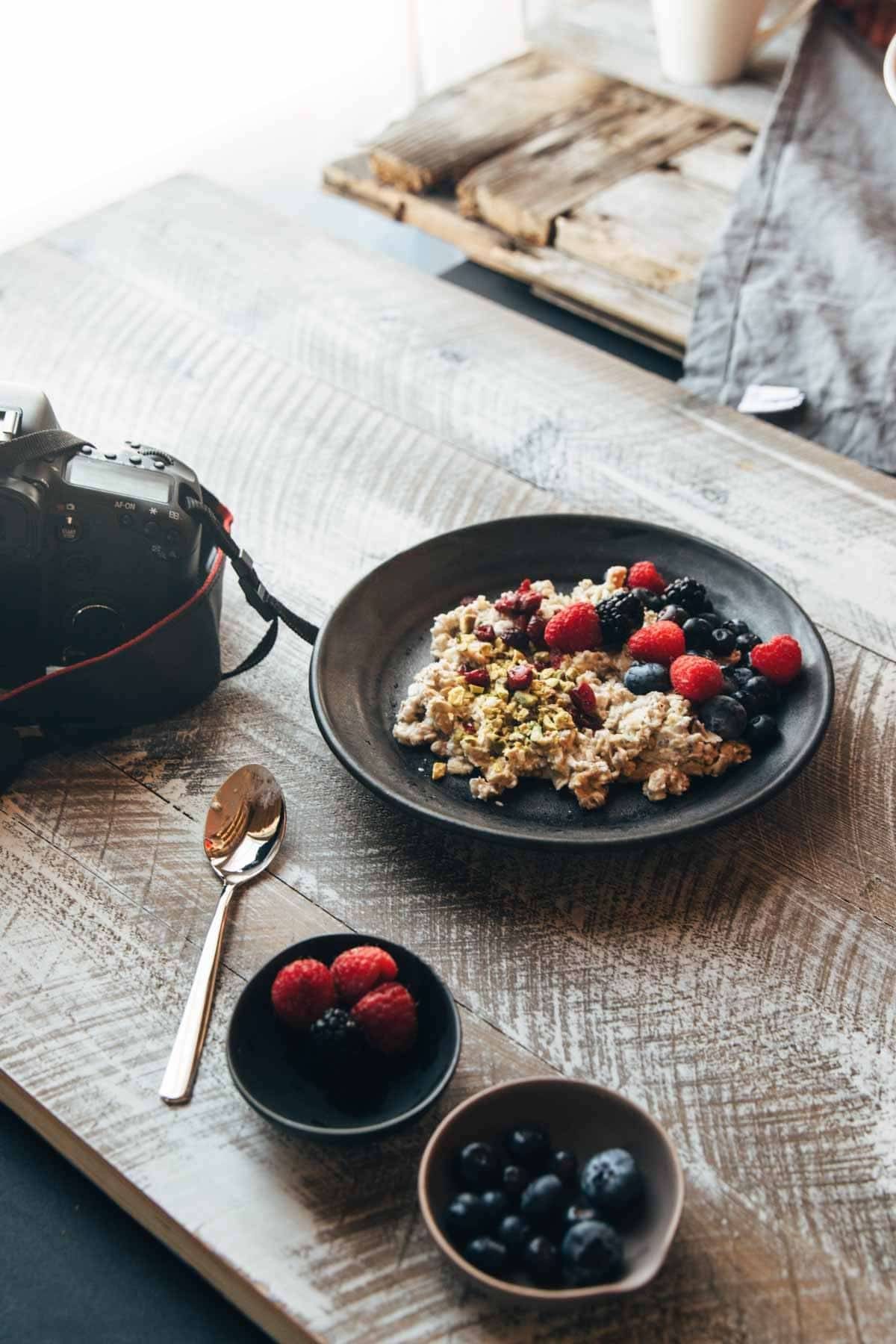
- Seven Sundays: Sponsored a muesli styling bar, allowing students to practice flat-lay photography with intricate grains and dried fruits.
- Whole Sum Kitchen: Contributed smoothie bowls, which served as exercises in color theory and texture contrast.
- The Copper Hen: Provided "sparkly and glittery" champagne cupcakes, used as final-day subject matter for macro and detail-oriented photography.
The "Chosen People": Defining the Community
The target demographic for these workshops is specific. As described by the organizers, the attendees are the "chosen people"—those who, when dining at a restaurant, feel compelled to rearrange the table, stand on chairs for the perfect angle, or pose a friend’s hand to hold a sandwich just right.
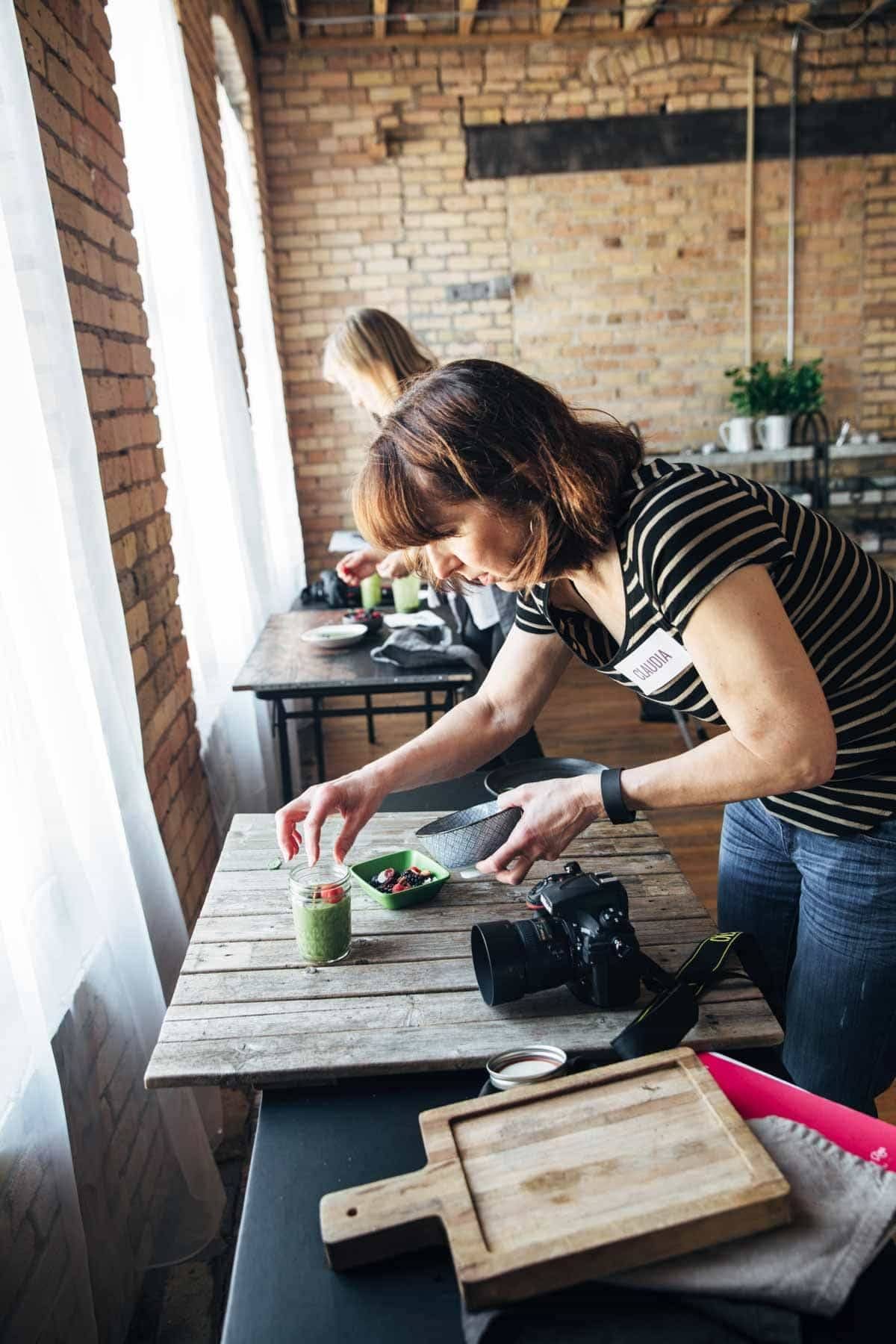
This cultural phenomenon—the "foodie-photographer"—is a growing segment of the social media landscape. By formalizing this behavior into a professional skill set, Pinch of Yum has tapped into a deep psychological need for validation and technical mastery. The workshops act as a safe haven where such behavior is not considered intrusive, but rather, a shared professional endeavor.
Professional Implications and Future Outlook
The transition of Pinch of Yum from a blog into an education-driven business marks a significant trend in the creator economy. It demonstrates how digital influencers can monetize their expertise not just through advertising or affiliate marketing, but through the development of "in-person" human capital.
The Impact of "Type A" Curation
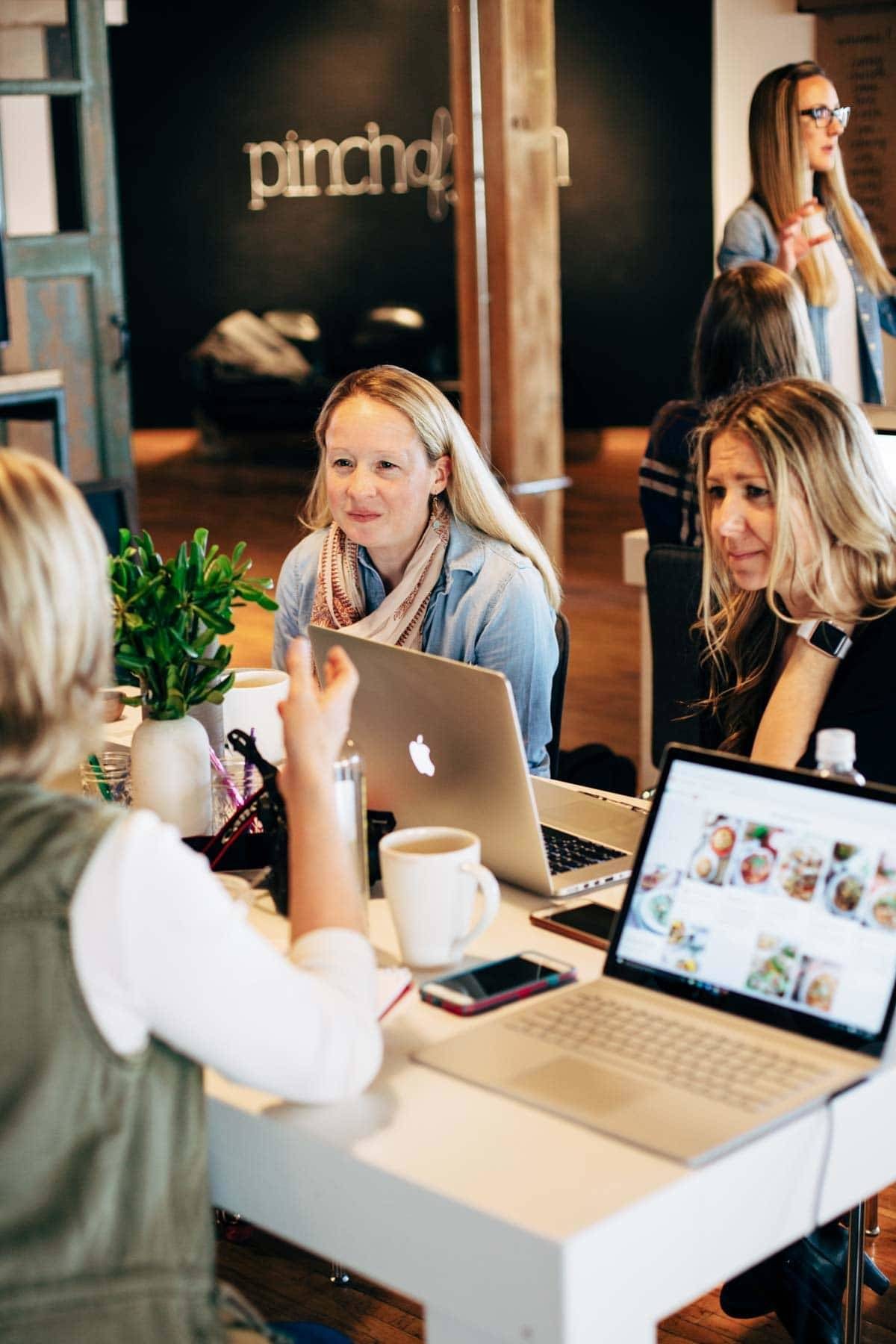
The founder’s admitted "Type A" personality is a significant, if often overlooked, factor in the brand’s success. The refusal to do a "full reveal" of the studio until it is "completely complete" highlights a commitment to high standards that resonates with the professional audience. This perfectionism ensures that every workshop experience is consistent, curated, and optimized for learning.
The Path Forward
With additional workshops slated for the summer, the organization is poised for further growth. The focus remains on scalability without sacrificing the "cool-blogger-office vibe." The implications for the future are clear: as the demand for high-quality, authentic visual content continues to rise in the commercial sector, the need for specialized, hands-on training will only increase.
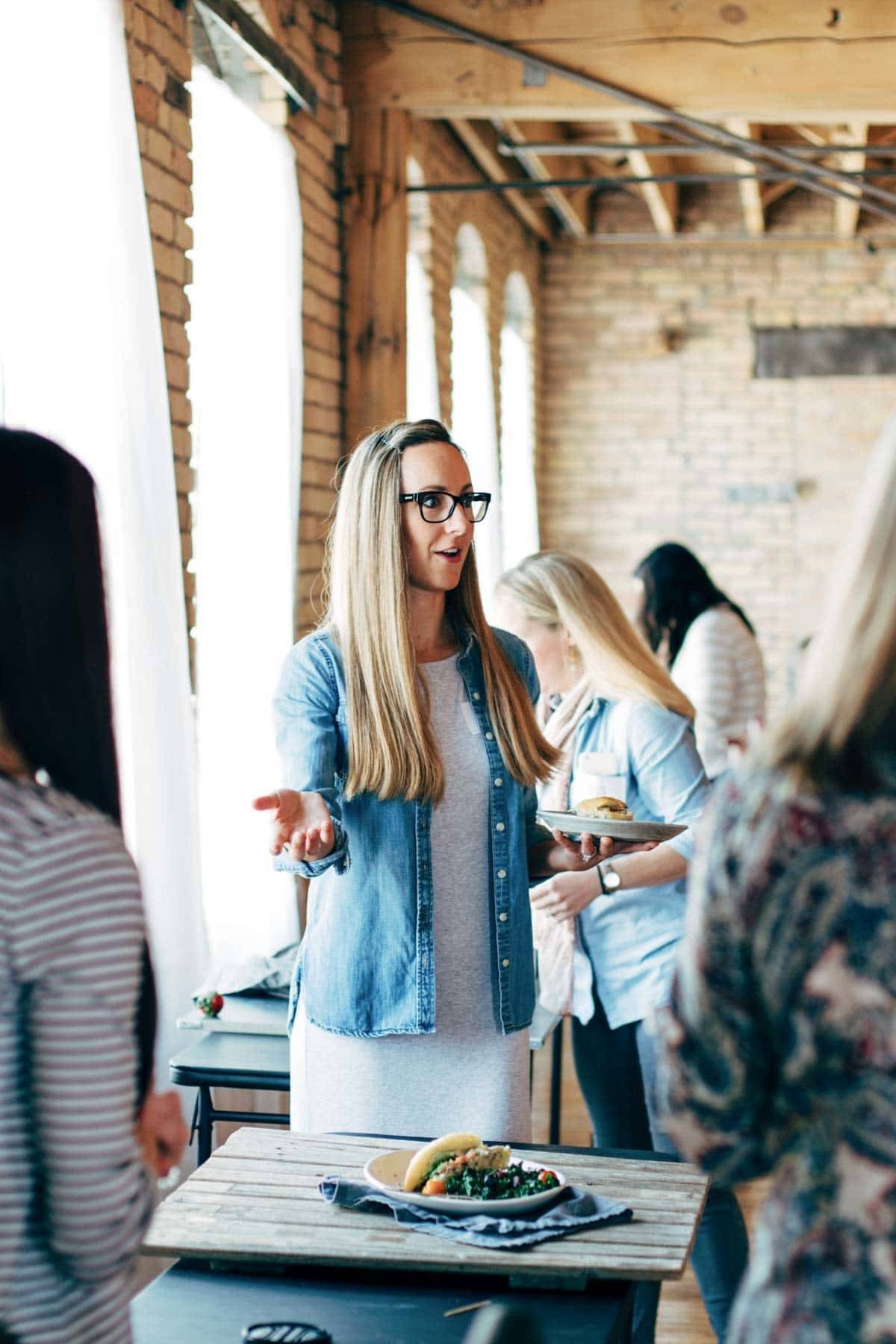
By documenting these workshops through the lens of professionals—such as their collaborator Abby—Pinch of Yum is creating a meta-narrative: they are not just teaching food photography; they are building an archive of the community they have fostered.
Conclusion: A Dream Realized
The journey from a small, rented studio to a large-scale, professional production facility in Minneapolis is a testament to the viability of creative education. For the teachers, the experience has been described as the fulfillment of a long-held dream—one that blends the pedagogical instincts of an elementary school teacher with the technical demands of a modern digital agency.
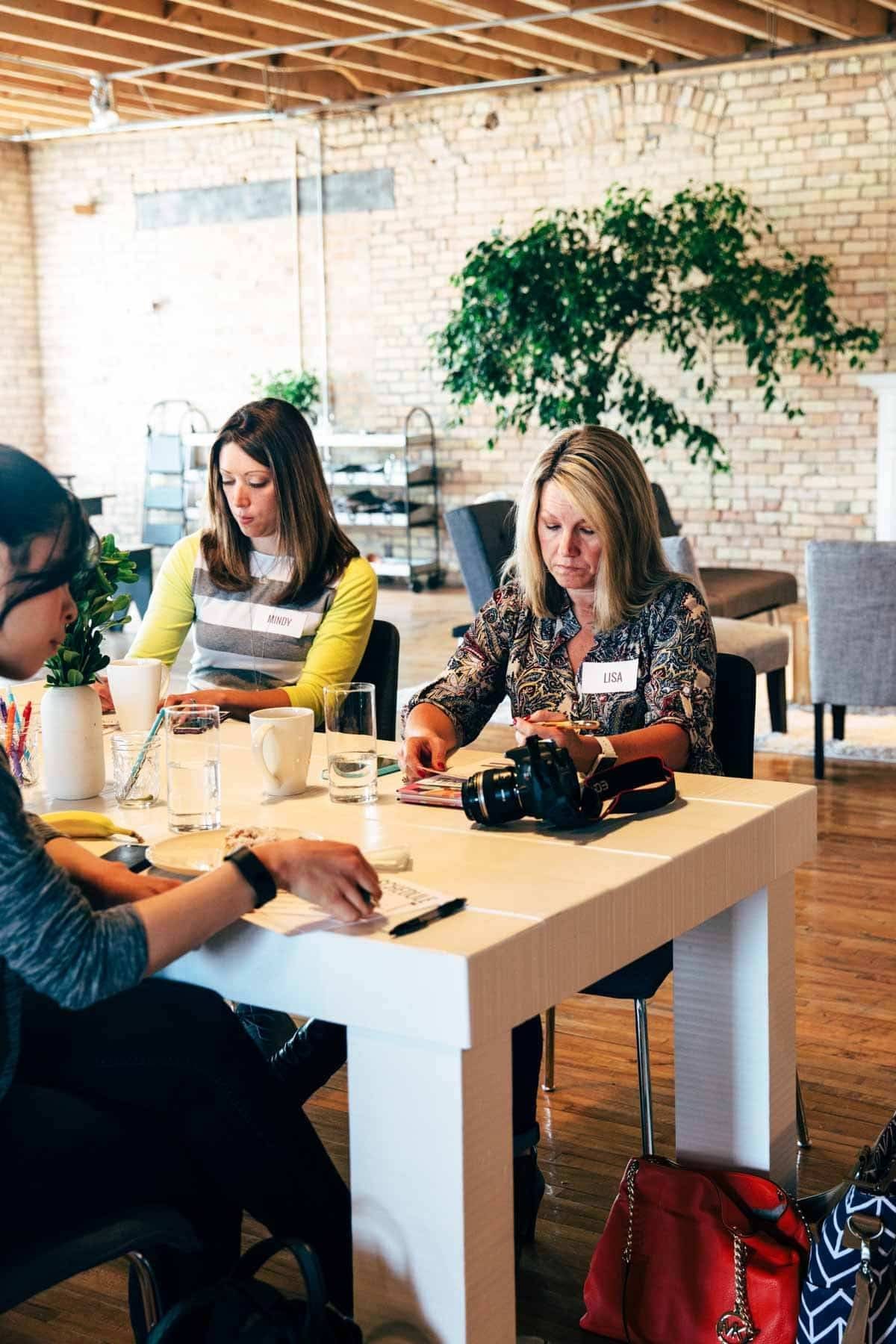
As the team prepares for the upcoming summer sessions, the focus remains firmly on the participants. Whether it is an amateur enthusiast looking to improve their social media feed or a budding professional seeking to master lighting, the Pinch of Yum model offers a blueprint for success in the competitive, visual-first landscape of the 21st century.
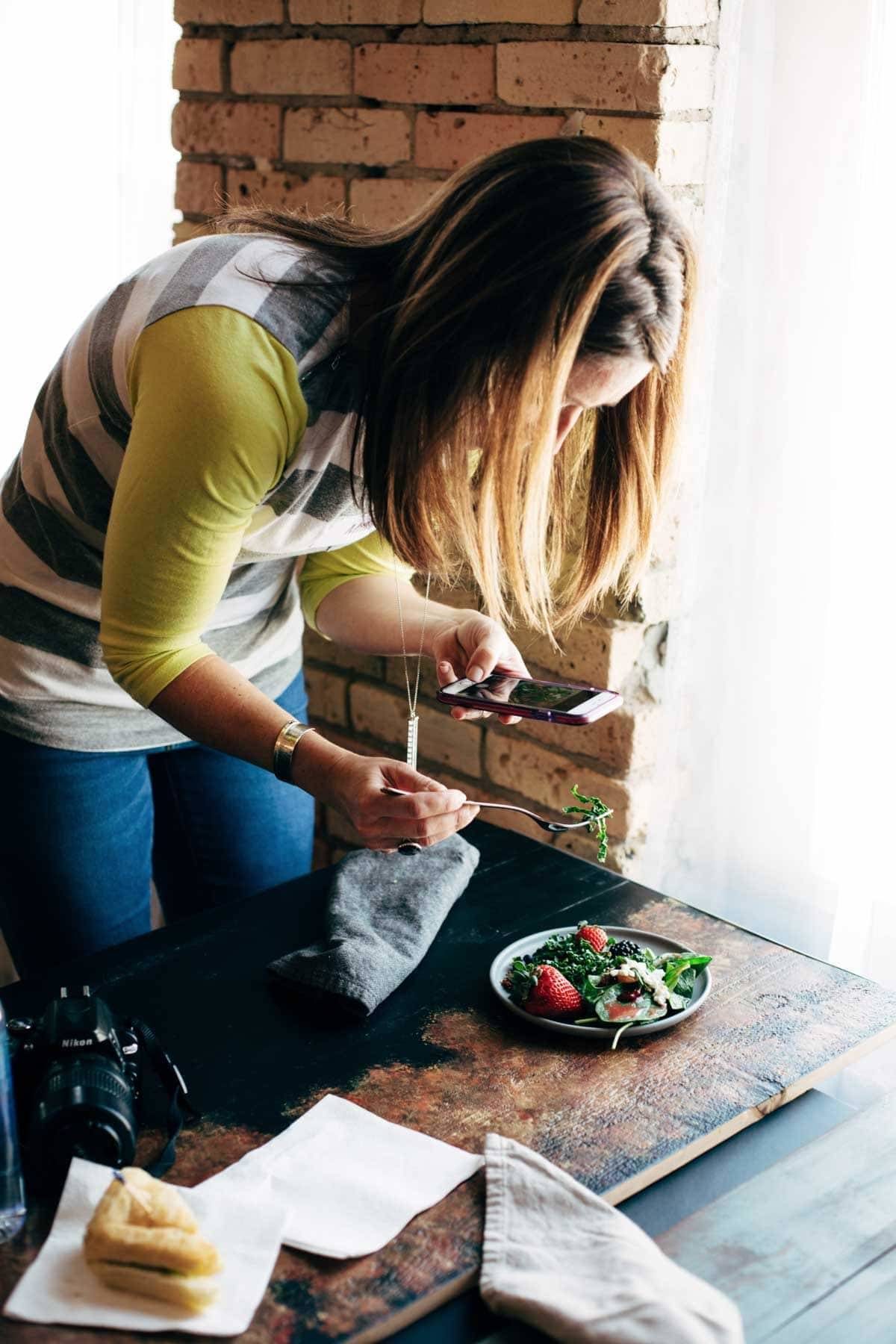
For those interested in the craft, the message is clear: the studio is open, the light is constant, and the community is waiting. The "Workshop Extravaganza" is no longer just an experiment—it is an established pillar of the food photography industry.