Hidden Risks in the Plant-Based Protein Boom: A Deep Dive into Chemical Contaminants
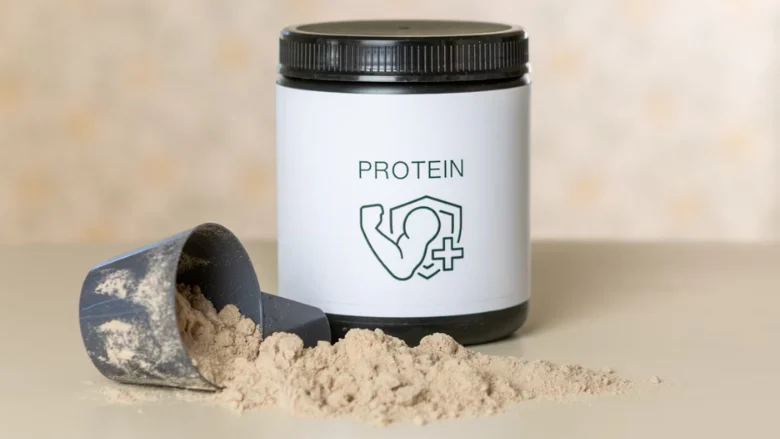
The global surge in plant-based nutrition has transformed protein supplements from niche fitness products into staples of the modern health-conscious pantry. Yet, as consumers pivot away from animal-derived whey and casein in favor of soy, rice, pea, hemp, and pumpkin seed isolates, a new study suggests that these "clean" labels may mask a complex cocktail of chemical contaminants.
A comprehensive study published in the NFS Journal, conducted by researchers from the University of Warmia and Mazury in Olsztyn and the University of Agriculture in Krakow, Poland, has unveiled the presence of multiple classes of chemical contaminants in commercially available protein powders. The findings, which highlight the presence of per- and polyfluoroalkyl substances (PFAS), mycotoxins, pesticides, polycyclic aromatic hydrocarbons (PAHs), and processing contaminants, raise critical questions about the safety profiles of the rapidly expanding plant-based protein industry.
The Scope of the Investigation
The research team set out to characterize the "co-occurrence" of various contaminants in plant-based isolates—substances that originate from environmental pollution, agricultural residues, natural fungal toxins, and industrial processing techniques. By analyzing protein isolates sourced from the retail market in Olsztyn, the team sought to provide a preliminary snapshot of potential exposure for the average adult.
To model risk, the researchers calculated exposure based on a daily consumption of 30 grams of protein powder—a standard serving size—by an adult weighing 70 kilograms. While the study provides a vital starting point, the authors emphasize that their conclusions regarding health risks are preliminary. Because current European Food Safety Authority (EFSA) guidance values are primarily tailored to animal-derived foods, the study serves as a comparative indicator rather than a definitive medical warning.
PFAS: The Primary Driver of Cumulative Risk
Perhaps the most alarming finding of the study is the ubiquitous presence of PFAS, the so-called "forever chemicals" known for their persistence in the environment and human bodies. PFAS were detected in every single one of the five protein types tested, with total concentrations ranging from 724 to 3,010 nanograms per gram (ng/g).
A Hierarchy of Contamination
The study revealed significant variations depending on the plant source. Soy protein isolates exhibited the highest total PFAS concentration, while pumpkin seed protein showed the lowest levels. Interestingly, perfluorohexanoic acid (PFHxA) emerged as the dominant PFAS compound across all samples, reaching a staggering 2,877 ng/g in soy-based products.
Hazard Quotients and Regulatory Gaps
When researchers calculated the Hazard Quotient (HQ)—a ratio of the estimated exposure to a dose that is not expected to cause adverse effects—they found that rice protein posed the highest risk. This was primarily due to the specific selection of PFAS compounds (PFOA, PFOS, PFNA, and PFHxS) used in the risk characterization model. Across all categories, PFAS-related HQs ranged from 32 to 260. When combined into a total Hazard Index (HI), these values reached as high as 260.74 for rice protein, with PFAS serving as the overwhelming driver of non-carcinogenic health risks.
Mycotoxins, Pesticides, and Processing Byproducts
Beyond the "forever chemicals," the researchers identified a range of other contaminants that underscore the complexity of the supply chain for plant-based supplements.
The Fungal Burden: Mycotoxins
Mycotoxins, toxic compounds produced by certain molds, were found in nearly all samples. Seven of the eight targeted mycotoxins were detected, including Deoxynivalenol (DON), HT-2 toxin, T-2 toxin, and fumonisins, which were present in all five product types. While most individual HQs remained below 1, the combined HQ for T-2 and HT-2 toxins in pea protein crossed this threshold, suggesting potential additive effects.
Of particular note was Ochratoxin A (OTA). Found in all five products, it reached a peak concentration of 6.15 µg/kg in rice protein—a figure that exceeds the European Union’s regulatory limit of 5 µg/kg.
Pesticide and PAH Profiles
The study examined 56 different pesticides. Encouragingly, the majority were absent. However, the neonicotinoids clothianidin and thiamethoxam were identified at low levels. While these levels currently present a negligible non-carcinogenic risk, their presence highlights the necessity of stricter agricultural oversight.
The analysis of Polycyclic Aromatic Hydrocarbons (PAHs) revealed a varied landscape. While high-molecular-weight or highly regulated PAHs were absent, low-molecular-weight markers like naphthalene, acenaphthylene, and fluorene were present. Pumpkin seed protein showed the highest concentrations at 137 µg/kg. Screening-level assessments for lifetime cancer risk reached above the researchers’ management thresholds for both hemp and pumpkin seed proteins, though the authors cautioned that this was based on a conservative application of cancer slope factors.
The 5-HMF Processing Problem
Processing methods also introduce their own risks. 5-hydroxymethylfurfural (5-HMF), a contaminant formed during thermal processing, showed massive variability across the tested products. Pea protein contained 369.16 mg/g of 5-HMF, a concentration approximately 85 times higher than that found in soy and 128 times higher than that in rice. This resulted in an HQ of 1.98 for pea protein, based on animal-derived safety benchmarks. Because no specific tolerable daily intake (TDI) has been established for 5-HMF in humans, the researchers stress that this result requires further investigation and careful interpretation.
Implications for the Industry and Consumers
The implications of this study are multifaceted, affecting regulatory bodies, manufacturers, and the millions of consumers who rely on plant-based protein.
The Need for Systemic Monitoring
The primary takeaway is the clear call for more rigorous, systematic monitoring. The researchers argue that current regulations for plant-based isolates are underdeveloped, often relying on frameworks designed for meat and dairy. As the plant-based market continues to grow, there is an urgent need for:
- Enhanced Environmental Controls: Reducing the intake of PFAS and other environmental pollutants into the crops used for these powders.
- Optimized Thermal Processing: Adjusting industrial drying and heating methods to mitigate the formation of processing contaminants like 5-HMF.
- Broader Product Surveillance: Expanding the number of brands and batches tested to determine if these results represent industry-wide issues or localized manufacturing failures.
Addressing the Data Gap
The researchers were careful to acknowledge the limitations of their work. With only five products tested, the study represents a "limited geographic and temporal snapshot." Furthermore, the exposure assessment assumed that all contaminants are 100% bioaccessible—meaning they are fully absorbed by the body—which may result in an overestimation of the actual internal dose. Future studies will need to incorporate gastrointestinal bioaccessibility models to provide a more accurate picture of systemic human exposure.
Conclusion: A Balanced Perspective
While these findings may cause alarm, it is important to contextualize them within the current landscape of food science. Plant-based protein remains a critical tool for global food security and dietary sustainability. However, the "natural" label does not automatically equate to chemical-free.
The study from the University of Warmia and Mazury and the University of Agriculture in Krakow serves as a crucial, necessary wake-up call. It highlights that the transition to plant-based proteins is not merely a matter of nutrition, but a matter of supply chain integrity. As the industry matures, stakeholders—from farmers to supplement manufacturers—must prioritize transparency and rigorous chemical testing. For the consumer, the message is clear: while these supplements are an effective way to meet protein requirements, they are not immune to the pervasive chemical contaminants that define our modern environment. Continued advocacy for tighter regulatory standards and improved processing technologies remains the most effective path forward for a healthier, safer plant-based future.