The Art of Efficiency: Mastering Chipotle-Style Batch Fajita Vegetables for Home Meal Prep
In the modern culinary landscape, where time is the ultimate luxury, the concept of "Snack City"—a strategic, freezer-centric approach to meal management—has become a cornerstone for health-conscious professionals. Among the most versatile components of this system is the humble fajita vegetable mix. By replicating the smoky, tender, and perfectly charred vegetables found at popular fast-casual chains like Chipotle, home cooks can transform their weekly meal prep from a chore into an automated, high-yield operation.
This guide explores the mechanics of batch-prepping professional-grade fajita vegetables, examining the nutritional profile, the logistical benefits of freezer-friendly storage, and the culinary techniques required to achieve consistent, restaurant-quality results at scale.
The Strategic Advantage: Why Batch-Prep Fajitas?
The philosophy of batch cooking is rooted in the "one-and-done" principle. By dedicating 20 minutes of active time once a week, an individual can secure ten portions of nutrient-dense fiber and flavor. The Chipotle-style fajita vegetable—typically a combination of bell peppers and red onions—is not merely a side dish; it is a fundamental building block for a variety of meals, including burrito bowls, tacos, salads, and grain bowls.
Nutritional Efficiency
At just 59 calories per serving, these vegetables offer an incredibly high volume-to-calorie ratio. This makes them an essential tool for those managing caloric intake while ensuring satiety.
- Carbohydrates: 6.5g
- Protein: 1g
- Fat: 3.2g
- Fiber: 1.9g
The low-fat, high-fiber content makes this a staple for plant-based, gluten-free, and Mediterranean-inspired diets, providing essential micronutrients without the caloric density of processed convenience foods.
Chronology: The 20-Minute Culinary Workflow
Achieving the perfect texture—where the vegetables are softened but retain a slight structural integrity—requires a disciplined approach to heat management.
Phase 1: Preparation (Minutes 0–5)
The secret to uniform cooking lies in the slice. Whether using a mandoline or a chef’s knife, the peppers and onions should be cut into consistent, uniform strips. This uniformity ensures that no piece is left undercooked or reduced to mush.
Phase 2: The Sauté (Minutes 5–15)
The cooking phase is where the "Chipotle style" profile is developed. Utilizing a large-format pan or a flat-top griddle is recommended to prevent overcrowding. When vegetables are packed too tightly, they release moisture and steam, resulting in a soggy texture. Spreading them across a large surface area allows for proper browning and caramelization, which intensifies the natural sweetness of the onions and the earthiness of the peppers.
Phase 3: Rapid Cooling and Storage (Minutes 15–20)
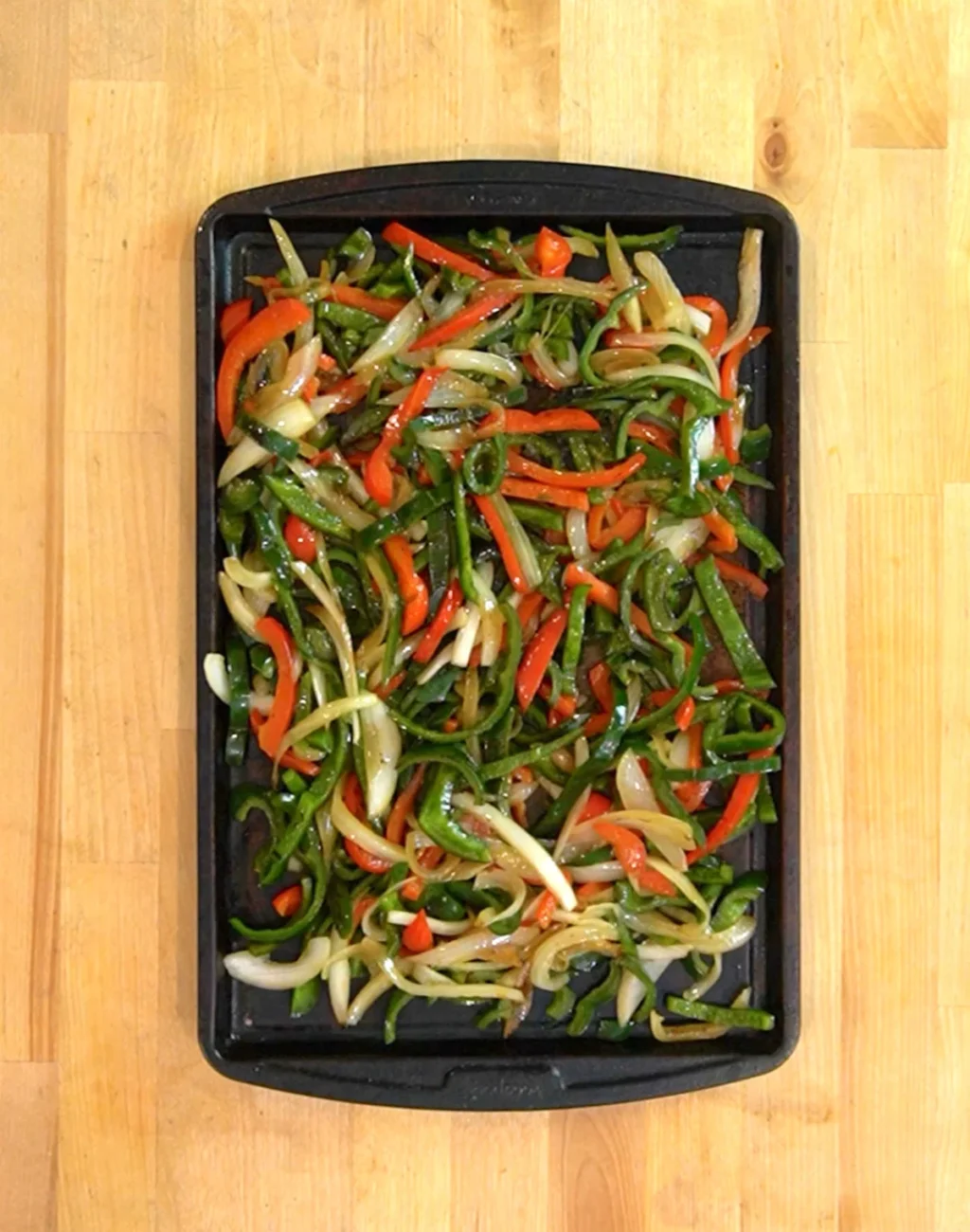
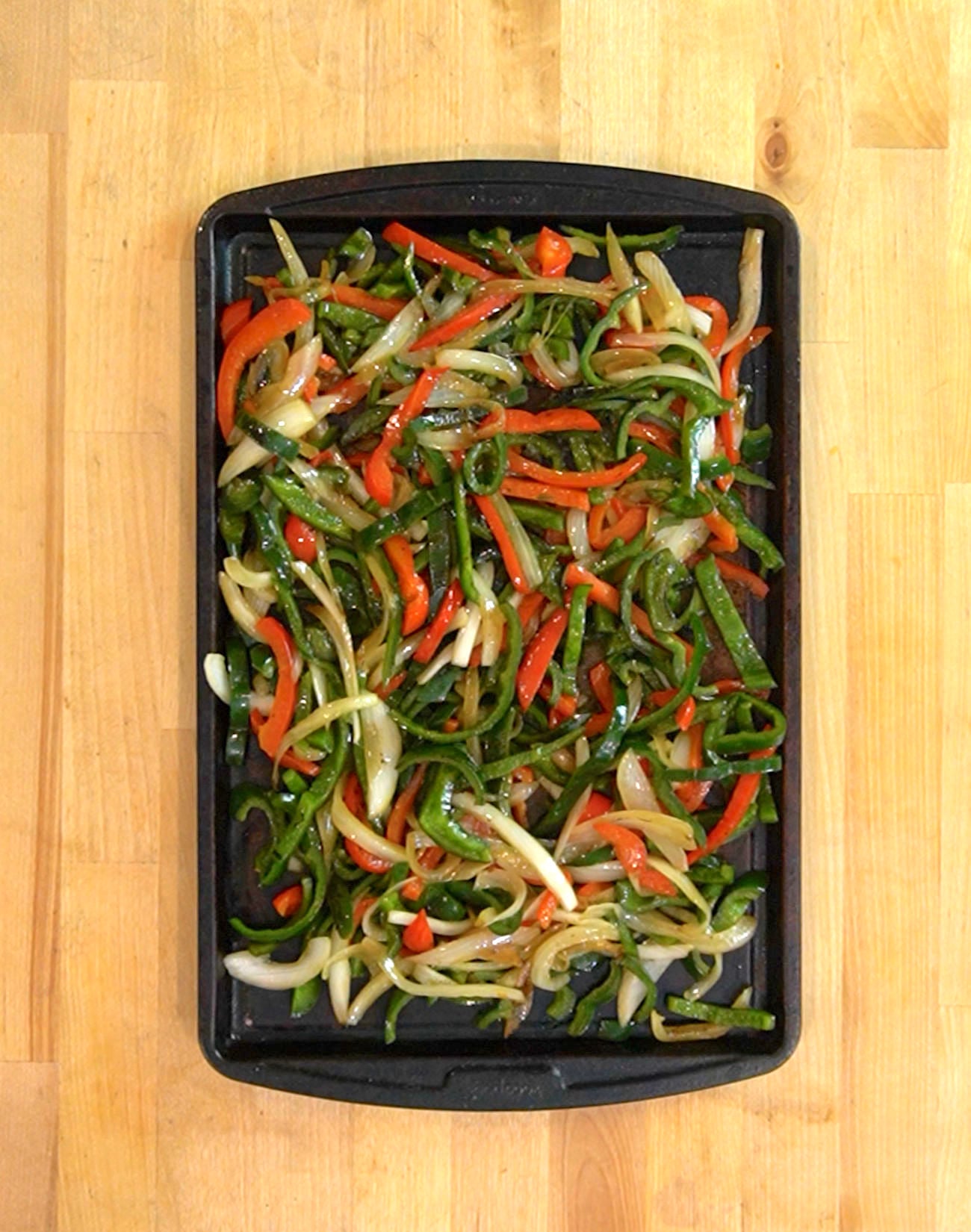
Once the vegetables have reached the desired level of tenderness, they must be removed from the heat immediately. Allowing them to sit in a hot pan can lead to carry-over cooking, which compromises the texture. Spreading the cooked mixture on a flat tray to cool rapidly before packaging is the professional technique for maintaining quality during the freezing process.
Supporting Data: The Science of Freezer-Friendly Vegetables
The transition from fresh produce to frozen inventory is a critical juncture in the meal prep process. Many home cooks fear that freezing peppers will result in a loss of quality; however, when executed with precision, the structural change is minimal.
Managing Moisture
The primary enemy of frozen vegetables is ice crystal formation, which breaks down cell walls and causes "mushiness." By ensuring the vegetables are completely cooled to room temperature before sealing them in airtight containers or vacuum-sealed bags, one minimizes the moisture trapped within the package.
The "Snack City" Concept
The "Snack City" methodology advocates for the creation of modular components. Instead of freezing a fully assembled meal (which can become stale or unappealing), the vegetables are frozen as a standalone base. When the user is ready to eat, they can pair these frozen vegetables with freshly cooked protein or grains, maintaining the freshness of the overall meal while benefiting from the convenience of a pre-prepped base.
Culinary Implications and Customization
While the standard Chipotle-style recipe focuses on the classic pepper-onion ratio, the methodology is inherently flexible.
Flavor Profiling
To elevate the base recipe, consider incorporating:
- Acidulation: A squeeze of fresh lime juice immediately after cooking adds the signature brightness associated with Mexican-inspired cuisine.
- Spice Infusion: A dusting of smoked paprika or cumin during the final two minutes of the sauté can deepen the flavor profile significantly.
- Oil Selection: Using high-smoke-point oils, such as avocado or refined coconut oil, allows for a harder sear without the risk of burning the fats.
Professional Versatility
Because these vegetables are inherently low in sodium and fat, they serve as a "blank canvas." They can be tossed into an omelet, folded into a breakfast burrito, or used as a base for a stir-fry with a soy-ginger glaze. This versatility is the hallmark of effective meal prep; it prevents "palate fatigue," a common reason why many people abandon their healthy eating goals after only a few weeks.
Official Guidelines for Food Safety and Storage
To ensure the safety and longevity of your batch-prepped vegetables, adhering to strict storage protocols is essential:
- Cooling Time: Never place steaming hot food directly into the freezer. This raises the ambient temperature of the freezer, potentially compromising other stored items, and promotes the growth of bacteria.
- Airtight Integrity: Oxygen is the primary cause of freezer burn. Use high-quality, BPA-free containers or, preferably, vacuum-seal bags to extract as much air as possible.
- Portion Control: Divide the batch into individual servings before freezing. This prevents the need to thaw the entire batch, which would necessitate re-freezing—a process that significantly degrades the quality of the vegetables.
- Shelf Life: For optimal quality, these vegetables should be consumed within three months of freezing. While they remain safe to eat for longer, the texture will begin to deteriorate after the 90-day mark.
Implications for the Modern Lifestyle
The integration of batch-prepped vegetables into one’s routine has profound implications for both physical health and mental bandwidth. By reducing the number of daily culinary decisions, individuals conserve "decision energy," which can be redirected toward work, family, or personal growth.
Furthermore, the economic impact of batch prep cannot be overstated. By purchasing bell peppers and onions in bulk when they are in season or on sale, and preserving them through the freezing process, households can drastically reduce their grocery expenditure while simultaneously minimizing food waste—an increasingly important consideration in contemporary sustainable living.
Conclusion: The Sustainable Habit
The "Chipotle style" fajita vegetable recipe serves as a bridge between the convenience of fast-food dining and the health benefits of home cooking. It is a testament to the fact that healthy eating does not require hours in the kitchen every day; rather, it requires a strategic, systems-based approach. By mastering the prep, storage, and application of this foundational vegetable blend, you are not just making a side dish—you are building a sustainable infrastructure for a healthier, more efficient lifestyle.
As you look toward your next week of meal planning, consider the "Snack City" approach. Whether you are a professional balancing a heavy workload or a parent seeking to streamline dinner preparations, the ability to reach into your freezer and pull out a perfectly seasoned, ready-to-use portion of vegetables is a small but significant victory in the pursuit of wellness.