Critical Gaps in Food Safety: USDA Scales Back Cyclospora Research Amid Historic Outbreak
As the United States grapples with the largest and most devastating Cyclospora outbreak in the nation’s history, federal oversight and research capabilities are facing unprecedented scrutiny. According to reports from POLITICO, the Trump Administration has effectively neutralized two of the three primary federal research projects dedicated to understanding the Cyclospora parasite. This dismantling of scientific infrastructure comes at a time when public health officials are struggling to contain a foodborne pathogen that has already sickened over 11,000 Americans in 2026 alone.
The loss of these research initiatives—combined with a broader, contentious reorganization of the U.S. Department of Agriculture (USDA)—has sparked alarm among food safety experts, who warn that the agency is suffering from a "brain drain" that threatens the long-term safety of the U.S. food supply.
The Current Crisis: A Statistical Snapshot
The scale of the current cyclosporiasis outbreak is unprecedented. Linked primarily to iceberg lettuce distributed by Taylor Farms/Taylor Fresh Foods, the situation has evolved into a national public health emergency.
As of August 28, 2026, the data provided by health authorities paints a harrowing picture:
- Total Cases: Over 11,000 confirmed illnesses.
- Geographic Reach: Outbreaks documented across 20 states.
- Severity: Nearly 500 hospitalizations reported.
- Mortality: Two confirmed deaths linked to the parasite.
To put these figures into perspective, the surge in 2026 represents a massive statistical deviation from previous years. The Centers for Disease Control and Prevention (CDC) recorded more than 17,000 laboratory-confirmed cases of cyclosporiasis since May 1, 2026. During the same four-month window in 2025, that number stood at a mere 1,200. This explosive growth suggests that the parasite is becoming more prevalent in the domestic supply chain, yet the federal tools designed to study, track, and mitigate the threat are being systematically dismantled.
Chronology of Institutional Erosion
The degradation of federal food safety expertise did not happen overnight. It is the result of a multi-year trend characterized by budget cuts, aggressive reorganization, and a mass exodus of veteran personnel.
The Fiscal Year 2026 Defunding
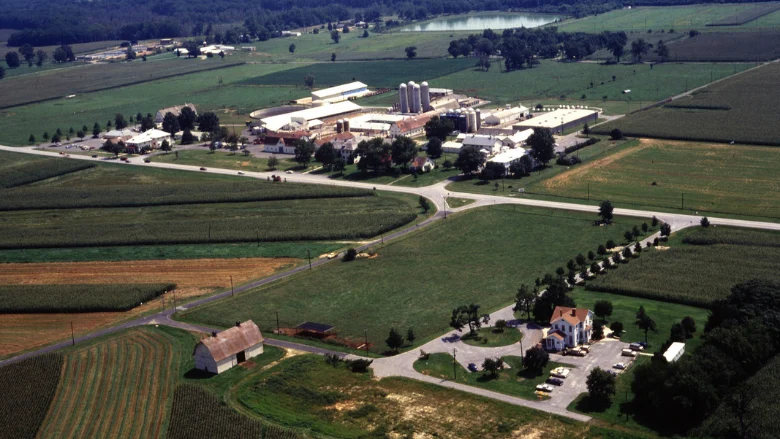
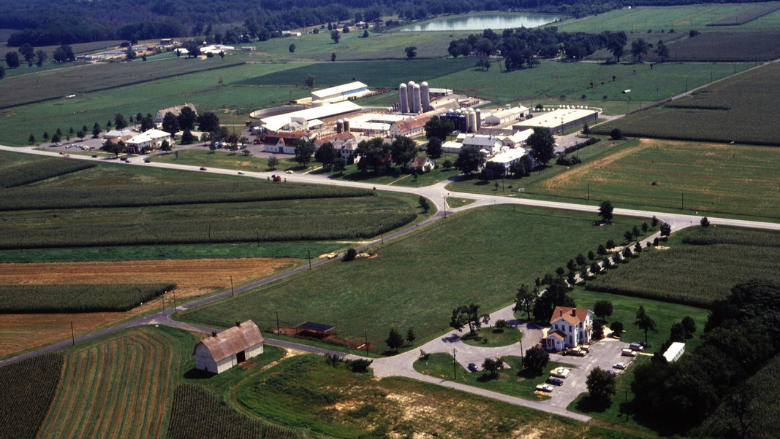
Earlier in 2026, Congress approved appropriations that directly targeted two of the three USDA research projects focused on Cyclospora. These projects, housed at the Beltsville Agricultural Research Center (BARC) in Maryland, represented the bulk of the agency’s investigative work on the parasite. While the USDA has maintained that "research will continue without disruption," whistleblowers from within the agency tell a different story.
The Great Relocation
Beyond direct budget cuts, the USDA has initiated a controversial plan to relocate essential research offices from the Washington, D.C. area to various locations in the West and Midwest. For researchers at BARC, this mandate presents an impossible choice: uproot their lives and relocate to unfamiliar regions, or resign.
History suggests the latter is more likely. Since the beginning of the Trump Administration, the USDA has experienced a staggering 18 percent decline in its total workforce. Much of this attrition is attributed to the "reduction in force" (RIF) policies and the relocation mandates that have stripped the agency of its most experienced scientists and degree-holding experts.
Implications for Public Health and Food Safety
The decision to abandon these research programs during an active, mass-casualty outbreak has been described by industry insiders as a missed opportunity of catastrophic proportions.
The "Brain Drain" Effect
When a federal agency loses a significant percentage of its staff—particularly those with institutional knowledge and specialized degrees—the impact is not merely numerical. It represents a fundamental loss of the agency’s ability to conduct longitudinal studies, manage complex supply chain inspections, and react quickly to emerging pathogens.
The loss of the BARC researchers specifically means that the government has lost its capacity to analyze new samples from the current Taylor Farms outbreak. According to anonymous sources, researchers are now restricted to merely preserving existing samples rather than conducting the active investigation that could prevent future outbreaks.
Squandering the "Enormous Opportunity"
Scientific discovery relies heavily on the ability to analyze data in real-time. By shuttering the active research projects, the USDA has effectively sidelined itself from the very outbreak it is meant to manage. An anonymous USDA employee told POLITICO that the current volume of cases would have provided "an enormous opportunity" to collect samples and genetic data that could have clarified why the parasite is spreading so aggressively in 2026. By choosing not to study these samples, the federal government has effectively blinded itself to the potential evolutionary changes in the parasite or the specific supply chain vulnerabilities that allowed it to thrive.
Official Responses and Bureaucratic Friction
The USDA’s official stance remains one of bureaucratic assurance. When questioned about the cessation of research, a spokesperson for the department emphasized that the agency is "working with research leaders to ensure an orderly transition of programs" amid the ongoing reorganization.
The agency maintains that the funding cuts were the result of Congressional appropriations decisions, distancing the executive branch from the direct responsibility for the loss of the programs. However, this defense rings hollow for those who have observed the administration’s broader strategy regarding federal agencies. By framing the cuts as "Congressional mandates" and the relocation as a "reorganization," the agency attempts to sanitize a policy shift that has effectively left the nation’s food safety net in tatters.
The Broader Context: A Weakened Safety Net
The crisis at the USDA is not an isolated event. It is part of a larger pattern of federal deregulation and the shrinking of administrative state capacity. In the field of food safety, this has profound consequences.
- Reduced Inspections: With fewer veteran staffers, the frequency and quality of inspections at high-risk facilities—such as the Taylor Farms facilities in Mexico—are inevitably compromised.
- Delayed Response Times: As seen with the Cyclospora spike, when research infrastructure is underfunded, it takes longer to identify the source of contamination, leading to a higher volume of preventable illnesses.
- Long-term Vulnerability: Without active research, the U.S. is unprepared for future variants of parasites or new foodborne threats that may emerge as climate patterns and agricultural practices continue to shift.
Conclusion: The Cost of Inaction
The situation surrounding the 2026 Cyclospora outbreak serves as a cautionary tale about the importance of specialized federal research. While political debates often focus on budgetary "efficiencies" and the relocation of agency headquarters, the real-world costs are measured in hospitalizations, lost wages, and, in the most tragic cases, human lives.
As the death toll from the Taylor Farms-linked outbreak continues to rise, the question for policymakers is whether the "savings" gained from defunding scientific research are worth the price of a compromised food supply. With thousands of Americans still falling ill and the federal research infrastructure in a state of flux, the nation remains precariously positioned, waiting to see if the next foodborne crisis will be met with rigorous scientific intervention or continued bureaucratic paralysis.
The "brain drain" within the USDA is no longer a hypothetical risk; it is a current reality. If the administration does not reverse its course on research funding and prioritize the retention of scientific expertise, the public may continue to pay the price for a government that has forgotten how to protect its citizens from the most basic of threats.