The Art of the Reduction: Elevating Autumn Flavors with Homemade Pumpkin Butter
As the crisp air of autumn settles in, the culinary world turns its collective attention toward the quintessential flavor of the season: pumpkin. While store-bought pumpkin purees have long been the foundation for seasonal baking, a more sophisticated, flavor-forward alternative is gaining traction among home gourmets and professional bakers alike. Pumpkin butter—a concentrated, richly spiced spread—is redefining how we incorporate this versatile squash into our kitchens. By transforming standard puree through a careful, slow-cooking reduction process, home cooks can achieve a depth of flavor and a versatility that standard canned ingredients simply cannot match.
Main Facts: The Science of Concentration
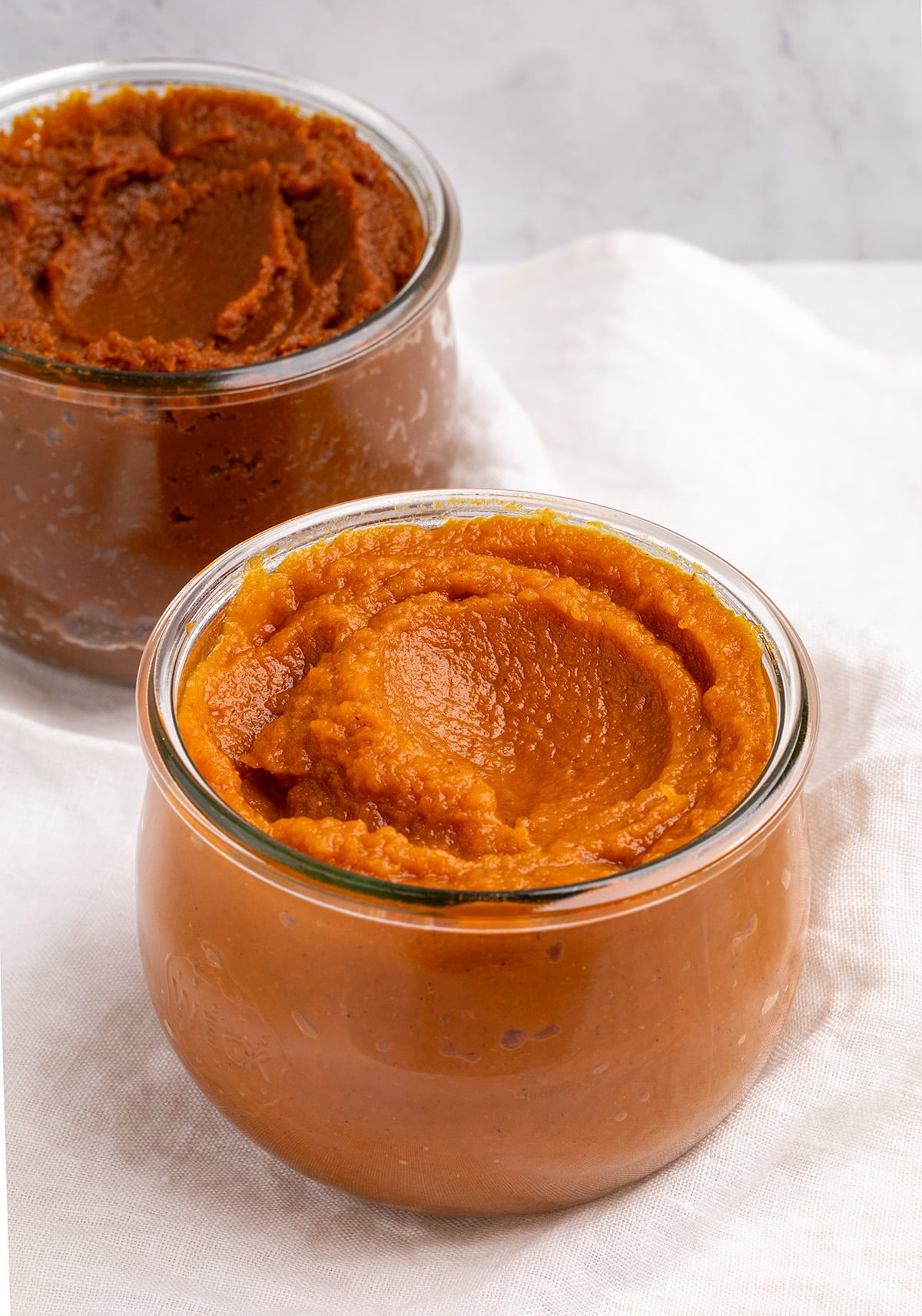
At its core, pumpkin butter is a reduction. Unlike standard pumpkin puree, which contains a high percentage of water, pumpkin butter is cooked down with aromatic spices, sweeteners, and acidic elements like apple cider or juice. This process achieves two critical objectives: flavor intensification and moisture control.
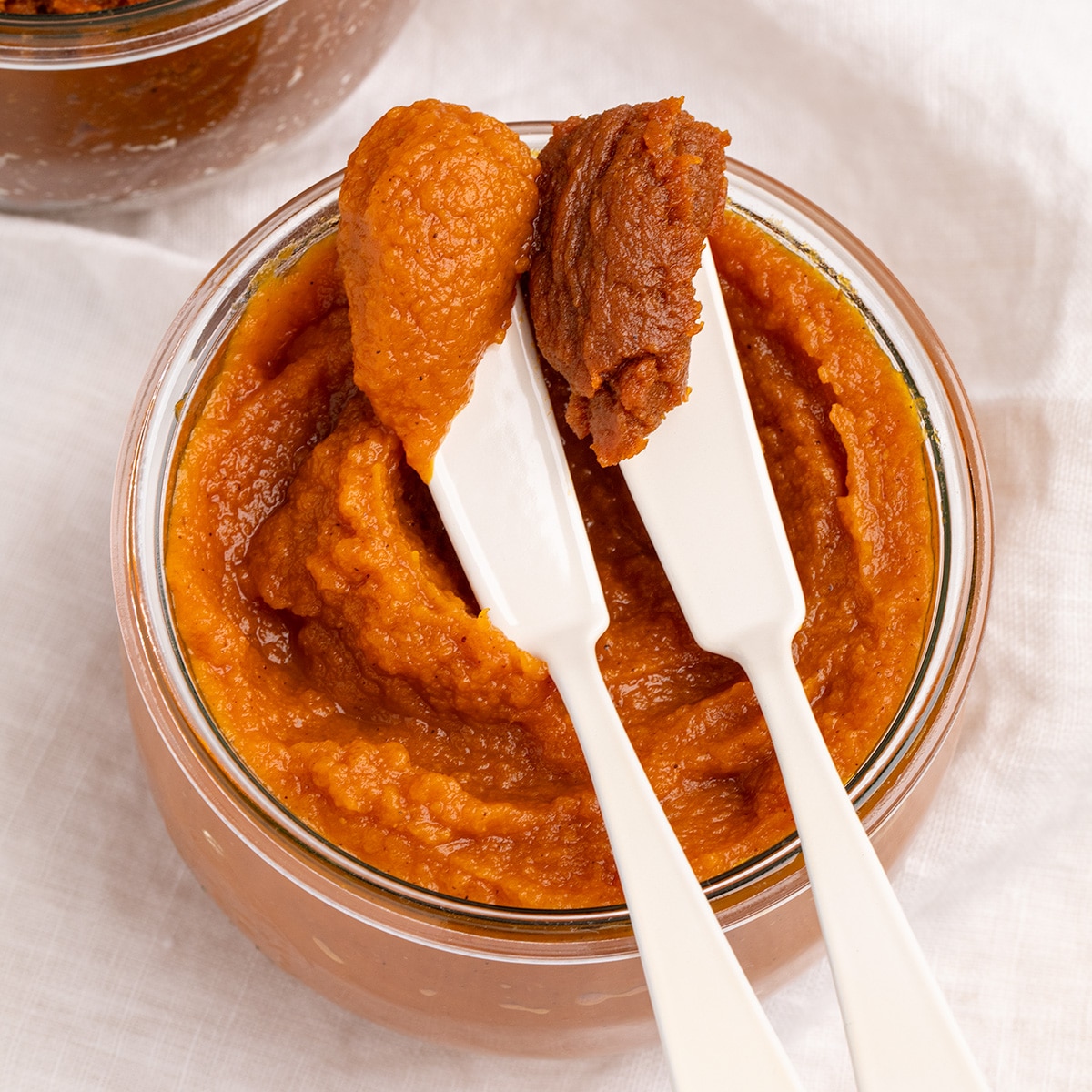
When pumpkin puree is simmered, the excess water evaporates. As the mixture thickens, the natural sugars and earthy notes of the squash become significantly more pronounced. The addition of maple syrup or brown sugar enhances these notes, while warm spices—typically a blend of cinnamon, ginger, cloves, allspice, and nutmeg—provide the characteristic "pumpkin pie" aroma.
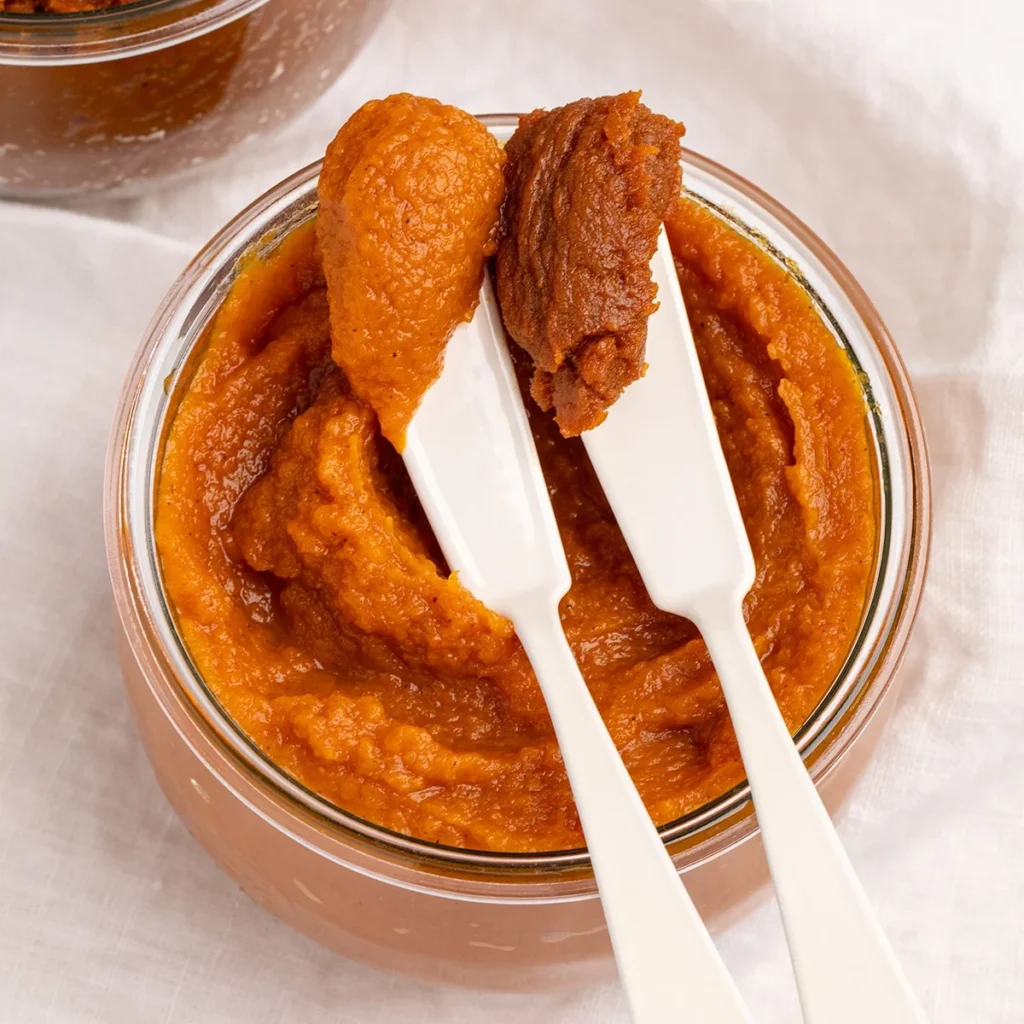
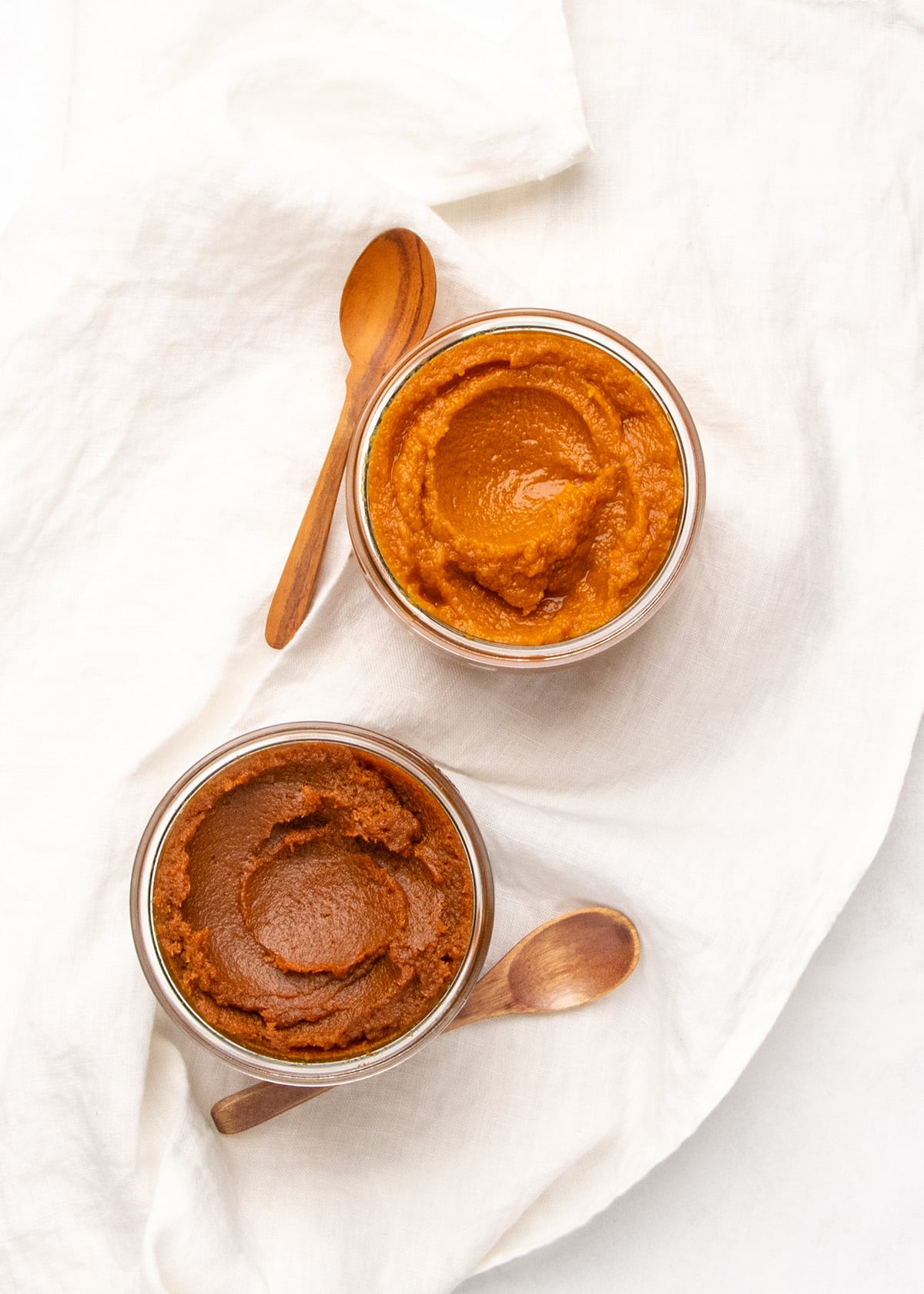
The resulting product serves a dual purpose in the kitchen. For breakfast, a shorter cooking time yields a smooth, spreadable condiment perfect for pancakes, toast, or yogurt. For the baker, however, the "hard reduction"—cooking the mixture until it is a dark, paste-like consistency—becomes an essential secret weapon. By removing the excess moisture, bakers can introduce massive amounts of pumpkin flavor into recipes like scones, cinnamon rolls, and cornbread without compromising the structural integrity of the final product or creating a soggy, "cakey" texture.
Chronology: The Evolution of the Recipe
The process of creating this staple is a testament to the benefits of patience in the kitchen. The transformation occurs in distinct stages, each requiring attention to detail:
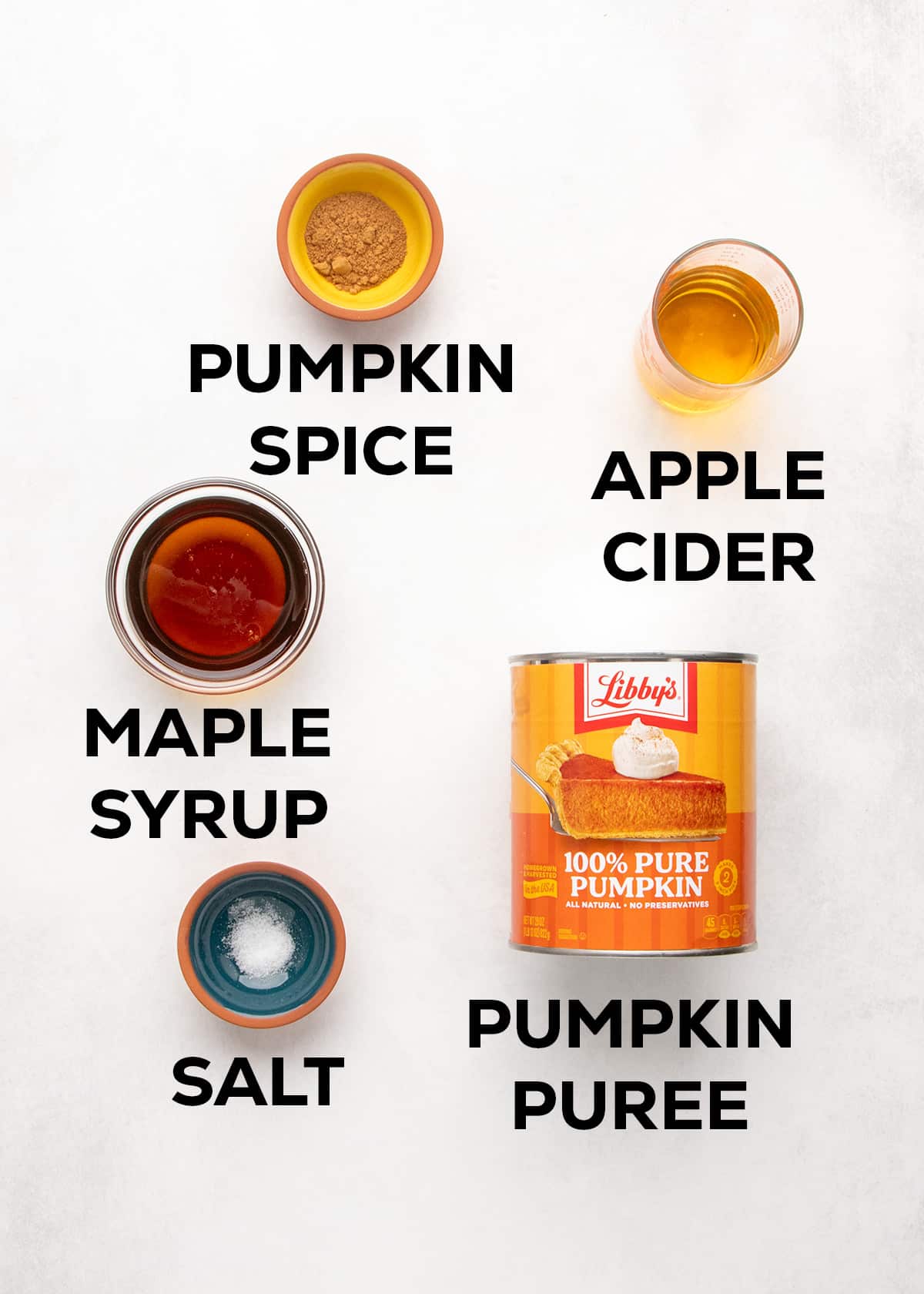
- The Initial Blend: The process begins by combining pumpkin puree, maple syrup, apple cider, and spices in a heavy-bottomed pot. This stage is about homogenization; stirring thoroughly ensures that the spices are distributed evenly, preventing "hot spots" of intense flavor.
- The First Reduction: Over medium-low heat, the mixture is simmered for approximately 15 minutes. This is the stage where the bulk of the initial water content is released. Because the mixture can bubble and spurt as it thickens, safety and frequent stirring are paramount.
- Sweetness Calibration: At the halfway mark, brown sugar is often introduced. Adding the sugar during the latter half of the cooking process is a deliberate technique to prevent burning, as the sugars caramelize quickly once the moisture content drops.
- The Decision Point: This is the most crucial step in the process. The cook must decide the intended application. For a spreadable butter, the process stops while the mixture still retains a slight sheen and suppleness. For baking, the reduction continues, often for another 10 to 15 minutes, until the mixture darkens to a deep orange-brown and loses all visible signs of free moisture.
Supporting Data: Why "More" isn’t Always Better
Professional culinary analysis suggests that the primary failure point in many pumpkin-based baked goods is the "moisture-to-flavor ratio." Pureed pumpkin is approximately 90% water. When a recipe calls for more than a small amount of puree, the excess moisture can interfere with the rise of leavening agents and the crispness of pastries.
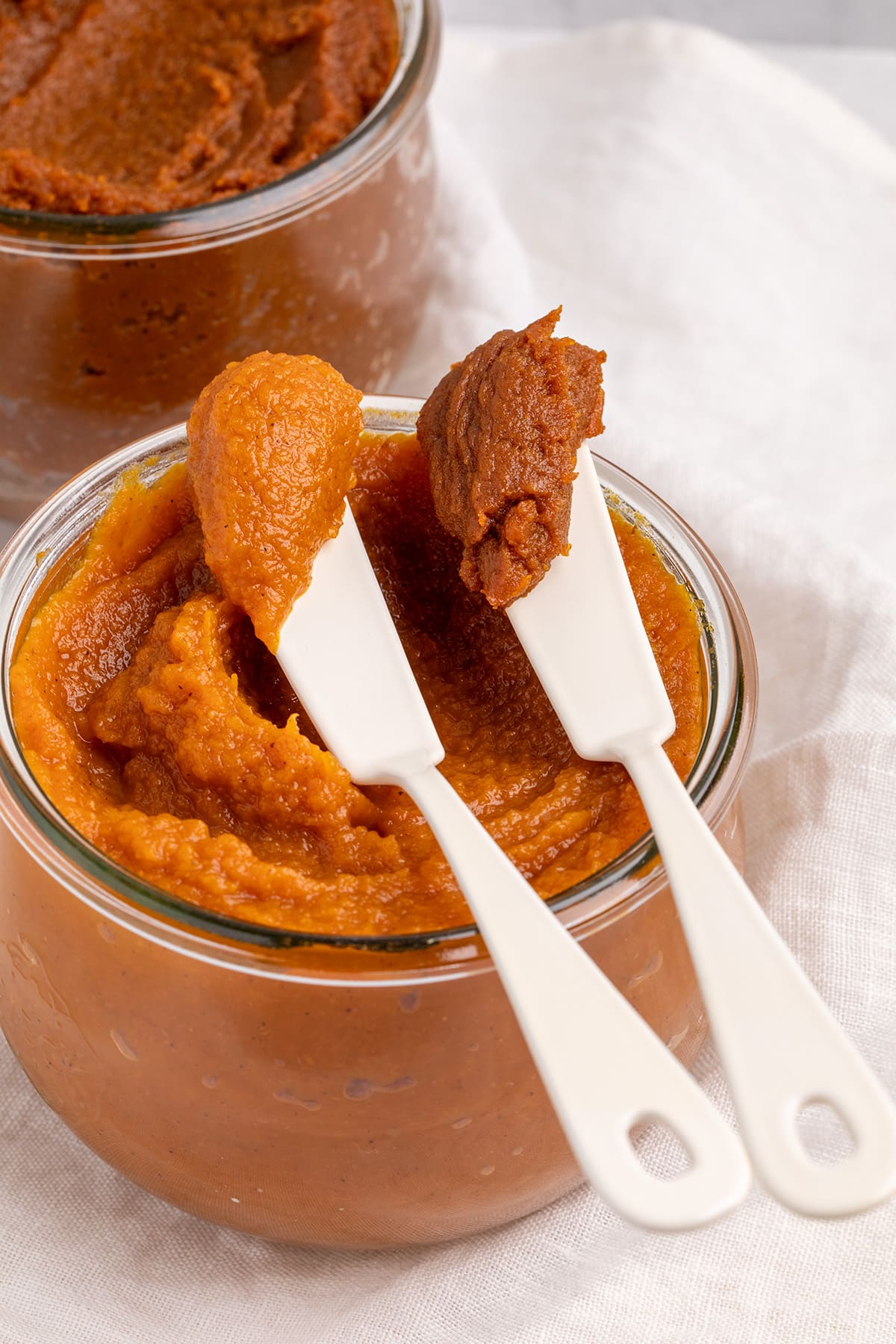
Pumpkin butter bypasses this. By weight, pumpkin butter contains roughly 40-50% less moisture than raw puree, yet retains 100% of the fiber and solid squash content. When integrated into a recipe, it acts as a flavor concentrate. For instance, in a gluten-free scone recipe, replacing a portion of the liquid/puree with an equal weight of reduced pumpkin butter results in a pastry that maintains a delicate, crumbly texture rather than a heavy, steamed one.
Furthermore, the addition of apple cider or pineapple juice during the reduction phase adds a subtle, complex acidity that cuts through the starchiness of the pumpkin, providing a more balanced palate.
Official Perspectives on Quality and Sourcing
While commercial pumpkin butter is available through specialty markets—with brands like Stonewall Kitchen and Green Jay Gourmet frequently cited for their quality—there is an increasing movement toward "scratch-made" production.
Culinary experts note that starting with a whole sugar pumpkin, rather than a canned product, offers the best results for those who have the time. Small sugar pumpkins (or "pie pumpkins") possess a denser flesh and higher sugar content than the larger carving pumpkins. When roasted and pureed, these provide a superior base for reduction.
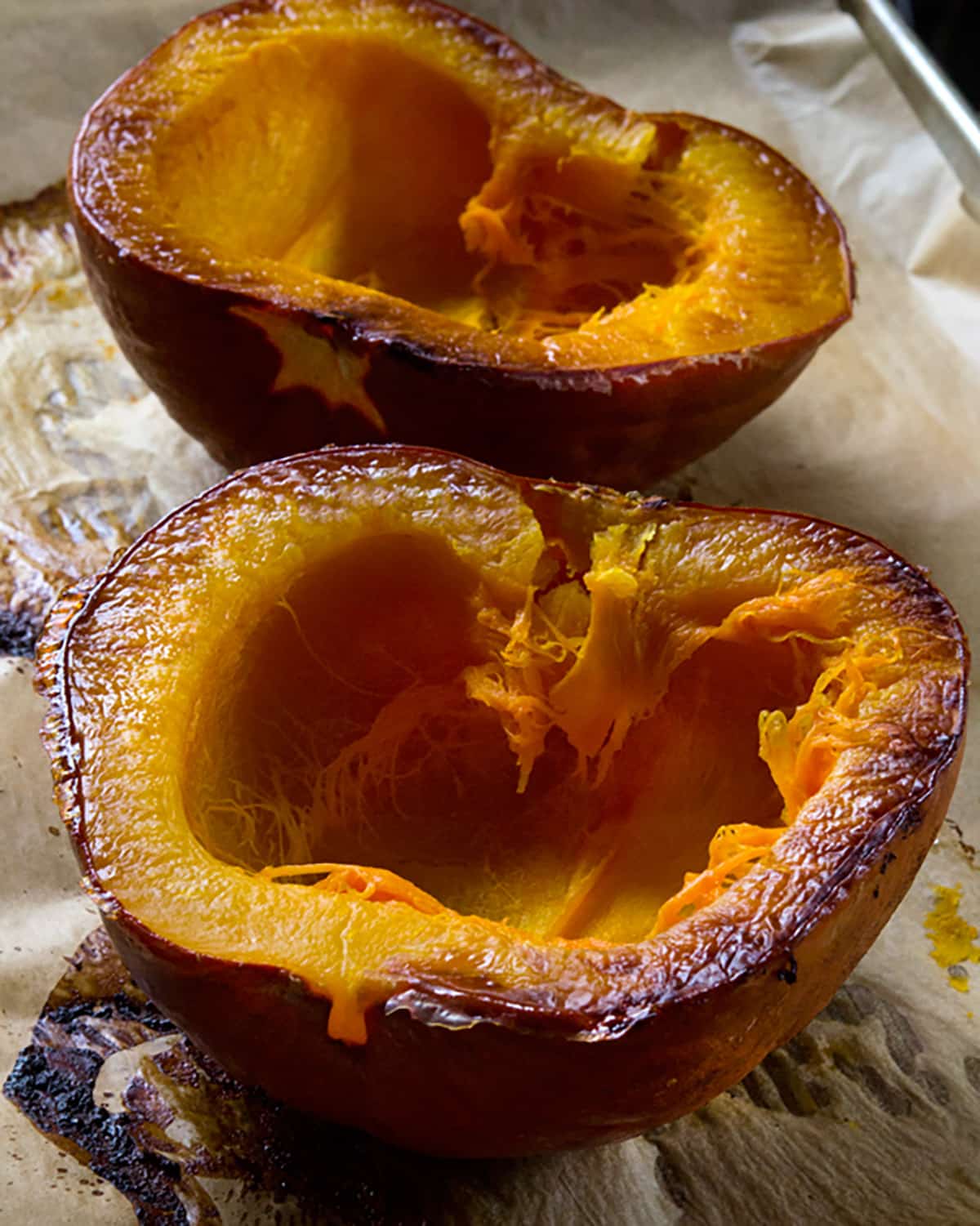
However, for those using canned, the quality of the squash matters. Most commercial purees are actually a blend of winter squashes, such as butternut or kabocha. While this is acceptable for most applications, those seeking a truly superior flavor profile should look for single-source pumpkin purees, which often offer a more nuanced, floral sweetness.
Implications: Usage, Storage, and Safety
The shift toward using pumpkin butter has significant implications for both home breakfast service and professional-grade baking.
Culinary Applications
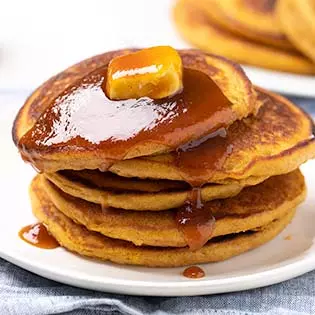
- Breakfast: It serves as a superior alternative to jams. Its savory-sweet profile pairs exceptionally well with nut butters on toast or as a topping for steel-cut oats.
- Baking: Its usage is transformative in yeast-based doughs. Because it is lower in moisture, it does not "weaken" the gluten network (or the structural integrity of gluten-free flour blends), allowing for fluffier cinnamon rolls and sturdier cookies.
Storage and Safety Guidelines
A critical component of this culinary practice is the understanding of food safety. There is a common misconception that because it is a "butter" or "preserve," it can be canned in a water bath for shelf stability. This is factually incorrect.
Because pumpkin is a low-acid vegetable, it cannot be safely canned at home without specialized, high-pressure equipment. Even then, the density of pumpkin butter makes uniform heat distribution difficult, posing a risk of botulism. Consequently, the industry consensus is to store pumpkin butter in airtight glass containers in the refrigerator, where it will remain fresh for up to two weeks. For long-term preservation, the most effective method is freezing. Freezing the butter in ice cube trays allows for the extraction of exact, pre-measured portions (e.g., 1-ounce cubes), making it incredibly convenient for future baking projects.
The "Spice Profile"
The versatility of the recipe also lies in the spice blend. While the standard is a "pumpkin pie" mix, modern variations are experimenting with the addition of smoked paprika or a touch of cayenne pepper for a savory twist, or using cardamom and star anise for a more exotic, aromatic experience.
Conclusion: A Seasonal Staple
The rise of the homemade pumpkin butter trend reflects a broader shift toward "informed home cooking." It is not merely about following a recipe, but about understanding the chemical and physical properties of the ingredients. By learning how to properly reduce pumpkin, the home cook moves beyond the limitations of the can and into the realm of true culinary creation. Whether used as a simple morning spread or as a structural element in a complex gluten-free pastry, the pumpkin butter reduction is, without question, the most effective way to capture the essence of the harvest.

As we look toward the cooler months, the investment of thirty minutes of stovetop time is a small price to pay for a pantry staple that elevates every autumn dish it touches. The result is a richer, more vibrant, and undeniably more flavorful experience of the season’s most iconic ingredient.