Strengthening the Cold Chain: USDA-FSIS Announces National Expansion of Listeria Environmental Sampling
In a decisive move to bolster the safety of the American food supply, the U.S. Department of Agriculture’s Food Safety and Inspection Service (USDA-FSIS) has officially announced a nationwide expansion of its environmental Listeria sampling program for ready-to-eat (RTE) establishments. This initiative, which follows a successful fiscal year 2026 pilot program, marks a significant shift in how federal regulators monitor the hygiene and sanitation protocols of meat and poultry processors. By integrating environmental surface swabbing into routine inspections, the agency aims to move beyond product-focused testing to identify potential pathogen harborage sites before they can contaminate the food supply.
The national rollout is scheduled to commence in January 2027, signaling the culmination of a multi-year effort to modernize food safety oversight in the wake of high-profile outbreaks that exposed systemic vulnerabilities within the industry.
The Mechanics of the New Sampling Protocol
Under the new regulatory framework, FSIS inspectors will fundamentally change the scope of their site visits at RTE facilities. When conducting routine product sampling—already documented within the Public Health Information System (PHIS) as RTEPROD—inspectors will now also collect two swabs from food-contact surfaces and two from non-food-contact surfaces.
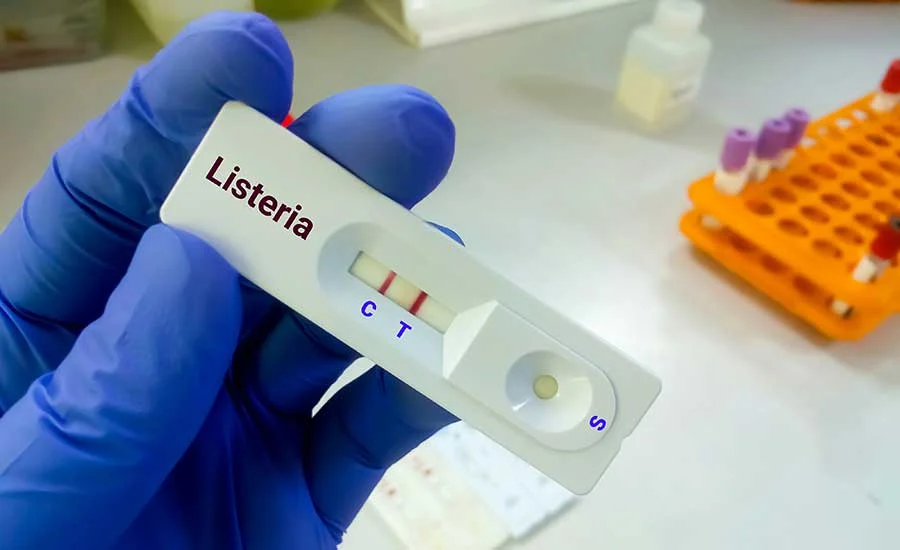
These samples will be analyzed for both Listeria monocytogenes (L. monocytogenes), the primary pathogen responsible for listeriosis, and non-L. monocytogenes Listeria species. The inclusion of non-pathogenic Listeria species is a strategic decision; their presence often serves as a "canary in the coal mine," indicating that sanitation procedures may be failing and that the environment is conducive to the growth of more dangerous pathogens.
Crucially, the agency emphasizes that this program is designed for efficiency. By nesting these environmental swabs within existing sampling tasks, the FSIS can gather high-value data regarding the state of processing lines without necessitating the "holding" of product shipments. This approach provides a clearer, real-time snapshot of facility hygiene without causing undue disruption to the supply chain.
A Chronology of Regulatory Reform
The genesis of this national program can be traced back to the catastrophic listeriosis outbreak of 2024, which was linked to deli meats produced by Boar’s Head. The subsequent investigation into the company’s Jarratt, Virginia, facility revealed a grim reality: years of unresolved sanitation and hygiene noncompliances had been documented by inspectors, yet the facility remained operational until the outbreak triggered a public health crisis.
The 2024 Turning Point
Following the Boar’s Head incident, the FSIS conducted a rigorous internal review of its Listeria Rule and existing inspection procedures. The review concluded that the agency’s reliance on reactive, product-only testing was insufficient to catch deep-seated, persistent contamination in plant infrastructure.
December 2024: The Immediate Response
In December 2024, the USDA announced a suite of immediate regulatory changes. These included:
- Broader Species Testing: Mandating that all Listeria testing encompass a wider range of species, rather than focusing solely on L. monocytogenes.
- Enhanced Training: Equipping inspectors with specialized tools to identify chronic harborage sites.
- Risk-Based Assessments: Conducting deeper food safety assessments at RTE facilities with histories of sanitation issues.
- Continuous Verification: Implementing a system of regular verification for L. monocytogenes risk factors.
The 2026 Pilot Program
To test the feasibility of adding environmental swabs to the inspector’s workload, the FSIS launched a pilot program in three specific districts: Alameda, California; Chicago, Illinois; and Raleigh, North Carolina. The data collected during this pilot phase provided the empirical foundation for the national expansion, demonstrating that the process was both manageable for field staff and highly effective at identifying previously undetected sanitation gaps.
Supporting Data and Technical Methodology
The efficacy of the new program relies on established microbiological testing standards. The FSIS has confirmed that the national rollout will utilize the same swabbing procedures, laboratory analysis methods, and reporting workflows currently employed in the Routine L. monocytogenes (RLm) and the more rigorous Intensified Verification Testing (IVT) programs.
Why Environmental Swabbing Matters
Listeria monocytogenes is notoriously difficult to eradicate in a processing environment. It is known for its ability to form biofilms—slimy, protective layers that shield bacteria from standard sanitizers—on surfaces such as slicers, drain covers, floor cracks, and refrigeration units.
By testing non-food-contact surfaces, the FSIS is focusing on "harborage sites." If a non-food-contact area (like a drain or a wall panel) consistently tests positive for Listeria, it is only a matter of time before that bacteria is cross-contaminated onto food-contact surfaces and, eventually, into the final product. This "proactive vs. reactive" approach is designed to force facilities to sanitize their entire environment, not just the machinery that touches the meat.
Laboratory Upgrades
To support this national effort, the FSIS has updated its laboratory methodology to ensure that the detection of non-L. monocytogenes species is handled with the same precision as the detection of the pathogen itself. This technical alignment ensures that all nine FSIS districts will be operating on a unified standard, eliminating regional disparities in enforcement.
Official Responses and Industry Stakeholder Engagement
The FSIS has emphasized that this new testing regime is not intended to replace the internal testing programs that establishments are already required to maintain. Instead, it serves as a federal "safety net." The agency has expressed a commitment to transparency throughout the transition period, announcing that it will hold a series of listening sessions with industry stakeholders and representatives from the regulated establishments.
"The goal is collaboration, not confrontation," said a spokesperson for the agency during the initial announcement. By engaging with industry leaders, the FSIS hopes to clarify expectations and provide guidance on how facilities can best prepare for the January 2027 launch. These sessions will address concerns regarding compliance costs, testing frequency, and the logistical challenges of integrating these tasks into daily plant operations.
Implications for the Food Industry
The transition to a mandatory, national environmental sampling program carries significant weight for the RTE industry.
Operational Adjustments
Facilities will need to review their current sanitation Standard Operating Procedures (SOPs). With inspectors looking at both food-contact and non-food-contact surfaces, there will be nowhere to hide for firms that have been neglecting the "hard-to-clean" areas of their plants. Plant managers should anticipate more frequent "non-compliance records" (NRs) if their internal sanitation audits do not align with the federal findings.
A New Era of Accountability
For consumers, this move represents a long-awaited increase in federal oversight. The Boar’s Head outbreak made it clear that the public expects the USDA to act before, not after, a person falls ill. The move to incorporate environmental swabs is a clear indication that the FSIS is shifting toward a "zero-tolerance" philosophy regarding the presence of Listeria in the processing environment.
Future Outlook
As the FSIS moves toward the January 2027 implementation date, the phased rollout will serve as a final stress test for the program. By rotating the pilot districts into the implementation phases, the agency ensures that experienced personnel are on hand to mentor those in other districts.
The success of this initiative will ultimately be measured by the reduction of Listeria incidents in the years to come. By forcing the industry to confront the invisible threats lurking in their facility infrastructure, the USDA is taking a monumental step toward ensuring that "ready-to-eat" truly means ready for consumption, without the risk of life-threatening infection.
For now, the industry has been put on notice: the standards for sanitation are rising, and the federal government’s eyes are now firmly focused on the environments where the nation’s food is prepared.