Controversial Meat Guidelines Spark Outcry Amidst Industry Ties and Contradictory Findings
A groundbreaking study published in the prestigious Annals of Internal Medicine ignited a firestorm of controversy in the public health community, issuing a recommendation that directly contradicted decades of established nutritional advice: continue current levels of red and processed meat consumption. This astonishing conclusion, delivered by a panel with documented ties to the meat industry, emerged despite the panel’s own meta-analyses revealing significant health risks associated with meat intake, including increased risks of cancer, heart disease, diabetes, and premature death. Critics swiftly condemned the guidelines as "anti-science," raising serious questions about methodological integrity, ethical responsibility, and the pervasive influence of industry funding on public health messaging.
Main Facts
At the heart of the uproar were a series of papers released in September 2019 by the NutriRECS consortium, a self-appointed panel of researchers. Their meta-analyses, published in the Annals of Internal Medicine, ostensibly aimed to provide updated dietary guidelines on red and processed meats. However, the resulting recommendations — to "continue current unprocessed red meat consumption" and "continue current processed meat consumption" — flew in the face of warnings from virtually every major health organization worldwide.
The controversy was compounded by a damning revelation: the meat industry’s own internal studies had long ago reached conclusions aligning with conventional wisdom, indicating that meat consumption increased the risk of several chronic diseases and premature death. This stark contrast immediately positioned the NutriRECS guidelines as an outlier, prompting intense scrutiny of their methodology and potential conflicts of interest.
The NutriRECS panel, which claimed to prioritize "patient preferences" in its recommendations, based its analysis on the controversial Grading of Recommendations Assessment, Development, and Evaluation (GRADE) criteria. While GRADE is a robust tool for evaluating evidence in drug trials, its application to complex dietary and lifestyle factors was immediately flagged by experts as inappropriate and inherently biased towards downgrading observational evidence. Critics argued that such a strict application of GRADE would render almost all current public health advice on diet, lifestyle, and environmental factors as "low" or "very low" quality, effectively dismantling a vast body of scientific understanding.
Despite this stringent filtering, the NutriRECS panel’s own data still identified an undeniable association between meat intake and elevated health risks. Their analyses indicated that reducing red and processed meat consumption could significantly decrease the risks of premature death, cardiometabolic disease, and various cancers. Yet, these findings were dismissed in favor of a recommendation that appeared to prioritize consumer enjoyment over documented health outcomes. This apparent disconnect between evidence and advice became the central point of contention, fueling widespread skepticism and accusations of scientific malpractice.
Chronology of Controversy
The debate surrounding the health impacts of meat consumption is not new. For decades, major health organizations like the World Health Organization (WHO), the American Heart Association, and the American Cancer Society have consistently advised limiting red and processed meat intake due to their links to various chronic diseases. The scientific consensus has largely pointed towards a prudent reduction for optimal health outcomes.
However, the stage for the 2019 controversy began to be set earlier with the emergence of the NutriRECS consortium. This international group of researchers positioned itself as a provider of "nutritional guideline recommendations based on the preferences of patients," aiming to apply rigorous, systematic review methodologies to dietary advice. While their stated goal of evidence-based guidelines seemed laudable, questions about their funding and methodological approach would soon come to the forefront. Notably, the panel had previously garnered attention for a paper criticizing sugar guidelines, which was later revealed to have received funding from the soda and candy industries – a precursor to the conflict of interest concerns that would plague their meat guidelines.
In September 2019, the Annals of Internal Medicine, a highly respected peer-reviewed journal, published the series of NutriRECS papers. Accompanying these publications was a press release boldly stating, "No need to reduce red or processed meat consumption for good health." This direct challenge to established public health wisdom immediately sent shockwaves through the scientific and medical communities.
The backlash was swift and severe. Within days, prominent nutritionists, public health advocates, and medical professionals worldwide began to voice their alarm. Organizations like the Harvard T.H. Chan School of Public Health, the American Heart Association, and the American Cancer Society issued strong rebuttals, emphasizing the overwhelming body of evidence supporting reduced meat consumption. Dr. David Katz, director of Yale’s Prevention Research Center, famously characterized the guidelines as "anti-science," arguing that they opposed the very data they purported to be based upon. The rapid response highlighted the deep chasm that had opened between the NutriRECS panel’s findings and the broader scientific consensus.
Supporting Data: The Paradox of Evidence and Recommendation
The core of the controversy lies in the stark disconnect between the NutriRECS panel’s own analytical findings and their ultimate dietary recommendations. Even with a methodology that critics argued was designed to downplay evidence, the data still painted a clear picture of risk.
The Panel’s Own Damning Evidence
Despite applying stringent filtering criteria, the NutriRECS meta-analyses could not entirely dismiss the adverse health associations with red and processed meat. Their own comprehensive reviews found that:
- Increased Cancer Risk: There was a clear association between higher meat intake and an increased risk of cancer.
- Cardiometabolic Disease and Mortality: Following diets lower in red or processed meat consumption was associated with decreased risks for cardiometabolic disease and mortality, encompassing conditions like heart disease and type 2 diabetes.
- Premature Death: The studies also linked higher meat consumption to an increased risk of premature death from various causes.
Crucially, the panel’s own data demonstrated the potential benefits of reducing meat intake. A moderate reduction in red and processed meat consumption, they found, could lead to:
- A 13% reduction in total mortality.
- A 14% reduction in heart disease mortality.
- An 11% reduction in cancer mortality.
- A 24% reduction in type 2 diabetes risk.
These are not insignificant figures; they represent substantial public health gains that could be achieved through dietary modifications. The fact that such findings were reported within the same papers that concluded "no need to reduce" consumption left many experts bewildered and outraged.
Methodological Flaws: The GRADE Criteria Debate
A significant point of contention revolved around the NutriRECS panel’s controversial application of the GRADE (Grading of Recommendations Assessment, Development, and Evaluation) criteria. GRADE is a widely respected system, but its primary utility lies in evaluating evidence from randomized controlled trials (RCTs), particularly in pharmacological research. For drug trials, the ability to conduct double-blind, placebo-controlled RCTs allows for high-quality evidence generation.
However, applying the same rigid criteria to dietary and lifestyle interventions presents unique challenges. It is often ethically and practically impossible to conduct long-term, double-blind RCTs for diet. You cannot, for example, blind participants to whether they are eating meat or a plant-based diet for decades, nor can you ethically randomize people to a diet known to cause harm. Consequently, much of the robust evidence for dietary factors comes from large, prospective cohort studies and observational research, which track populations over long periods and adjust for confounding variables.
Critics argued that the "strictness of these criteria will probably cause evidence for just about every dietary, lifestyle, and environmental factor related to chronic disease to be graded as ‘low’ or ‘very low.’" To illustrate this point, experts highlighted that if GRADE criteria were applied to other universally accepted public health recommendations, such as:
- Low consumption of fruits and vegetables
- High consumption of sugar-sweetened beverages
- Alcohol consumption
- Physical inactivity
- Safe sex practices
- Inadequate sleep
- Passive smoking
- Air pollution
None of the current recommendations on these crucial issues would be supported by "high- or even moderate-quality evidence" according to this narrow interpretation of GRADE. This effectively means that by NutriRECS’s own methodological standards, much of what we know about promoting health and preventing disease would be dismissed, creating a dangerous precedent that could unravel decades of public health progress.
The "Taste Cost" Justification: Prioritizing Pleasure Over Health
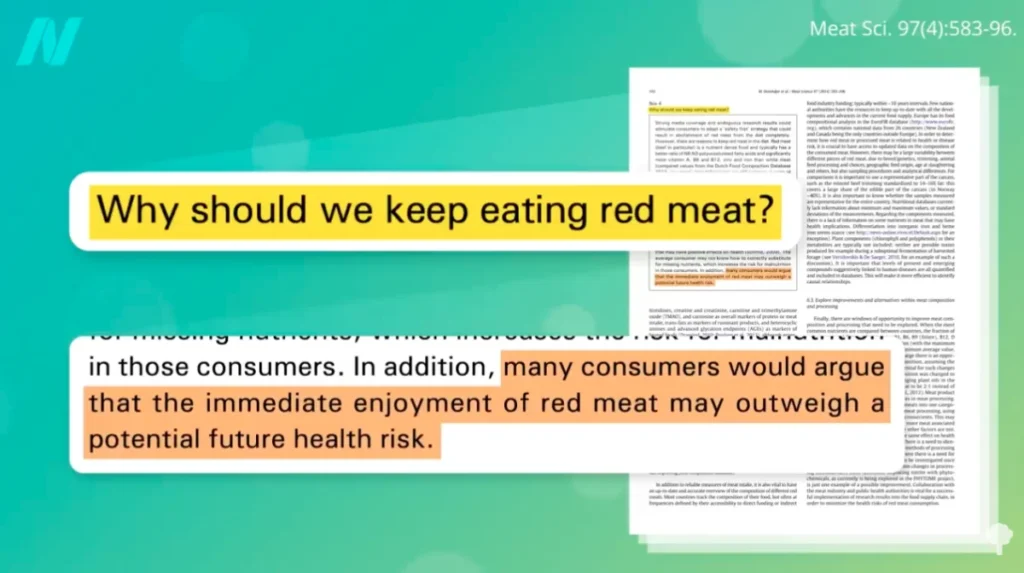
Perhaps the most ethically troubling aspect of the NutriRECS recommendations was their explicit justification for dismissing significant health risks: "patient preferences." The panel conducted a systematic review of preferences regarding meat consumption and concluded, quite unremarkably, that "omnivores enjoy eating meat" and are "generally unwilling to change their meat consumption," even in response to health concerns.
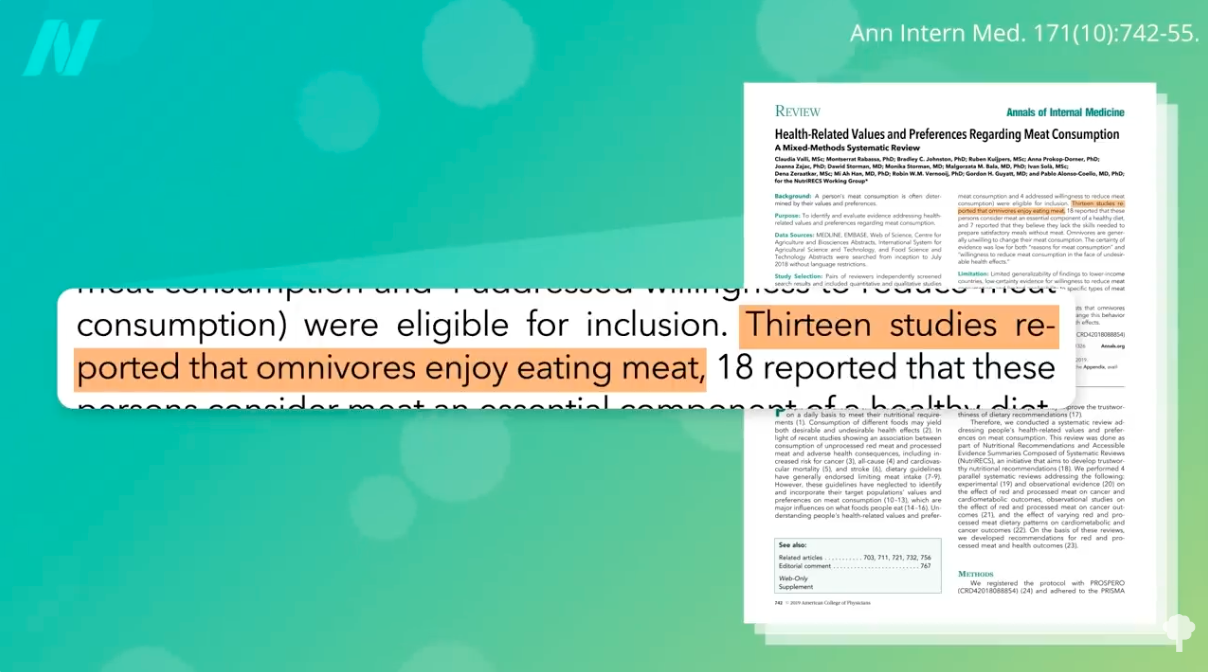
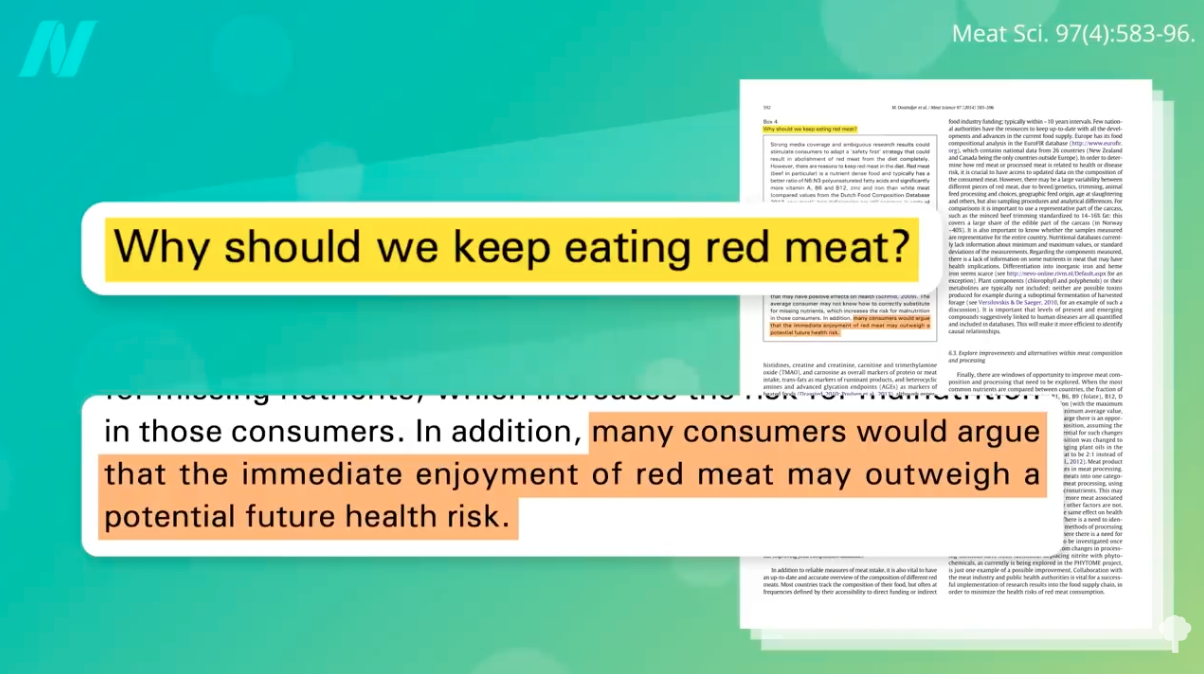
Based on this insight, the panel believed that for the majority of people, the desirable effects associated with reducing meat consumption – like lowering the risk of "family-devastating cancer and heart attacks" – "probably do not outweigh the undesirable effects," such as the perceived loss of "yummy meat." This rationale, prioritizing "immediate enjoyment" and "taste cost" over profound, life-altering health benefits, drew intense condemnation.
Critics likened this logic to advocating for continued smoking because people enjoy it, or forgoing motorcycle helmets because some prefer "the feeling of the wind in their hair." Dr. David Katz articulated this absurdity: "We know [motorcycle] helmets can save lives, but some people still prefer the feeling of the wind in their hair. So, does that mean we should just tell people not to wear helmets?" The suggestion that scientific guidelines should bend to consumer preferences, rather than inform and guide them towards healthier choices, was seen as a dangerous abdication of public health responsibility.
The underlying implication was that if science told us eating butter was unhealthy, its taste would justify its continued use. This framework, if universally applied, would fundamentally undermine the purpose of public health guidelines, transforming them from objective, evidence-based directives into subjective endorsements of popular habits, regardless of their consequences.
Official Responses and Rebuttals
The publication of the NutriRECS guidelines triggered a robust and largely negative response from the global public health community.
NutriRECS’ Defense and the Annals of Internal Medicine‘s Stance
The NutriRECS panel and its lead authors defended their work by emphasizing the rigor of their GRADE methodology and their commitment to a "patient-centered" approach. They argued that their recommendations were not about denying the existence of risk, but about concluding that the certainty of the evidence for a significant reduction in risk was low enough that individuals should not be told to change their habits if they enjoyed meat. They maintained that their approach was more nuanced, acknowledging the complex interplay of health effects, personal values, and preferences.
The Annals of Internal Medicine stood by its decision to publish the papers, stating that the journal’s role is to present research that adheres to scientific rigor. However, the accompanying press release, which unequivocally stated, "No need to reduce red or processed meat consumption for good health," drew particular criticism for oversimplifying and potentially misrepresenting the nuanced (if flawed) findings within the papers themselves. This bold statement, critics argued, gave undue weight and legitimacy to a highly contested conclusion.
Rebuttals from Public Health Organizations
Leading health organizations swiftly rejected the NutriRECS guidelines:
- Harvard T.H. Chan School of Public Health: Issued a detailed rebuttal, highlighting the methodological flaws and conflicts of interest, and reaffirming the existing evidence for reducing meat consumption. They explicitly called the guidelines "flawed."
- American Heart Association (AHA) and American Cancer Society (ACS): Reaffirmed their long-standing recommendations to limit red and processed meat, citing consistent evidence linking them to heart disease and various cancers. They emphasized that the overwhelming body of evidence supported their guidelines.
- World Health Organization (WHO): While not issuing a direct statement on the NutriRECS papers, the WHO’s International Agency for Research on Cancer (IARC) has long classified processed meat as "carcinogenic to humans" (Group 1) and red meat as "probably carcinogenic to humans" (Group 2A), classifications that directly contradict the NutriRECS conclusions.
- Individual Experts: Beyond institutional responses, numerous prominent individual experts, like Dr. David Katz, voiced strong condemnation. Dr. Katz articulated that using the same methodology, one might as well conclude, "No need to quit smoking for good health" or "No need to exercise for good health." He famously declared that "Guidelines opposing the very data on which they purport to be based are not science; they are anti-science."
Implications and Future Outlook
The controversy surrounding the NutriRECS meat guidelines extended far beyond a mere academic disagreement, carrying significant implications for public trust, future dietary recommendations, and the broader ethics of scientific research.
Erosion of Public Trust
One of the most damaging consequences of such highly publicized and contradictory guidelines is the potential erosion of public trust in scientific advice. When a respected journal publishes recommendations that fly in the face of decades of established wisdom, and are then revealed to have methodological flaws and industry ties, it fosters confusion and skepticism among the general public. Consumers, bombarded by conflicting information, may become less likely to heed any dietary advice, potentially leading to poorer health outcomes. This incident served as a stark reminder of the critical importance of clear, consistent, and unbiased public health messaging.
Impact on Dietary Recommendations and Policy
While the NutriRECS guidelines were largely dismissed by mainstream health organizations, their publication created a dangerous precedent. By introducing a "taste cost" justification into scientific recommendations and utilizing a methodology that systematically downgrades dietary evidence, they could potentially open the door for other industry-funded groups to challenge established public health advice on various fronts. Such a trend could complicate efforts to formulate effective national and international dietary policies, which rely on a robust and consensus-driven scientific foundation.
The Broader Context of Industry Influence
The NutriRECS controversy underscored a persistent and troubling issue in public health: the influence of industry funding on scientific research and guidelines. The fact that the panel received "generous support" from a group receiving millions annually from the meat industry, coupled with the lead author’s previously undisclosed ties to the food industry, fueled accusations of bias. This was not an isolated incident for NutriRECS, given their earlier work criticizing sugar guidelines with funding from soda and candy industries. This pattern highlights the critical need for absolute transparency and strict conflict-of-interest policies in all research informing public health. The incident serves as a cautionary tale, demonstrating how commercial interests can subtly or overtly shape scientific discourse, potentially at the expense of public well-being.
Ethical Considerations in Guideline Development
The debate also reignited discussions about the ethical responsibilities of researchers and journals. Should "patient preferences" or "enjoyment" ever be prioritized over clear, albeit statistically "low certainty," evidence of harm? Most experts argue that the role of public health guidelines is to inform individuals about the health consequences of their choices, not to endorse their existing habits simply because they are enjoyable. The focus should be on empowering individuals with accurate information to make informed decisions, rather than accommodating preferences at the expense of health. The rigorous development of guidelines demands independence from financial conflicts, transparent methodology, and an unwavering commitment to public health outcomes above all else.
In conclusion, the NutriRECS meat guidelines represent a significant moment in the ongoing battle between public health and commercial interests. While the immediate impact on global dietary advice was limited due to widespread expert condemnation, the controversy served as a potent reminder of the vigilance required to protect scientific integrity and ensure that public health recommendations remain firmly rooted in unbiased evidence, rather than preference or profit.
Doctor’s Note: Understanding relative risk numbers is crucial when evaluating health claims. For instance, even a "small" relative increase in risk can translate to a significant number of additional cases of disease across a large population. To delve deeper into how these numbers are interpreted, consider reviewing resources like "How Much Cancer Does Processed Meat Cause?"
This article is the sixth in an eight-part series exploring how industries impact dietary and health guidelines. The preceding five parts can be found in related posts. The final two installments will further examine "How Big Meat Distorted the Evidence" and "How Many Minutes of Life Does a Burger Cost?"