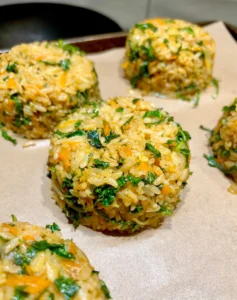
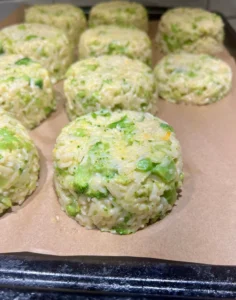
The Ultimate Guide to Broccoli Cheddar Rice: The Future of Freezer-Friendly Meal Prep
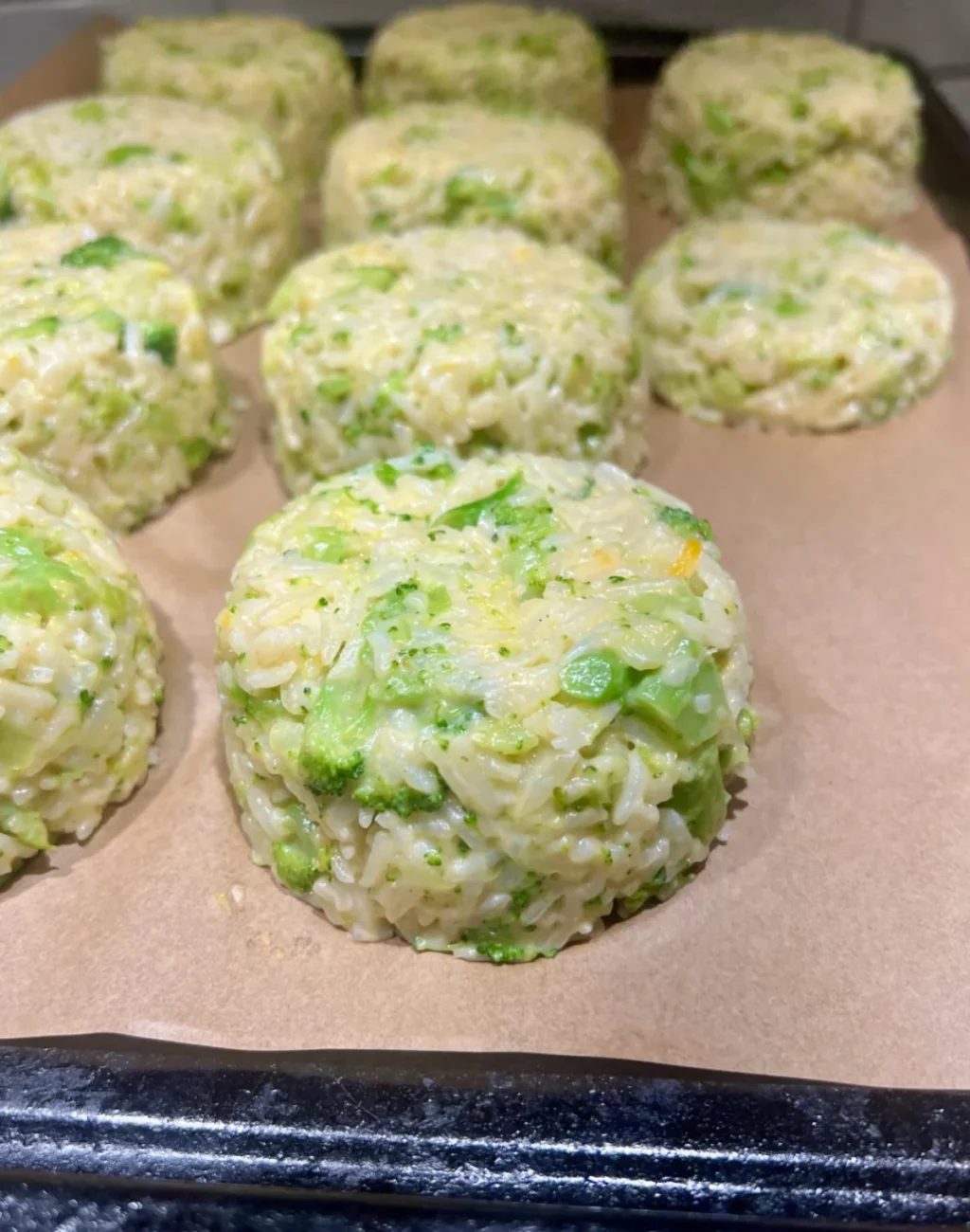
In the modern culinary landscape, where time is often the scarcest commodity, the ability to balance nutrition with convenience has become a hallmark of a successful kitchen. Enter the "Broccoli Cheddar Rice"—a dish that has quietly revolutionized the meal prep industry. Far from the soggy, uninspired frozen sides of the past, this recipe offers a sophisticated, nutritionally balanced solution for those looking to optimize their weekly diet without sacrificing flavor.
This comprehensive guide explores the mechanics of this dish, its nutritional profile, the science of freezer-friendly cooking, and why it is rapidly becoming a staple for busy professionals and families alike.
Main Facts: The Appeal of the Broccoli Cheddar Rice
At its core, Broccoli Cheddar Rice is a study in simplicity and efficiency. Designed as a versatile side dish, it combines the earthy, fiber-rich profile of broccoli florets with the comforting, creamy indulgence of a high-quality cheddar cheese sauce, all anchored by a stable, absorbent grain base.
The primary appeal of this dish lies in its "reheat-ability." Many home-cooked meals lose their structural integrity when subjected to the harsh environment of a freezer. However, by carefully calibrating the ratio of moisture to starch, this recipe ensures that even after weeks of sub-zero storage, the rice remains tender and the sauce retains its velvety consistency upon microwaving.
The Nutritional Breakdown
For those focused on macro-nutrient tracking, this recipe is a standout performer. A single serving—calculated based on a batch yield of 9.5 servings—contains approximately:
- Calories: 282 kcal
- Carbohydrates: 37.8g
- Protein: 10.3g
- Fat: 10g
- Fiber: 1.9g
These metrics demonstrate a balanced profile suitable for individuals following a vegetarian or gluten-free lifestyle, providing steady energy without the massive caloric density often associated with creamy pasta or rice dishes.
Chronology: From Kitchen Experiment to Meal Prep Essential
The journey of the Broccoli Cheddar Rice from a niche recipe to a widely adopted meal-prep strategy did not happen overnight. It is the result of years of iterative testing in professional test kitchens and home-based meal prep environments.
Phase 1: Conceptualization and Prototyping
The initial phase focused on the challenge of texture. Traditional rice dishes often become gummy when frozen, while broccoli florets risk becoming mushy. The development team experimented with various cooking methods, eventually settling on a multi-stage process: cooking the rice to a specific "al dente" state before incorporating the sauce, and blanching the broccoli to preserve its structural integrity.
Phase 2: Sauce Stabilization
The most significant hurdle was the cheese sauce. Standard dairy-based sauces often break (separate) during the freezing and thawing cycle. The solution involved the integration of emulsifiers and a controlled reduction process, ensuring the cheese remains homogeneous even after a 50-minute total prep time.
Phase 3: Scaling for the Modern Household
By mid-2026, the recipe was standardized to yield 9.5 portions. This specific number was chosen based on the standard dimensions of common meal-prep storage containers and the average caloric needs of a working adult over a standard work week.
Supporting Data: The Science of Freezing and Reheating
To understand why this specific recipe succeeds where others fail, one must look at the food science involved. The chemistry of freezing involves the formation of ice crystals; if these crystals grow too large, they puncture the cell walls of vegetables and break the emulsions of sauces.
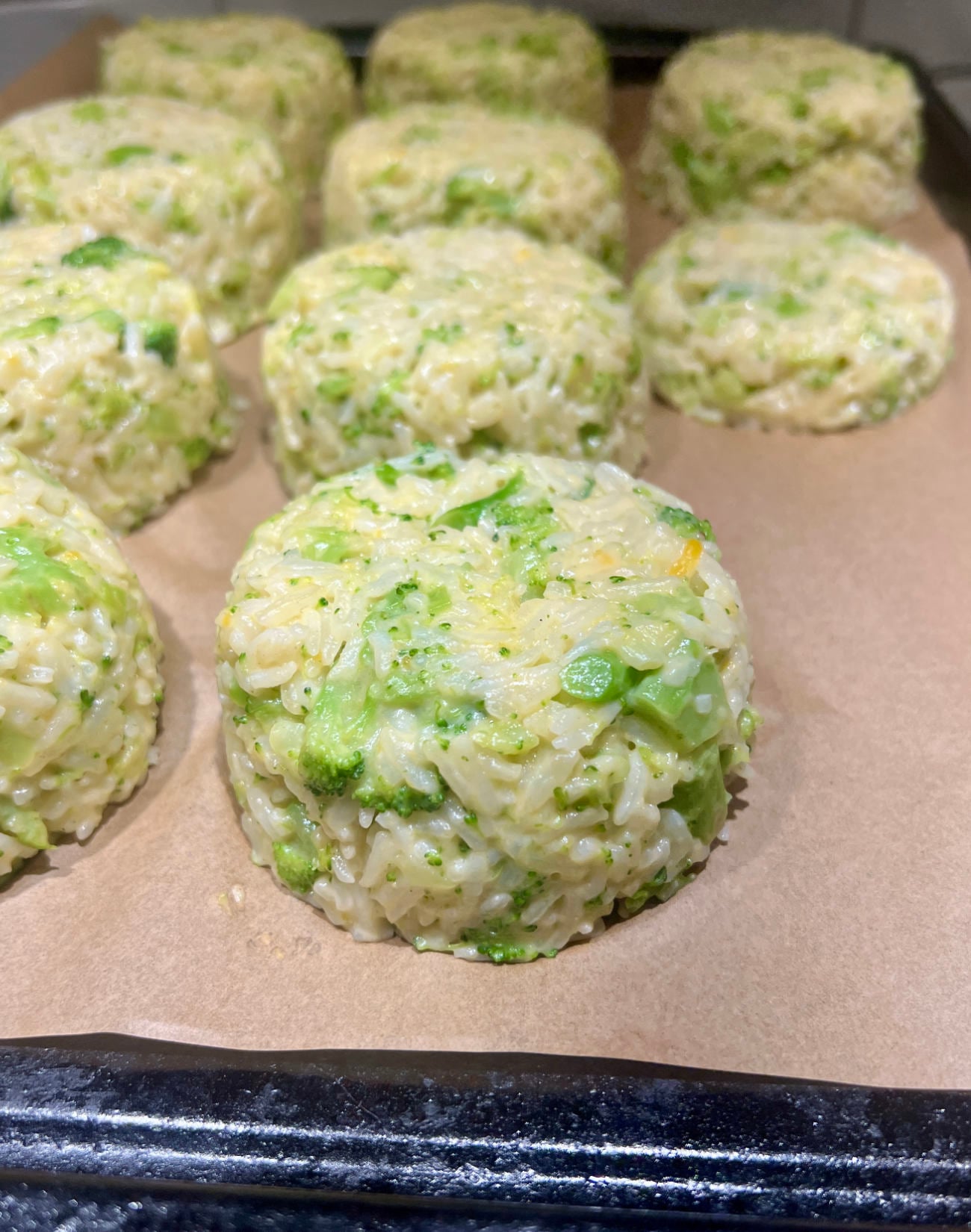
Emulsion Integrity
The cheddar sauce used in this recipe is designed with a high fat-to-protein ratio, which acts as a buffer against crystallization. When reheated in a microwave, the rapid oscillation of water molecules generates heat that melts the fat back into a smooth state, effectively reconstituting the sauce to its original texture.
Starch Management
The choice of rice is paramount. Long-grain varieties are preferred because they contain higher amounts of amylose. During the cooling process, amylose molecules undergo "retrogradation," a process where they re-align to form a more rigid structure. This is precisely what prevents the rice from turning into a paste during the reheating process.
Official Recommendations and Expert Tips
While the recipe is straightforward, culinary experts suggest several "best practices" to ensure maximum satisfaction:
- Portion Control: Use high-quality, airtight containers. Removing as much air as possible prevents "freezer burn," which is caused by the sublimation of ice directly into vapor.
- Cooling Protocol: Never place steaming hot rice directly into the freezer. Allowing the dish to reach room temperature before sealing it prevents the buildup of excess condensation, which is the primary enemy of frozen food texture.
- Reheating Precision: Microwave times vary by wattage. For the best result, start with 90 seconds, stir the dish to redistribute the heat, and continue in 30-second intervals until the desired temperature is reached.
- Customization: While the base recipe is nutritionally sound, it serves as an excellent canvas. Adding grilled chicken breast or chickpeas can elevate the protein content, while a pinch of smoked paprika or crushed red pepper can provide a depth of flavor that complements the richness of the cheddar.
Implications: Changing the Meal Prep Paradigm
The rise of recipes like the Broccoli Cheddar Rice signifies a broader shift in consumer behavior. We are moving away from the "cooking every night" model and toward a "strategic production" model.
Economic Impact
By batch-cooking this dish, individuals can significantly reduce their food waste. Purchasing ingredients in bulk—such as large bags of rice and block cheese—reduces the cost per serving to a fraction of what a comparable takeout meal would cost.
Nutritional Implications
The most profound implication is the democratization of healthy eating. When a nutritious meal is already sitting in the freezer, the temptation to opt for high-sodium, low-nutrient fast food decreases significantly. This recipe acts as a safety net for the busy individual, ensuring that even on the most demanding days, a balanced meal is only three minutes away.
Sustainability
From an environmental perspective, home-based meal prepping reduces the reliance on single-use takeout containers and the carbon footprint associated with food delivery logistics. By controlling the ingredients and the portion sizes, consumers also reduce their personal food waste, contributing to a more sustainable household management system.
Conclusion: A Future-Proof Staple
The Broccoli Cheddar Rice is more than just a recipe; it is an infrastructure for a healthier life. By leveraging the principles of food science and the convenience of modern refrigeration, it offers a sustainable solution to the "what’s for dinner?" dilemma.
As we look toward the future of nutrition, the focus will continue to shift toward high-efficiency, high-nutrient meals that cater to our fast-paced lives. Whether you are a student, a professional, or simply someone looking to streamline your domestic routine, this dish serves as a testament to the fact that convenience and quality are not mutually exclusive. With a bit of preparation and the right technique, you can ensure that your freezer is not just a storage space, but a library of healthy, delicious, and ready-to-consume meals.
In the final analysis, the success of this dish lies in its reliability. It does exactly what it promises: it removes the friction between hunger and satisfaction, providing a consistent, nourishing, and flavorful experience that stands the test of time—and the freezer.