Unmasking the Hidden Cost of Your Lunch: The Alarming Truth About Processed Meats
A stark re-evaluation of dietary choices is underway, challenging deeply ingrained eating habits with compelling scientific evidence. While many meticulously avoid obvious health hazards like cigarettes, a growing body of research suggests that the seemingly innocuous processed meats on our plates — from the morning bacon to the lunchtime ham sandwich — carry a silent, yet significant, threat to longevity and well-being. New metrics, such as "microlives," are helping to quantify this risk, painting a clearer picture of the cumulative impact of our daily food decisions.
For decades, public health campaigns have successfully highlighted the dangers of smoking, leading to a widespread understanding that lighting up is an "unthinkable" act for those concerned about their health. However, a parallel, equally potent, health adversary often goes unrecognized: processed meat. A recent re-examination of comprehensive global health data reveals that the daily consumption of items like bacon, ham, hot dogs, and luncheon meats is far from benign, demanding a similar level of caution and scrutiny that we apply to tobacco.
The Main Facts: A Global Health Crisis in Your Sandwich
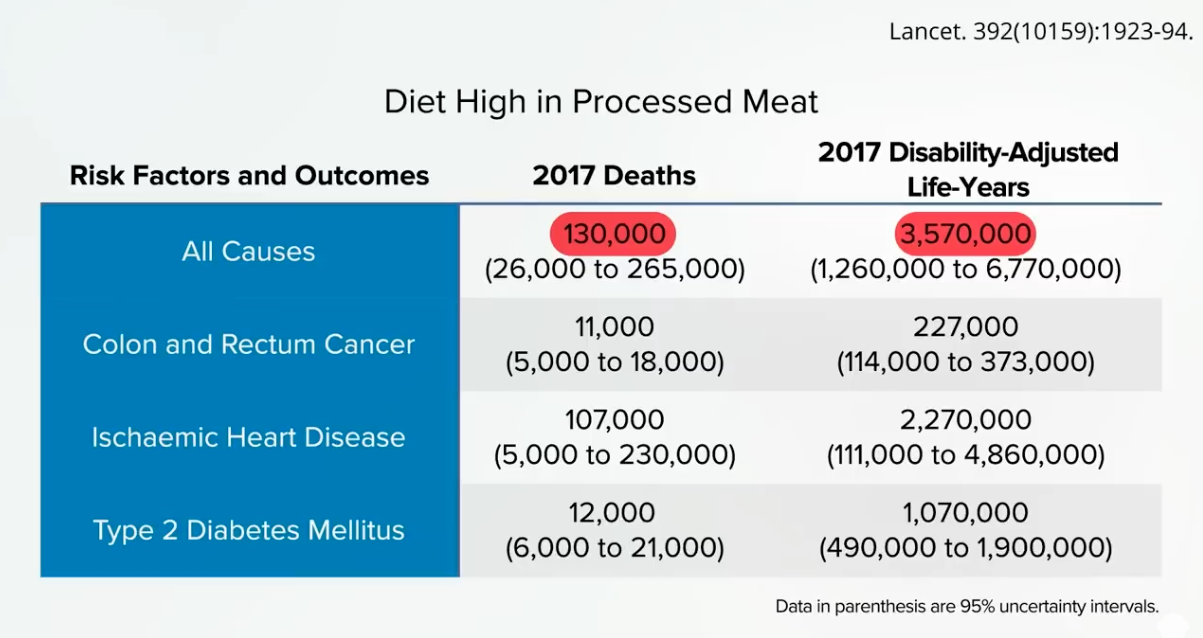
The findings from the seminal Global Burden of Disease (GBD) Study, one of the most extensive and detailed epidemiological research programs worldwide, present a sobering reality. Diets consistently high in processed meats are implicated in the premature deaths of over 100,000 individuals annually across the globe. This devastating toll is not attributable to a single cause but rather a trifecta of chronic illnesses: heart disease, various forms of cancer, and type 2 diabetes.
The sheer scale of this impact translates into millions of "healthy years of life lost" each year, a metric that captures not only mortality but also years lived with disability or illness. This silent epidemic disproportionately affects cardiovascular health, positioning processed meat consumption as a critical, yet often overlooked, dietary risk factor. The GBD study, encompassing data from 195 countries and territories between 1990 and 2017, provides an unparalleled depth of insight into the pervasive nature of these dietary risks. It serves as a powerful testament to the idea that what we eat today profoundly shapes our health trajectory for years to come.
Chronology and Controversy: The NutriRECS Debate
The scientific community, however, has not always spoken with a unified voice on the precise degree of risk associated with red and processed meats. A significant point of contention arose with the publication of a series of papers in the Annals of Internal Medicine by the NutriRECS consortium. These papers, published in late 2019, generated considerable controversy by suggesting that adults could continue their current consumption of red and processed meat without significant health concerns, even recommending against reducing intake.
The NutriRECS panel’s conclusions were immediately met with widespread skepticism and strong criticism from leading health organizations and nutrition experts globally. Despite their own meta-analyses showing a statistically significant association between reduced red and processed meat consumption and a lower risk of premature death – specifically, a 13% lower risk – the panel ultimately chose to issue "weak recommendations" that advised individuals to maintain their current consumption. This divergence between the panel’s data and its final recommendations sparked a heated debate, questioning the methodology, interpretation, and potential biases influencing their conclusions.
Critics pointed to several methodological limitations, including the panel’s controversial "GRADE" system for evaluating evidence, which some argued was misapplied to nutritional studies, particularly those involving long-term dietary patterns. The decision to prioritize "certainty of evidence" over the magnitude of potential health benefits, especially in observational studies, was a central point of contention. Many experts argued that applying such a stringent standard to complex dietary interventions, which are inherently difficult to study with randomized controlled trials, skewed the results and downplayed legitimate risks. The controversy highlighted the complexities of dietary science and the challenges of translating research into clear public health guidelines.
Supporting Data: Quantifying Risk with Microlives
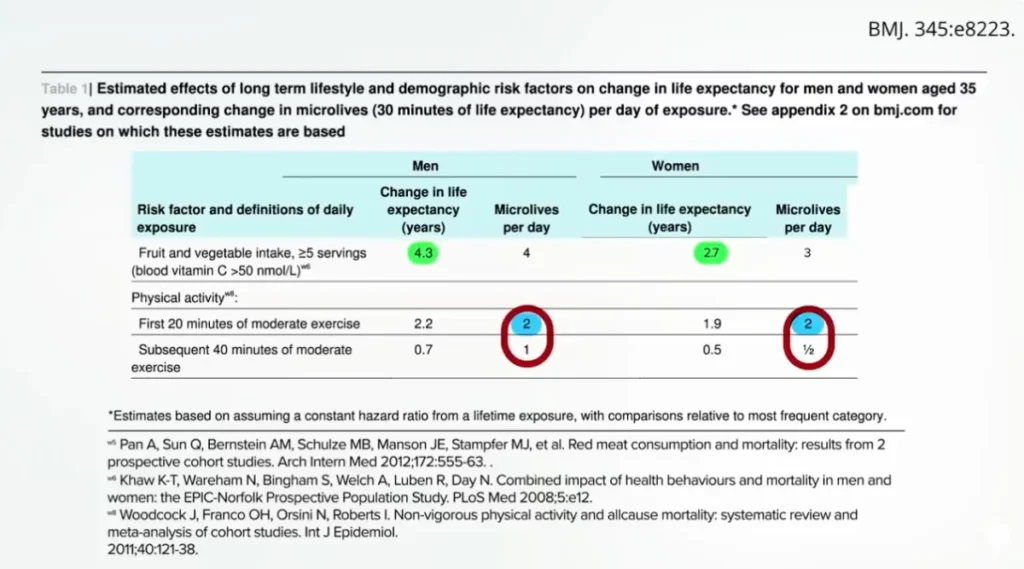
To better grasp the individual implications of such dietary choices, particularly when faced with seemingly abstract statistics like a "13% lower risk of premature death," scientists have introduced more intuitive metrics. One such concept is the microlife, a unit designed to quantify the average loss or gain in life expectancy from various lifestyle factors.
Developed by statisticians and risk communicators, a microlife is defined as 30 minutes of your life expectancy. This innovative unit allows for a direct comparison of chronic health risks, much like the "micromort" (a one-in-a-million chance of sudden death) helps compare acute risks like skydiving or surgery. The power of the microlife lies in its ability to translate long-term, cumulative risks into immediately understandable increments of time.
For instance, consider an individual in their early to mid-20s, who, on average, might have approximately 57 years of life remaining. This translates to roughly 20,000 days, 500,000 hours, or a million half-hour segments. Thus, losing one microlife means losing one of these million potential half-hour segments. This framework allows individuals to contextualize the impact of their daily choices in a tangible way, moving beyond abstract percentages to concrete units of time.
The Union of Concerned Scientists, for example, estimated that if Americans collectively reduced their processed meat intake to a mere ounce per week, thousands of cancer deaths could be averted annually. While this highlights population-level benefits, the microlife concept brings the impact home to the individual.
Understanding the Microlife Cost of Common Habits:
- Smoking: A single cigarette is often associated with the loss of one microlife.
- Alcohol Consumption: Drinking a pint of strong beer can cost approximately one microlife, making it comparable to a cigarette in terms of life expectancy reduction.
- Obesity: Carrying just 11 pounds of excess weight can, on average, shorten life expectancy by one microlife. This comparison underscores the often-underestimated impact of moderate weight gain, equating it to daily smoking or drinking for a 30-year-old man.
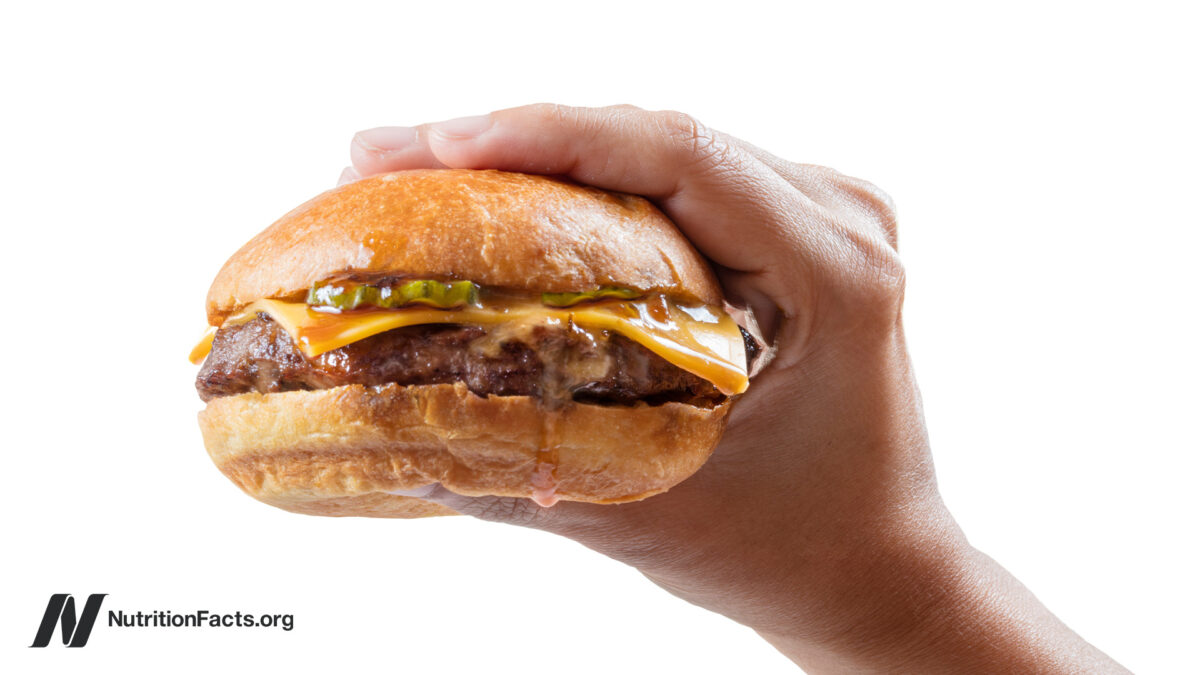
- Processed Meat: Each individual burger, particularly those made with processed red meat, is associated with the loss of approximately one microlife – equating to 30 minutes off your life. This striking comparison suggests that a single burger could be as detrimental to your lifespan as smoking two cigarettes.
- More broadly, processed meats are consistently linked to significant microlife losses:
- A daily serving of processed meat: Could cost you approximately 2 microlives per day, totaling an hour of life expectancy lost daily.
- Regular consumption over a lifetime: Accumulates to substantial reductions in overall lifespan, contributing to the "millions of healthy years of life lost" identified by the GBD study.
Conversely, the microlife metric also illuminates the powerful benefits of positive lifestyle choices. Eating at least five servings of fruits and vegetables daily, for example, is associated with a gain of four years for men and three years for women, on average. This is up to twice as beneficial as daily exercise in terms of overall lifespan extension. Yet, exercise offers its own immediate returns:
- 20 minutes of exercise: Can add an extra hour of life (two microlives) – a remarkable 3-to-1 return on investment.
- An hour of daily exercise: Continues to yield more life than it consumes, albeit with diminishing returns after a certain point.
These quantifiable comparisons empower individuals to make more informed decisions, realizing that choices like opting for a bean burrito over a meaty one are not just about immediate taste but about a tangible investment in their future health and longevity.
Official Responses and Expert Consensus
The controversy surrounding the NutriRECS papers galvanized the wider scientific and medical community, leading to strong official responses that reaffirmed established dietary guidelines.
Harvard University’s Stance: Dr. Frank Hu, chair of the Department of Nutrition at Harvard T.H. Chan School of Public Health, along with his distinguished colleagues, issued a sharp critique of the NutriRECS recommendations. They explicitly stated that the NutriRECS papers "suffer from important methodological limitations and involve misinterpretations of nutritional evidence." Their collective expert opinion underscored that to genuinely improve both human and planetary health, dietary guidelines must continue to advocate for patterns that are "low in red and processed meats and high in minimally processed plant foods such as fruits and vegetables, whole grains, nuts, and legumes." This statement served as a powerful rebuttal, reinforcing the long-standing consensus on the benefits of plant-centric diets.
Dr. Dean Ornish’s Endorsement of Plant-Based Living: Perhaps one of the most resonant voices in the plant-based movement, Dr. Dean Ornish, offered a poignant reflection on the NutriRECS controversy. Dr. Ornish is renowned for his pioneering Lifestyle Heart Trial, a landmark study that demonstrated the unprecedented ability of a comprehensive plant-based diet and lifestyle program to reverse the progression of even severe coronary heart disease – a condition that remains a leading cause of death globally.
Ornish highlighted that the NutriRECS panel largely ignored studies like his, which provided robust evidence of the therapeutic power of dietary interventions. He pointed out that the control group in his trial, which made only modest reductions in meat consumption (similar to the minimal changes suggested by the Annals review), actually experienced continued worsening of their atherosclerosis. This stark contrast underscored the inadequacy of minor dietary adjustments when faced with significant health challenges.
In a powerful concluding statement, Dr. Ornish declared, "I take solace in knowing that the light drives out the darkness. But, these days, the light has to be very bright indeed. Caveat emptor. Don’t be fooled. Your life may depend on it." His words served as both a warning against misleading information and a fervent call for individuals to seek out and adhere to evidence-based dietary advice. The consensus among leading nutritionists, cardiologists, and public health bodies remains steadfast: reducing processed meat intake and increasing consumption of whole, plant-based foods is a critical strategy for disease prevention and longevity.
Broader Implications: Health Beyond the Individual
The implications of these dietary choices extend beyond individual health, touching upon global well-being and environmental sustainability. As highlighted by the Harvard experts, a shift away from diets heavy in red and processed meats towards "minimally processed plant foods" offers benefits for "human and planetary health."
Environmental Impact: The production of meat, particularly red and processed varieties, is resource-intensive, contributing significantly to greenhouse gas emissions, deforestation, and water pollution. Industrialized animal agriculture places immense pressure on natural ecosystems, making dietary shifts a crucial component of broader climate action and environmental stewardship. By choosing plant-based alternatives, individuals can contribute to a more sustainable food system that supports ecological balance and global food security.
Public Health Burden: At a societal level, the prevalence of diet-related chronic diseases places an enormous burden on healthcare systems. Reducing the incidence of heart disease, cancer, and diabetes through preventative dietary measures could free up substantial resources, allowing for better allocation towards other public health priorities and improving overall quality of life for populations.
Informed Choice and Empowerment: Ultimately, the scientific discourse surrounding processed meats and health empowers individuals to make informed choices. The concept of microlives provides a concrete framework for understanding the long-term consequences of daily dietary habits, transforming abstract risks into tangible reductions or gains in life expectancy. It encourages a proactive approach to health, inviting individuals to consider their plates not just as sources of sustenance, but as powerful tools for shaping their future well-being.
The message is clear: while the allure of convenience and taste associated with processed meats can be strong, the scientific evidence points towards a significant, quantifiable cost to health. Just as society has evolved to view smoking as an unacceptable health risk, a similar paradigm shift is warranted for the habitual consumption of processed meats. Embracing a diet rich in fruits, vegetables, whole grains, nuts, and legumes is not merely a recommendation; it is an investment in a longer, healthier, and more vibrant life, for ourselves and for the planet. As Dr. Ornish reminds us, in matters of health, vigilance and informed decision-making are paramount, for "your life may depend on it."