Gardening in the Concrete Jungle: A Masterclass in Small-Space Abundance
Introduction: Introducing the New Editor of Garden Photo of the Day
In the heart of Milwaukee, Wisconsin, where urban architecture often dictates the limits of our green ambitions, Marisa Reyes has cultivated a sanctuary that defies the constraints of city living. As the newly appointed editor of Garden Photo of the Day (GPOD), Reyes is using her own backyard as a living manifesto for what is possible when passion meets persistence.
For many urbanites, the dream of a lush, productive garden is often stifled by concrete slabs, poor soil quality, and the encroaching shade of neighboring trees. Reyes, however, views these obstacles not as barriers, but as the foundational elements of a unique, high-yield horticultural challenge. By transforming a sterile concrete space into a vibrant ecosystem, she offers a masterclass in maximizing limited footprints while fostering biodiversity.
The Genesis of a Small-Space Oasis
Overcoming Urban Constraints
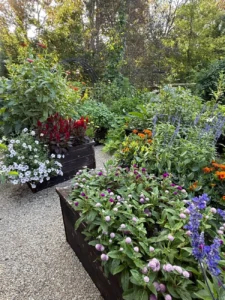
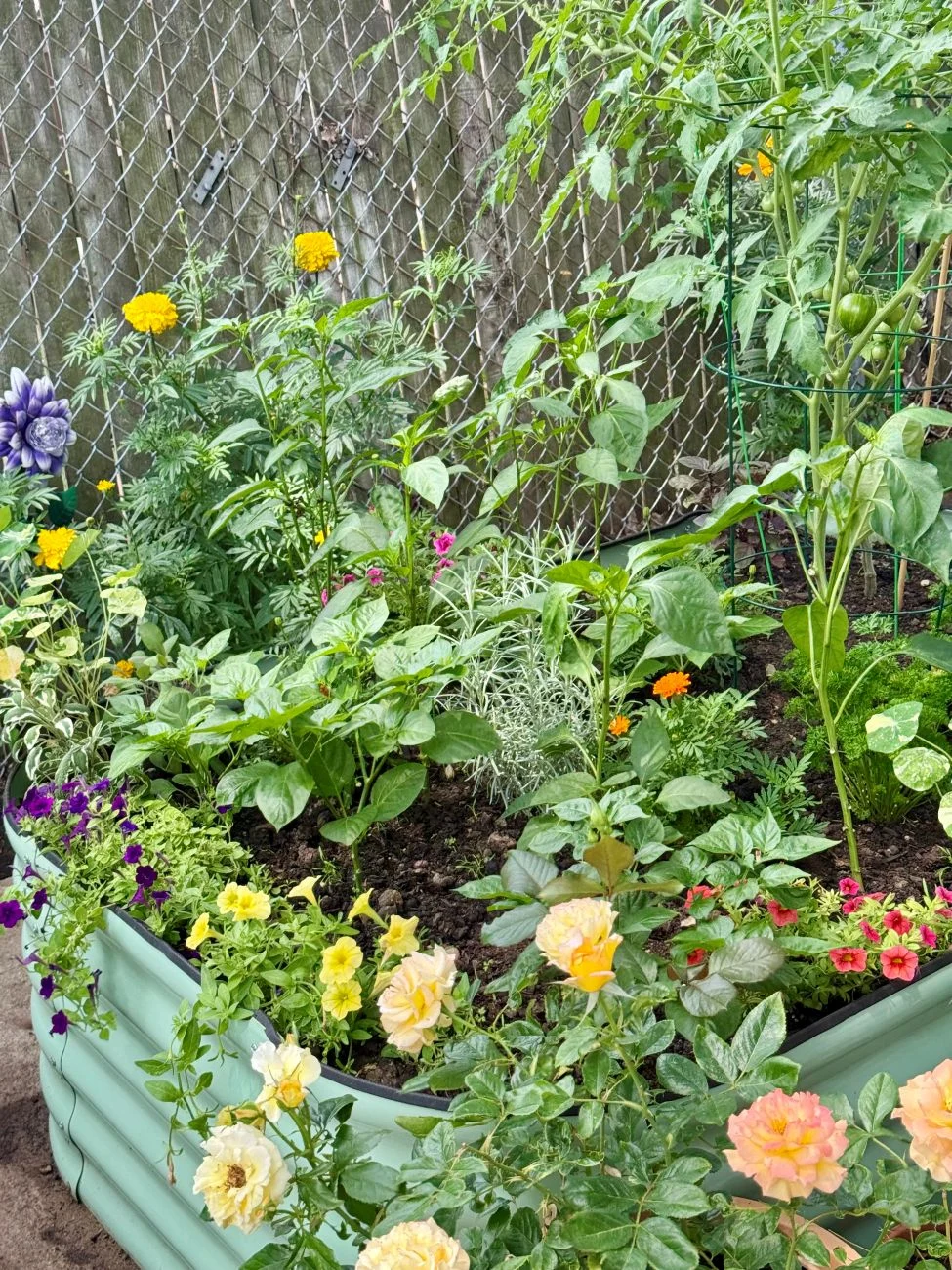
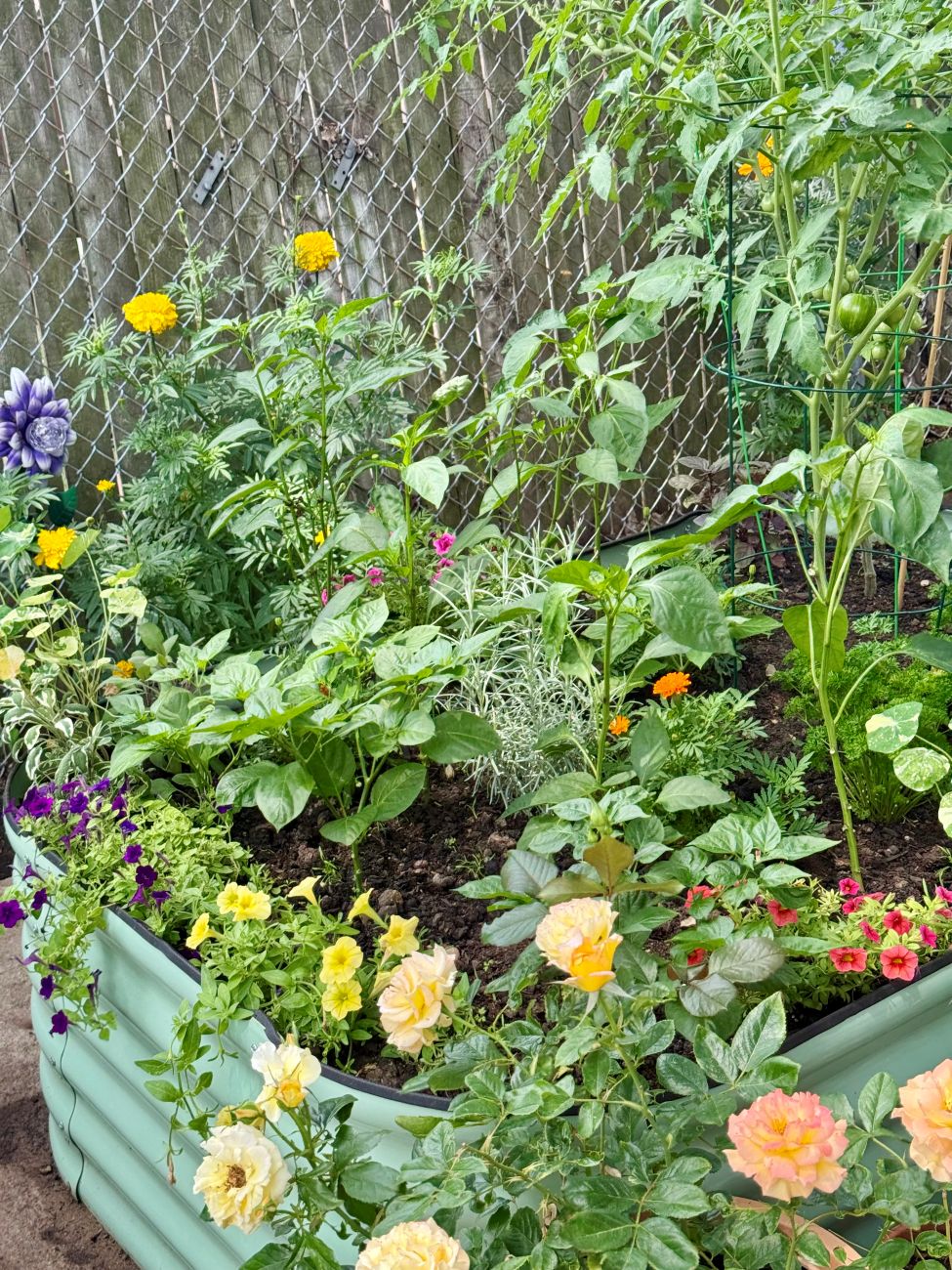
Reyes’ garden is a testament to adaptive gardening. The primary challenge of her site was the lack of permeable ground; rather than despairing over a large concrete slab, she implemented a series of raised beds. These structures allow her to control the soil composition, drainage, and nutrient levels—critical factors when growing food in an urban environment.
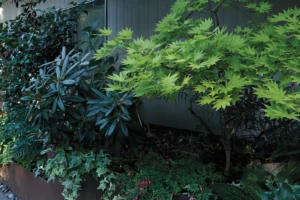
However, the challenges were not merely terrestrial. Her garden is situated under the literal shadow of a massive black walnut (Juglans nigra) and an eastern cottonwood (Populus deltoides). Both species present significant hurdles: the black walnut secretes juglone, a chemical that can inhibit the growth of many plants, while both trees act as a constant source of debris.
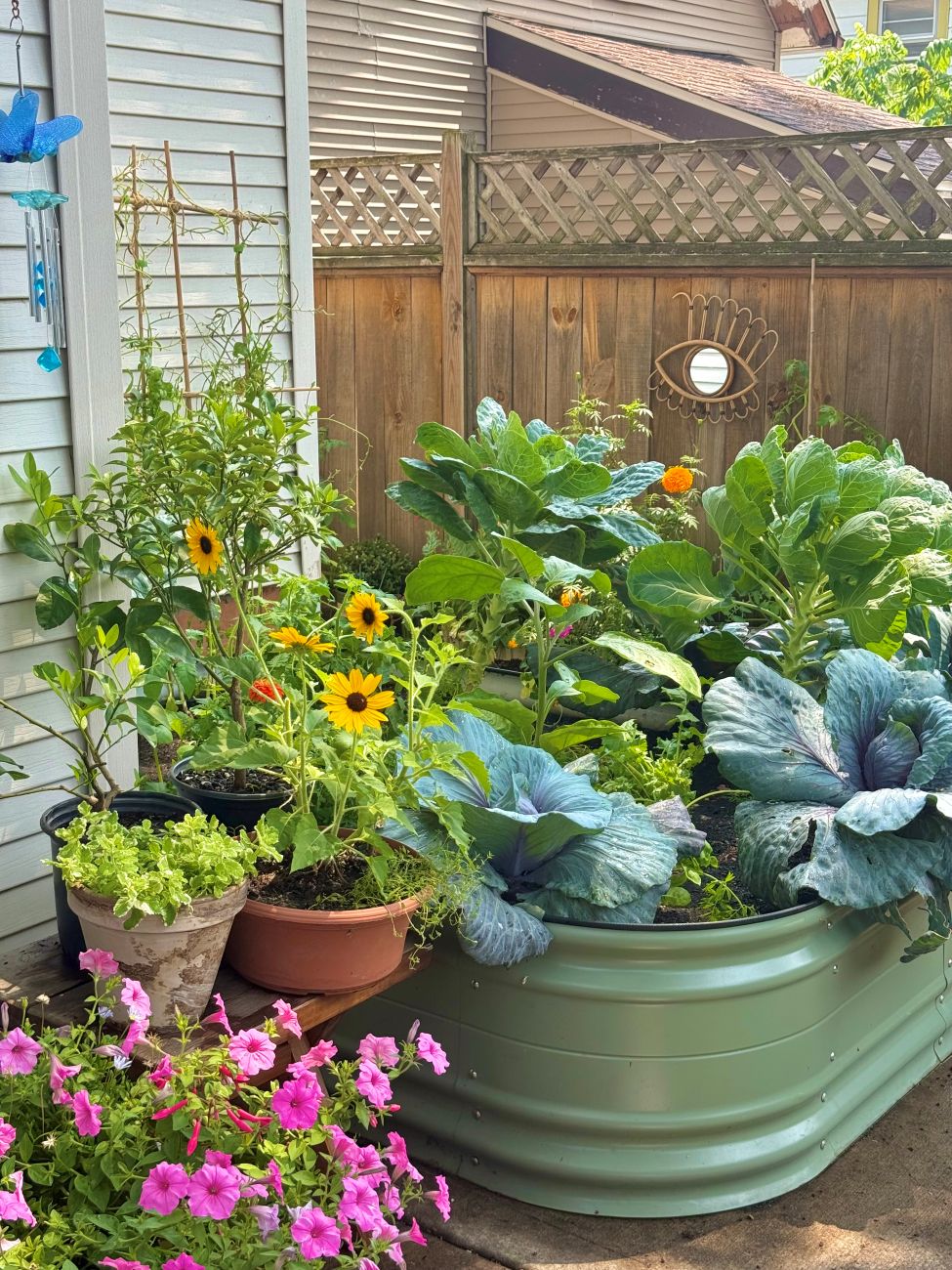
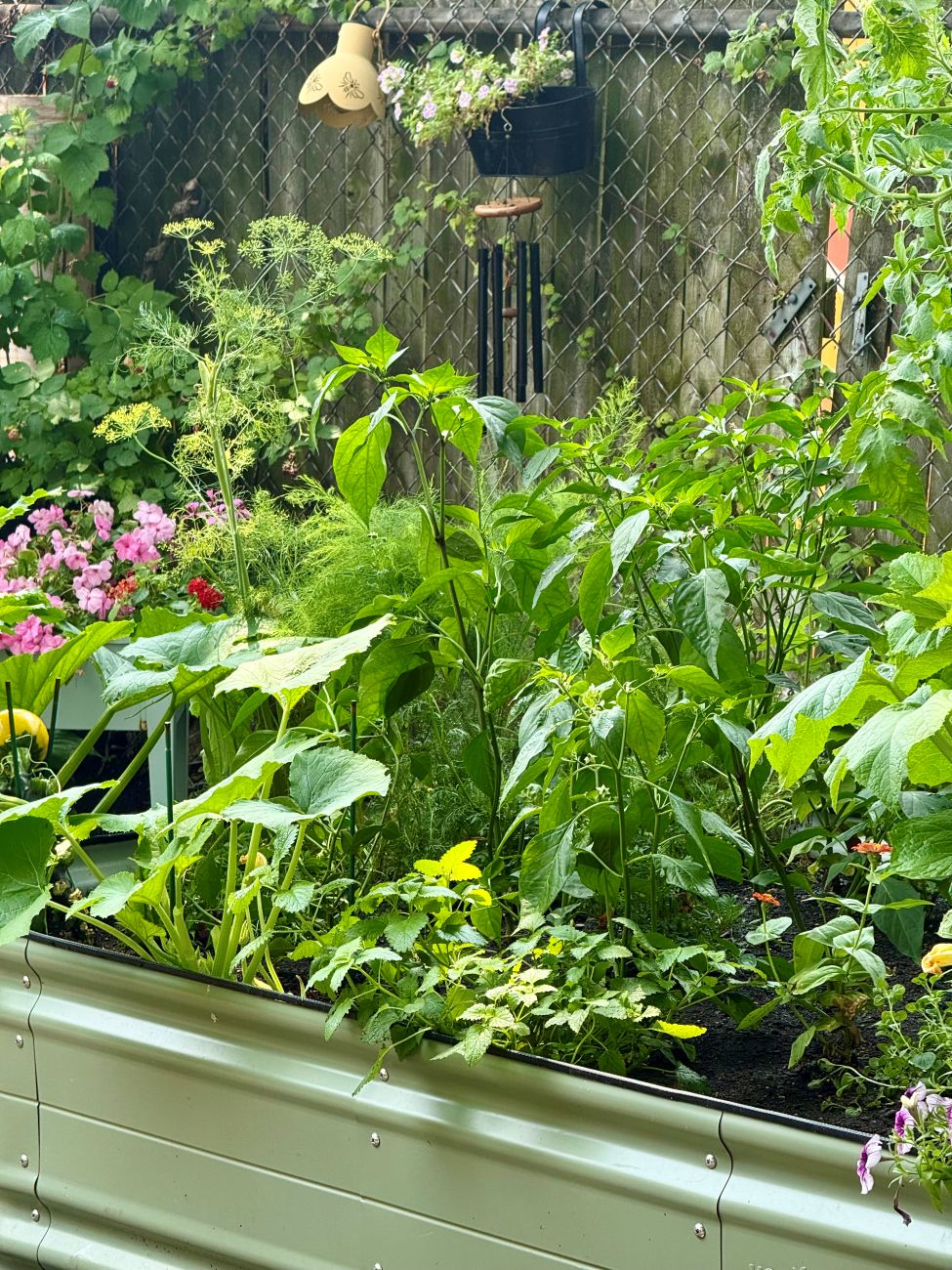
"Even with the constant cleanup and limited planting space," Reyes notes, "vegetables, herbs, and flowers now grow together in raised beds, containers, and every available pocket of soil." This philosophy of "every available pocket" is the cornerstone of her success, proving that one does not need a sprawling estate to achieve a bountiful harvest.
Philosophical Underpinnings: The Gardener’s Identity
Blurring the Lines Between Ornamental and Edible
A central theme in Reyes’ horticultural approach is the rejection of the traditional dichotomy between the "flower gardener" and the "vegetable gardener." To her, these categories are artificial, limiting the potential of a garden to function as a unified, beautiful, and productive space.
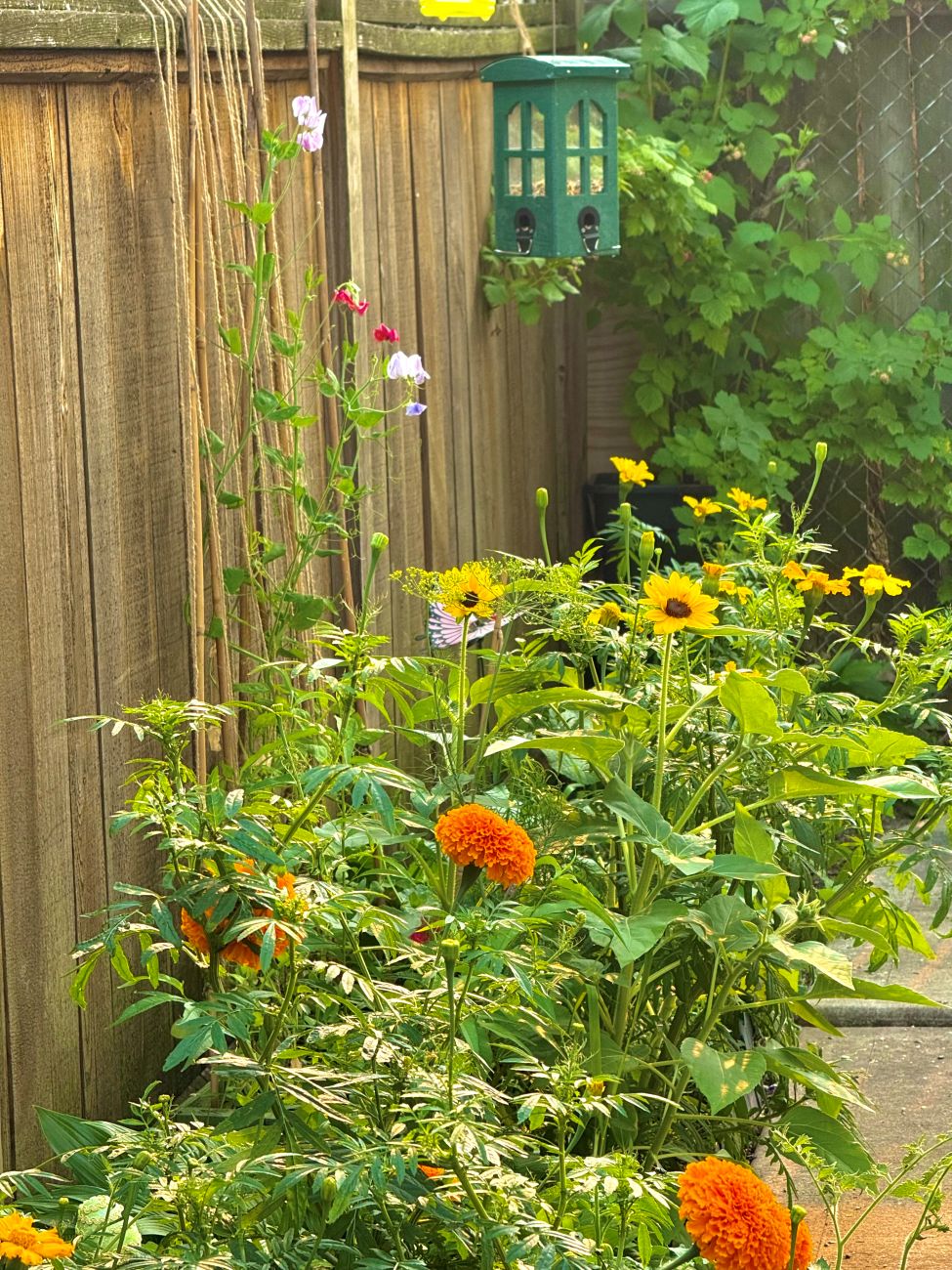
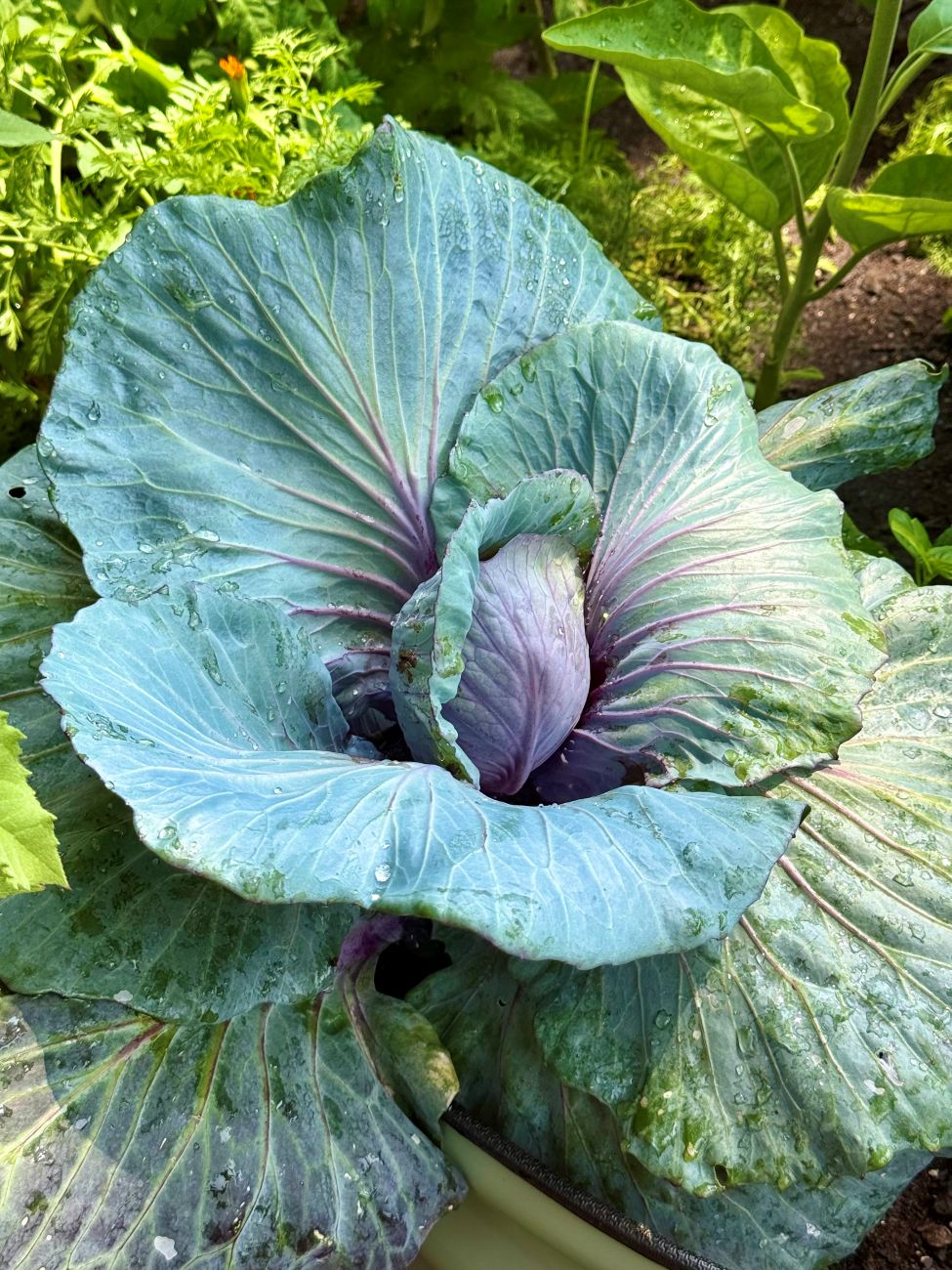
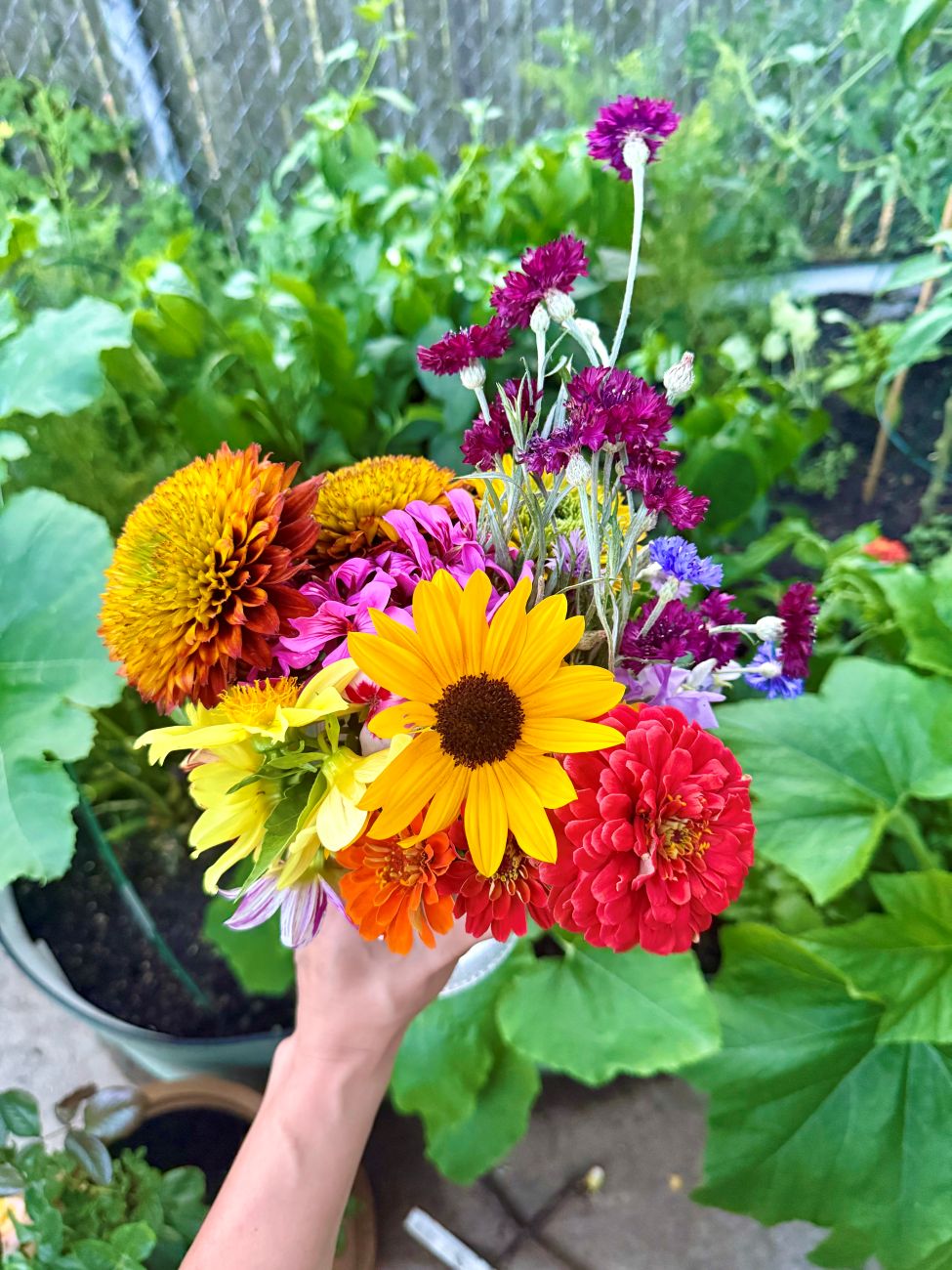
By interplanting flowers like marigolds and sunflowers with cabbages, tomatoes, and herbs, she creates a polyculture that is as visually stunning as it is functional. This technique—often called companion planting—serves multiple purposes:
- Pollinator Attraction: African marigolds (Tagetes erecta) and sunflowers (Helianthus annuus) serve as beacons for bees and butterflies, which in turn improve the fruit set of her vegetables.
- Space Optimization: By layering tall, sun-loving plants with shade-tolerant herbs, she maximizes vertical space.
- Natural Pest Control: The aromatic nature of herbs like dill and basil helps mask the scent of host plants, confusing potential pests.
Chronology of the Season: A Year in the Life
From Seedling to Seed Saving
The cycle of Reyes’ garden is a carefully choreographed dance that follows the seasonal rhythm of the Midwest.
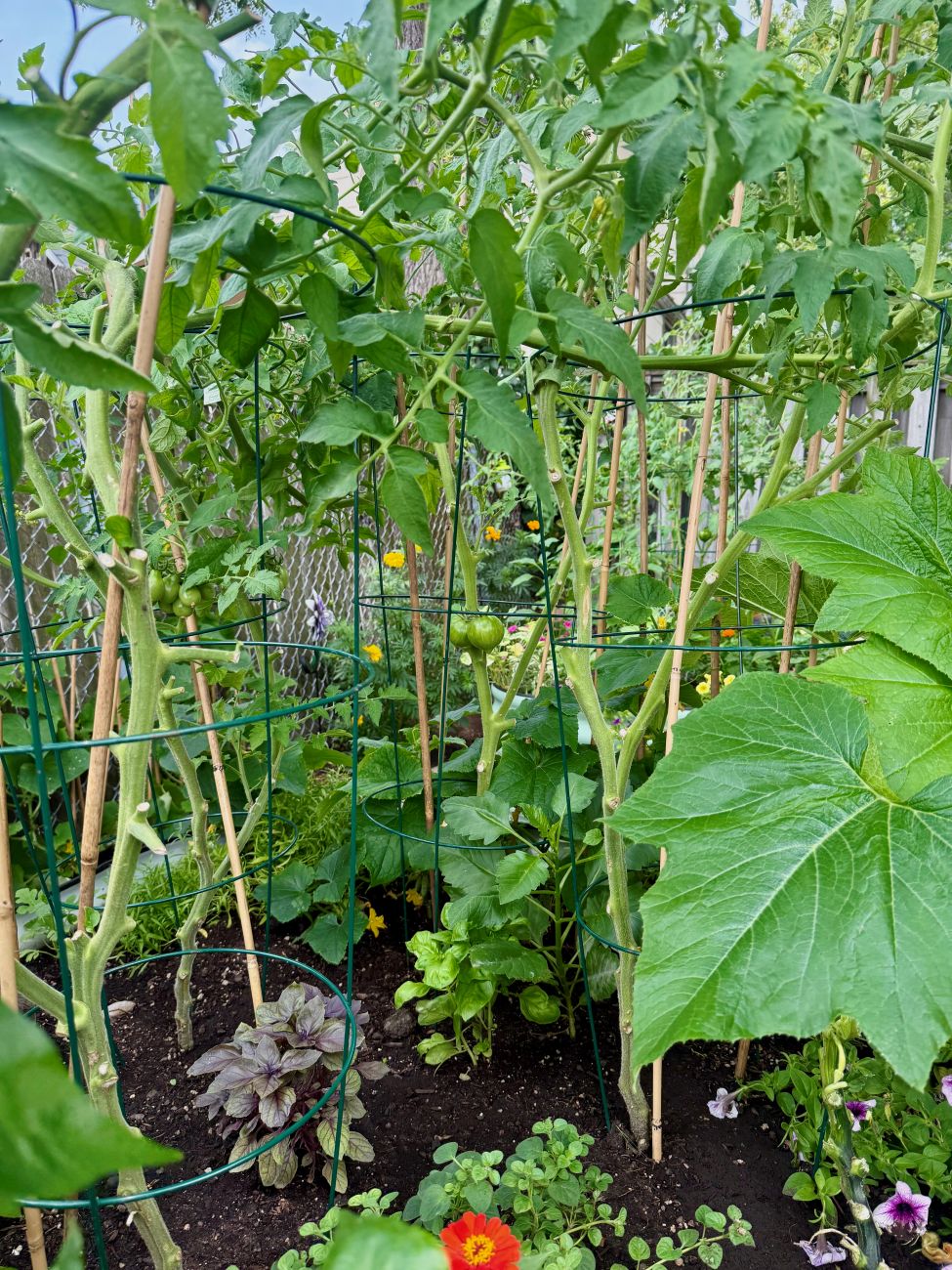
- Early Spring (Preparation): The season begins with planning for vertical growth. Tomatoes are trained on supports to improve airflow and maximize the limited square footage.
- Mid-Season (The Peak): By mid-summer, the garden reaches its apex. The dill becomes a nursery for swallowtail caterpillars, providing an educational touchpoint for her young son, who watches the transformation with the curiosity of a child reading The Very Hungry Caterpillar.
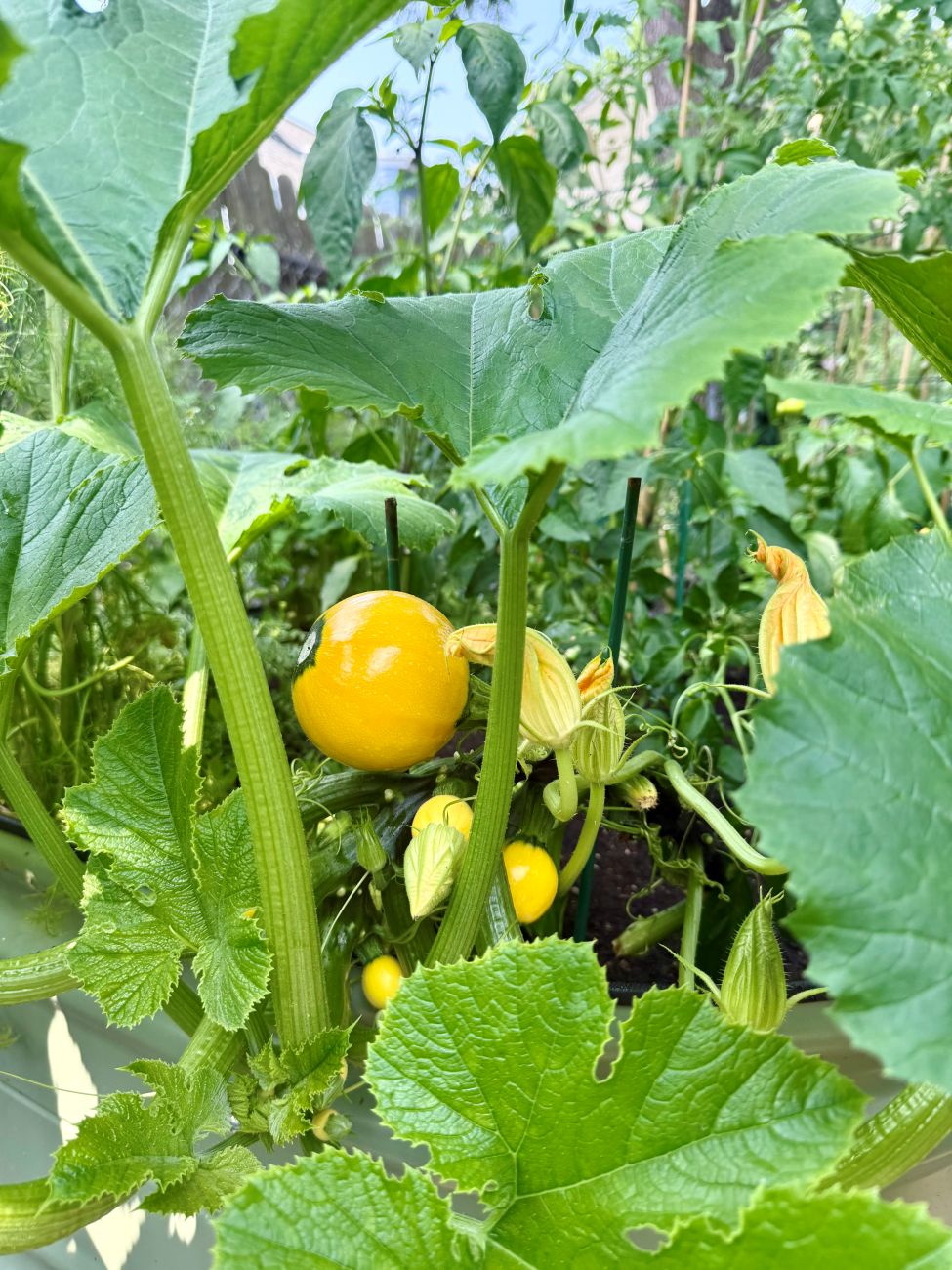
- Late Season (Harvest and Reflection): As the heat of summer gives way to the first hints of autumn, the focus shifts to "Sun Ball" summer squash, a variety prized for its quick maturity and compact growth.
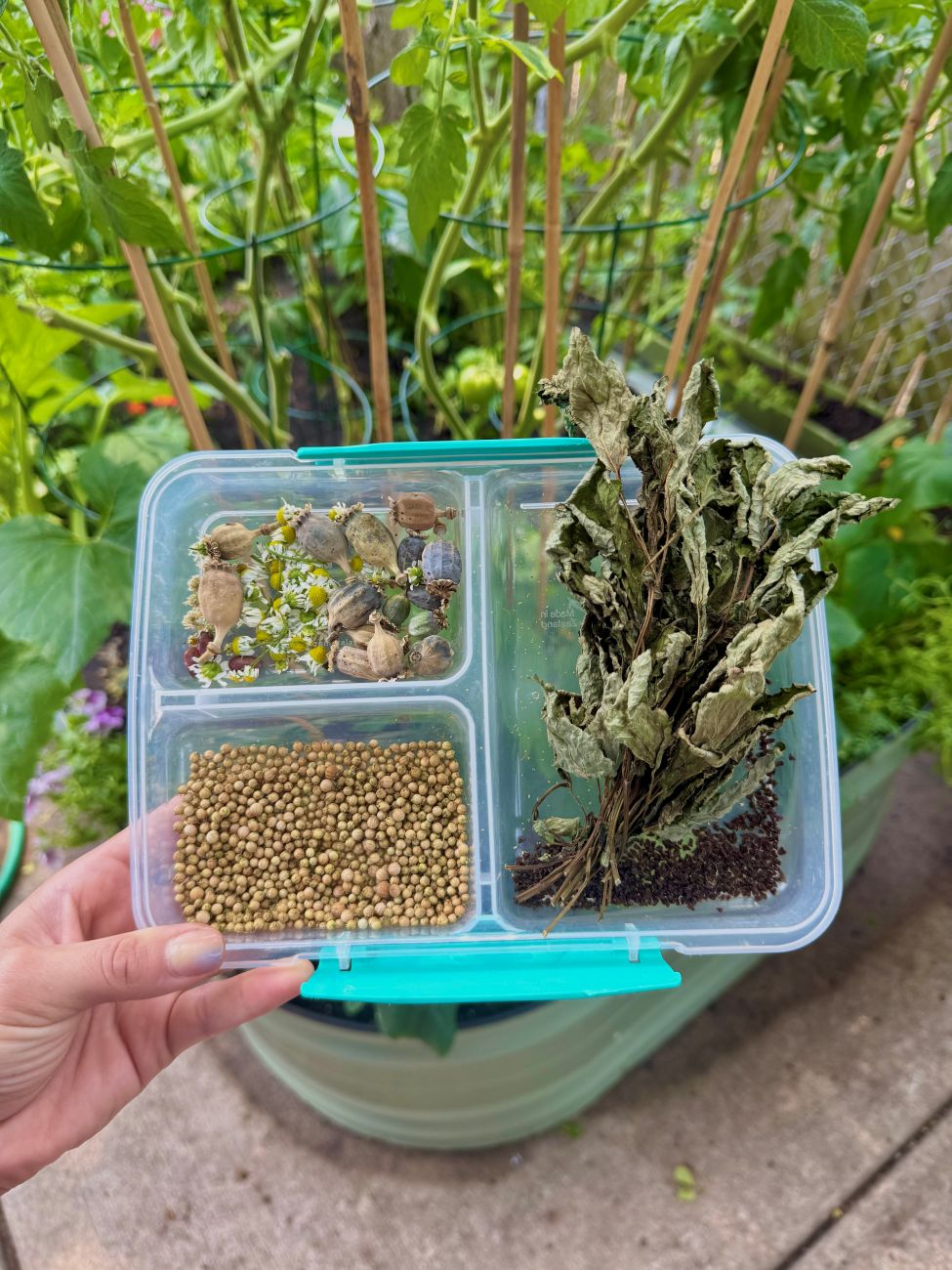
- Closing the Loop (Seed Saving): The season concludes with the collection of seeds from poppies, coriander, and delphiniums. For Reyes, this is more than a chore; it is an act of continuity. "Saving seed has become one of my favorite garden tasks because it feels like carrying a little piece of this year’s garden into the next," she explains.
Supporting Data: The Biodiversity Impact
The efficacy of Reyes’ small-space model is best measured by the wildlife it attracts. The intentional inclusion of diverse plant species creates a micro-habitat that supports a variety of beneficial insects and avian visitors.
The Pollinator-Edible Interface
| Plant Type | Role in the Garden | Benefit |
|---|---|---|
| Dill | Host plant | Attracts Swallowtail butterflies |
| Marigolds | Ornamental/Repellent | Deter nematodes; attract beneficial pollinators |
| Sunflowers | Structural/Ornamental | Provide seeds for birds; vertical interest |
| Tomatoes | Edible | High-yield crop; benefit from companion herbs |
The presence of the "Glencoe" raspberry bush (Rubus idaceus) adds a perennial element to the border, providing a source of food for birds and, ultimately, the gardener. This layering of perennials within an annual-heavy garden is a key strategy for maintaining soil health and providing year-round structure.
Implications for the Modern Gardener
The "Every Pocket" Philosophy
Reyes’ work has significant implications for urban planners and residents alike. In an era of increasing urbanization, her garden represents a scalable model for sustainable food production. Her reliance on containers and raised beds means that her methods can be replicated on balconies, patios, and small decks.
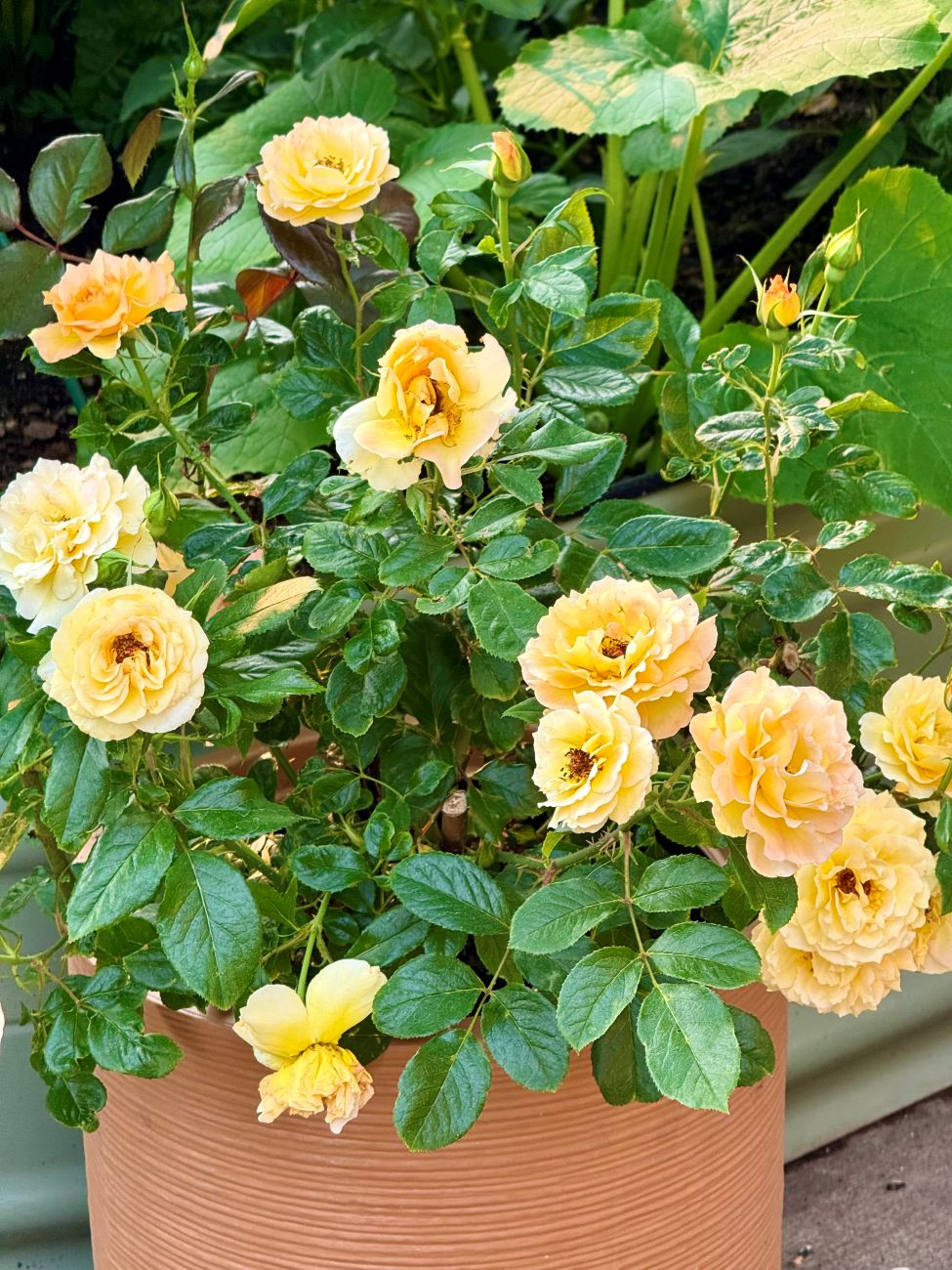
Furthermore, the integration of fragrant plants—such as the ‘Ruffled Romance’ floribunda rose—highlights the sensory value of a garden. A garden should not merely be a source of calories; it should be a place of respite. The intense fragrance of the rose, coupled with the beauty of edible foliage, turns a chore-heavy backyard into an immersive experience.
Expert Commentary and Official Recommendations
As the new editor of GPOD, Reyes is also curating the tools and knowledge base that she believes are essential for the modern gardener. Her editorial direction emphasizes long-term planning and organization.
Essential Tools for the Small-Space Gardener
To maintain a high-production garden in a limited area, the right equipment is vital. Based on her recent recommendations, the following tools are considered indispensable:
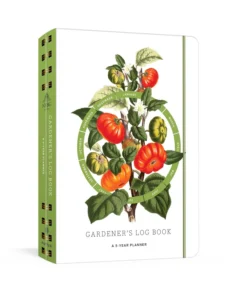
- The Gardener’s Log Book: Essential for tracking planting dates, harvest yields, and bloom times. A five-year log allows for the comparison of seasonal trends—crucial for those living in variable climates like Wisconsin.
- Efficient Storage Solutions: A garden tool caddy made from recycled materials helps in keeping essential items—like pruners and snips—organized, allowing for quick transitions between tasks.
- High-Performance Cutting Tools: Quality orchard loppers with reduced-force designs are critical for gardeners who may be managing woody plants or dense thickets in small spaces.
Building a Community of Gardeners
The ethos of Garden Photo of the Day under Reyes’ leadership is one of radical inclusivity. She is actively soliciting submissions from the broader community, emphasizing that every garden, regardless of size or success level, has a story to tell.
"We’d love to hear where you are located, how long you’ve been gardening, successes you are proud of, failures you learned from, hopes for the future, favorite plants, or funny stories from your garden," she encourages.
This call for participation aims to bridge the gap between amateur enthusiasts and seasoned professionals, creating a repository of collective wisdom. By sharing the "failures you learned from," she hopes to destigmatize the inevitable challenges that come with any gardening journey, from pest infestations to unexpected weather events.
Conclusion: A Future Rooted in Growth
Marisa Reyes’ transition to the role of GPOD editor marks a new chapter for the publication. By leading with vulnerability—showcasing her own small, challenging, yet thriving garden—she has set a standard for authentic, accessible horticultural journalism.
Her garden in Milwaukee serves as a reminder that nature is resilient. Whether you are dealing with the chemical output of a black walnut tree, the limitations of a concrete foundation, or the simple constraints of a postage-stamp-sized yard, the potential for abundance is always present. It requires only the willingness to observe, to experiment, and to plant one more seed.
As we look toward the next season, the lessons provided by Reyes serve as a roadmap: prioritize biodiversity, embrace the synergy of ornamentals and edibles, and above all, document the journey. Because in the end, a garden is not just about the harvest—it is about the legacy of growth we pass from one season to the next.
How to Join the Conversation
If you are inspired by the transformations occurring in the Milwaukee garden, the editorial team at Fine Gardening invites you to share your own space. Submissions for Garden Photo of the Day are open to all. Whether you have a sprawling meadow or a single, well-tended container on a fire escape, your garden deserves to be seen.
Submission Guidelines:
- Photography: 5–10 high-resolution images.
- Narrative: A brief overview of your location, your gardening history, and the specific story behind your plants.
- Engagement: Don’t forget to mention your favorite plants or the "happy accidents" that defined your growing season.
For those looking to deepen their own practice, the Fine Gardening community offers various resources, including forums for seed-collecting, guides on container gardening, and an email newsletter that brings daily inspiration directly to your inbox. As Reyes continues her tenure, readers can expect a continued focus on the intersection of beauty, productivity, and the shared joy of digging in the dirt.