A New Era for EU Food Safety: Decoding the Impact of Regulation (EU) 2025/179
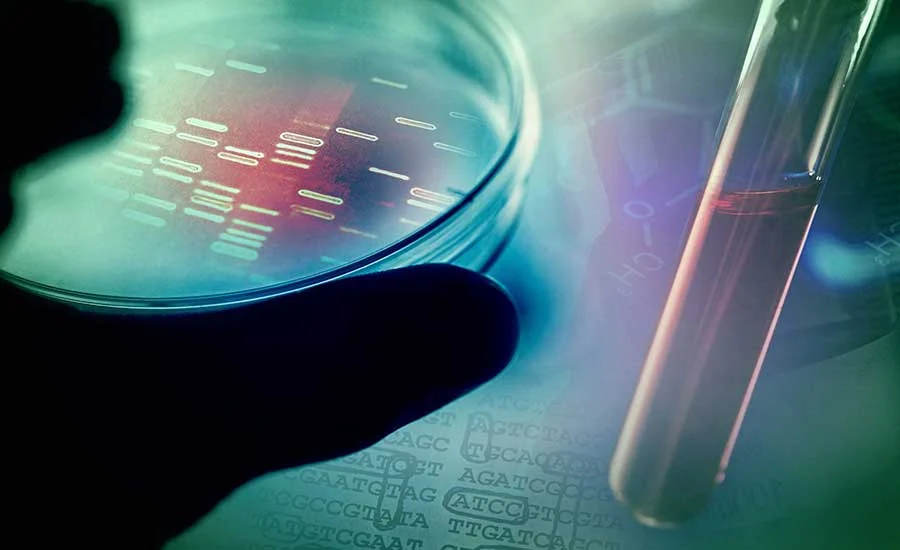
On August 23, 2026, the European Union entered a transformative phase in public health surveillance. The implementation of Regulation (EU) 2025/179 mandates that all Member States conduct Whole Genome Sequencing (WGS) on isolates of five critical foodborne pathogens during outbreak investigations. This legislative shift is designed to harmonize the genetic fingerprinting of microorganisms across borders, effectively turning the EU’s food safety infrastructure into a unified, high-resolution surveillance network.
As pathogens increasingly cross national boundaries through complex supply chains, the ability to rapidly identify the genetic source of a contamination event is paramount. By linking food, feed, animal, and environmental isolates with human clinical cases, the European Food Safety Authority (EFSA) and the European Center for Disease Prevention and Control (ECDC) aim to shift from reactive outbreak management to a proactive, data-driven defense strategy.
The Genesis of a Regulatory Shift
The impetus for this regulation stems from the growing complexity of modern foodborne illness outbreaks. In an era of globalized trade, a single batch of contaminated raw materials can trigger cases of illness in multiple countries, often appearing as disconnected, sporadic events to local investigators.
For years, the limitation was not the availability of technology, but the lack of a standardized, cross-border framework for sharing high-resolution genomic data. Regulation (EU) 2025/179 was drafted to bridge three critical gaps: the inconsistency in sequencing capacity across Member States, the fragmented nature of data reporting, and the delay in integrating veterinary and environmental data with human health surveillance.
Chronology of Implementation
- Early 2024–2025: Extensive consultations between EFSA, ECDC, and Member State experts define the technical requirements for WGS data pipelines.
- August 23, 2026: Regulation (EU) 2025/179 officially comes into force.
- September 2–3, 2026: The Science Meets Policy conference in Rome convenes to address the "From Regulation to Practice" implementation phase.
- Late 2026 and Beyond: A phased integration of national surveillance data into the joint EFSA/ECDC One Health WGS System is expected to reach full operational maturity.
The Technical Backbone: Five Target Pathogens
The regulation focuses on five high-impact pathogens known for causing widespread, multi-country outbreaks:
- Salmonella enterica
- Listeria monocytogenes
- Escherichia coli (STEC)
- Campylobacter jejuni
- Campylobacter coli
By mandating that isolates of these bacteria undergo WGS, authorities can now create a comprehensive "genetic map" of outbreaks. When a patient falls ill in Germany and a contaminated food product is traced in Italy, the One Health WGS System can verify within hours whether the genetic fingerprint of the bacteria in the patient matches the pathogen found in the food production facility.
Official Perspectives: A Conversation with Dr. Frank Verdonck
To understand the implications of this regulation, Food Safety Magazine spoke with Dr. Frank Verdonck, Head of EFSA’s Biological Hazards and Animal Health and Welfare (BIOHAW) unit. Dr. Verdonck emphasized that the primary goal is not merely technological adoption, but a cultural shift toward transparency and speed.
On the "Without Undue Delay" Requirement
One of the most debated aspects of the regulation is the mandate to transmit results "without undue delay." According to Dr. Verdonck, this represents a move away from the traditional, slow-moving reporting cycles. "In practice, this means that competent authorities should generate WGS data and share results as soon as they are available, rapidly enough to support active investigations," he explained. The intention is to prevent the "silo effect," where data is useful at the national level but arrives too late to prevent the spread of an outbreak across the EU.
Addressing Industry Concerns and Misconceptions
A major point of concern among Food Business Operators (FBOs) is how this data will be utilized. A recurring fear is that WGS data, once stored in a database, could trigger regulatory action based solely on a "genomic cluster."
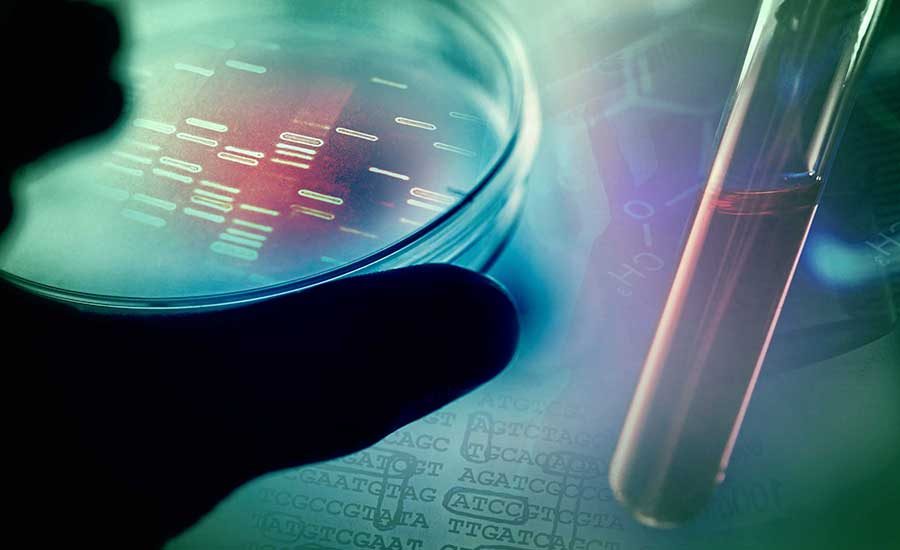
Dr. Verdonck clarified this misconception: "Source attribution cannot rely on WGS alone. It requires the combined assessment of genomic, epidemiological, and traceback evidence." He noted that while WGS is a powerful tool for establishing relatedness, it does not replace the foundational work of food inspectors and epidemiologists. The regulation does not require companies to perform routine sequencing on all products; rather, it requires their cooperation in providing isolates when an outbreak is suspected.
Implications for Industry: The Role of the Private Sector
For food companies, particularly Small and Medium Enterprises (SMEs), the regulation represents a shift in expectations. While there is no legal requirement for every small firm to invest in high-end sequencing hardware, there is an expectation of enhanced cooperation.
A New Model of Public-Private Partnership
A successful partnership between industry and regulators under the new framework will rely on three pillars:
- Clear Roles: Understanding that the national competent authority remains the data controller.
- Timely Communication: Proactive engagement when a suspected contamination arises.
- Mutual Benefit: Recognizing that sharing data can help isolate a specific contamination source, thereby limiting the scope of product recalls and protecting the brand’s reputation.
The upcoming Science Meets Policy conference will feature industry leaders from the meat, fresh produce, and processing sectors, highlighting how these companies are integrating WGS into their internal quality control programs to prevent, rather than just react to, foodborne events.
Overcoming Infrastructure and Interoperability Challenges
Despite the progress made in harmonizing bioinformatics pipelines, challenges remain. Not all Member States have the same laboratory infrastructure. EFSA and the EU Reference Laboratories are currently providing intensive training and support to ensure that every country can generate data that is comparable and interpretable.
"The challenges are now less about whether WGS can be used, and more about how to ensure that data are used in a comparable and timely way," says Dr. Verdonck. The evolution of sequencing technology means that the EU must remain agile, continuously updating its bioinformatic frameworks to maintain compatibility across different platforms.
The Path Forward: A More Proactive Future
If the implementation of Regulation (EU) 2025/179 proceeds as envisioned, the landscape of food safety in Europe will change profoundly. We are moving toward a system where:
- Investigations are Connected: Genomic data will bridge the gap between human clinical cases and the farm-to-fork continuum.
- Proactive Detection: By analyzing trends in the food chain before they become public health crises, authorities can identify "signals" that might otherwise have gone unnoticed.
- Unified Culture: The regulation fosters a shared understanding that cross-border data sharing is not a burden, but a necessity in a single market.
As we look toward the next few years, the focus will shift from the mechanics of the regulation to the effective use of the intelligence it produces. The Science Meets Policy conference serves as the inaugural forum for this transition—a venue where the scientific potential of WGS is finally translated into actionable public health policy.
For stakeholders across the food chain, the message is clear: the future of food safety is genetic, it is collaborative, and it is here. By embracing this new framework, the EU is positioning itself to be a global leader in the rapid, scientific, and transparent management of foodborne risks.