The Overstated Promise of Precision Medicine: Unpacking the Hype Around Genetic Testing
In an era defined by rapid technological advancements and a relentless pursuit of personalized solutions, "precision medicine" and direct-to-consumer (DTC) genetic testing have emerged as shining beacons of hope for optimized health and disease prevention. The vision is compelling: an individual’s unique genetic blueprint guiding tailored medical interventions, dietary recommendations, and lifestyle choices. Yet, beneath the gleaming surface of this promise, a growing chorus of skepticism questions the true utility, validity, and underlying motivations behind this burgeoning industry. Critics argue that much of what is heralded as revolutionary may, in fact, be serving vested financial interests, offering little tangible benefit to consumers, and in some cases, even leading to detrimental outcomes.
The accessibility of genetic sequencing has undergone a dramatic transformation over the past two decades. What once cost upwards of $100 million to map the entire human genome can now be achieved for approximately a thousand dollars, or even partial sequencing for around a hundred. Companies like 23andMe have made genetic insights "only a click away," promising revelations about ancestry, health predispositions, and even compatibility for relationships. This democratization of genetic information has fueled a public appetite for personalized health insights. However, as the market expands, concerns about the scientific rigor and practical value of these readily available tests are intensifying. Many of the tests currently on offer lack proper validation, leading to results that can be ultimately useless, or disturbingly, flat-out wrong.
The Rise of Genetic Testing and the Precision Medicine Initiative
The journey from the ambitious Human Genome Project, completed in 2003, to today’s ubiquitous DTC genetic tests is a chronicle of scientific triumph and commercial opportunism. Initially a monumental scientific endeavor, the plummeting cost of DNA sequencing paved the way for its commercialization, moving from specialized medical diagnostics into the consumer market. This shift was accelerated by public figures like Angelina Jolie, whose preventative double mastectomy based on her confirmed BRCA1 gene mutation brought genetic testing into mainstream consciousness, highlighting its potential for proactive health management.
By 2015, the concept of "precision medicine" had gained significant political traction, notably championed by a presidential initiative in the United States. This initiative envisioned a future where healthcare would be precisely tailored to an individual’s unique genetic makeup, environment, and lifestyle, promising to empower individuals to take a more active role in their health. The narrative was one of unprecedented personalization and empowerment, suggesting a departure from the one-size-fits-all approach of conventional medicine. This governmental backing further solidified the public perception of precision medicine as the frontier of healthcare, attracting substantial investment and fostering an ecosystem of companies eager to capitalize on genetic data.
Alarming Inaccuracies and Misleading Interpretations
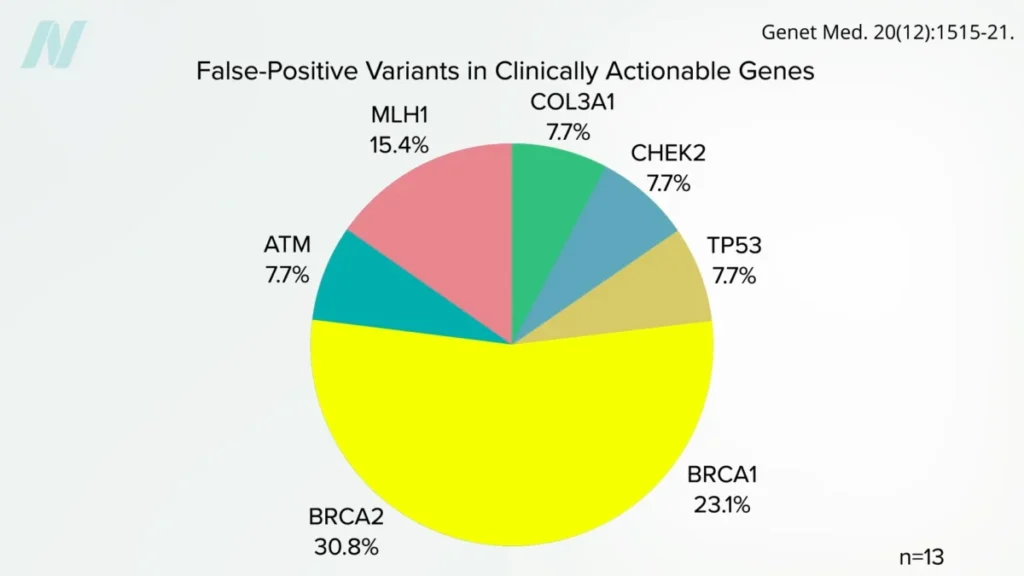
Despite the enthusiasm, a critical examination of DTC genetic testing reveals significant flaws. Research into the accuracy of these tests has uncovered an alarmingly high false-positive rate. Studies have shown that as many as 40% of tests incorrectly indicate that an individual carries a high-risk gene, such as the BRCA breast cancer gene. This means that a substantial number of people could be receiving life-altering information that is simply untrue.
Beyond false positives, even correctly identified genetic variants are sometimes misclassified in terms of their risk level. Companies may label a low-risk variant as high-risk, potentially to sensationalize results and enhance perceived value for the customer, encouraging further engagement or additional testing. The ramifications of such inaccuracies are profound. Individuals may experience immense psychological distress, anxiety, and even undergo unnecessary and invasive medical procedures. The hypothetical scenario of a prophylactic double mastectomy based on a falsely identified BRCA mutation underscores the severe ethical and physical consequences of erroneous genetic test results.
Moreover, while genome-wide association studies have indeed identified thousands of common genetic variants associated with complex diseases, their predictive power often falls short when compared to established, traditional risk factors. For instance, in the context of type 2 diabetes, approximately 50 genes have been linked to an increased risk. However, comprehensive research indicates that an obese individual with the lowest genetic risk for diabetes is still nearly five times more likely to develop the disease than a normal-weight person with the highest genetic risk. This highlights a crucial point: lifestyle factors, such as weight management, often exert a far greater influence on disease risk than genetic predispositions. Relying on genetic susceptibility information in such cases can create a false sense of security, particularly for those who are obese, potentially deterring them from essential lifestyle interventions. Current scientific understanding suggests that genetic profiles for type 2 diabetes have no significant implications for determining who should be targeted for intensive lifestyle changes; everyone with excessive body fat stands to benefit from slimming down.
The Illusion of Personalized Nutrition and Motivation
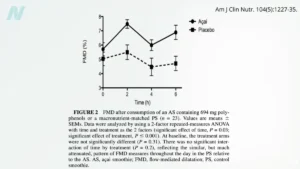
The promises of precision medicine extend beyond disease risk, venturing into personalized nutrition. A highly publicized study once suggested that tailored dietary interventions, guided by individual biological responses, could improve blood sugar management, leading some commentators to question the efficacy of universal dietary recommendations. However, a closer examination of the study’s findings reveals a more nuanced picture. The results did not demonstrate significant interpersonal variation in blood sugar responses, nor did the proposed model prove superior to existing methods for detecting high blood sugar. Crucially, the study failed to show that personalized nutritional advice offered any advantage over standard dietary recommendations for managing post-meal blood sugar levels.
Furthermore, the idea that personalized genetic risk counseling could serve as a powerful motivator for disease prevention has also been largely debunked by evidence. The notion that knowing one’s individual genetic risk profile would compel individuals to commit more rigorously to preventative efforts, particularly for conditions like diabetes, has not been supported by available research. Studies designed to test this hypothesis, randomizing participants to receive genetic tests profiling their risk for numerous diseases, consistently found no measurable changes in diet or lifestyle behaviors, even in the short term. Whether it was personalized insights on eating more greens, lowering cholesterol, or adopting healthier habits, these genetic revelations did not translate into significant dietary shifts or improvements in biomarkers such such as weight, belly fat, or cholesterol levels after several months.
The collective body of research paints a clear picture: informing individuals about their DNA-based risk estimates does not reliably alter behavior. This applies to smokers informed of their elevated lung cancer risk, or individuals told they possess a particular genetic need for healthier eating or increased physical activity. The fundamental premise of the 2015 presidential push for precision medicine—that empowering individuals with genetic awareness would drive active participation in their health—remains unsubstantiated by empirical evidence.

Serving Vested Interests: The Medical-Industrial Complex
The emphasis on "patient empowerment" within the precision medicine narrative, while appealing, often serves as a powerful marketing tool rather than a genuine catalyst for personal autonomy. Far from empowering, the complex nature of genetic information and its often ambiguous interpretations can leave patients feeling more reliant on medical authority. Moreover, the "personal" aspect of these insights is often overstated, given that the known genetic contributions to common diseases are relatively small compared to the profound impact of daily lifestyle choices.
The strategic promotion of patient empowerment, therefore, appears to be a calculated move to generate public and political support for an increasingly industrialized medical-scientific complex. This complex, a colossal economic engine, moves trillions of dollars globally, benefiting a vast network of pharmaceutical companies, diagnostic manufacturers, research institutions, and healthcare providers. The critique here is not of a grand conspiracy, but rather an observation of how the inherent dynamics of the system function.
A fundamental conflict arises when considering the true drivers of health. Healthy living, characterized by dietary prudence and regular physical activity, directly threatens the profitability of numerous powerful corporations. A healthier population, by definition, reduces the demand for doctors, drugs, and advanced medical interventions. Yet, despite overwhelming evidence pointing to the efficacy of lifestyle-based prevention, the United States continues to allocate the vast majority of its healthcare spending to clinical care—effectively cleaning up lifestyle-induced messes rather than preventing them. This prioritization explains why the U.S. far outspends other developed nations on healthcare while simultaneously achieving worse health outcomes and lower life expectancies.
In this context, the grand promises of "precision medicine" may be inadvertently serving to justify the exorbitant healthcare expenditures prevalent in finance-based medical systems. While the U.S. boasts some of the most advanced "whiz-bang technology" in the world, these sophisticated tools often fail to address the foundational ailments rooted in societal health determinants and individual behaviors. The intricate machinery of high-tech medicine, it seems, cannot fix what basic lifestyle choices could prevent.
Implications and a Call for Fundamentals
The ongoing debate surrounding precision medicine and DTC genetic testing carries significant implications for healthcare policy, public health messaging, and individual consumer choices. It forces a re-evaluation of where resources and attention should be directed. If the current evidence suggests that genetic insights do not significantly improve health outcomes or motivate behavioral change beyond what is achievable through traditional public health messaging, then the enormous investment in this area warrants critical scrutiny.
For consumers, the implications are clear: approach claims of personalized genetic health benefits with a healthy dose of skepticism. The allure of unlocking one’s genetic destiny is strong, but the practical utility and accuracy of many available tests remain questionable. The potential for unnecessary anxiety, financial burden, and even harmful medical interventions based on misleading results cannot be overlooked.
Ultimately, the findings underscore a profound truth about health: while genetics play a role, their influence is often dwarfed by the power of daily choices. The focus on complex, high-tech solutions risks distracting from the foundational principles of well-being that have been understood for generations. The most impactful steps towards preventing disease and promoting longevity remain remarkably simple and universally applicable.
Instead of chasing elusive genetic predispositions or investing in expensive personalized insights with dubious returns, the collective emphasis should return to the basics. Eat a diet rich in whole, unprocessed foods, with plenty of fruits, vegetables, and legumes. Engage in regular physical activity. Manage stress. These fundamental lifestyle interventions, regardless of one’s genetic blueprint, represent the most potent and evidence-based strategies for preventing a vast array of chronic diseases. Worrying about whether one has a 5.6 percent or 7.7 percent lifetime risk for a grave disease distracts from the overarching fact that, either way, a sensible and consistent lifestyle is the unequivocally healthiest choice for all.
Doctor’s Note
For further exploration of this topic, viewers are encouraged to watch the video "Friday Favorites: How Useful Is Personalized Nutrition?" which delves deeper into the efficacy and evidence surrounding personalized dietary advice.