Decoding Hair Loss: Beyond Genes, The Hidden Influences and Supplement Scrutiny
Hair loss, a universal concern transcending gender and age, touches the lives of approximately half the global population by their 50th birthday. Far from being a mere cosmetic issue, it often carries significant psychological weight, impacting self-esteem and quality of life. Despite its widespread prevalence, the understanding of hair loss is frequently clouded by persistent myths and a marketplace flooded with unproven remedies. This article delves into the latest scientific insights, separating fact from fiction, and examining the complex interplay of genetics, lifestyle, environmental toxins, and the often-misunderstood role of nutritional supplements.
The Pervasive Enigma of Hair Loss
The journey to understanding hair loss begins with acknowledging its sheer commonality. By the age of 50, both men and women are statistically likely to experience some degree of hair thinning or loss. For decades, popular misconceptions have fueled beliefs that excessive hair washing or vigorous brushing contribute to this phenomenon. Scientific research, however, consistently debunks these myths, pointing instead to more profound, often inherent, causes.
At its core, the majority of age-related hair loss is genetically predetermined. Studies have highlighted the significant hereditary component, particularly in male pattern baldness, where approximately 79% of the variance in hair loss between individuals is attributable to genetic factors. This strong genetic blueprint suggests that for many, the predisposition to hair loss is deeply embedded in their DNA. Yet, the story doesn’t end with genetics. The concept of "wiggle room" implies that while genes load the gun, environmental and lifestyle factors often pull the trigger, or at least influence the severity and onset of hair loss.
Unraveling the Timeline of Discovery and Influence
Humanity’s struggle with hair loss is not a modern affliction. Historical records and medical texts reveal centuries of attempts to understand and remedy this condition. Early observations, though often rudimentary, laid some groundwork. For instance, severe vitamin C deficiency, known as scurvy, was recognized centuries ago as a cause of hair loss, among other debilitating symptoms. This early correlation between nutrition and hair health was a nascent step in understanding the body’s intricate systems.
As medical science advanced, so did the tools for investigation. The Renaissance era, for example, saw physicians grappling with diseases like syphilis, often treated with highly toxic mercury compounds. Intriguingly, historical analysis suggests that even literary giants like William Shakespeare might have experienced hair loss exacerbated by mercury poisoning from such treatments, highlighting an early, albeit tragic, link between environmental toxins and hair health.
The 20th and 21st centuries ushered in an era of more rigorous scientific inquiry. The advent of genetic research, particularly twin studies, provided invaluable insights into the interplay of nature and nurture. These studies allowed researchers to isolate the impact of lifestyle choices and environmental exposures on genetically identical individuals, offering compelling evidence that while genes set the stage, our daily habits and surroundings play a critical role in the unfolding drama of hair loss. Simultaneously, the rise of the supplement industry presented new challenges, with a proliferation of products promising hair growth, often with little scientific backing, creating a complex landscape for individuals seeking effective solutions.
Beyond Genes – The Tangible Impacts of Lifestyle and Toxins
While genetic predisposition undeniably forms the bedrock of hair loss for many, a wealth of supporting data illuminates how various external factors can significantly influence its manifestation, even among those with identical genetic makeup.
The Genetic Blueprint vs. Environmental Triggers
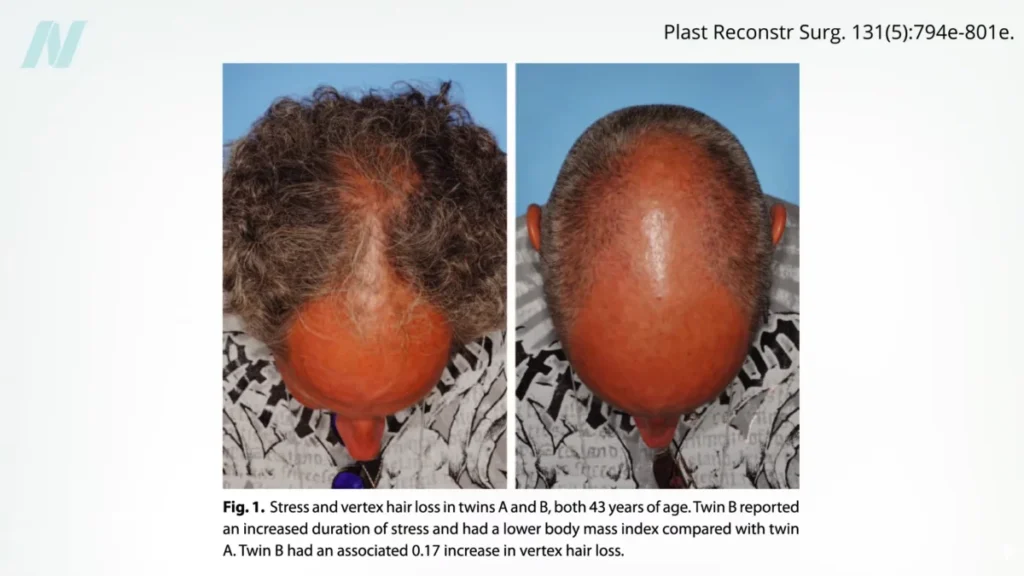
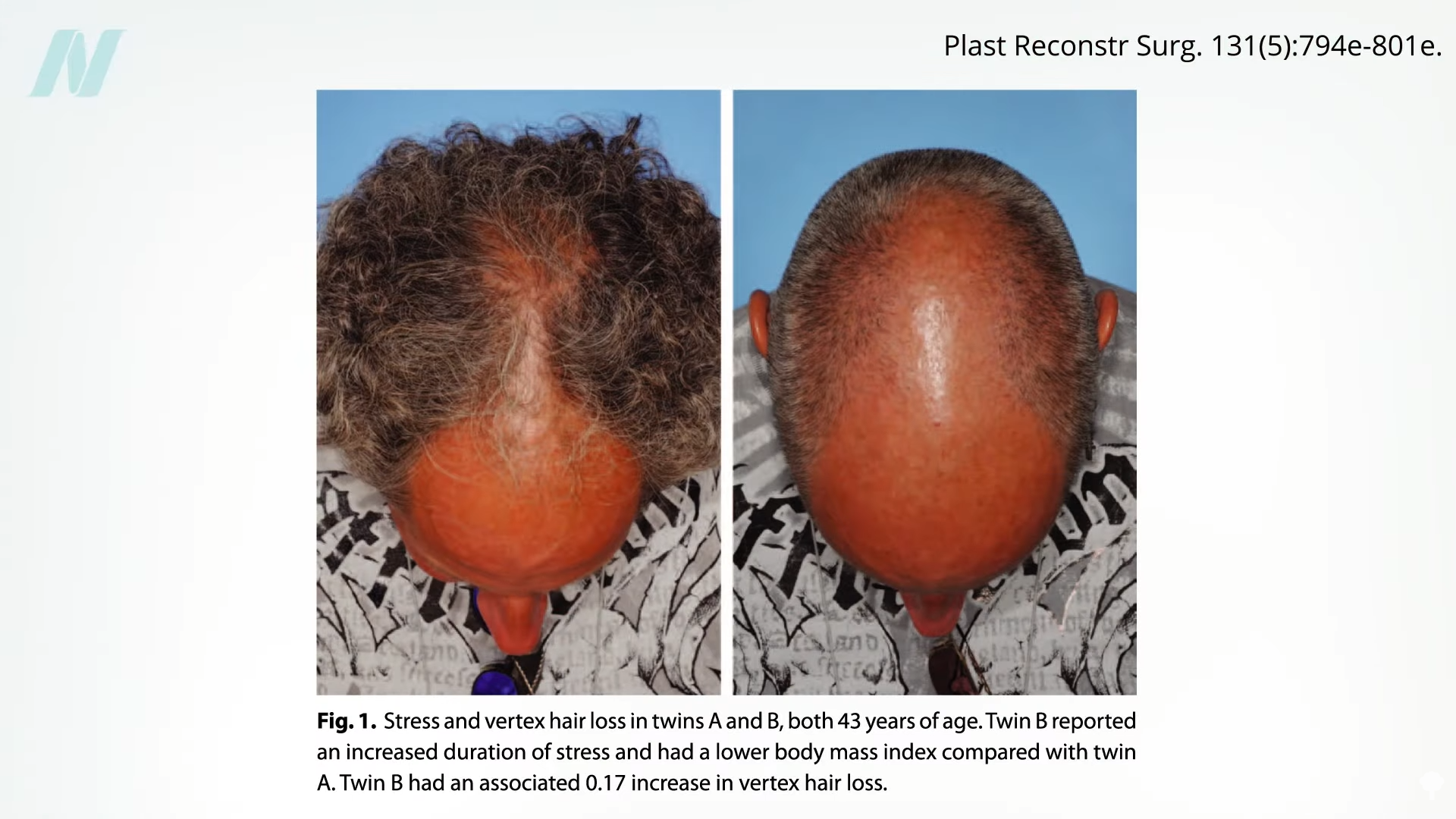
The most compelling evidence for the role of environmental factors comes from studies involving identical twins. Possessing the same DNA, these individuals offer a unique lens through which to observe how differing life experiences can lead to divergent health outcomes, including hair loss. Researchers have documented cases where one identical twin experiences more significant hair loss than the other, despite their shared genetic heritage. The distinguishing factors often include increased stress levels, a history of smoking, the number of children carried (for women), or the presence of underlying health conditions such as high blood pressure or cancer.
For instance, one study highlighted identical twin brothers where the twin who reported higher stress levels exhibited more pronounced hair loss. Similarly, another pair showed that the twin who smoked and consumed more alcohol experienced greater hair thinning. These observations underscore that while a genetic propensity might exist, the trajectory of hair loss can be profoundly altered by lifestyle choices and environmental exposures. The 79% heritability of baldness in men leaves a substantial 21% "wiggle room" – a space where interventions and conscious choices can potentially make a difference.
Smoking: A Direct Assault on Hair Follicles
Among the lifestyle factors identified, smoking emerges as a particularly potent contributor to hair loss. Research indicates that the genotoxic compounds present in cigarettes can directly damage the DNA within hair follicles. This damage compromises the ability of follicles to produce healthy hair. Furthermore, smoking is linked to microvascular poisoning at the base of the hair follicle, impeding the crucial blood supply and nutrient delivery necessary for hair growth. This dual assault – direct cellular damage and compromised microcirculation – accelerates the development of both male and female pattern baldness, making smoking cessation a critical consideration for those concerned about hair health.

The Hidden Threat of Heavy Metals: Mercury’s Role
Beyond common lifestyle choices, certain environmental toxins pose a significant, yet often overlooked, threat to hair health. Mercury, a heavy metal, is one such culprit. It exhibits a remarkable propensity to concentrate in growing scalp hair, sometimes at levels 250 times higher than in the blood. This bioaccumulation makes hair a sensitive biomarker for mercury exposure and a potential site for its toxic effects. As previously noted, historical examples, such as Shakespeare’s potential mercury poisoning from syphilis treatments, hint at this long-standing connection.
In the modern era, while direct medical mercury exposure is rare, the U.S. Centers for Disease Control and Prevention (CDC) identifies seafood consumption as the primary route for mercury to enter the human body. Certain fish species, particularly large predatory fish like tuna, shark, swordfish, and king mackerel, accumulate higher levels of mercury over their lifespan.
A compelling case study highlights this contemporary concern: a 43-year-old woman presenting with hormone-related hair loss, indicative of early menopause, was found to have elevated mercury levels. Her diet, rich in tuna, was identified as the likely source. Crucially, upon eliminating fish from her diet, her mercury levels plummeted. Within two months, her hair began to regrow, and after seven months on a fish-free diet, a complete restoration of her hair was observed. This case serves as a powerful illustration of treatable hair loss caused by heavy metal toxicity and emphasizes the importance of dietary awareness. Medical professionals are increasingly advised to consider screening for mercury toxicity in patients presenting with unexplained hair loss, as dietary modifications can offer a simple yet highly effective therapeutic intervention.
Nutritional Deficiencies: A Specific, Not Universal, Culprit
The role of nutrition in hair loss is complex and often misunderstood, largely due to the pervasive marketing of dietary supplements. While severe nutrient deficiencies can undoubtedly cause hair loss, the general consensus in scientific literature is that supplementation only benefits individuals who are genuinely deficient.
A clear example of deficiency-induced hair loss is seen in patients post-bariatric surgery. These individuals undergo anatomical rearrangements designed to induce malabsorption, making nutrient deficiencies, and consequently hair loss, a frequent and expected side effect. However, for the general population eating a normal diet, such severe deficiencies are rare.
Historically, the link between severe vitamin C deficiency (scurvy) and hair loss has been known for centuries. Yet, there is no evidence to suggest that supplementing vitamin C beyond a baseline sufficiency (i.e., enough to prevent scurvy symptoms like bleeding gums) will promote hair growth. The same principle applies to other widely marketed supplements.
Zinc, for instance, is a common ingredient in hair growth products. Zinc deficiency, which can occur in specific populations such as those with alcohol abuse disorders, can indeed lead to hair loss. However, if an individual’s blood zinc levels are normal, taking additional zinc supplements offers no benefit for hair growth and can, in fact, lead to negative side effects due to excess. The same cautionary advice extends to iron supplements; while iron deficiency anemia can cause hair loss, supplementing iron in individuals with normal iron levels is ineffective and potentially harmful.
Perhaps the most prevalent example is biotin (vitamin B7), a cornerstone ingredient in many top-selling hair loss products. While severe biotin deficiency undeniably causes hair loss, scientific data does not support the claim that biotin supplementation promotes hair growth in individuals who are not deficient. Severe biotin deficiency is exceptionally rare in healthy individuals consuming a balanced diet. One notable exception where deficiency can occur is in individuals who regularly consume large quantities of raw egg whites, as a protein called avidin in raw egg whites binds to biotin, preventing its absorption. Barring such rare deficiency syndromes, the notion that biotin supplements increase hair growth is largely a myth perpetuated by aggressive marketing.
The Perils of Unregulated Supplementation
The "can’t hurt, might help" mentality often associated with dietary supplements is a dangerous misconception, particularly given the largely unregulated nature of the supplement industry. This lack of stringent oversight can lead to products containing inaccurate dosages, contaminants, or ingredients that interact negatively with the body.
One alarming example involved an outbreak of selenium toxicity where hundreds of individuals suffered adverse effects, including hair loss, due to a supplement containing 200 times its labeled dose. Similarly, excessive intake of vitamin A can also paradoxically lead to hair loss. These incidents underscore the very real risks associated with supplements when manufacturing errors or consumer misuse occurs.
Beyond direct toxicity, biotin supplements pose a unique and particularly insidious risk: interference with critical laboratory tests. Many dietary supplements marketed for hair health contain biotin levels drastically exceeding the recommended daily intake, sometimes up to 650 times the safe amount. This excess biotin in the bloodstream can skew the results of various essential blood tests, including thyroid function tests, other hormone assays (such as pregnancy tests), and even cardiac troponin tests used to diagnose heart attacks. The potential consequences of inaccurate test results – leading to misdiagnosis, delayed treatment, or unnecessary medical interventions – can be severe, potentially life-threatening. The FDA has issued safety communications specifically warning healthcare providers and the public about this critical issue.
Official Responses: Navigating the Regulatory Landscape and Medical Guidance
The complexities surrounding hair loss and its remedies necessitate clear guidance from official bodies and the medical community. The prevailing regulatory environment for dietary supplements, particularly in countries like the United States, grants manufacturers considerable latitude compared to pharmaceutical drugs. Supplements do not undergo the rigorous pre-market approval process that medicines do, meaning their safety and efficacy are not typically verified by regulatory agencies like the FDA before they hit the shelves. This regulatory gap is a significant factor contributing to the issues of mislabeling, contamination, and unsubstantiated claims prevalent in the industry.
However, when specific dangers emerge, official bodies do act. The FDA’s safety communications regarding biotin’s interference with laboratory tests serve as a crucial official response, aiming to educate both healthcare professionals and the public about this serious concern. These warnings highlight the tangible risks of what might otherwise seem like a benign vitamin. Similarly, public health organizations like the CDC meticulously track environmental toxins such as mercury, providing data and guidelines to mitigate exposure, particularly through dietary sources.
Medical organizations and individual practitioners play a vital role in translating scientific findings into practical advice. The medical community’s response emphasizes an evidence-based approach:
- Cautious Supplementation: Advising against general vitamin and mineral supplementation for hair growth unless a specific deficiency is confirmed through blood tests.
- Screening for Toxins: Recommending screening for heavy metal toxicity, particularly mercury, in cases of unexplained hair loss, especially when dietary habits suggest potential exposure.
- Prioritizing Lifestyle: Stressing the importance of addressing modifiable lifestyle factors like smoking, stress management, and a balanced diet.
- Patient Education: Empowering patients with accurate information to dispel myths and make informed decisions, protecting them from potentially harmful or ineffective products.
Implications: Towards a Holistic Understanding and Informed Choices
The journey to understanding and managing hair loss is one that demands a holistic perspective, moving beyond quick fixes and embracing an evidence-based approach. The implications of current scientific knowledge are far-reaching, influencing personal health choices, public health policy, and the future direction of research.
Rethinking the "Can’t Hurt, Might Help" Mentality
The pervasive belief that dietary supplements are inherently harmless, encapsulated by the "can’t hurt, might help" attitude, is a dangerous oversimplification. As demonstrated by instances of selenium and vitamin A toxicity, and critically, biotin’s interference with vital medical diagnostics, supplements carry real risks. The absence of robust regulatory oversight in the supplement industry places a greater burden on consumers to be discerning and critical. This means actively questioning marketing claims, seeking advice from qualified healthcare professionals, and prioritizing peer-reviewed scientific evidence over anecdotal testimonials or celebrity endorsements. The potential for misdiagnosis due to biotin interference alone underscores that the stakes can be as high as life or death, demanding a profound shift in consumer perception.
A Path Forward: Beyond Quick Fixes
For individuals grappling with hair loss, the path forward is not paved with miracle pills but with informed decisions and, where appropriate, medical guidance. This involves:
- Addressing Underlying Conditions: Consulting a doctor to rule out or manage any medical conditions (e.g., thyroid disorders, autoimmune diseases, heavy metal toxicity) that could be contributing to hair loss.
- Lifestyle Modifications: Implementing changes that mitigate known risk factors, such as stress reduction techniques, smoking cessation, and a diet mindful of potential heavy metal exposure.
- Targeted Nutritional Intervention: If a specific nutrient deficiency is identified through clinical testing, then, and only then, considering targeted supplementation under medical supervision.
- Patience and Realism: Recognizing that hair growth is a slow biological process and that results, even with effective interventions, will take time.
The insights gained from understanding the genetic and environmental drivers of hair loss offer a powerful alternative to the often-disappointing quest for a "magic bullet." By focusing on foundational health and addressing specific, identified issues, individuals can approach hair loss management with greater efficacy and safety.
The Future of Hair Health Research
The ongoing exploration into hair loss promises even more refined solutions. Future research will likely continue to unravel the intricate genetic pathways involved, paving the way for personalized medicine approaches. Furthermore, the focus will broaden to explore the full spectrum of environmental influences, including the microbiome, pollution, and advanced dietary interventions.
This article serves as the inaugural piece in a three-part series dedicated to hair loss and growth. Subsequent discussions will delve into The Benefits and Risks of Hair Loss Drugs, providing a critical examination of pharmacological interventions, and What Foods Help Hair Growth?, offering evidence-based dietary strategies to support follicular health. Additionally, for those concerned about environmental toxins, further resources on How to Lower Heavy Metal Levels with Diet are available, reinforcing the message that informed dietary choices can be a potent tool for overall health and well-being, including hair vitality. The journey to understanding hair loss is continuous, but by grounding our knowledge in scientific evidence, we can make more informed and ultimately more effective choices for our health.