Dietary Frontiers: Unlocking Hair Regrowth Through the Power of Food
Main Facts
Hair loss, particularly androgenetic alopecia – commonly known as male or female pattern hair loss – represents one of the most prevalent and often distressing chronic conditions encountered in dermatology. Characterized by a progressive thinning of hair, predominantly across the central scalp, this condition can significantly impact an individual’s self-esteem and quality of life. While a range of pharmacological treatments and surgical interventions exist, a growing body of research is shedding light on an intriguing, yet often overlooked, avenue for support: the profound influence of diet. Recent studies suggest that specific dietary components, including hot peppers, soy foods, and pumpkin seeds, may offer tangible benefits in combating hair loss, presenting a compelling argument for a more holistic approach to hair health. This exploration delves into the scientific underpinnings of these dietary interventions, examining their potential mechanisms and the evidence supporting their efficacy.
Androgenetic alopecia is a complex condition driven by a combination of genetic predisposition and hormonal factors, primarily the sensitivity of hair follicles to dihydrotestosterone (DHT), a potent androgen derived from testosterone. In genetically susceptible individuals, DHT can miniaturize hair follicles, leading to shorter, finer hair, and eventually, cessation of hair production. While conventional treatments often focus on blocking DHT production or promoting blood flow to the scalp, the burgeoning field of nutritional science posits that dietary modifications can influence these biological pathways, either directly through specific compounds or indirectly by optimizing overall physiological health, including the crucial role of the gut microbiome. The question, therefore, is not merely about supplementing, but about understanding what role a well-considered diet might play in the comprehensive management and even reversal of hair loss.
Chronology: Tracing the Path to Dietary Insights
The journey to understanding the dietary links to hair health has been incremental, beginning with surprising observations and progressing to more rigorous scientific investigations.
The Gut-Hair Axis: A Fecal Clue
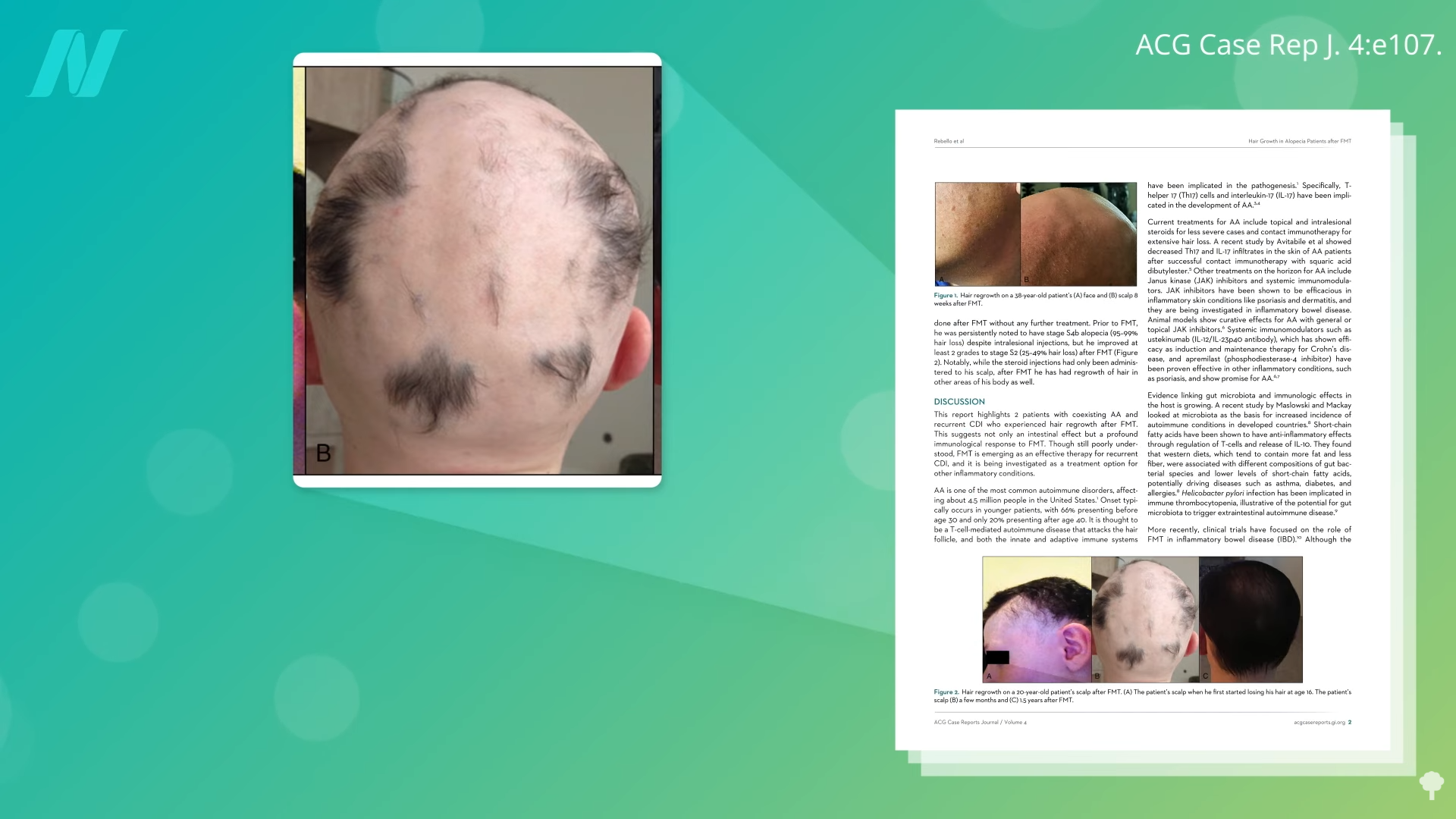
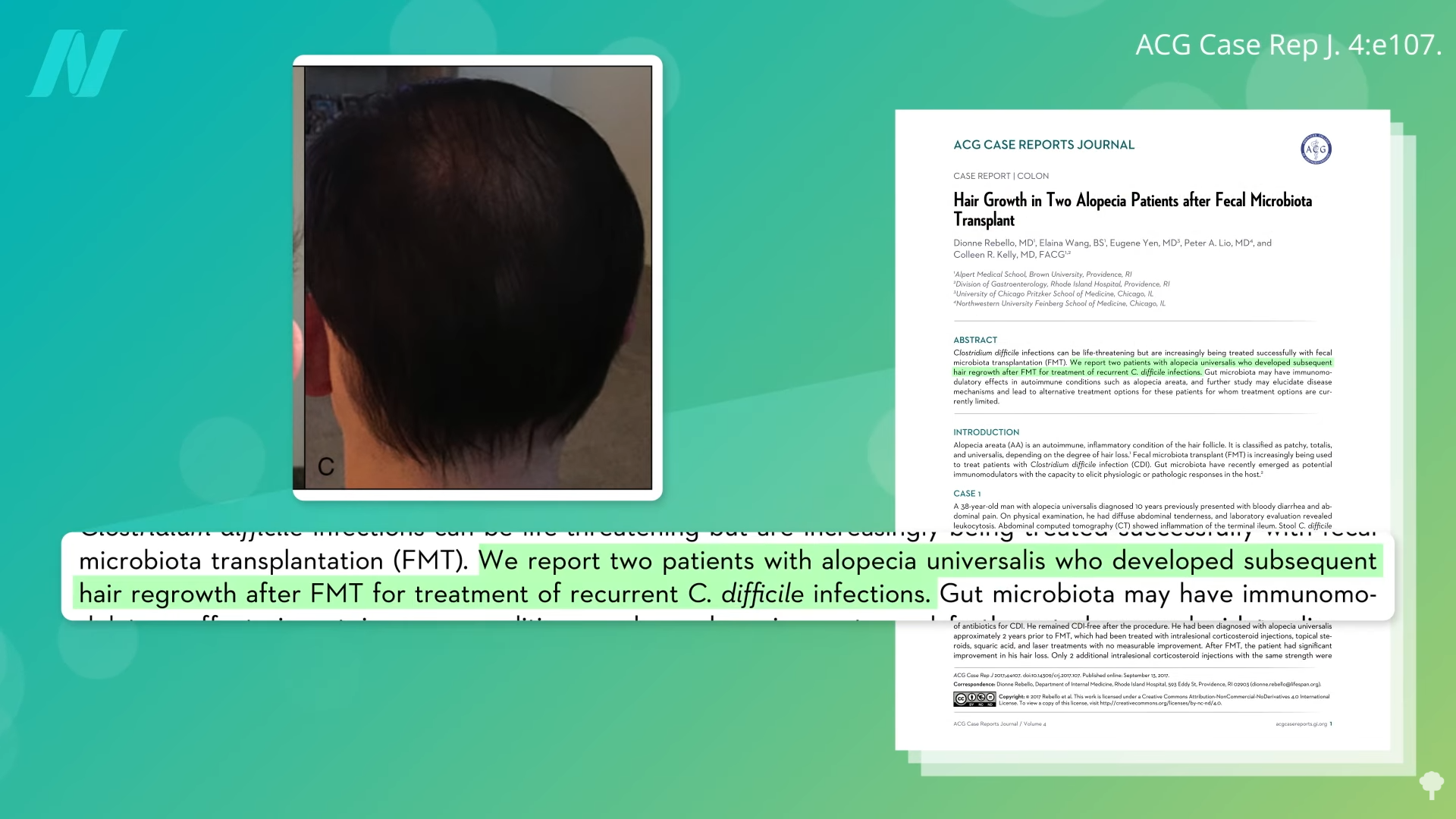
One of the most striking clues regarding the power of internal bodily systems, particularly the gut microbiome, emerged from an unexpected source: human experiments with fecal transplants. While primarily used to treat recurrent Clostridioides difficile infections, these procedures offered a remarkable, albeit anecdotal, insight into systemic health. Reports surfaced detailing improvements in unrelated conditions, including hair loss, following the administration of a "fecal slurry made from freshly passed stools" from a healthy donor into another person’s colon.
Perhaps the most compelling example involved a completely bald individual who, several months after receiving a fecal transplant, began to regrow hair. This wasn’t a subtle change; images documented a dramatic transformation, showing significant hair regeneration. A little over a year post-transplant, the individual’s hair had reportedly regrown completely. This extraordinary case underscored the profound, far-reaching influence of our internal microbial ecosystem, suggesting that the intricate balance of gut bacteria could impact processes as seemingly distant as hair follicle health. The key takeaway from this astonishing observation, however, isn’t to advocate for unconventional medical procedures for hair loss, but rather to highlight the critical importance of nurturing a healthy, diverse gut microbiome through diet and lifestyle. A flourishing gut biome is increasingly recognized as a cornerstone of overall health, influencing everything from nutrient absorption and immune function to inflammation and hormone regulation—all factors that can indirectly or directly impact hair growth cycles.
Population Studies: Unveiling Lifestyle Connections
Moving beyond individual case studies, broader population-level research has begun to identify correlations between dietary habits, lifestyle choices, and the prevalence of hair loss. These observational studies, while not establishing direct causation, offer valuable insights into potential protective or risk factors.
For instance, studies have consistently found a negative association between male pattern baldness and certain lifestyle patterns. Poor sleeping habits, indicative of chronic stress and systemic imbalance, have been linked to increased hair loss risk. Similarly, diets rich in meat and processed "junk food" have shown detrimental associations. The potential mechanisms here are varied: high consumption of red and processed meats can contribute to inflammation and elevated androgen levels, while junk food diets are often deficient in essential nutrients and promote systemic inflammation, both of which are hostile environments for healthy hair growth.
Conversely, protective associations were identified with the consumption of raw vegetables and fresh herbs, staples of nutrient-dense, anti-inflammatory diets. These foods are packed with vitamins, minerals, antioxidants, and phytochemicals that support overall cellular health, including that of hair follicles. Perhaps most notably, frequently consuming soymilk emerged as a significant protective factor. One study reported that drinking soy beverages on a weekly basis was associated with a remarkable 62% lower odds of experiencing moderate to severe hair loss. This observation strongly suggested the presence of protective compounds within plants, particularly soy, that could modulate the hormonal or inflammatory pathways implicated in hair loss. These population-level insights paved the way for more targeted experimental research.
Navigating the Landscape of Evidence: The Need for Rigor
Despite the growing interest in natural and complementary approaches, the field of hair loss research, particularly concerning dietary interventions, is fraught with challenges. Many "complementary and alternative medicine" (CAM) treatments are marketed with bold claims of safely "curing" hair loss with "fewer side effects" than conventional medicine. However, a critical review of the literature reveals a significant disparity in the quality of evidence.
A substantial portion of early research suffers from methodological weaknesses that limit its applicability to humans. For example, many studies have little relevance because the evidence was obtained from experiments conducted on shaved rodents. While animal models can provide preliminary insights, the physiological differences between species often mean that results do not translate directly to humans. The humorous, albeit concerning, example of researchers smearing shaved mice with bee venom highlights the sometimes-dubious nature of such investigations. Even when studies are conducted on actual people, a common flaw is the absence of a placebo control group. Without a comparison group receiving an inert substance, it becomes impossible to determine whether any observed improvements are due to the intervention itself, the placebo effect, or simply the natural progression (or regression) of the condition. This underscores the critical importance of relying on robust, well-designed clinical trials – specifically, randomized, double-blind, placebo-controlled studies – to ascertain the true efficacy of any hair loss treatment, dietary or otherwise.
Supporting Data: Evidence from Clinical Trials
Fortunately, some dietary interventions have successfully navigated the rigorous demands of scientific scrutiny, yielding promising results in human trials.
The Power Duo: Hot Peppers and Soy
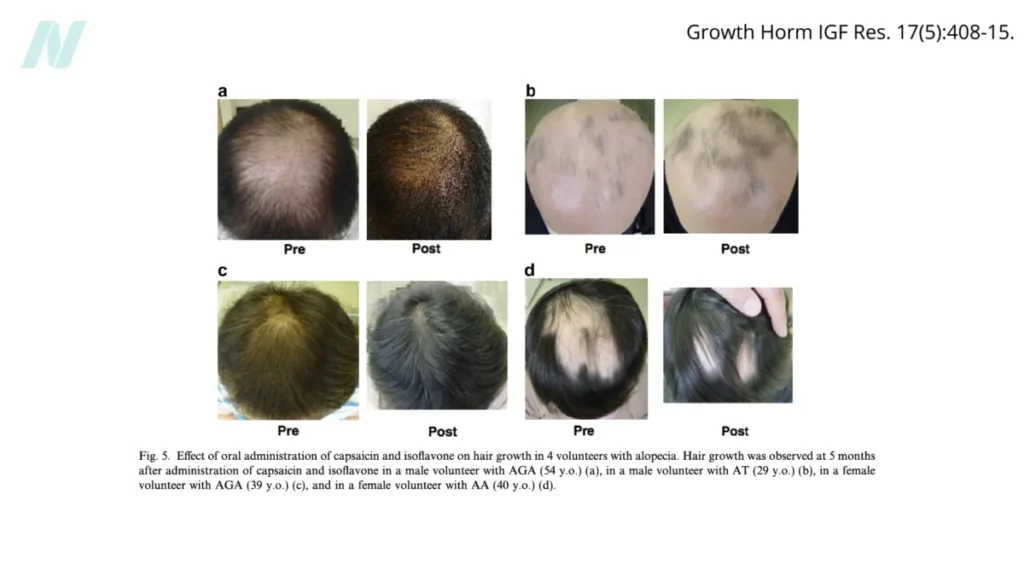
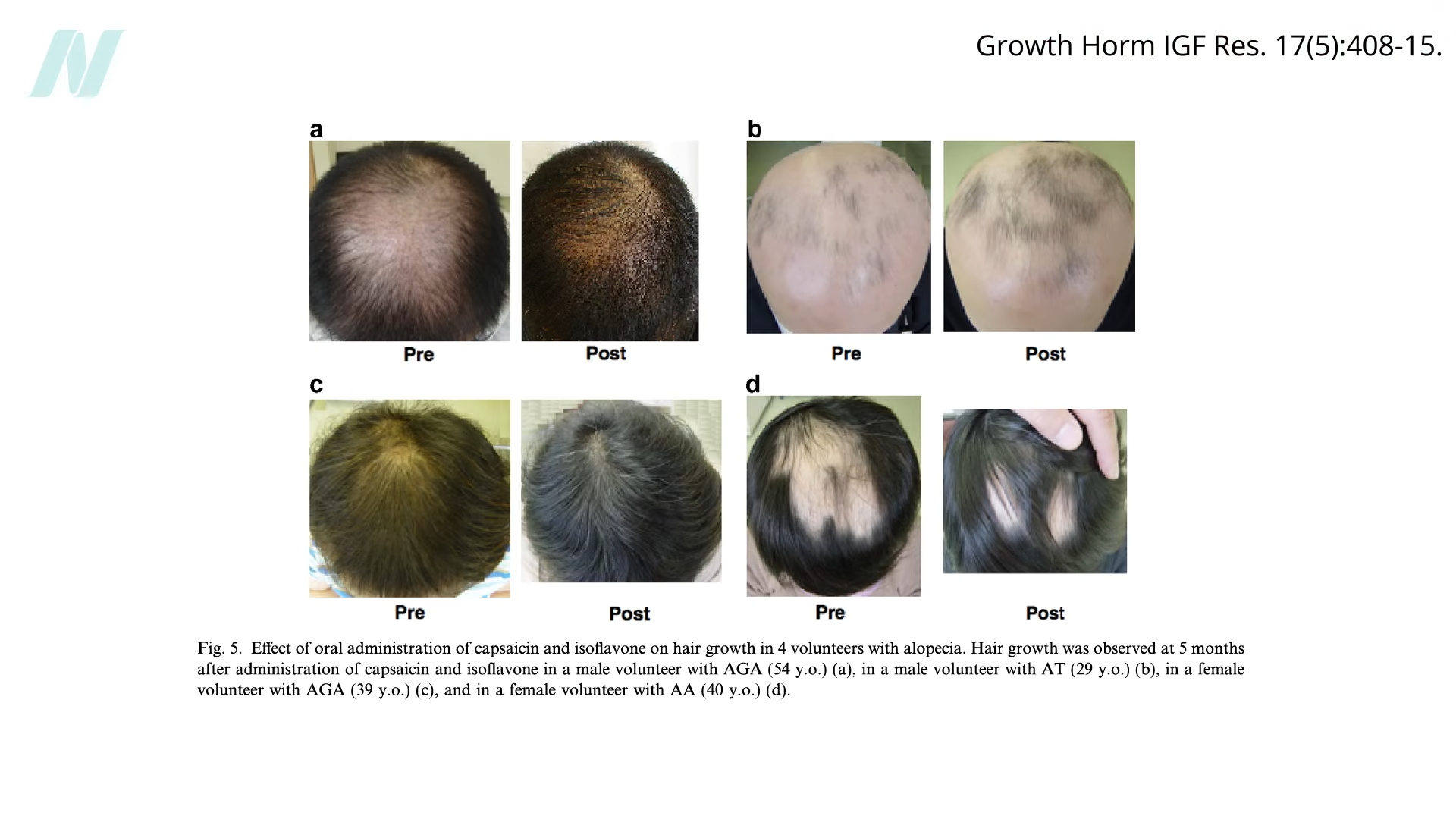
One such success story involves a randomized, double-blind, placebo-controlled study investigating the combined effects of compounds found in hot peppers and soy. This high-quality study design is the gold standard in clinical research, minimizing bias and allowing for strong conclusions about cause and effect. The findings were compelling, demonstrating a significantly higher promotion of hair growth in participants receiving the active compounds compared to the placebo group.
Visual evidence from the study, captured through before-and-after photographs of both men and women, illustrated visible improvements in hair density and coverage. The specific dosages used in the study were relatively modest and easily attainable through a balanced diet. Participants received 6 milligrams of capsaicin per day, the active compound responsible for the heat in chili peppers. To put this into perspective, just a quarter of a fresh jalapeno pepper can provide this amount. Alongside capsaicin, participants also received 75 milligrams of isoflavones, plant compounds abundant in soy. This amount can be obtained by consuming approximately three-quarters of a cup of tempeh or straight soybeans.
The proposed mechanisms behind these effects are multifaceted. Capsaicin is known to stimulate blood flow, which can improve nutrient delivery to hair follicles. It has also been linked to the promotion of insulin-like growth factor-1 (IGF-1), a protein crucial for hair follicle development and growth. Soy isoflavones, such as genistein and daidzein, are phytoestrogens, meaning they can exert mild estrogen-like effects in the body. More importantly for hair loss, some research suggests that isoflavones may inhibit the activity of 5-alpha reductase, the enzyme responsible for converting testosterone to DHT, thereby reducing the androgenic assault on hair follicles.
While soy nuts (dry-roasted soybeans) offer a more concentrated source of isoflavones, a crucial caveat emerges regarding preparation methods. High-fat, high-protein foods prepared at high temperatures, such as roasted or toasted nuts, seeds, or soy, can lead to the formation of advanced glycation end-products (AGEs). AGEs are harmful compounds implicated in inflammation, oxidative stress, and various chronic diseases, including those that can negatively impact skin and hair health. Therefore, while incorporating soy and peppers into the diet is beneficial, prioritizing fresh, minimally processed forms like tempeh, edamame, or fresh jalapenos is advisable to maximize benefits and minimize potential downsides.
Pumpkin Seed Oil: A Surprising Ally
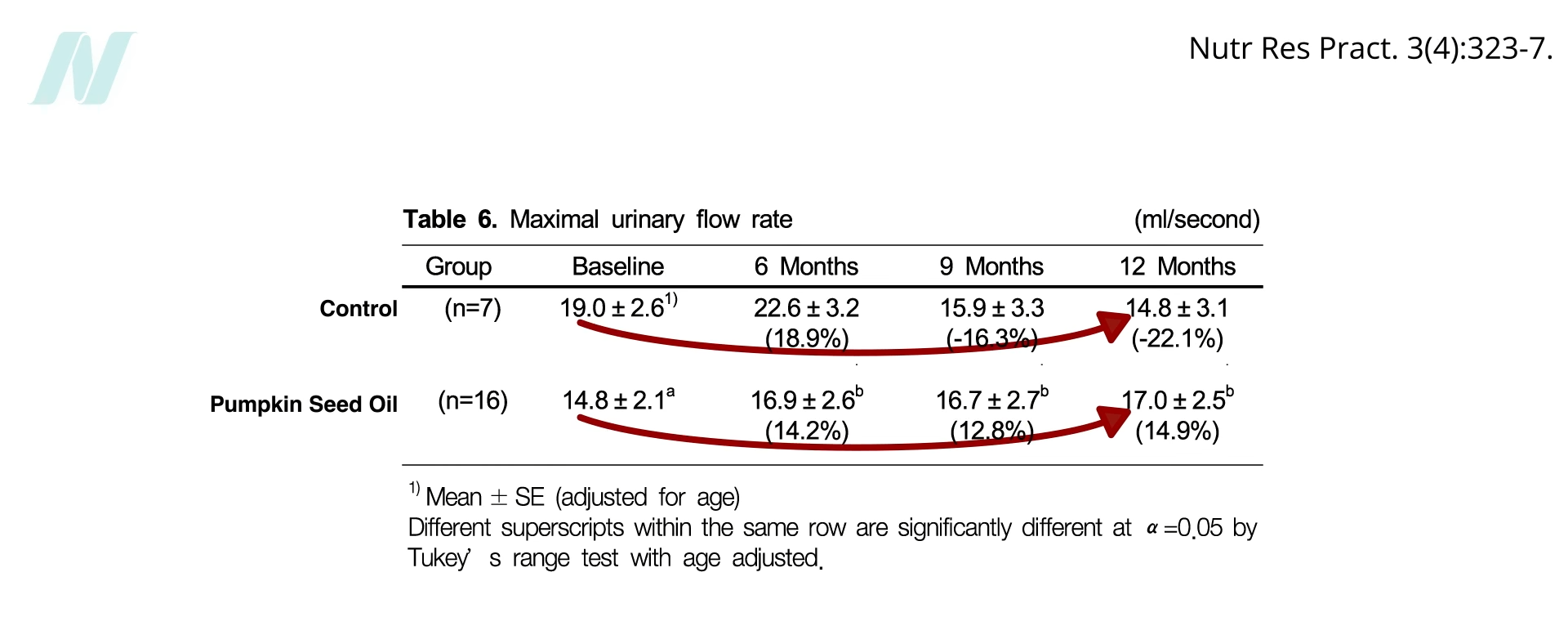
Another remarkable discovery in the dietary fight against hair loss stems from an unexpected medical context: benign prostatic hyperplasia (BPH), or enlarged prostate glands. In 2009, a study conducted in South Korea investigated the effects of pumpkin seed oil on men with BPH. Participants randomized to receive just 320 milligrams of pumpkin seed oil daily—an amount equivalent to a mere sixteenth of a teaspoon, or just a few drops—demonstrated improved urinary flow rates. In contrast, the control group experienced a continued decline in urinary function. This improvement in BPH symptoms, which are often linked to hormonal imbalances and inflammation, hinted at an anti-androgen effect of pumpkin seed oil.
Given that androgenetic alopecia is also driven by androgens, particularly DHT, researchers hypothesized that pumpkin seed oil might similarly benefit hair loss. This hypothesis was supported by preliminary studies, including topical applications in mice, which showed promising results. The logic was sound: if pumpkin seed oil could mitigate prostate enlargement by influencing androgen pathways, it might also counteract the miniaturizing effects of androgens on hair follicles. The inherent nutritional richness of seeds – including pumpkin, squash, and watermelon seeds – which are often discarded, further underscored their potential as valuable dietary components. These seeds contain a "rich repertoire" of bioactive compounds, including fatty acids, sterols, and antioxidants, all of which could contribute to systemic health and, by extension, hair health.
To rigorously test this hypothesis, a randomized, double-blind, placebo-controlled trial was conducted on 76 men suffering from male pattern baldness. Participants were divided into two groups: one receiving 400 milligrams of pumpkin seed oil per day, concealed within capsules, and the other receiving placebo capsules. The daily dosage of 400 milligrams is roughly equivalent to the oil extracted from two to two and a half pumpkin seeds, highlighting the potency of this concentrated oil.
After 24 weeks of treatment, the results were striking. Objective measurements of scalp hair growth revealed a significant difference between the groups. The pumpkin seed oil group experienced an impressive 40% increase in hair counts, compared to only a 10% increase in the placebo group. Furthermore, self-rated improvement and satisfaction scores were notably higher in the pumpkin seed oil group, indicating that participants themselves perceived a positive change. When investigators, blinded to the group assignments, reviewed before-and-after photographs, they consistently rated the placebo group as either unchanged or slightly worsened over time, while the pumpkin seed oil group showed significant improvement. In fact, 95% of participants in the pumpkin seed oil group were rated as either unchanged or improved, whereas over 90% in the placebo group were classified as unchanged or worsened.
Given the pronounced anti-androgen effect observed, a common concern might be potential sexual side effects, such as erectile dysfunction, which can sometimes be associated with conventional DHT-blocking medications. Encouragingly, researchers meticulously assessed an index of erectile dysfunction both before and after the study and found no evidence of adverse effects in the pumpkin seed oil group. This robust safety profile, combined with the significant efficacy, positions pumpkin seed oil as a highly promising natural intervention for male pattern baldness.
Official Responses and Expert Consensus
While the findings regarding hot peppers, soy, and pumpkin seeds are compelling, it is crucial to place them within the broader context of medical and dermatological practice. The medical community is increasingly recognizing the multifaceted nature of hair loss, moving beyond a purely genetic or hormonal paradigm to acknowledge the significant influence of lifestyle, nutrition, and systemic health. Dermatologists and trichologists are becoming more open to discussing complementary strategies, especially those supported by rigorous scientific evidence.
However, it is important to note that dietary interventions are generally viewed as supportive or adjunctive therapies rather than standalone "cures" for severe hair loss, particularly in cases where significant follicular miniaturization has already occurred. They are often recommended as part of a holistic management plan that may also include conventional medications (like minoxidil or finasteride), low-level laser therapy, or hair transplantation, depending on the individual’s specific condition and severity.
The current expert consensus emphasizes an evidence-based approach. While traditional medicine has long focused on pharmacological solutions, the growing body of research on nutrition, particularly from sources like NutritionFacts.org, championed by Dr. Michael Greger, provides valuable data that can inform patient discussions. Healthcare professionals are increasingly encouraged to inquire about patients’ dietary habits and suggest modifications that align with scientifically supported benefits, especially when these interventions carry minimal risk and offer broader health advantages. The integration of dietary advice into hair loss management represents an evolving frontier, bridging the gap between nutritional science and clinical dermatology.
Implications: A Path Forward for Hair Health
The implications of these dietary discoveries are profound, offering individuals a degree of empowerment in managing their hair loss through accessible and natural means. The overarching message is clear: diet plays a far more significant role in hair health than previously understood, extending beyond mere nutrient provision to modulating complex physiological processes like hormonal balance and gut microbiome function.
Actionable Takeaways for Individuals:
- Prioritize Gut Health: The compelling evidence from fecal transplants underscores the foundational importance of a healthy gut microbiome. This can be achieved through a diverse, fiber-rich, plant-based diet abundant in fruits, vegetables, legumes, and whole grains. Fermented foods like kimchi, sauerkraut, and plant-based yogurts can also contribute to gut diversity. Limiting processed foods, excessive animal products, and artificial additives is equally crucial.
- Incorporate Hot Peppers and Soy: For those seeking to leverage the benefits of capsaicin and isoflavones, integrating fresh jalapeno peppers (or other chilies) and soy products like tempeh, edamame, or straight soybeans into the diet is a practical step. Remember the caution against overly roasted or toasted soy products to avoid AGE formation.
- Embrace Pumpkin Seeds: The robust evidence for pumpkin seed oil, even in small doses, makes pumpkin seeds an excellent addition to a hair-healthy diet. A handful of raw or lightly roasted pumpkin seeds can easily meet the daily equivalent dosage and also contribute to Dr. Greger’s "Daily Dozen" recommendation for nuts and seeds. These can be sprinkled on salads, oatmeal, or consumed as a healthy snack.
- Adopt a Wholesome Dietary Pattern: The population studies consistently linked poor sleeping habits and the consumption of meat and junk food to increased hair loss, while raw vegetables and fresh herbs showed protective associations. This reinforces the need for an overall healthful dietary pattern—one that minimizes inflammatory foods and maximizes nutrient-dense, plant-based options.
Beyond the Scalp: Holistic Benefits
One of the most appealing aspects of these dietary recommendations is that they offer benefits far beyond hair health. A diet rich in plant-based foods, healthy fats (like those in pumpkin seeds), and anti-inflammatory compounds supports cardiovascular health, gut integrity, cognitive function, and reduces the risk of numerous chronic diseases. Therefore, adopting these dietary strategies for hair loss is a win-win, contributing to overall well-being with minimal, if any, adverse effects.
Future Directions
While current research provides compelling evidence, more large-scale, long-term studies are always warranted to further elucidate optimal dosages, explore synergistic effects of different compounds, and understand the precise mechanisms of action in diverse populations. The intersection of nutrition, dermatology, and microbiome science is a rapidly evolving field, promising even more sophisticated insights into the role of diet in preventing and managing hair loss.
In conclusion, the journey from surprising fecal transplant observations to rigorous placebo-controlled trials has illuminated a powerful, yet often underestimated, tool in the fight against hair loss: our daily diet. By making informed food choices, individuals can actively support their hair health, potentially slowing progression, encouraging regrowth, and contributing to a more vibrant, confident self, all while enhancing their overall health. The moral of the story isn’t to seek out unconventional medical procedures, but rather to keep our good gut bugs happy and our bodies nourished with the incredible power of whole, plant-based foods.