WASHINGTON, D.C. — Before the average household’s morning coffee finishes brewing, international trade policy has already assessed a surcharge on the breakfast table. For millions of Americans in 2026, the standard $100 grocery run now frequently tops out at $140. Economists warn that this sudden shift is not merely a continuation of standard post-pandemic monetary inflation, but rather the direct result of a complex web of newly implemented packaging tariffs, import duties, and supply chain markups.
According to the latest data from the U.S. Congress Joint Economic Committee (JEC), the financial strain on domestic budgets is substantial. The JEC estimates that American families have had to spend an average of over $3,500 more on general goods and services annualized since 2024, with at least $310 of that sum directly attributed to escalating grocery costs. From seasonal price spikes on imported Mexican produce to sweeping aluminum and tinplate steel tariffs inflating the cost of basic canned staples, trade duties are steadily eroding consumer confidence at checkout.
Main Facts: The Structural Drivers of Grocery Inflation
While the high-inflation environment of 2022 and 2023 was primarily driven by pandemic-era supply chain bottlenecks and historic monetary expansion, the price surges observed in mid-2026 stem from a different catalyst: targeted trade policy.
Estimated Annualized Household Cost Increase Since 2024:
├── Total Goods & Services: Over $3,500
└── Direct Grocery Surcharge: $310
Three primary structural factors are driving the current wave of retail food price increases:
The Metal Packaging Surcharge: Food-grade tinplate steel and aluminum—the primary materials used to manufacture cans for beans, vegetables, and soups—are currently subject to heavy import tariffs. Because domestic metal production cannot fully satisfy the demand of the U.S. food packaging sector, manufacturers rely on imported metals, passing the associated tariff costs directly to consumer brands.
Bilateral Import Duties on Fresh Produce and Seafood: Over 80% to 90% of the seafood consumed in the United States is imported. Similarly, key produce items, such as fresh tomatoes, rely heavily on international partners like Mexico. The imposition of new import duties and the expiration of long-standing trade agreements have resulted in double-digit tariff rates at ports of entry.
The Middleman Markup Compounder: Tariffs are levied at the port of entry and paid by the initial importer. However, because the American food distribution network relies on multiple intermediaries—including processors, brokers, regional distributors, and retail chains—each entity applies its standard percentage markup to the newly inflated base cost. Consequently, a modest tariff assessed at the border compounds significantly by the time the product reaches the supermarket shelf.
Chronology: The Legal and Political Evolution of the 2026 Tariff War
The current state of grocery pricing is the culmination of a multi-year legal and legislative battle over executive tariff authority and international trade agreements.
[2022-2023] Post-Pandemic Inflation Spikes
      │
[2024] Price Stabilization (Inflation flattens to a calm baseline)
      │
[Mid-2025] Emergency Tariffs Imposed on Green Coffee (Brazil/Colombia)
      │
[Feb 2026] Supreme Court Rules Executive Emergency Tariffs Illegal
      │
[June 2026] Administration Reverses Coffee Tariffs, Seeks Legal Loopholes
      │
[July 2026] Fresh Round of Tariffs Announced (10% to 12.5% baseline on 60 nations)
2022–2023: The United States experiences severe post-pandemic supply chain disruptions, driving grocery inflation to historic highs.
2024: Market conditions stabilize. Grocery inflation flattens to a predictable, steady baseline, providing a temporary reprieve for household budgets.
Mid-2025: Citing national security and trade deficits, the administration implements steep emergency tariffs on Colombian and Brazilian green coffee, alongside broad packaging materials.
February 2026: In a landmark decision, the Supreme Court of the United States rules that the administration’s prior use of emergency frameworks to unilaterally impose broad-spectrum tariffs was illegal, temporarily striking down the emergency tariff schedules.
June 2026: Acknowledging that crops like coffee and bananas are not grown domestically in commercial quantities, the administration reverses course on specific green coffee duties. However, trade officials immediately begin pursuing alternative statutory pathways to reconstruct the tariff framework.
July 2026: The administration officially announces a fresh round of tariffs targeting 60 global trading partners. The new policy establishes baseline tariffs of 10% to 12.5% on most imports, with targeted duties climbing as high as 25% on goods from Brazil and 50% on imports from Canada.
Present (Mid-2026): Congress repeatedly votes to sustain and fund these ongoing trade measures, setting up a major economic debate ahead of the 2026 midterm elections.
Data compiled from the U.S. Bureau of Labor Statistics (BLS) Consumer Price Index (CPI), the USDA Economic Research Service (ERS) Food Price Outlook, and commodity-gate pricing reports from the National Agricultural Statistics Service (NASS) illustrate the direct impact of these policies on specific food categories.
Ground Beef
The retail price of ground beef has reached record highs due to a combination of domestic and international pressures. Domestically, U.S. ranchers are grappling with historic cattle shortages due to multi-year droughts. To meet demand, American processors blend domestic fat trimmings with lean beef trimmings imported from Australia and Brazil. Pricing friction and high tariffs on these foreign lean trimmings have driven retail ground beef prices up significantly.
Fresh Tomatoes
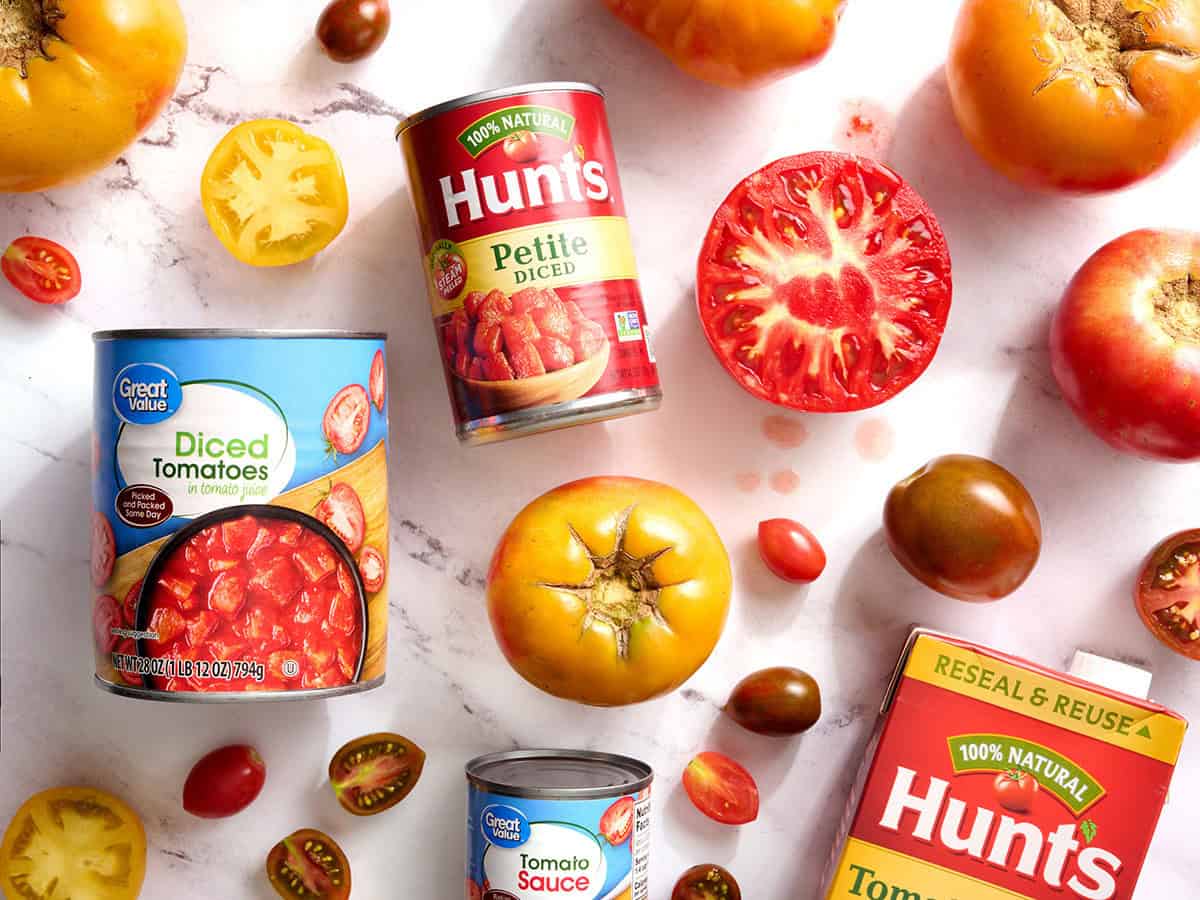
Mexico supplies approximately 70% of the fresh tomatoes consumed in the United States. Following the U.S. withdrawal from the long-standing U.S.-Mexico Tomato Suspension Agreement, a 17% tariff was triggered on all imported Mexican tomatoes. Because domestic greenhouses and seasonal farms cannot scale quickly enough to meet national demand, retailers have passed the 17% border tax directly to consumers.
Seafood
With up to 90% of domestically consumed seafood sourced abroad, exporters in Vietnam, India, Indonesia, and Canada remain subject to non-IEEPA trade measures, such as anti-dumping duties and Section 301 tariffs. As a result, seafood price increases continue to outpace the long-term baseline of standard CPI food inflation.
Dairy, Wine, and Spirits
Despite the Supreme Court’s February ruling, European cheeses, wines, and spirits continue to face targeted trade barriers. The compounding effect of the U.S. three-tier alcohol distribution system means that a small tariff assessed at the port is marked up by importers, state distributors, and local retailers, culminating in high double-digit retail price hikes.
Empirical Evidence: The Recipe Re-Costing Study
To isolate the specific impact of tariff policies from general inflation, culinary analysts at the Nashville Test Kitchen re-costed three popular budget-friendly recipes, comparing their standardized 2024 retail baselines against actual market prices in July 2026.
Recipe Price Hikes (2024 vs. July 2026):
├── Tuscan White Bean Stuffed Tomatoes: +46.28%
├── Shrimp and White Bean Stew: +39.84%
└── Pasta e Fagioli: +27.57%
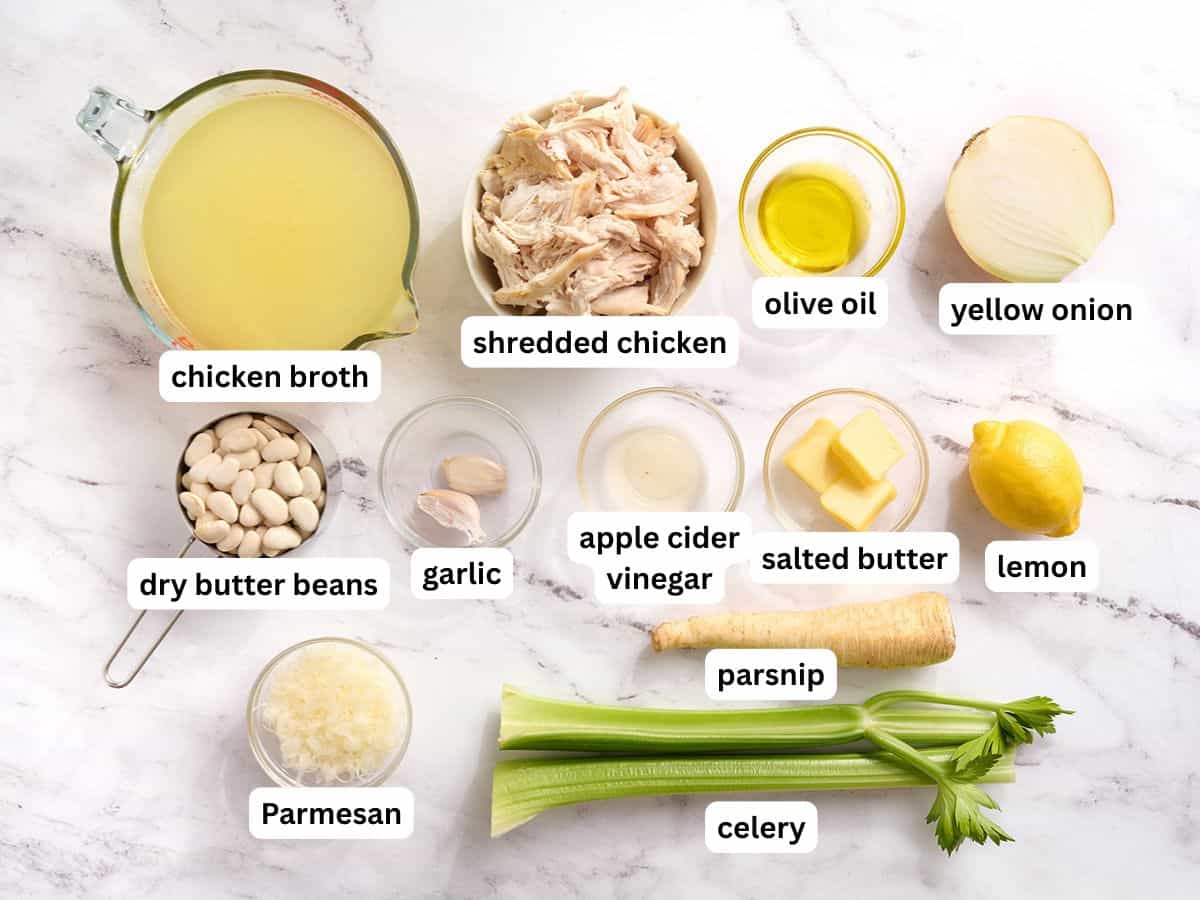
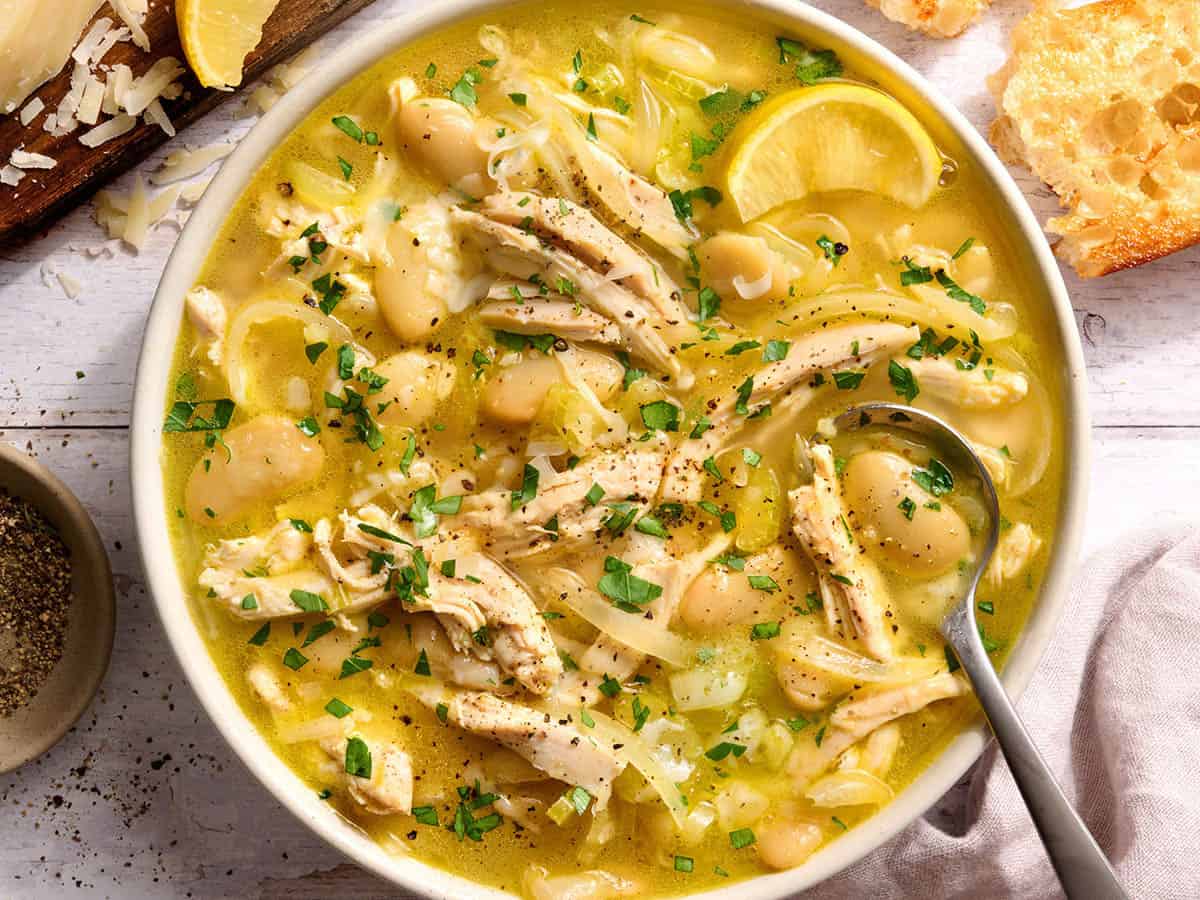
1. Shrimp and White Bean Stew
2024 Cost Baseline: $11.22
July 2026 Cost: $15.69
Net Increase: $4.47 (+39.84%)
Analytical Breakdown: The primary cost drivers in this recipe were canned butter beans and imported shrimp. Two 15-ounce cans of butter beans jumped by $1.62, representing over 36% of the meal’s total price increase. This spike is directly attributed to the tinplate steel tariffs on food cans. Additionally, one pound of imported shrimp rose by $1.51 (+23%), driven by a combination of ocean freight surcharges and targeted aquaculture import tariffs.
2. Tuscan White Bean Stuffed Tomatoes
2024 Cost Baseline: $9.42
July 2026 Cost: $13.78
Net Increase: $4.36 (+46.28%)
Analytical Breakdown: The 17% tariff on Mexican tomatoes caused the retail price of four fresh slicer tomatoes to spike to nearly $8.00 in the test kitchen’s local supermarket. Auxiliary ingredients—such as celery, carrots, and onions—also registered increases, reflecting broader diesel fuel surcharges and elevated synthetic fertilizer costs linked to geopolitical tensions in the Middle East.
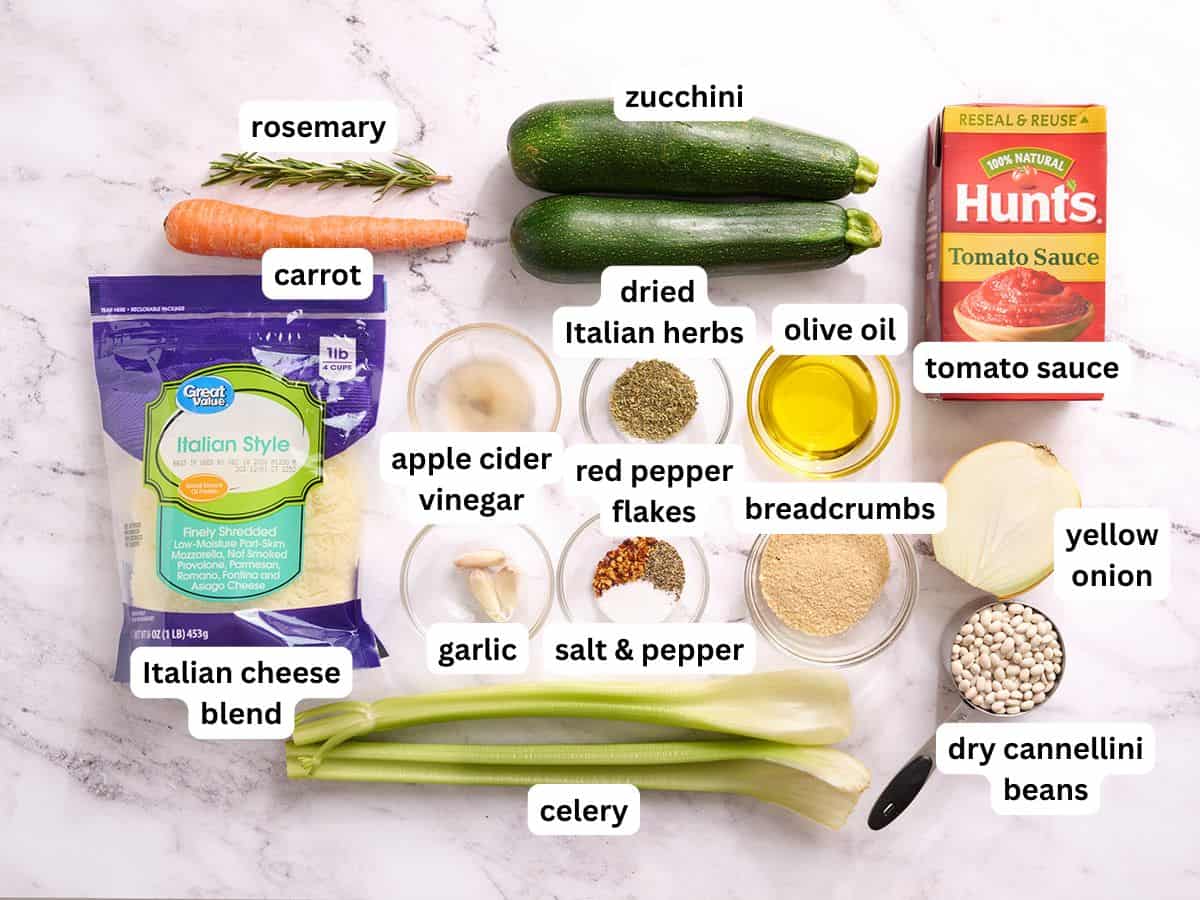
3. Pasta e Fagioli
2024 Cost Baseline: $6.71
July 2026 Cost: $8.56
Net Increase: $1.85 (+27.57%)
Analytical Breakdown: This recipe demonstrated the protective value of domestic supply chains. While the canned tomato and canned bean portions of the recipe absorbed a combined $0.31 increase due to metal packaging tariffs, the cost of the standard domestic ditalini pasta remained flat. Because the pasta was manufactured in the U.S. using domestically grown durum wheat, it avoided international transit fees and import tariffs entirely.
Official Responses and Political Landscape
The escalating costs have sparked fierce debate on Capitol Hill, within executive agencies, and among consumer advocacy groups.
The administration has strongly defended its trade policies, asserting that baseline tariffs are necessary to protect domestic manufacturing, reduce long-term dependence on foreign supply chains, and counter unfair trade practices abroad. In official briefings, trade representatives argue that short-term retail price fluctuations are a necessary trade-off for rebuilding American economic resilience.
However, consumer advocacy groups and agricultural organizations have expressed deep concern. In a joint statement, the Campaign for a Family Friendly Economy and Michigan Families for Fair Care warned of the regressive nature of these policies:
"Tariffs act as a consumption tax that falls most heavily on working-class families. When basic staples like canned beans, fresh tomatoes, and domestic ground beef are subject to import taxes and packaging surcharges, it is the average household budget that bears the burden. These policies are actively breaking consumer confidence at checkout."
On the legislative front, Congress has voted multiple times to maintain the current tariff structures. A recent key vote on whether to reject cost-raising tariffs on Canadian imports (specifically House Roll Call Vote 119-2/65) revealed strong bipartisan support for maintaining trade barriers, despite warnings from industry groups that such measures keep wholesale food and energy costs elevated.
Implications and Mitigation Strategies for Consumers
As the trade war continues with no clear resolution in sight, economists suggest that consumers must alter their shopping habits to protect their household budgets. To bypass the direct and indirect costs of tariffs, market experts recommend three distinct shopping strategies:
Consumer Tariff-Bypassing Strategies:
├── 1. Kick the Cans -> Switch to dry, frozen, or boxed items
├── 2. Buy Domestic Store Brands -> Dodge import tariffs ($0 duty)
└── 3. Pivot Protein Strategies -> Shift from beef to domestic pork/poultry
1. Kick the Cans (Transition to Dry, Frozen, or Boxed Goods)
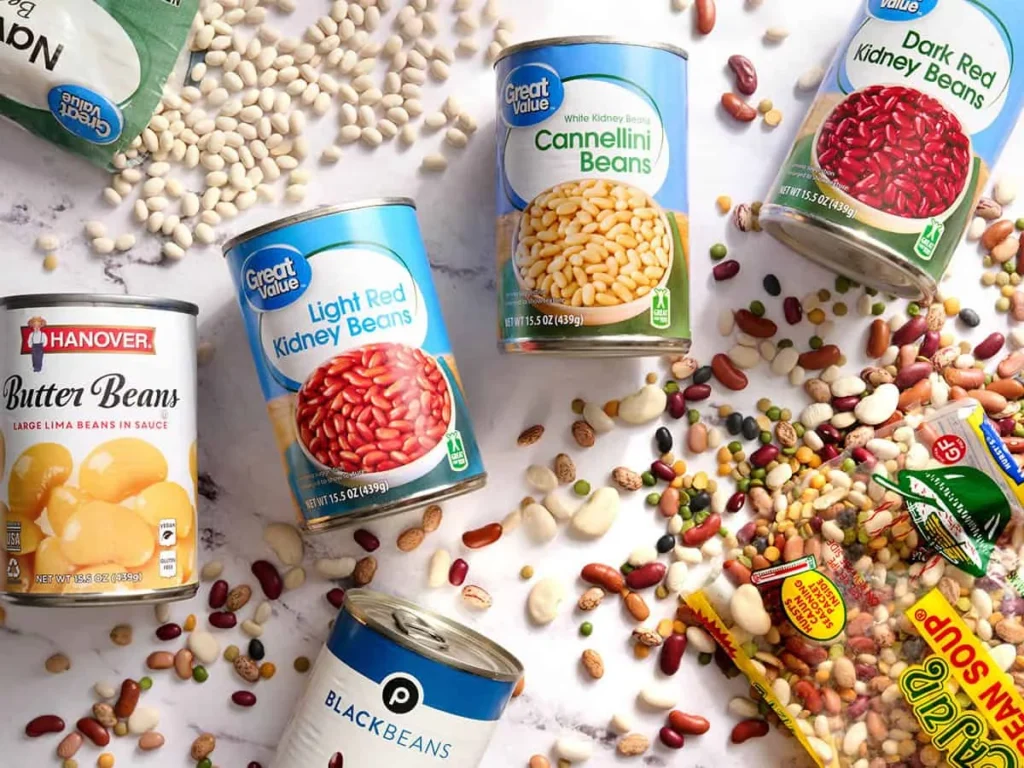
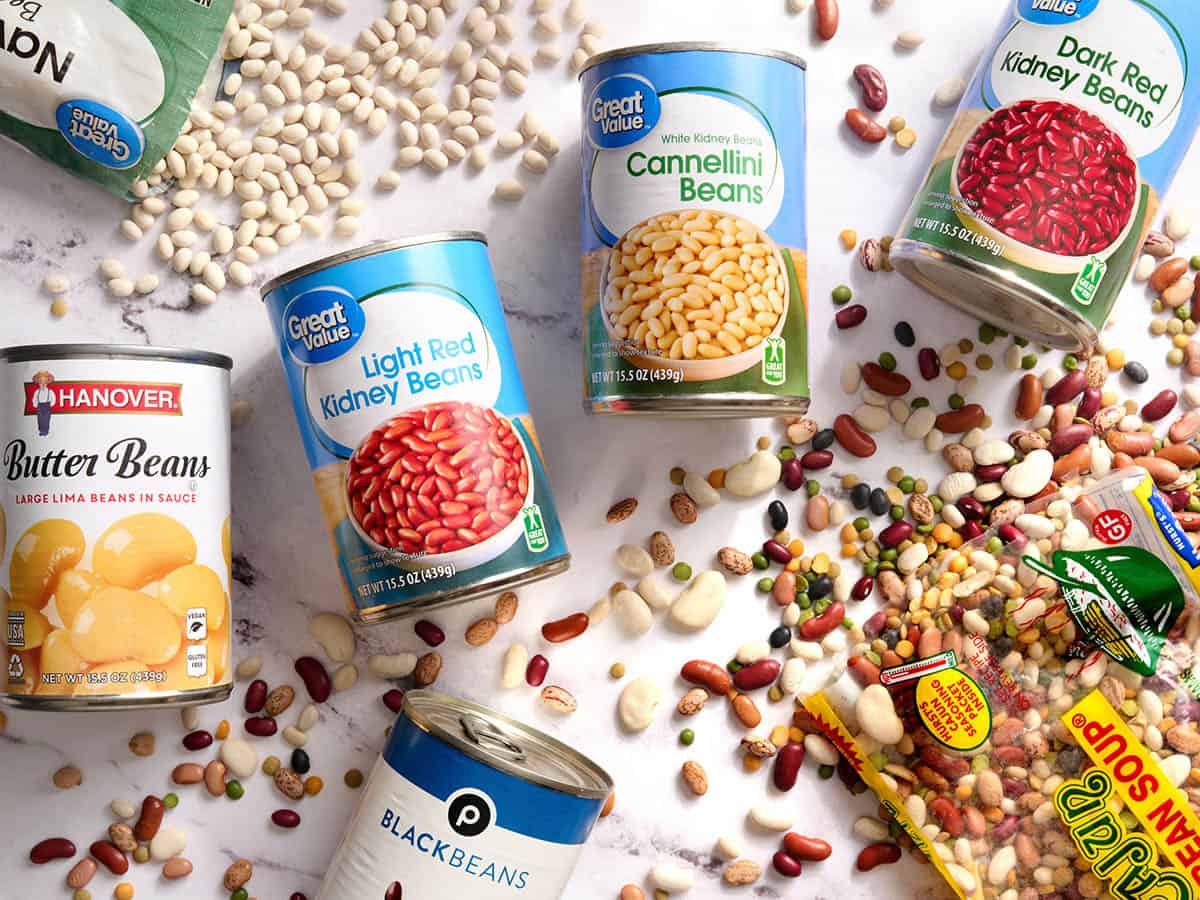
Because metal cans are subject to both steel and aluminum tariffs, consumers can save significantly by altering how they buy shelf-stable goods. For example, purchasing dry beans in plastic bags completely avoids the "metal packaging tax." A single one-pound bag of dry beans costs roughly the same as a single 15-ounce can but yields three to four times the volume of food once cooked. For vegetables and fruits, frozen bags or cardboard cartons packed in the U.S. serve as tariff-free alternatives.
2. Trade Imported Items for Domestic Store Brands
While imported European pasta, cheeses, and olive oils face steep import duties, domestic store brands—such as regional supermarket private labels or national discount brands—remain highly insulated. A box of store-brand pasta made from durum wheat grown in North Dakota and processed domestically incurs $0 in import tariffs, offering a direct budget-saving alternative to imported Italian counterparts.
3. Pivot Protein Strategies
With ground beef prices elevated by international trimmings tariffs and domestic herd shortages, households are shifting toward domestic poultry and pork. Both supply chains are fully situated within the United States, keeping them insulated from international trade disputes. Alternatively, utilizing legumes—prepared from dry bags—as a primary protein source allows families to maintain nutritional standards at a fraction of the cost.
The Role of Local Food Systems
For fresh produce, agricultural economists recommend bypassing national supermarket chains in favor of local farmers’ markets and community-supported agriculture (CSA) programs during regional growing seasons. While local growers face higher input costs for fuel and fertilizer, their supply chains do not pass through international ports or rely on long-haul container shipping. Consequently, purchasing directly from local growers eliminates foreign tariffs, middleman distribution markups, and long-distance diesel freight surcharges.
As the 2026 midterm elections approach, the intersection of kitchen-table economics and international trade policy is poised to remain a central issue for voters. With trade duties directly impacting the cost of daily meals, the choices made by federal policymakers will continue to shape the financial reality of the American grocery cart.