The Art of the Vibe: How Jermaine Stone Mastered the Modern Dinner Party
A dinner party is rarely remembered for the precise temperature of the wine or the architectural integrity of the lasagna. Long after the glassware has been cleared and the candles have burned down to stubs, what lingers in the minds of guests is a singular, intangible quality: the feeling of the room.
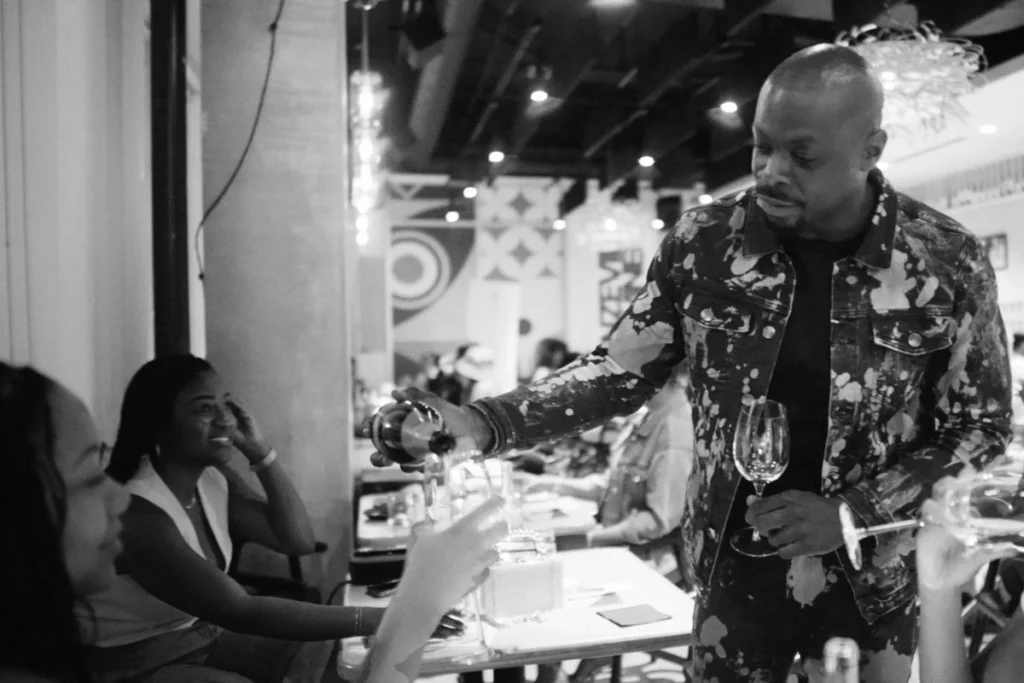
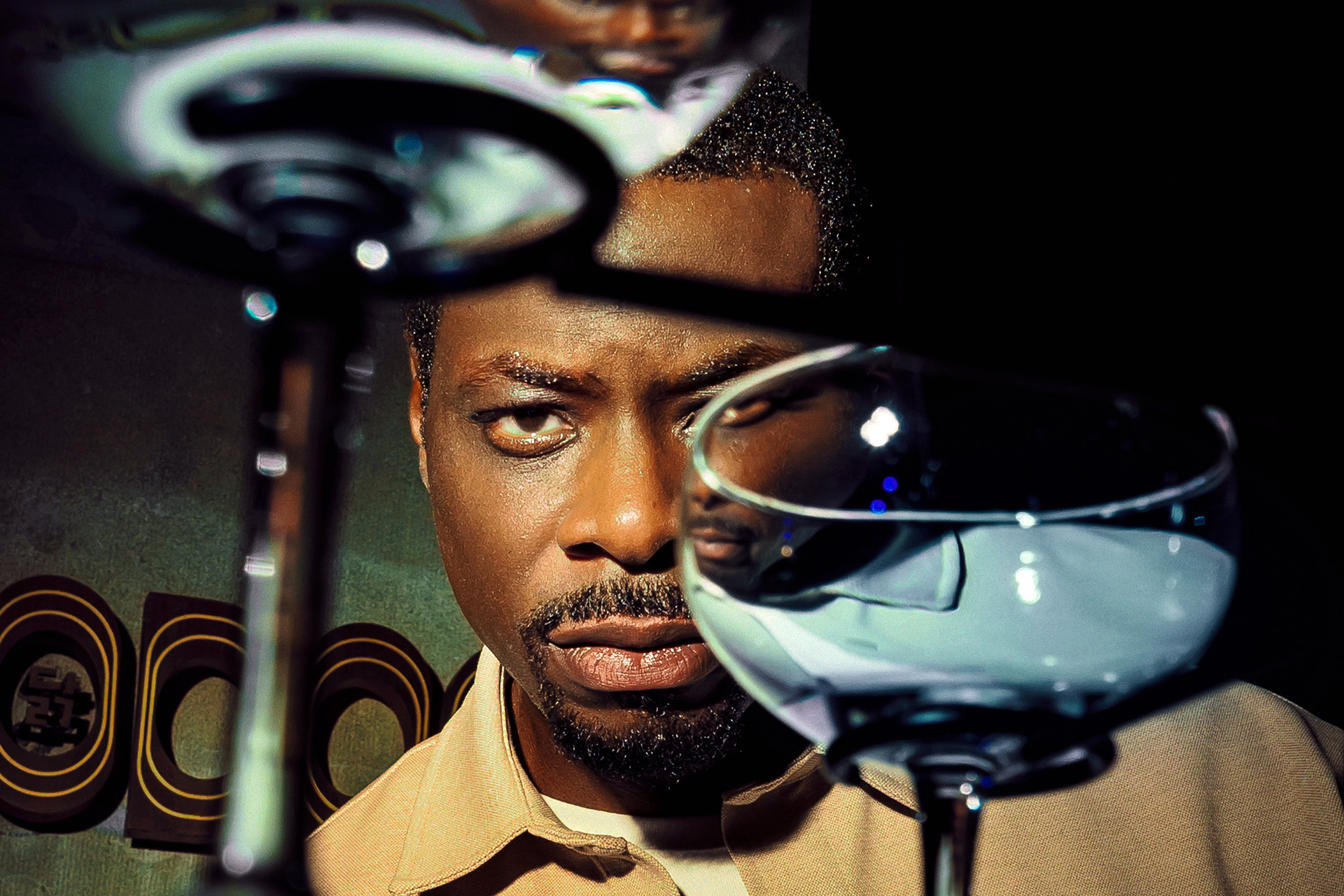
Few understand this alchemy of atmosphere better than Jermaine Stone. As the host of the Wine and Hip Hop podcast and the mastermind behind the Tasting Notes from the Streets event series, Stone has spent his career dismantling the pretension often associated with the world of fine wine. By blending the high-brow complexities of viticulture with the raw, rhythmic energy of hip-hop, Stone has redefined what it means to be a modern host. His approach is not about performative perfection; it is about cultivating an environment where connection can flourish.
From Auction Blocks to Beats: The Evolution of a Host
Jermaine Stone’s journey into the hospitality world was unconventional. His early aspirations were rooted firmly in the rap industry, but a serendipitous stint working in the packing department at Zachys Wine Auctions served as the catalyst for a radical career pivot. Over the course of a decade, Stone immersed himself in the granular details of the wine trade, from high-stakes auctions to retail management.
Yet, he never abandoned his original muse. After launching his marketing firm, Cru Luv Selections, Stone realized that the exclusionary walls surrounding wine culture were ripe for demolition. He began crafting events that served as a bridge between two worlds, pairing iconic hip-hop tracks with carefully selected vintages. This marriage of sound and flavor became his signature, proving that a dinner party is a stage, and the host is the ultimate curator of its rhythm.
The Pre-Game: Curating Comfort Before the First Knock
According to Stone, the most critical phase of a dinner party occurs well before the first guest crosses the threshold. The "vibe," he argues, is a preemptive strike.
When a guest sends the standard text, "Can I bring anything?", Stone advocates for a definitive, welcoming response: "Nothing but yourself." This directive immediately strips away the transactional nature of the evening, signaling to guests that they are coming to be hosted, not to perform labor.
Once the guests arrive, the environment must be physically calibrated for intimacy. Stone is a proponent of "low-fi" lighting—candles, dim lamps, and warm hues. "The room should feel as intimate as possible," he notes. The auditory experience is equally vital. Stone approaches his playlists with the precision of a DJ, often selecting a single, evocative track to serve as the North Star for the evening’s mood. He doesn’t just curate songs; he curates an emotional trajectory that allows guests to shed the stresses of the outside world.
The "Absurd" Factor: Breaking the Fourth Wall
One of Stone’s most effective strategies for breaking the ice is the embrace of the thematic—the more eccentric, the better. He recounts a notable Pusha T-themed evening where the standard dining tropes were discarded in favor of a surrealist tableau. In place of conventional centerpieces, blocks of parmesan cheese were scattered across the tables, a tongue-in-cheek nod to the artist’s lyrical themes.
"People get very comfortable very quickly when you approach things like that," Stone explains. By introducing an element of the absurd, the host grants the guests permission to let their guard down. It transforms a stiff, formal dinner into a living, breathing performance piece where the walls between host and attendee dissolve.
The Welcome: The Architecture of the First Impression
The moment of arrival is the most high-stakes interval of the evening. Stone insists on a personal, individualized greeting for every single guest. Whether it is a warm handshake or a genuine smile, the focus remains on building immediate rapport.

To facilitate this, Stone advocates for a "welcome drink"—a ritualistic opener that serves as a sensory handshake. While he has a predilection for high-quality Champagne, he emphasizes that the liquid itself is secondary to the intent. Whether it’s a thoughtfully batched craft cocktail or an elaborate non-alcoholic mocktail, the gesture of placing a drink in a guest’s hand within moments of their arrival signals that the transition from the chaotic outside world to the sanctuary of the home is complete. "The value is in the intimacy," Stone says. "It’s about making them feel seen the moment they walk through the door."
Bridging the Gap: Facilitating Connection
Even in the best-curated rooms, social friction can occur. As the host, Stone views his role as an active mediator. He suggests that hosts should be prepared to pivot from "observer" to "facilitator" should the energy begin to stagnate.
While many recoil at the mention of "icebreakers," Stone distinguishes his approach from the dreaded, forced corporate bonding exercises of the past. He prefers inquiries that require a degree of vulnerability or imagination, such as asking guests about their early interests in wine or which fictional character they most identify with. By offering his own answer—he identifies as the Fantastic Mr. Fox—he sets a tone of lighthearted honesty.
This transparency is the secret ingredient. When a host is genuinely excited, that energy is infectious. Stone reminds us that guests have chosen to spend their limited time on this planet in your home. "Make it count," he says.
The Parting Gift: Extending the Resonance
The conclusion of a dinner party is often the most neglected, yet it holds the most potential for lasting impact. Stone believes that every great event should end with a memento, something that anchors the memory of the night.

These gifts need not be grand. They can range from a hand-written recipe card for the entrée to a simple, candid photograph taken during the festivities. For Stone, the most frequent gift is a QR code linking to the night’s meticulously curated playlist. By giving guests a piece of the auditory experience, he allows them to take a fragment of the "vibe" home with them, potentially inspiring them to host a gathering of their own.
Implications for the Modern Host
The philosophy championed by Jermaine Stone carries broader implications for contemporary social life. In an era increasingly dominated by digital interactions and superficial connectivity, the physical dinner party has become a radical act. By prioritizing the feeling of the evening over the perfection of the meal, hosts can foster deep, genuine connections that are becoming increasingly rare.
Stone’s success proves that the barriers to entry for "high-end" hosting are not financial, but psychological. You do not need a Michelin-starred menu to host a memorable event; you need a thoughtful playlist, a welcoming presence, and the courage to be a little bit silly.
As we look toward the future of home entertainment, the "Stone Method" suggests a move toward the communal and the curated. If the objective of a dinner party is to make guests feel at ease, to make them feel like they are part of something special, then the details—the spilled wine, the slightly burnt lasagna, the mismatched chairs—become irrelevant. They become part of the story.
Ultimately, the goal is to create a cycle. When a guest leaves a dinner party feeling inspired, seen, and genuinely connected, they are far more likely to host their own gathering in the future. In this way, the spirit of hospitality ripples outward, creating a, as Stone puts it, "never-ending cycle of dinner parties."

In a world that often feels fractured, the simple act of inviting people to a table and curating a space where they can be themselves is perhaps the most important contribution a host can make. Whether you are pouring a glass of vintage Champagne or a simple sparkling water, the act of hospitality remains a profound, humanizing force. As Jermaine Stone has demonstrated, when you focus on the vibe, the rest will inevitably follow.