Hidden Hazards: New Study Reveals Chemical Contaminant Profiles in Plant-Based Protein Supplements
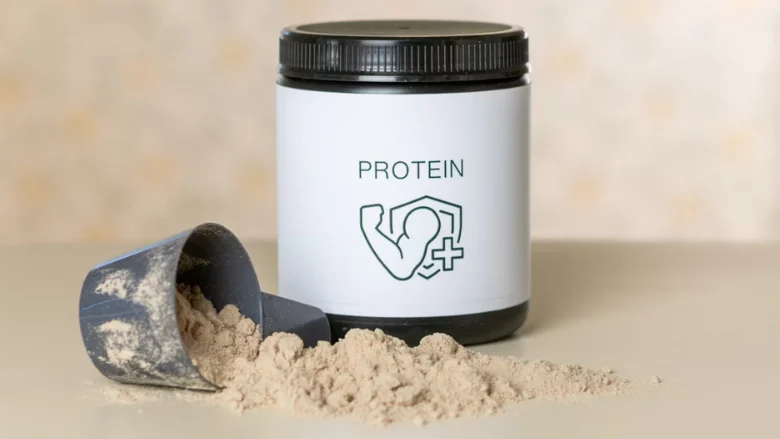
As the global fitness and wellness industry continues to shift toward plant-based nutrition, a growing body of consumers is turning to concentrated protein supplements derived from soy, rice, pea, hemp, and pumpkin seeds. While these products are marketed as clean, health-conscious alternatives to whey or casein, a sobering new study published in the NFS Journal suggests that these powders may carry an invisible payload of chemical contaminants.
Conducted by researchers at the University of Warmia and Mazury in Olsztyn and the University of Agriculture in Krakow, Poland, the investigation provides a comprehensive look at the "contaminant landscape" of common plant-based proteins. The findings highlight a complex cocktail of per- and polyfluoroalkyl substances (PFAS), mycotoxins, pesticides, polycyclic aromatic hydrocarbons (PAHs), and processing-related chemicals, raising significant questions about food safety oversight in a rapidly expanding market.
Main Facts: The Scope of the Contamination
The study analyzed a diverse array of protein isolates sampled from retail shelves in Olsztyn, Poland. Researchers aimed to determine the prevalence of substances that enter the food supply through three primary pathways: environmental contamination (PFAS), agricultural residues (pesticides and mycotoxins), and industrial processing (PAHs and 5-HMF).
The most striking finding was the ubiquity of PFAS—often referred to as "forever chemicals"—across all five tested categories. These synthetic compounds, known for their persistence in the environment and the human body, were the primary drivers of the cumulative non-carcinogenic health risks identified by the researchers. Furthermore, the study detected multiple mycotoxins, with some samples of rice protein exceeding European Union safety limits for Ochratoxin A (OTA).
The assessment was based on a conservative model: a 70-kilogram (approx. 154 lbs) adult consuming 30 grams of protein powder daily. While the researchers cautioned that these results are preliminary, they serve as a critical wake-up call for the plant-based supplement industry, which has historically faced less regulatory scrutiny than traditional animal-derived proteins.
Chronology: A Snapshot of the Research Process
The investigation followed a rigorous, multi-stage methodology to ensure the detection of a wide spectrum of chemical classes.
- Phase I (Sampling): The researchers procured commercially available, popular protein isolates from retail distribution centers in Poland, ensuring a mix of sources (soy, rice, pea, hemp, and pumpkin).
- Phase II (Detection): Using sophisticated analytical chemistry, the team screened for PFAS, eight types of mycotoxins, 56 distinct pesticides, various PAHs, and the processing contaminant 5-hydroxymethylfurfural (5-HMF).
- Phase III (Risk Characterization): The team applied the European Food Safety Authority (EFSA) group-based risk assessment approach to determine hazard quotients (HQ) and hazard indices (HI).
- Phase IV (Analysis): Data was synthesized to compare the toxicological profiles of the different protein sources, culminating in the publication of the findings in the NFS Journal.
Supporting Data: Breaking Down the Chemical Load
The PFAS Dominance
PFAS were detected in every single product analyzed, with total concentrations ranging from 724 to 3,010 nanograms per gram (ng/g). Soy protein emerged as the most heavily contaminated in terms of total PFAS, while pumpkin seed protein showed the lowest levels.
Notably, perfluorohexanoic acid (PFHxA) was the most prevalent compound, reaching concentrations as high as 2,877 ng/g in soy samples. While total concentration was high in soy, rice protein yielded the highest hazard quotient (HQ) when the researchers focused specifically on compounds of greater regulatory concern, such as PFOA, PFOS, PFNA, and PFHxS. The resulting HQs for PFAS across all products ranged from 32 to 260, indicating that these chemicals represent a significant portion of the total estimated risk.
Mycotoxin and Pesticide Presence
The study identified seven of eight targeted mycotoxins. Deoxynivalenol (DON), HT-2 toxin, T-2 toxin, and fumonisins were present in every sample. While most individual mycotoxin HQs remained below 1, the combination of T-2 and HT-2 toxins in pea protein surpassed the safe threshold.
Ochratoxin A (OTA) was particularly concerning in rice protein, where it reached 6.15 μg/kg, breaching the 5 μg/kg limit established by EU regulations. Regarding pesticides, the results were relatively encouraging: of the 56 substances screened, only two neonicotinoids (clothianidin and thiamethoxam) were detected, and their levels were associated with low non-carcinogenic risk.
Processing Contaminants: PAHs and 5-HMF
Thermal processing, often used to refine plant proteins, brings its own risks. The study detected low-molecular-weight PAHs (naphthalene, acenaphthylene, and fluorene) in various samples, with pumpkin seed protein showing the highest concentration at 137 μg/kg.
The processing contaminant 5-HMF showed extreme variability. Pea protein stood out as a significant outlier, containing 369.16 mg/g—a concentration 85 times higher than that found in soy protein. This resulted in an HQ of 1.98, signaling a potential concern, although the researchers noted that the lack of established "acceptable daily intake" (ADI) levels for 5-HMF makes it difficult to draw a definitive health conclusion.
Official Responses and Scientific Context
The research team has been careful to provide nuance alongside their data. A key point of contention is the use of the EFSA’s risk assessment framework. The authors acknowledged that the models used were originally designed for animal-derived products, such as meat and dairy, and have not been explicitly validated for the unique chemical matrix of plant-based isolates.
Consequently, the researchers categorized their findings as "preliminary comparative indicators" rather than absolute clinical proof of harm. They noted that the study did not account for "gastrointestinal bioaccessibility"—the degree to which these contaminants are actually absorbed by the human body during digestion. It is possible that the matrix of the protein powder itself might reduce the bioavailability of these chemicals, potentially leading to an overestimation of the actual health risk.
Implications: The Path Forward for Food Safety
The findings from the University of Warmia and Mazury and the University of Agriculture in Krakow underscore the necessity of a paradigm shift in how we monitor plant-based supplements. As these products become staples of the modern diet, the following implications must be addressed by stakeholders:
1. The Need for Systematic Monitoring
The study represents only a small, localized snapshot of the market. There is an urgent need for larger, international studies that cover a broader range of brands and manufacturing technologies to determine if these contaminant levels are systemic or localized to specific production chains.
2. Regulatory Oversight
Currently, the regulatory framework for many plant-based supplements is a patchwork of general food safety rules. Given the high levels of PFAS and the occasional exceedance of mycotoxin limits, there is a strong case for developing specific safety thresholds tailored to the unique processing and sourcing of plant protein isolates.
3. Supply Chain Transparency
Manufacturers of plant-based proteins must look closer at their raw materials. Since many of these contaminants (such as PFAS and mycotoxins) are introduced during the growth or harvest phase, improved agricultural oversight and cleaner sourcing are essential. Furthermore, the high levels of 5-HMF in pea protein suggest that current thermal processing methods may need to be optimized to prevent the formation of harmful byproducts.
4. Consumer Awareness
For the average consumer, the study does not necessarily suggest that plant-based protein is "toxic" in a way that necessitates immediate abandonment of these products. However, it does highlight the importance of brand vetting. Consumers should seek out manufacturers that perform third-party testing and provide transparency regarding their raw material sourcing and contaminant screening processes.
Conclusion
The transition to a plant-based economy is a critical component of global sustainability, but it must be underpinned by a robust commitment to food safety. The research from Poland provides a valuable baseline for future investigations into the chemical purity of these supplements. By identifying potential risks related to PFAS, mycotoxins, and thermal processing, the authors have provided the industry with a roadmap for improvement. As the sector matures, consumers and regulators alike will demand higher standards, ensuring that the "clean" label on a protein tub reflects the actual purity of the powder inside.