The Silent Triumph: How Public Health Outmaneuvered the Food Industry to Ban Trans Fats
A decades-long battle against a pervasive killer in our food supply culminated in a landmark victory for public health: the ban on artificial trans fats. But how did the public health community succeed where past attempts to regulate powerful food industries often failed? The answer lies in a strategic masterclass, moving beyond mere consumer education to a multi-pronged approach that ultimately disarmed industry opposition and saved countless lives.
Main Facts: Navigating the Ruin of Risky Choices
The challenge of mediating harmful choices presents a complex dilemma for public health authorities. Broadly, there are three primary strategies to mitigate the "ruin of risky choices":
-
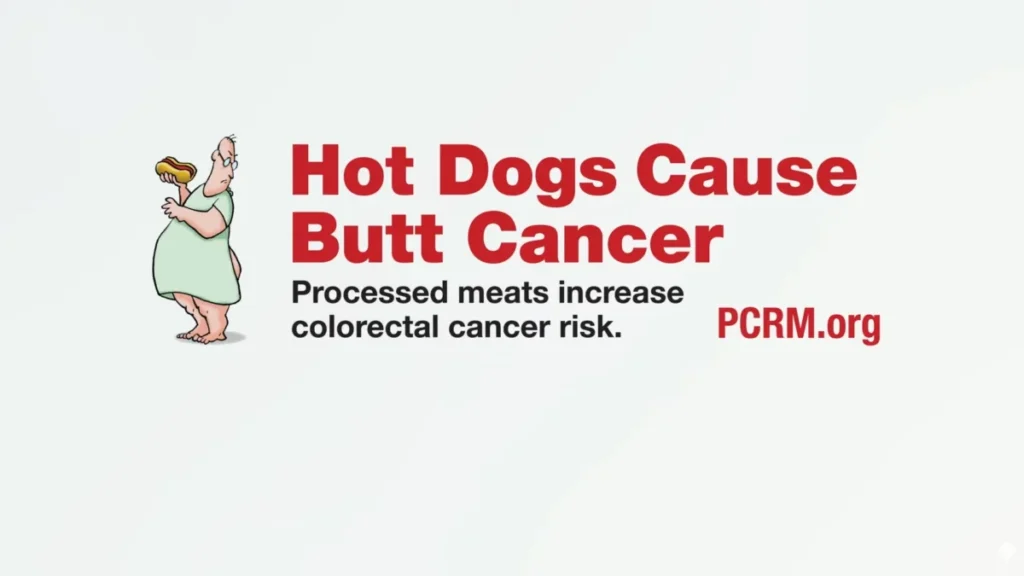
Inform People: This approach focuses on educating consumers about risks, empowering them to make better choices. Examples include prominent nutritional labels, public awareness campaigns, and educational materials. In the food context, this manifests as "sugar pack" ads on public transit, informing consumers about the sugar content in soft drinks, or stark billboards linking processed meat to colorectal cancer, as famously seen with "Hot Dogs Cause Butt Cancer" campaigns. The underlying assumption is that armed with knowledge, individuals will opt for healthier alternatives.
-
Nudge People: This strategy employs subtle interventions or incentives to guide individuals toward healthier behaviors without outright prohibitions. Financial incentives, default options, or strategic placement of products fall under this category. For instance, offering discounts on healthy foods or placing them more prominently in stores could be considered nudges.
-
Directly Intervene: This is the most assertive approach, involving regulations, bans, or mandates that make harmful activities less accessible or products inherently safer. The goal here is to remove the dangerous element from the environment, thereby protecting the public regardless of individual choices or awareness.
To illustrate the effectiveness of these approaches, consider the realm of car fatalities. Which method has demonstrably prevented more deaths: mandating driver education, labeling cars about crash risk, or the direct intervention of requiring airbags and other safety features in all vehicles? While education and information play roles, direct intervention, by making cars inherently safer, has had a profound impact on reducing severe injuries and fatalities.
The question for the food industry, then, becomes: is there a way to make products nutritionally safer at the source, before they even reach consumers, rather than solely relying on informing or nudging? The story of trans fats provides a compelling affirmative answer and a blueprint for future public health triumphs.
Chronology: A Global Battle Against a Hidden Killer
The journey to ban trans fats began not with a public outcry, but with rigorous scientific inquiry, leading to a staggered global response.
Early Alarms: The Harvard Nurses’ Study (1993)
The critical turning point came in 1993 when the esteemed Harvard Nurses’ Study published findings that shook the nutritional science community. The study revealed a stark correlation: a high intake of trans fats could increase the risk of heart disease by an alarming 50%. This was not merely a dietary recommendation but a profound public health warning. Trans fats, primarily industrially produced through the partial hydrogenation of vegetable oils, had become ubiquitous in processed foods due to their ability to extend shelf life, improve texture, and reduce costs. From baked goods and fried foods to snack items, they permeated the modern diet, often unbeknownst to consumers.
Denmark’s Decisive Action (2003)
Armed with this unequivocal scientific evidence, Denmark emerged as a global leader in public health. Rather than embarking on extensive public education campaigns or offering financial incentives, the Danish government took decisive, direct action. A mere decade after the Harvard study’s revelations, Denmark implemented a comprehensive ban on added trans fats in 2003. As a leading Danish cardiologist succinctly put it, "Instead of warning consumers about trans fats and telling them what they are, we’ve [the Danes] simply removed them." This bold move demonstrated a commitment to protecting citizens through direct intervention, setting a precedent for the rest of the world.
The United States’ Slow Awakening (Post-2003)
In stark contrast to Denmark’s rapid response, the United States moved at a glacial pace. It took another full decade after Denmark’s ban – until 2013 – before the United States even began to seriously consider a nationwide prohibition. During this protracted delay, the human cost was staggering. Trans fats were estimated to be killing tens of thousands of Americans every year, contributing to a significant loss of healthy life years, comparable to the burden of diseases like meningitis, cervical cancer, and multiple sclerosis. The question lingered: with such clear and devastating evidence, why did it take so long for the US to even contemplate action? The answer lay in the formidable power and lobbying efforts of the food industry, which viewed any regulatory intervention as an infringement on their commercial freedom.
New York City: A Microcosm of the National Debate
The struggle for a national ban found its crucible in New York City. In the mid-2000s, New York City, often a vanguard in public health policy, proposed its own ban on trans fats. This local initiative quickly became a microcosm of the broader national debate, drawing fierce opposition from the food industry. The arguments deployed against New York City’s proposed ban echoed those that would later be used on a national stage, laying bare the entrenched resistance to public health regulation. This local battleground would ultimately provide crucial insights and a model for the eventual nationwide triumph.
Supporting Data: The Science, the Suffering, and the "Slippery Slope"
The scientific consensus on the harm of trans fats was clear, yet industry resistance was formidable, often employing rhetorical tactics to obscure the evidence.
The Unambiguous Harm of Trans Fats
The Harvard Nurses’ Study was just the beginning. Subsequent research consistently reinforced the dire health consequences of consuming industrially produced trans fats. They were found to raise levels of "bad" low-density lipoprotein (LDL) cholesterol while simultaneously lowering "good" high-density lipoprotein (HDL) cholesterol, a double blow to cardiovascular health. This biochemical mechanism directly contributed to an increased risk of heart disease, strokes, and other cardiovascular events. The estimated tens of thousands of American deaths annually were not speculative figures but projections based on robust epidemiological data. The loss of healthy life years underscored the profound public health burden, transforming a dietary ingredient into a significant contributor to premature mortality and morbidity.
Industry’s Defensive Playbook: "Government Intrusion" and the "Nanny State"
The food industry’s opposition to the trans fat ban was immediate and vocal. Their primary arguments revolved around themes of "government intrusion" and the specter of a "nanny state" dictating personal choices. Critics railed against what they styled as the "rise of food fascism," portraying public health advocates as "food zealots" intent on stripping away consumer freedom.
A core argument often invoked was "everything in moderation." The Institute of Shortening and Edible Oils, alongside the livestock industry (which pointed to naturally occurring trans fats in meat and dairy, distinct from the industrially produced variety), asserted that consumers should be allowed to make their own choices, provided they exercised moderation. This argument, however, strategically conflated naturally occurring trans fats (which have different metabolic effects and are present in much smaller quantities) with the chemically altered, highly detrimental industrially produced trans fats. It also sidestepped the critical fact that industrially produced trans fats offered no nutritional benefit and presented an undeniable health risk, making "moderation" an inadequate response to a fundamentally harmful ingredient. Indeed, it was the restaurant and food industry, by broadly fouling the food supply with these dangerous fats, that ultimately limited genuine consumer choice by making it nearly impossible to avoid them.

The "Slippery Slope" Argument: From Trans Fats to "Broccoli Horror"
One of the most potent and frequently deployed tactics by vested corporate interests was the "slippery slope" argument. The contention was that if regulators were allowed to ban added trans fats, what would be next? Would the government eventually dictate all dietary choices? This rhetorical strategy aimed to distract from the immediate and very real harm of trans fats by conjuring exaggerated future scenarios.
This argument even found its way to the highest court in the land. During oral arguments for the Supreme Court case concerning the Affordable Care Act (Obamacare), Chief Justice John Roberts mused about the hypothetical scenario where Congress could "order everyone to buy vegetables" if it could mandate health insurance. Justice Ruth Bader Ginsburg famously dubbed this fear "the broccoli horror." While acknowledging that Congress technically could compel the American public to eat more plant-based food, Justice Ginsburg firmly rejected this "hypothetical and unreal possibility" of a "vegetarian state" as a "credible reason" to invalidate the healthcare mandate. As one legal scholar aptly observed, "Judges and lawyers live on the slippery slope of analogies; they are not supposed to ski it to the bottom." This legal precedent highlighted the judiciary’s ability to differentiate between legitimate public health concerns and speculative, hyperbolic fears of governmental overreach. The "slippery slope" argument, while powerful in public discourse, often fails to withstand rigorous legal or ethical scrutiny when confronted with clear scientific evidence of harm.
New York City’s Landmark Victory and Data-Driven Impact
Despite fierce opposition, New York City ultimately won its trans fat fight, solidifying its reputation as a public health pioneer. NYC had a history of such leadership, having banned lead paint 18 years before federal action, despite decades of unequivocal evidence of its harm. The impact of the trans fat ban was not merely anecdotal. Researchers meticulously compared stroke and heart attack rates in New York counties before and after the ban’s implementation. Their findings were compelling: the trans fat ban successfully reduced cardiovascular death rates by an estimated 5%. This concrete, data-driven success provided an irrefutable model and powerful evidence for the feasibility and efficacy of a nationwide ban, proving that such interventions were not only possible but demonstrably life-saving.
Official Responses: The Strategic Disarming of Industry Opposition
The public health community’s triumph against trans fats was not a direct frontal assault but a carefully orchestrated strategic maneuver that leveraged information disclosure to fundamentally alter the economic calculus for the food industry.
The American Paradox: "You Can Put Poison in Food if You Label It Properly"
The initial cultural hurdle in the US was significant. Unlike Denmark’s direct removal approach, American regulatory philosophy often leans towards the principle that "if people know the risks, they should be able to eat whatever they want." This implies that adequate labeling is sufficient, allowing consumers informed choice. However, this argument rests on a crucial assumption: that consumers are given all the facts. As one health ethics professor described it, the food industry often operates under a "model of systemic dishonesty," employing predatory deception and manipulation that makes genuine informed choice incredibly difficult for the average consumer. Given this reality, government intervention was deemed necessary, but the question remained: how could it possibly be passed against such entrenched opposition?
The Trojan Horse: Mandatory Labeling
The "secret" to the trans fat ban’s success lay in a seemingly innocuous, initial step: a labeling requirement. In 2006, the Food and Drug Administration (FDA) mandated that manufacturers begin adding trans fat content to their products’ nutrition facts labels. Ostensibly, this was designed to empower consumers with information, allowing them to make healthier choices. However, its true genius lay in its far greater impact on producers.
Suddenly, companies were compelled to divulge the truth about the trans fat content of their products. This disclosure requirement transformed the competitive landscape. With this newfound transparency, a powerful incentive emerged for manufacturers: the desire to gain a "no trans fat" competitive edge. Companies scrambled to reformulate their products, not necessarily out of a sudden ethical awakening, but to avoid the negative publicity of high trans fat counts and to market healthier alternatives to increasingly health-conscious consumers.
The Industry’s Self-Inflicted Wound: Reformulation and Advertising
Within just a few years of the mandatory disclosure, the market saw an explosion of innovation. More than 5,000 products were introduced, proudly touting "low" or "zero trans fats" on their labels. Iconic brands that had once been targets of lawsuits for their sky-high trans fat levels, like Kentucky Fried Chicken (KFC), underwent dramatic transformations. KFC, previously notorious for its unhealthy oil choices, reformulated its products and launched an ad campaign where a mother praises the "zero grams of trans fat" in front of her children, leading the father to exclaim, "Yeah baby! Whoooo!!" and indulge in fried chicken by the bucketful.
This pre-emptive reformulation and aggressive marketing of "trans fat-free" products proved to be the decisive factor in paving the way for the ultimate ban. Once major food industry players had already invested in reformulating their products and were actively bragging about their low or zero trans fat content, the financial stakes associated with a ban plummeted. The industry had, in essence, disarmed itself. With significantly less money invested in trans fat-laden products and even a competitive advantage to be gained by embracing "healthier" alternatives, there was insufficient political will left to effectively block a nationwide prohibition. The path was cleared, and added trans fats were effectively taken off the playing field.
Implications: A Blueprint for Future Public Health Victories
The successful ban on artificial trans fats offers invaluable lessons and a potential blueprint for future public health interventions aimed at making our food supply safer and healthier.
A New Regulatory Model?
The trans fat victory demonstrated that direct intervention, even against powerful industry opposition, is achievable. More importantly, it showcased a strategic pathway: mandatory labeling can act as a catalyst, driving industry reformulation before an outright ban, thereby weakening opposition when the more decisive step is taken. This model could potentially be applied to other demonstrably harmful food components, such as excessive added sugars or sodium, or even the broader category of ultra-processed foods. By first requiring clear labeling, public health advocates could incentivize industry to innovate and reduce these components, softening the ground for eventual, more comprehensive regulations.
The Ongoing Struggle Against Systemic Dishonesty
The contrast between Denmark’s swift removal of trans fats and America’s protracted battle highlights fundamental differences in regulatory philosophy and public health priorities. While the "inform people" approach is deeply ingrained in American culture, the trans fat saga underscores its limitations, especially when faced with an industry prone to "systemic dishonesty." Relying solely on consumer education can be insufficient when information is obscured, manipulated, or simply overwhelmed by marketing budgets. This reinforces the argument that for truly harmful, non-essential ingredients, direct intervention is not only justified but often the most effective and equitable path to public health protection.
Unfinished Business: Natural Trans Fats and Beyond
It is crucial to acknowledge that the ban on industrially produced trans fats did not extend to naturally occurring trans fats found in meat and dairy products. This distinction, highlighted in the "Doctor’s Note," represents an ongoing area of debate and potential future public health discourse. While these natural trans fats are present in smaller quantities and their health effects are still a subject of scientific inquiry, their exclusion from the ban underscores the complexities of food regulation and the political power of agricultural industries.
Furthermore, the trans fat victory is but one battle in a much larger war against an increasingly unhealthy food environment. The fight against excessive sugar, sodium, and the pervasive influence of ultra-processed junk food continues. As another "Doctor’s Note" points out, simply listing calories on menus, an "inform" strategy, doesn’t always lead people to choose healthier options, reiterating the need for more impactful interventions.
A Precedent for Progress
The trans fat ban stands as a powerful testament to the public health community’s ability to triumph over formidable corporate interests. It demonstrated that by strategically leveraging scientific evidence, public awareness, and regulatory mechanisms – particularly the clever use of mandatory labeling to trigger industry reformulation – seemingly insurmountable barriers can be overcome. As the fight for a healthier global diet continues, the lessons learned from the trans fat victory provide a beacon of hope, proving that with tenacity and strategic brilliance, even the most deeply entrenched unhealthy food practices can be dismantled, ultimately saving lives and fostering a healthier future. The "fat chance" of a ban became a reality, setting a precedent for what collective action and smart policy can achieve.