Hong Kong Overhauls Sweetener Regulations: A Major Shift Toward Global Harmonization
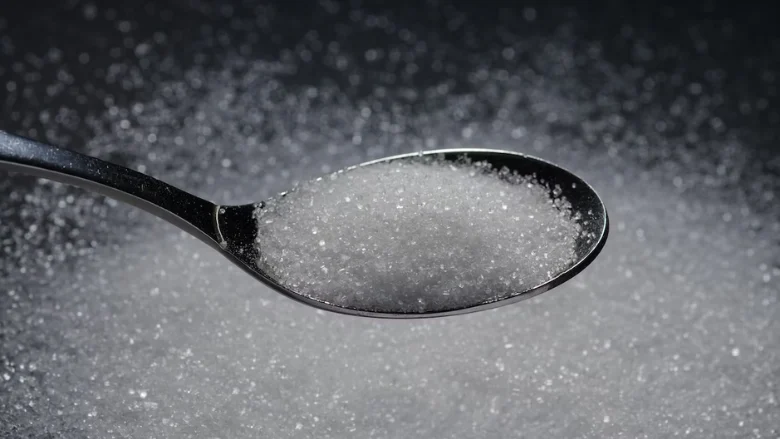
In a move aimed at modernizing its food safety framework and aligning with international best practices, the Hong Kong government has unveiled a comprehensive proposal to overhaul its Sweeteners in Food Regulations (Cap. 132U). The proposed amendments represent the most significant update to the city’s sweetener policy in decades, signaling a pivot toward the rigorous standards set by the Codex Alimentarius and, where relevant, the regulatory benchmarks of mainland China.
The proposed changes are broad in scope, encompassing the reclassification of sugar alcohols, the expansion of the list of permitted sweeteners, and the introduction of a granular system of over 900 maximum permitted levels (MPLs) for specific food-sweetener pairings. As the government invites public feedback through December 4, 2026, the food industry, public health advocates, and international trade partners are closely examining how these changes will reshape the landscape of the local food supply.
The Core Proposals: Modernizing the Regulatory Framework
The existing Sweeteners in Food Regulations have long been viewed as outdated, particularly in their failure to account for the modern chemical diversity of sugar substitutes. Currently, the regulations function on a restrictive list of ten permitted sweeteners. The proposed amendments aim to expand this list to 22, providing the food industry with greater formulation flexibility while ensuring that the safety of the Hong Kong public remains paramount.
Bringing Sugar Alcohols into the Fold
Perhaps the most notable change is the inclusion of polyhydric alcohols—commonly referred to as "sugar alcohols"—under the regulatory umbrella. Under current law, these substances are largely excluded from the formal definition of sweeteners. The proposal seeks to rectify this by formally regulating ten specific polyhydric alcohols:
- Erythritol
- Isomalt
- Lactitol
- Maltitol and Maltitol syrup
- Mannitol
- Polyglycitol syrup
- Sorbitol and Sorbitol syrup
- Xylitol
By categorizing these substances, the Centre for Food Safety (CFS) ensures that their usage is subject to standardized safety assessments and labeling requirements, preventing potential issues related to excessive consumption.
Expanding the Permitted List
In addition to sugar alcohols, the government intends to approve the use of Advantame and monk fruit extract. Advantame, a high-potency sweetener, and monk fruit extract, a popular natural-origin alternative, reflect the growing demand for non-nutritive sweeteners that satisfy consumer preferences for low-sugar products without the caloric density of sucrose.
Chronology of Regulatory Development
The path to these amendments has been characterized by careful deliberation and a commitment to risk-based policy making.
- Pre-2023: The CFS identified gaps in the existing regulations, particularly concerning the lack of specific MPLs for various food categories, which often led to regulatory ambiguity for manufacturers.
- 2023–2024: The CFS conducted extensive risk assessment studies, sampling hundreds of products across the Hong Kong market. This data provided the baseline for the proposed MPLs.
- Early 2025: The government finalized the draft amendments, integrating standards from the Codex General Standard for Food Additives (GSFA).
- Present Day: The formal public consultation period is underway. Interested parties, including international food manufacturers and public health experts, have until December 4, 2026, to submit their feedback.
- Post-Consultation: Following the legislative process, the government plans to implement an 18-month transition period to allow industry players to adjust their labeling and formulation processes before the new rules become mandatory.
Supporting Data and Scientific Rationale
The development of the proposed MPLs was not an arbitrary exercise; it was a data-driven process designed to mirror international benchmarks while safeguarding local health outcomes.
Leveraging Global and Regional Standards
The CFS utilized the Codex Alimentarius as its primary reference, deriving roughly 80 percent of the proposed MPLs from this internationally recognized standard. The remaining 20 percent were adopted from the standards of mainland China.
To validate this approach, the CFS performed rigorous dietary intake assessments. They cross-referenced these proposed levels with local consumption habits—specifically focusing on high-risk groups and typical daily intake patterns. Their findings confirmed that the levels adopted from mainland Chinese standards remain well within safe limits, posing no significant health risk to the Hong Kong population.
Market Readiness
In a pre-emptive study, the CFS sampled a wide array of food products from local retail shelves. The results were encouraging: approximately 98 percent of the sampled products were already in compliance with the proposed MPLs. This high rate of existing compliance suggests that the local food industry is already largely aligned with the incoming standards, minimizing the potential for massive economic disruption during the transition phase.
Official Responses and Strategic Implications
The Hong Kong government’s stance is one of pragmatic harmonization. By aligning with Codex, Hong Kong aims to reduce technical barriers to trade. When local regulations mirror international standards, food importers find it easier to bring products into the city, and local manufacturers can export their goods with greater confidence that they will meet foreign regulatory requirements.
The "Carryover" and "Natural Occurrence" Principles
Two crucial additions to the proposal demonstrate the government’s effort to create a more nuanced regulatory environment:
- The Carryover Principle: This aligns with Codex standards, ensuring that if a sweetener is present in a final product only because it was an ingredient in one of the raw materials (and it serves no functional role in the final product), it may be exempted from certain strict labeling or concentration requirements.
- Naturally Occurring Sweeteners: The government has clarified that sweeteners that occur naturally in foods—such as sorbitol found in peaches—will not be treated as "added" additives. This prevents the absurd scenario of penalizing a manufacturer for the natural chemical profile of the fruit they use.
Industry Feedback and Challenges
While the 18-month transition period is designed to provide relief, industry stakeholders are expected to raise concerns regarding the cost of compliance, particularly for smaller importers who may need to re-label thousands of SKUs. The government has signaled an openness to feedback, provided that such feedback does not compromise the core goal of public health protection.
Broader Implications for Food Safety and Public Health
The decision to revise the Sweeteners in Food Regulations is part of a larger global trend toward tighter control over food additives. As the prevalence of metabolic diseases like diabetes and obesity remains a global concern, consumers are increasingly turning to sweeteners. However, with this shift comes the necessity for robust oversight.
A Risk-Based Future
By formalizing the use of sweeteners like monk fruit and Advantame, the government is acknowledging that the market for sugar alternatives is not static. The regulatory framework must be agile enough to incorporate new, safe, and effective sweeteners while maintaining a vigilant posture against potential health risks.
The Role of Technology and AI
In this era of complex food science, the government is also encouraging industry transparency. The inclusion of new digital tools—such as the "Ask FSM" AI search tool—underscores the importance of providing stakeholders with quick access to technical information. As these regulations move toward implementation, the ability for manufacturers to access clear, AI-driven guidance on compliance will be essential to a smooth transition.
Looking Ahead
The upcoming 18-month transition period will be a critical time for both regulators and the food industry. Manufacturers must conduct internal audits of their ingredient lists and ensure that their supply chains are transparent about the sweeteners used in raw components. For the government, the focus will be on monitoring the industry’s progress and addressing technical questions that arise during the adoption period.
Ultimately, these amendments are a victory for clarity and consistency. By harmonizing with international standards, Hong Kong is not only protecting its citizens but also reinforcing its position as a global hub for safe, high-quality food trade. The journey to December 2026 and beyond will be defined by this balance of stringent scientific rigor and practical, business-friendly implementation.
For more information:
The full text of the proposal, including the detailed list of food categories and their respective MPLs, is available on the Centre for Food Safety website. Stakeholders are encouraged to review the documentation thoroughly before the consultation window closes.