The Savvy Gardener’s Toolkit: Innovative Hacks for a Flourishing Landscape
Gardening is as much an exercise in ingenuity as it is in horticulture. Whether you are battling invasive mint, protecting prize-winning roses, or simply trying to find your hand trowel amidst the chaos of a potting shed, the difference between a frustrating season and a bountiful one often comes down to small, clever adaptations.
In this feature, we explore a collection of crowd-sourced wisdom from gardeners across the globe. These practical solutions—ranging from repurposed household items to strategic container choices—highlight how creativity can streamline maintenance and protect your botanical investments.
The Art of Organization: Managing Garden Clutter
Every gardener knows the sensation of mid-season fatigue: the search for misplaced shears, the tangled mess of twine, and the missing gloves. Organization is the unsung hero of the growing season.
The Shoe-Rack Storage Solution
Toni Bandrowicz, a gardener from Swampscott, Massachusetts, offers a simple yet transformative tip for tool management. By installing a standard over-the-door hanging shoe rack in a shed or garage, Bandrowicz has created a vertical storage system that keeps essential tools, gloves, and seed packets visible and easily accessible.
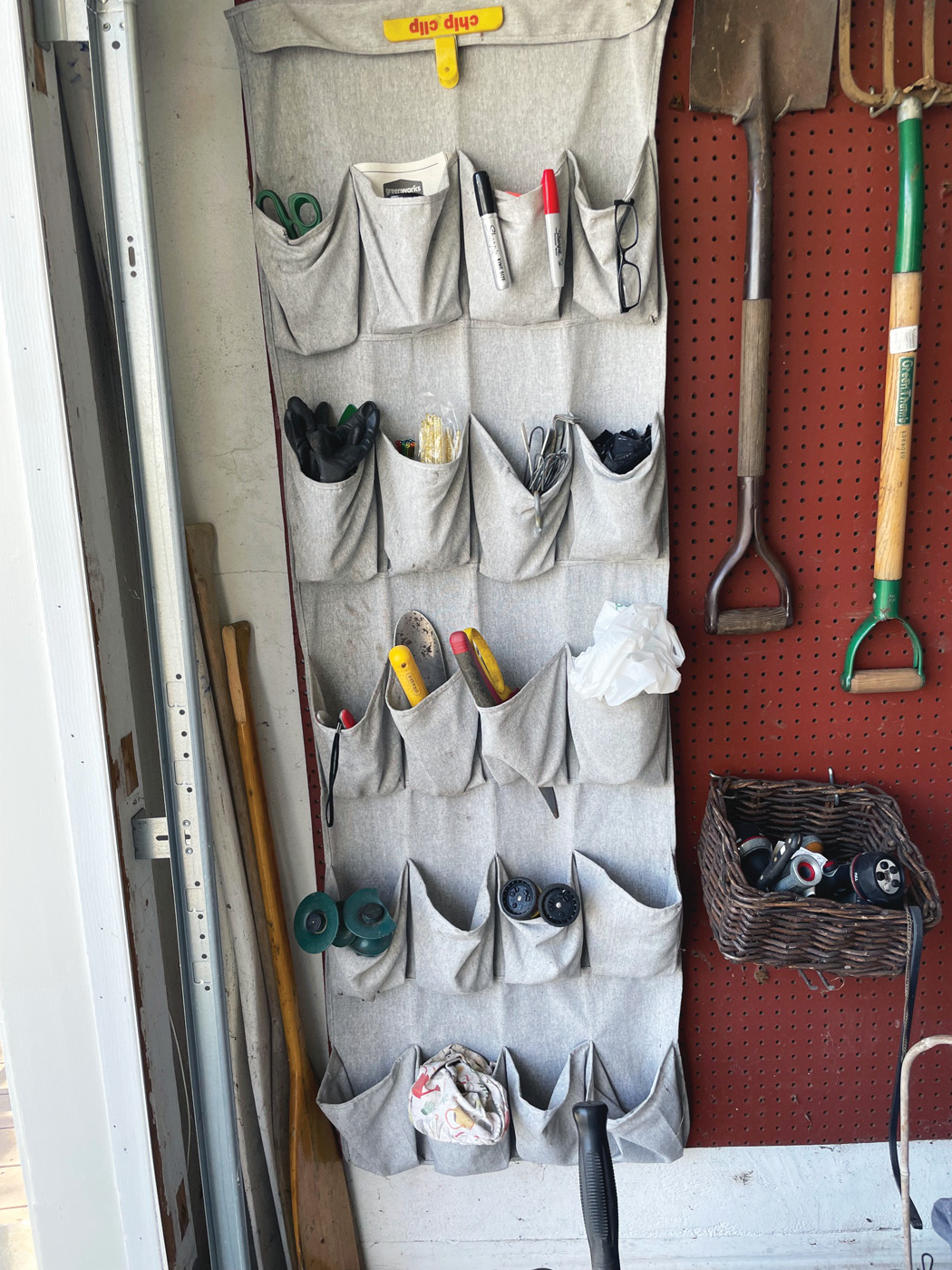
This approach minimizes the "clutter creep" that often plagues gardening spaces. By compartmentalizing tools, gardeners can prevent rust caused by stacking metal instruments on top of one another and extend the lifespan of their gear by keeping it off the floor.
Protecting Your Botanical Investments
Wildlife, pests, and the erratic nature of the climate are the primary antagonists in any gardener’s narrative. Protecting delicate flora requires both physical barriers and resourceful thinking.
Simple Fencing for Rosebushes
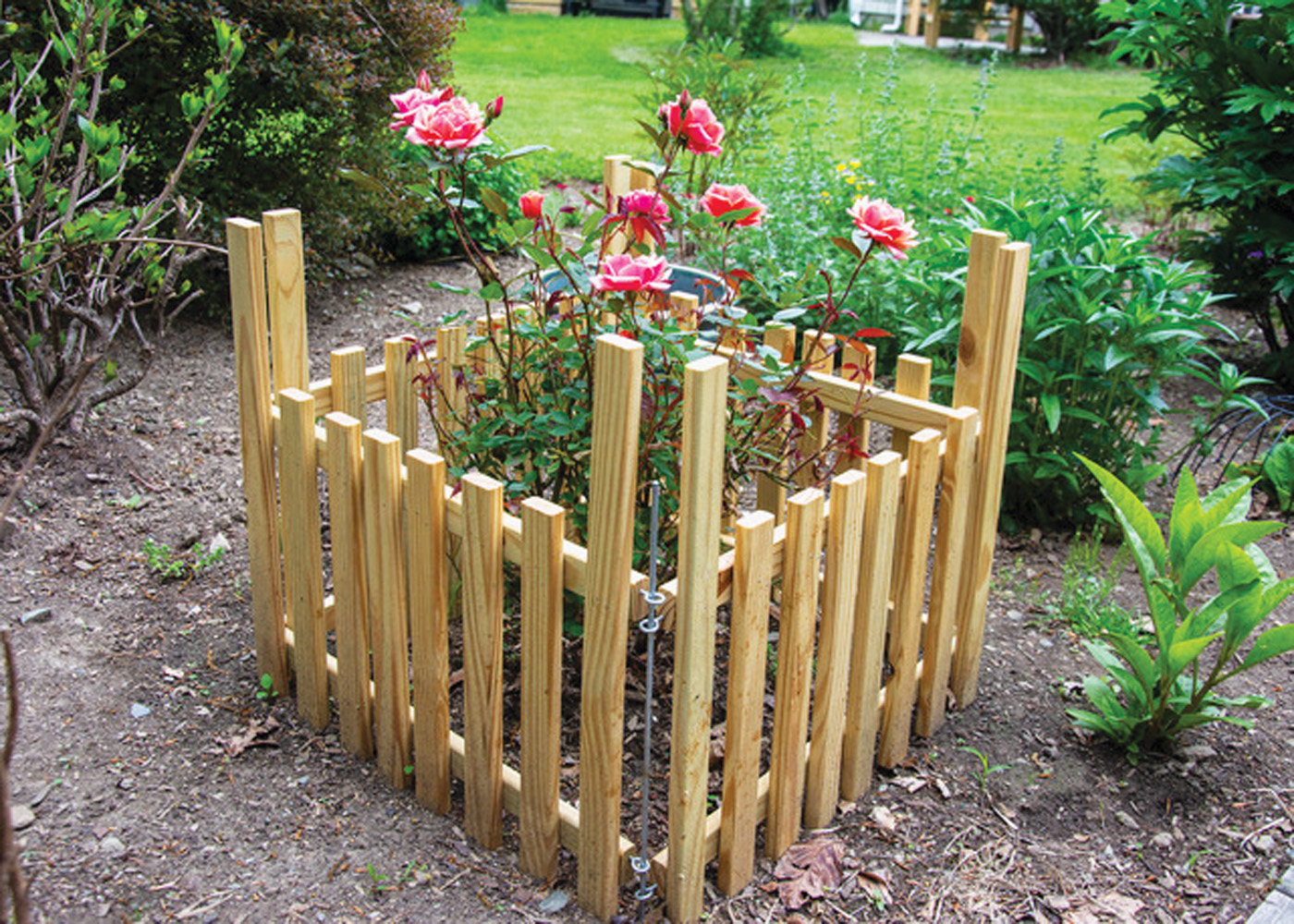
For Joan Swanson of Portsmouth, Rhode Island, the challenge was preventing local fauna from browsing on her prized rosebushes. While many commercial solutions exist, they can be costly and aesthetically jarring. Swanson opted for a DIY approach using 1×2 lumber.
By constructing a lightweight, minimalist fence, she created a visual and physical deterrent that protects her plants without obscuring their beauty. The success of this installation—marked by healthy, blooming roses—serves as a reminder that inexpensive materials, when applied with intent, often outperform high-priced, mass-market alternatives.
Winter Protection: The "Sweatshirt" Strategy
Climate change has introduced unpredictable temperature shifts, often putting tropical plants in temperate regions at risk. Janice Walls, a gardener in the Mid-Atlantic, encountered this issue when her tropical collection faced an unseasonably cold winter.
Initially, Walls attempted to use plastic sheeting, a common but flawed tactic that can cause heat-trapping and moisture buildup, ultimately harming the plant. Her pivot to using old, zippered sweatshirts proved highly effective. The breathable fabric provides insulation against frost while allowing for airflow, preventing the "cook-pot" effect. Furthermore, the ease of the zipper allows for rapid deployment and removal as temperatures fluctuate, making it a superior, low-cost solution for urban gardeners with limited storage.
Pest Management: The Slug Strategy
The battle against slugs is an age-old struggle for vegetable and ornamental gardeners alike. While chemical baits are available, many gardeners prefer mechanical or non-toxic traps that do not threaten local biodiversity or soil health.
Heidi Freestone of Sebastopol, California, utilizes the "nursery pot trap" method. By placing the bottom of a black plastic 5-gallon nursery pot on moist soil overnight, Freestone creates a dark, humid micro-environment that slugs find irresistible. By morning, the slugs congregate beneath the pot. This allows the gardener to remove a significant portion of the population in one go. This method is particularly effective at gathering smaller slugs that are often missed during manual hand-picking, providing a more comprehensive approach to pest control.
Mastering Mint: The Power of Poly Bags
Mint is a botanical paradox: beloved for its fragrance and culinary versatility, but infamous for its aggressive, invasive root system. Once mint finds a foothold in open soil, it is nearly impossible to eradicate.
The Strategy of Containerization
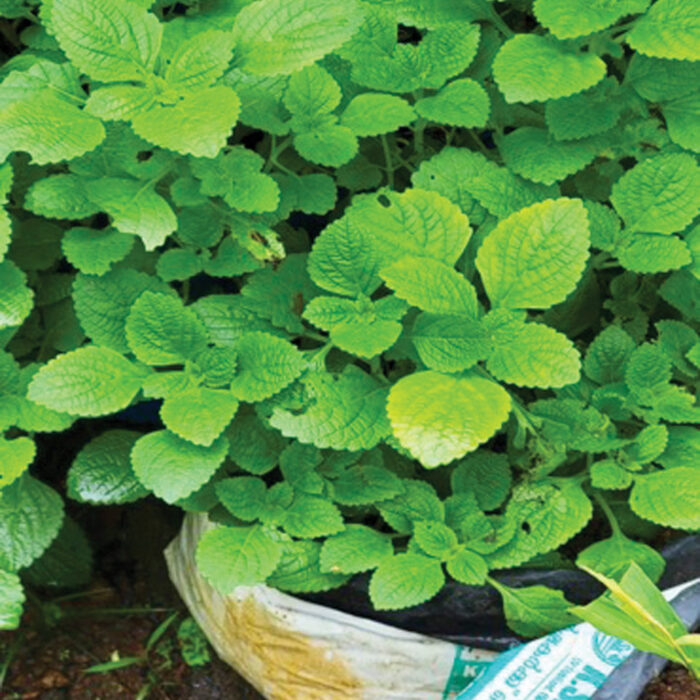
Oglah Morogo, based in Eldoret, Kenya, advocates for the use of woven poly bags as the ultimate containment vessel for mint. Unlike traditional ceramic or plastic pots, which can eventually restrict root growth or lead to waterlogged soil, woven poly bags offer unique benefits:
- Air Pruning: The porous nature of the bag allows roots to access oxygen, which naturally "prunes" the tips and encourages a healthier, denser root mass.
- Moisture Management: While these bags dry out faster than plastic, they significantly reduce the risk of root rot, a common ailment for mint kept in stagnant, poorly drained soil.
- Portability: Their lightweight design makes them ideal for balcony or small-space gardening, where they can be moved to follow optimal sunlight patterns.
Cultivation Best Practices
To ensure a thriving mint harvest, Morogo emphasizes the importance of soil structure and pruning. Loose, well-aerated potting mix is essential. When planting, the soil should not be compressed, as this hampers the rapid expansion of the mint’s rhizomes.
Frequent harvesting is not just a benefit; it is a necessity for plant health. By pinching off the top leaves once the stems reach 4 to 6 inches, the gardener triggers lateral growth. This results in a bushy, prolific plant rather than a spindly, weak one. For those in urban settings, mint thrives with four to six hours of sunlight, making it a perfect candidate for window boxes or fire escapes.
Supporting Data: Why Small Hacks Matter
The efficiency of these gardening methods is backed by the broader principle of "Integrated Pest and Resource Management" (IPRM). By reducing the reliance on plastic-heavy, single-use solutions, gardeners are lowering their carbon footprint.
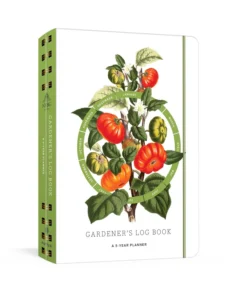
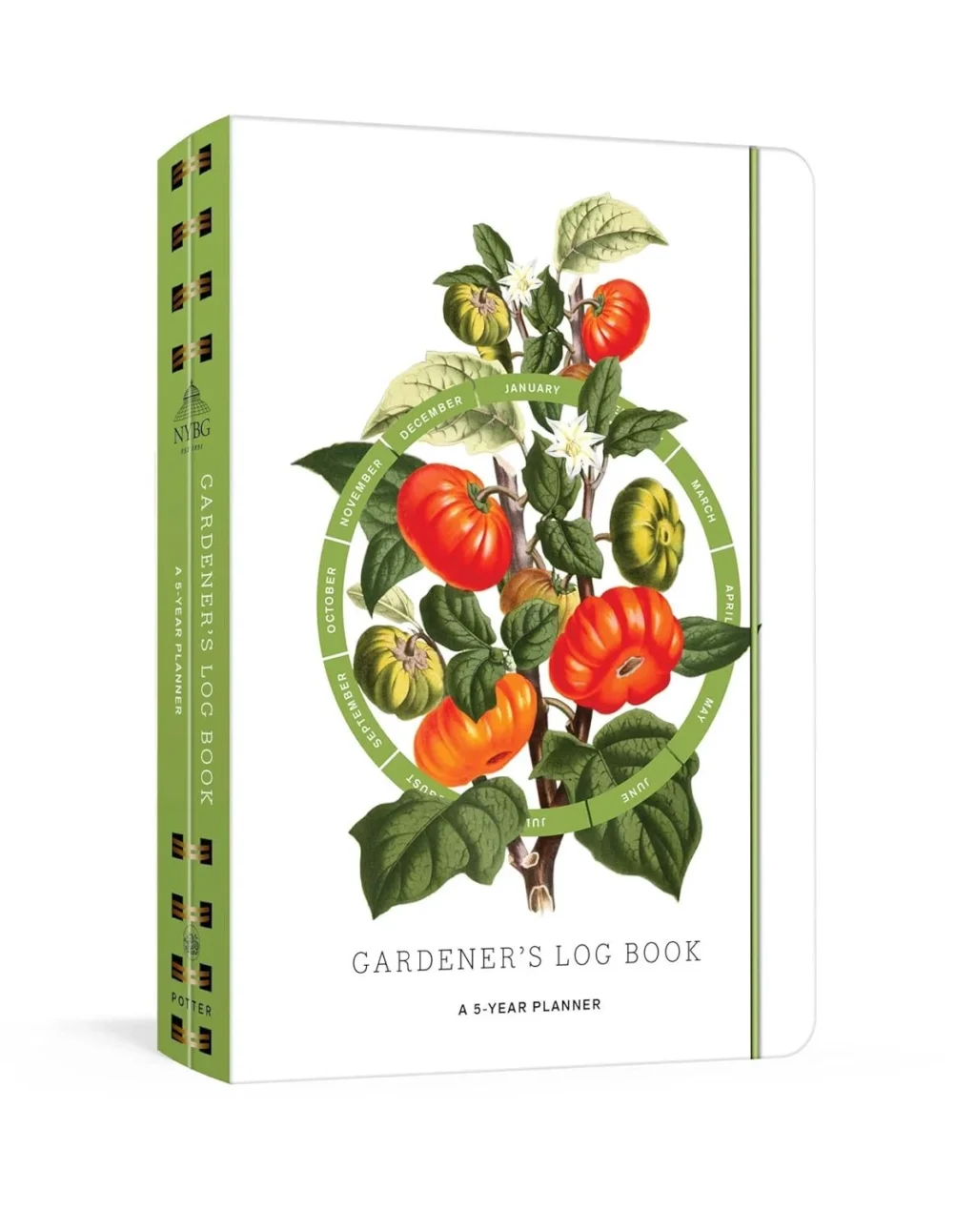
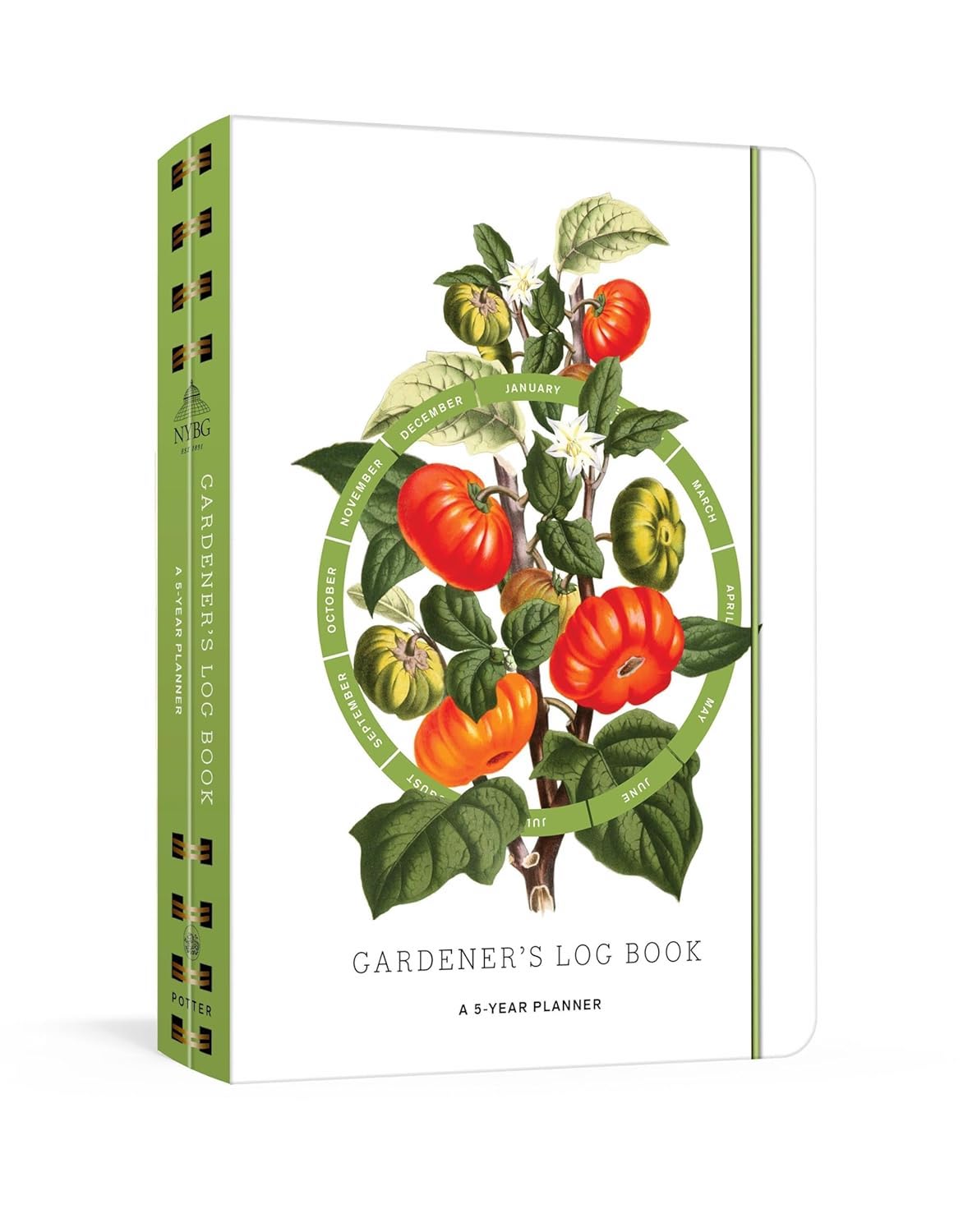
Furthermore, the "All Access" approach to gardening—which includes keeping a detailed log book—allows gardeners to track these successes. Using tools like the Gardener’s Log Book from NYBG, practitioners can record dates of planting, pest outbreaks, and the effectiveness of various DIY traps. Such data allows for "adaptive management," where the gardener learns the specific rhythms of their micro-climate, leading to higher yields and lower resource waste over a five-year period.
Implications for the Future of Home Gardening
The shift toward "smarter" gardening—as evidenced by these tips—reflects a move away from industrial, high-input gardening toward a more thoughtful, ecological approach.
Economic and Environmental Impact
- Circular Economy: Using old clothes (sweatshirts) and recycled materials (nursery pots) keeps waste out of landfills and avoids the purchase of unnecessary synthetic covers or chemical traps.
- Scalability: These tips demonstrate that high-level gardening is not restricted to those with large budgets or expansive estates. Whether in rural Kenya or a suburban home in Massachusetts, the principles of space optimization remain the same.
- Community Knowledge Exchange: The aggregation of these tips emphasizes the value of shared, anecdotal evidence. Horticulture is a field where regional wisdom is often superior to standardized, generic advice.
Closing Thoughts
As we move into the next growing season, the goal for many is to transition from being a "caretaker" of plants to an "engineer" of the garden. By adopting these low-cost, high-impact strategies, gardeners can mitigate the common stressors of their craft.
Whether it is the strategic containment of mint, the clever protection of tropicals, or the simple act of organizing one’s shed, these practices prove that the most effective tools in the garden are often the ones we create ourselves. We encourage all our readers to continue documenting their own successes and sharing them with the community. As the saying goes, a garden is never finished—but with the right approach, it can always be improved.
Do you have a unique gardening hack or a clever solution to a common problem? Send your smart garden tips to our editorial team, and please include high-resolution photos to illustrate your success. The winning tip earns a one-year subscription to Fine Gardening with an All Access membership.