Illuminating the Future: The Evolution of Blue Light-Mediated Photosensitization in Food Safety
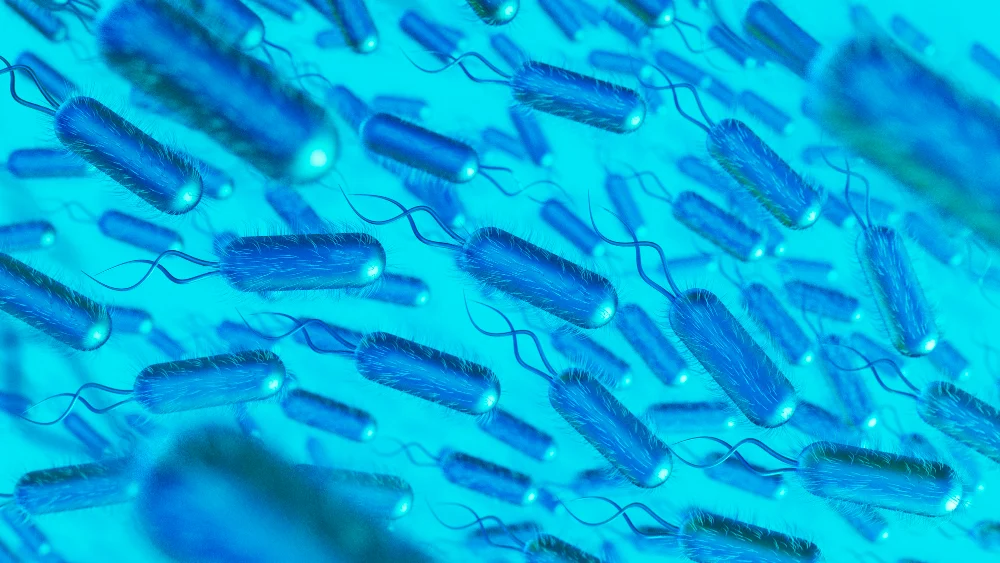
In the perpetual quest to balance microbial safety with the preservation of fresh, nutrient-dense food, the industry has long relied on traditional thermal processing. However, as consumer demand shifts toward minimally processed, "clean-label" foods, the limitations of heat—specifically its tendency to degrade delicate textures and nutritional profiles—have become a significant hurdle. A landmark review published in the journal Food Control suggests a promising, non-thermal alternative: blue light-mediated photosensitization.
By harnessing the specific antimicrobial properties of visible light in the 400–470 nanometer (nm) range, researchers are developing a sophisticated, chemical-free method to neutralize pathogens across diverse food sectors, from fresh produce and beverages to complex proteins like meat and seafood.
Main Facts: How Light Becomes a Weapon Against Pathogens
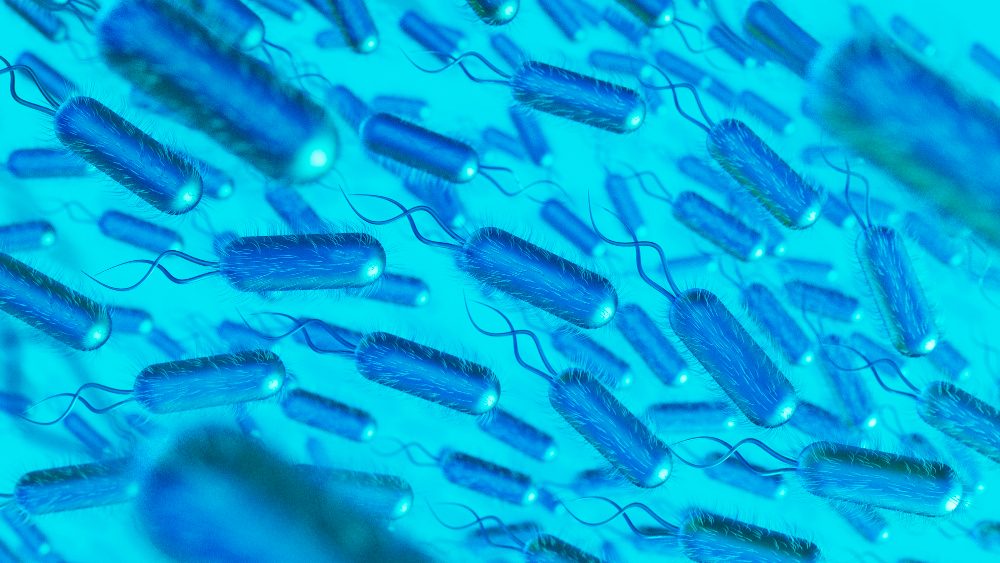
At its core, blue light-mediated photosensitization is a photochemical process. When specific wavelengths of blue light interact with photosensitizers—compounds that can be naturally present within the food (endogenous) or applied externally (exogenous)—they trigger a cascade of reactions. This process generates reactive oxygen species (ROS) such as singlet oxygen and hydroxyl radicals.
These ROS are highly effective at damaging the cellular components of foodborne pathogens, including their DNA, proteins, and cell membranes. Because this process occurs at ambient temperatures, it sidesteps the thermal degradation that often renders heat-based sterilization unsuitable for raw or perishable foods.
Key Mechanisms and Parameters
The efficacy of this technology is not universal; it is highly dependent on a matrix of variables:
- Wavelength Precision: The 400–470 nm spectrum is the "sweet spot" for microbial inactivation, targeting the internal chromophores of bacteria.
- Photosensitizer Selection: The choice of agent—whether it is a naturally occurring compound like curcumin or a synthetic additive—significantly impacts the rate of ROS production.
- Intensity and Duration: The "dose" of light must be calibrated to the specific bacterial load and the physical structure of the food item.
- Matrix Complexity: A smooth apple surface presents a different challenge than the porous, protein-rich surface of smoked salmon, requiring tailored intervention strategies.
Chronology: From Experimental Lab Work to Systematic Review
The journey of antimicrobial blue light (ABL) has moved rapidly from niche laboratory trials to a comprehensive, multi-disciplinary body of evidence.
- Initial Discovery Phase: Early research focused on the basic concept that blue light could inhibit microbial growth. These foundational studies proved that light alone could reduce bacterial counts, but efficiency was limited.
- The Rise of Photosensitization: Researchers began introducing "amplifiers"—photosensitizers—to the light treatment. This was a turning point, as it allowed for significantly higher kill rates of pathogens like Listeria and Salmonella without increasing light intensity.
- Application-Specific Milestones: Over the past decade, isolated studies began testing ABL on specific targets. For example, recent trials successfully demonstrated the use of plant-derived compounds (curcumin, berberine, quercetin, and capsaicin) to eliminate Listeria monocytogenes on smoked salmon. Simultaneously, engineers began designing sanitation protocols for industrial equipment, such as produce packinghouse brushes.
- The Current Synthesis: The recent Food Control review serves as the modern synthesis of this history. By aggregating findings from global institutions—including Parul University (India), King Faisal University (Saudi Arabia), Suranaree University of Technology (Thailand), and Washington State University (USA)—the report bridges the gap between individual experiments and industrial viability.
Supporting Data: The Balance of Quality and Safety
A primary concern for any new food safety technology is its impact on the "Big Three": color, texture, and nutrition. The review highlights that while blue light is a powerful sterilizer, it is not a "one-size-fits-all" solution.
Preservation of Integrity
In studies where treatment parameters were optimized, researchers observed minimal to no impact on the sensory attributes of produce. The low-temperature nature of the treatment ensures that vitamins and heat-sensitive antioxidants remain intact, which is a major advantage over traditional pasteurization.
The Risks of Over-Exposure
However, the data also serves as a cautionary tale. Excessive light exposure, or the use of incorrect wavelengths, can lead to:
- Photo-oxidation: This can cause discoloration in certain fruits and vegetables.
- Texture Degradation: Prolonged exposure may affect the cellular structure of delicate produce, leading to softening.
- Flavor Profiles: Certain fats in meat and seafood may be susceptible to lipid oxidation under high-intensity light, potentially altering taste.
The authors of the review emphasize that "precision processing" is required. Industry players cannot simply apply a uniform light treatment to every product; the technology must be calibrated based on the chemical composition and surface reflectivity of each specific food matrix.
Official Perspectives and Expert Consensus
The consensus among the international team of researchers is that blue light-mediated photosensitization has graduated from a theoretical concept to a viable candidate for the future of food safety. However, they stop short of declaring it ready for universal deployment.
"While the evidence is compelling, we are currently at the optimization stage," the authors note. The academic community is calling for:
- Standardization: A universal protocol for measuring light intensity and photosensitizer concentration.
- Industrial Validation: Moving from clean, controlled lab settings to the high-throughput, messy reality of a commercial food processing plant.
- Long-term Stability Studies: Evaluating how light-treated food behaves over the entire length of its retail shelf life.
By shifting the focus from "Does it work?" to "How can we scale it?", the researchers are aligning their efforts with the requirements of regulatory bodies and food safety managers worldwide.
Implications: The Path Toward Commercial Adoption
The shift toward blue light technology represents a significant change in the food safety paradigm. If successfully scaled, it could replace or augment chemical sanitizers, which are increasingly under scrutiny by consumers and regulators.
Barriers to Adoption
Despite its potential, several hurdles remain:
- Capital Investment: Transitioning to light-based systems requires significant initial investment in LED arrays and reactor designs tailored to specific production lines.
- Regulatory Hurdles: New technologies often face a rigorous path to approval, requiring extensive data on the safety of any exogenous photosensitizers added to the food.
- Standardization Needs: The lack of a standardized "kill-curve" for various pathogens across different matrices makes it difficult for food safety officers to integrate the technology into their HACCP (Hazard Analysis and Critical Control Points) plans.
The Future Outlook
The researchers conclude that the potential for ABL is vast. As we move toward a future where consumers demand high-quality, long-lasting, and chemical-free products, the reliance on thermal processing will likely decrease. The next generation of food safety will be "smart"—utilizing precise, light-based interventions that protect human health while respecting the natural integrity of the food.
For the food industry, the message is clear: the technology works, the science is robust, and the path to implementation is now a matter of engineering and scale. As the research continues to evolve, we can expect to see pilot programs in produce packinghouses and protein processing facilities leading the charge, proving that the future of food safety may very well be found in the blue end of the light spectrum.
For those seeking to implement or study these advancements, the industry is increasingly turning to sophisticated tools like the "Ask FSM" AI resource, which helps bridge the gap between complex peer-reviewed research and the day-to-day requirements of food safety management.