Legumes Emerge as Potent Natural Inhibitors of Cancer Spread, Offering a New Paradigm in Prevention
The global fight against cancer is at a critical juncture, marked by escalating treatment costs and a sobering realization that current pharmaceutical approaches often fall short in preventing the disease’s most lethal aspect: metastasis. As the medical community grapples with the limitations of conventional therapies, a growing body of research points towards a powerful, accessible, and largely overlooked ally in this battle: the humble legume. Recent studies highlight specific legumes as remarkably effective in inhibiting matrix metalloproteinase (MMP) enzymes, key drivers of cancer invasion and spread, suggesting a profound shift towards dietary strategies for chemoprevention.
Main Facts: Unlocking Nature’s Defense Against Metastasis
Cancer metastasis, the process by which malignant cells break away from a primary tumor and establish new colonies in distant organs, accounts for approximately 90% of all cancer-related deaths. This devastating progression is heavily reliant on a family of enzymes known as matrix metalloproteinases (MMPs), which act like molecular "machetes," carving paths through surrounding tissues, enabling cancer cells to invade blood and lymphatic vessels, and ultimately, colonize new sites.
While pharmaceutical companies have invested heavily in developing synthetic MMP inhibitors, these drugs have largely failed in human trials due often to severe side effects. This setback has intensified the search for safer, naturally occurring alternatives. Emerging research now unequivocally positions certain legumes – including lupin beans, chickpeas, and soybeans – as potent natural inhibitors of these critical enzymes. In laboratory settings, these legumes have demonstrated an astounding ability to reduce MMP activity by over 90%, and crucially, to significantly hinder the invasive migration of cancer cells. This discovery not only offers a promising avenue for cancer prevention but also challenges the prevailing, often reactive, approach to cancer treatment, advocating instead for a proactive, dietary-based strategy.
Chronology: From Costly Cure to Preventative Powerhouse
The trajectory of modern cancer care has largely been defined by a relentless pursuit of advanced pharmaceutical interventions. For decades, the dominant strategy has been to develop sophisticated chemotherapies, targeted drugs, and immunotherapies, often at astronomical costs. Experts project a staggering 70% increase in global cancer treatment expenditures over the next two decades, with billions already being spent annually on new drug development. Despite these massive investments, the effectiveness of many chemotherapy agents remains a subject of intense debate, with some studies indicating that they frequently impair patients’ quality of life without significantly extending survival. The stark reality is that many cancer drugs are designed to "mop up the mess" rather than "turn off the faucet" – focusing on treating existing tumors rather than preventing their formation or spread.
The inherent limitations of a purely pharmaceutical model are multifold. High costs render many treatments inaccessible, exacerbating health disparities globally. More critically, the systemic toxicity of many drugs leads to debilitating side effects, questioning the net benefit to a patient’s overall well-being. This scenario has fueled a growing consensus within the scientific community that while drugs are essential for treatment, they are impractical for widespread cancer prevention due to their cost and side effect profiles.
In parallel, however, a robust body of evidence has accumulated over recent decades, pointing towards the "overwhelming" chemopreventive properties of dietary bioactive compounds found in whole plant-based foods. This shift in perspective began with epidemiological observations linking diet to cancer incidence and progressed through molecular studies that elucidated the mechanisms by which plant-derived compounds interact with cellular pathways. Researchers began to identify specific dietary components that could influence the "hallmarks of cancer," a set of biological capabilities acquired by cancer cells during their development, including uncontrolled growth, resistance to cell death, and, crucially, the ability to invade and metastasize.
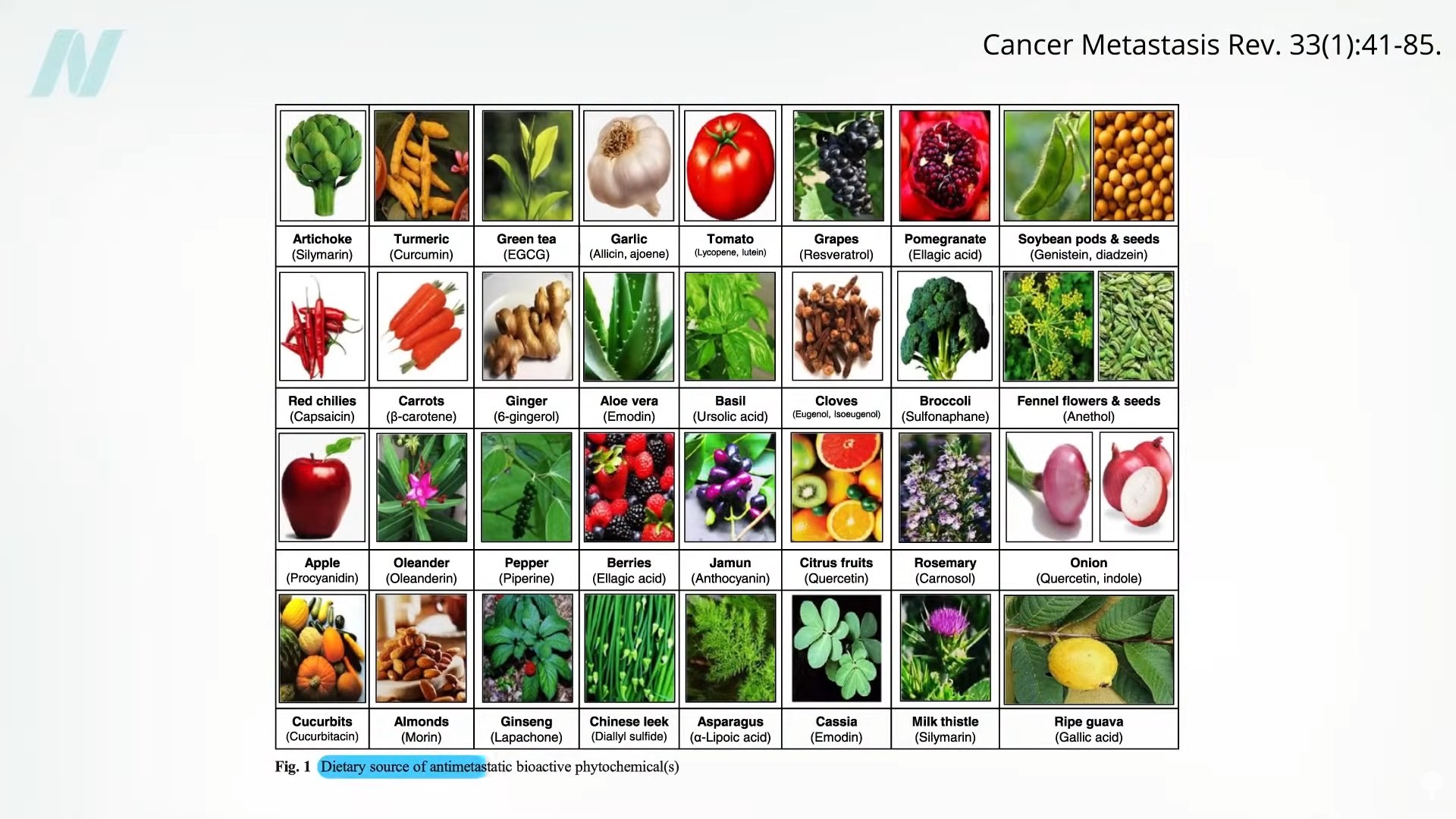
The recognition that cancer metastasis is responsible for the vast majority of cancer deaths has underscored the urgency of finding effective anti-metastatic strategies. When pharmaceutical MMP inhibitors proved too toxic, the focus naturally shifted to nature’s pharmacy. The initial "in vitro" successes of various phytochemicals in inhibiting nearly every step of the invasion-metastasis cascade paved the way for more targeted investigations into specific food groups, ultimately leading to the spotlight on legumes and their remarkable MMP-inhibiting proteins. This progression marks a significant chronological pivot, moving from an exclusive reliance on high-tech, high-cost treatments to an embrace of accessible, sustainable, and fundamentally preventative dietary solutions.
Supporting Data: The Legume Arsenal Against Invasion
The scientific journey to identify the most potent legume-derived MMP inhibitors involved a series of meticulous experiments, primarily conducted in laboratory settings (in vitro), providing compelling evidence of their anti-cancer potential.
Identifying the Top Performers:
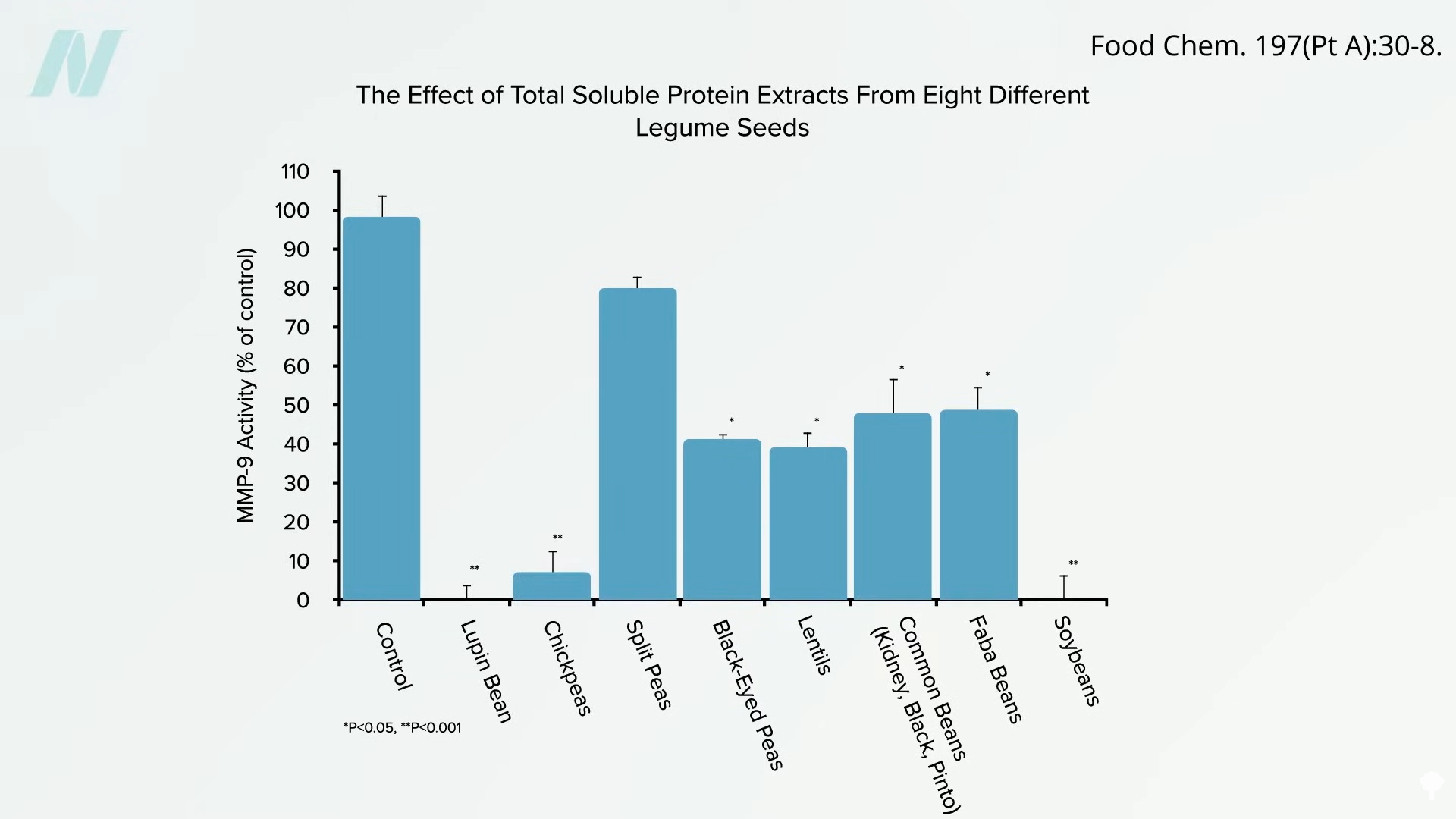
Researchers embarked on a comparative analysis of eight commonly consumed legumes: lupin beans, chickpeas, split peas, black-eyed peas, lentils, common beans (a category encompassing varieties like kidney, black, and pinto), fava beans, and soybeans. The objective was to quantify their respective abilities to inhibit matrix metalloproteinase (MMP) activity. The results were striking:
- In the absence of any legume extract, MMP activity registered at approximately 100%.
- Split peas showed minimal impact on enzyme activity.
- Black-eyed peas, lentils, common beans, and fava beans demonstrated a significant reduction, cutting MMP activity by over 50%.
- However, the most impressive performers were lupin beans, chickpeas, and soybeans, which consistently slashed MMP activity by more than 90%. This dramatic reduction highlights their exceptional potential as natural chemopreventive agents.
Impacting Cancer Cell Migration:
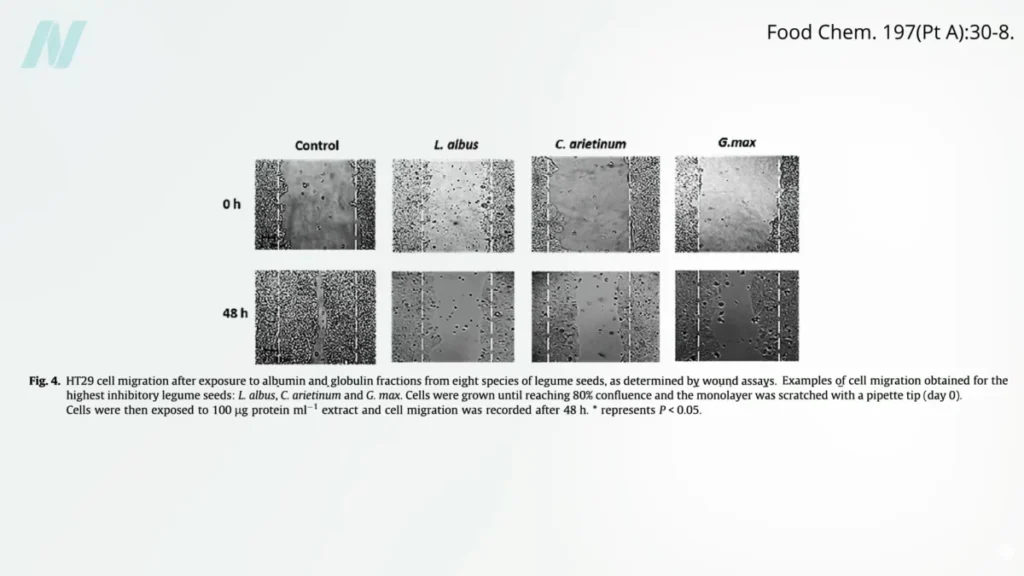
To further validate these findings, scientists moved beyond enzyme activity measurement to observe the direct impact of legume proteins on cancer cell behavior. A classic "wound healing" assay was employed: human colon cancer cells were grown in a petri dish, and a strip was cleared down the middle, creating a "wound."
- In control dishes, cancer cells rapidly migrated to fill the gap within 48 hours, demonstrating their inherent invasive capacity.
- However, when proteins extracted from lupin beans, chickpeas, or soybeans were introduced, the cancer cells visibly struggled to bridge the gap. Their migration was significantly impeded, suggesting that these legume compounds not only inhibit the enzymes but also directly interfere with the physical movement and invasive potential of cancer cells.
The Role of Cooking:
A crucial question for dietary relevance is whether these beneficial proteins withstand the rigors of cooking. Initial studies often utilize raw extracts, leading to concerns about real-world applicability. Subsequent research specifically addressing soybeans confirmed that their matrix metalloproteinase inhibitors do remain active even after cooking. This finding is critical, as it assures consumers that the anti-cancer benefits are not lost through standard food preparation, making these legumes practical dietary additions for cancer prevention.
Broader Epidemiological Context:
Beyond the specific anti-MMP effects, the protective role of legumes is supported by broader epidemiological data. Studies have consistently shown that regular consumption of legumes is associated with a reduced risk of colorectal cancer. While this benefit might partly stem from direct contact between legume compounds and the colon lining, the systemic effects of these compounds, even if absorbed in small amounts, could contribute to overall cancer prevention.
Furthermore, individuals adhering to vegetarian diets, which are typically rich in legumes and other plant foods, exhibit significantly lower circulating levels of matrix metalloproteinases in their bloodstream. While this reduction is partly attributed to lower systemic inflammation (a known driver of MMP activity, similar to the effect seen in non-smokers), it underscores the overall physiological benefits of a plant-centric diet. The multifaceted protective effects of plant-based eating extend beyond cancer, influencing a range of chronic diseases. MMPs, for instance, are not merely cancer biomarkers; they are implicated in autoimmune diseases and cardiovascular disease, where their "machete-like" action can destabilize atherosclerotic plaques, leading to heart attacks and strokes. The reduced incidence of heart disease among those consuming plant-based diets is well-documented, and this research now reinforces the significant, often underappreciated, reduction in cancer risk, particularly for those adopting strictly plant-based eating patterns.
Official Responses: Shifting Paradigms and Future Directives
While major health organizations have not yet issued specific "official responses" to the precise findings regarding individual legumes and MMP inhibition, the broader scientific and public health communities are increasingly recognizing and advocating for the powerful role of diet in cancer prevention. This reflects a paradigm shift from a purely reactive, treatment-focused approach to a more proactive, preventative one.
Leading medical and nutritional bodies, such as the World Health Organization (WHO), the American Institute for Cancer Research (AICR), and the American Cancer Society (ACS), consistently emphasize the importance of diets rich in fruits, vegetables, and legumes for cancer prevention. Their recommendations, though often general, are increasingly backed by the molecular mechanisms being uncovered by studies like those on MMP inhibition. The "overwhelming evidence" for dietary bioactive compounds’ anticancer properties cited in the original article encapsulates this evolving official stance.
There is also an implicit "response" from the scientific community regarding the limitations of pharmaceutical interventions. The repeated failures of synthetic MMP inhibitors in human trials have underscored the complexity of biological systems and the often-unforeseen side effects of single-molecule drug targeting. This has naturally led researchers to explore more holistic, food-based interventions, which offer a synergy of multiple bioactive compounds, often with fewer adverse effects.
Furthermore, the economic burden of cancer treatment is compelling policymakers and healthcare providers to explore cost-effective preventative strategies. Dietary interventions, particularly those promoting affordable and accessible foods like legumes, represent a highly attractive public health solution compared to expensive, patent-protected drugs. The challenge lies in translating these scientific findings into actionable public health campaigns and integrating nutritional guidance more deeply into mainstream oncology and primary care.
Implications: A New Horizon for Cancer Prevention and Health Equity
The findings on legumes’ ability to inhibit matrix metalloproteinases carry profound implications, not just for cancer prevention but for global health equity and the future of disease management.
Empowering Individuals with Dietary Choice:
Perhaps the most significant implication is the empowerment it offers individuals. Instead of passively awaiting potential cancer diagnoses or relying solely on costly, often debilitating treatments, people can actively engage in preventing cancer’s spread through simple, accessible dietary choices. Incorporating lupin beans, chickpeas, and soybeans into daily meals is a practical, affordable strategy for potentially reducing the risk of metastasis. This shifts the focus from a reactive medical model to a proactive health paradigm, placing agency in the hands of the individual.
Redefining Cancer Prevention Strategies:
These discoveries underscore the urgent need for a more prominent role for nutrition in national and international cancer prevention guidelines. Public health campaigns should move beyond general advice to highlight specific foods and their mechanisms of action. Integrating robust nutritional counseling into primary care and oncology practices could become a cornerstone of future healthcare, potentially reducing the incidence and mortality associated with metastatic cancer.
Driving Further Research:
While in vitro and cell culture studies provide strong preliminary evidence, the next crucial step is comprehensive human clinical trials. These studies would aim to confirm the bioavailability of these anti-MMP compounds in humans, assess their long-term impact on cancer recurrence and metastasis, and determine optimal dosages and consumption patterns. Further research could also explore synergistic effects between different legumes and other plant foods, uncovering even more potent dietary combinations.
Addressing Health Disparities:
Legumes are staple foods in many cultures globally, often serving as affordable and nutrient-dense protein sources. Promoting their consumption as a cancer-preventive strategy has the potential to address health disparities, particularly in regions where access to expensive cancer treatments is limited. This makes plant-based prevention a remarkably equitable solution in the global fight against cancer.
A Holistic View of Health:
The fact that legumes also contribute to reduced risk of heart disease and may mitigate inflammation, which impacts autoimmune conditions, highlights a holistic benefit. A diet rich in legumes and other whole plant foods doesn’t just target one disease but fosters overall resilience, offering a multi-pronged defense against a spectrum of chronic illnesses. This reinforces the idea that preventing chronic diseases, including cancer, is interconnected and often achievable through consistent, healthful dietary practices.
In conclusion, the research illuminating legumes’ prowess in inhibiting matrix metalloproteinases offers a beacon of hope. It calls for a re-evaluation of our approach to cancer, moving beyond the "mop and bucket" mentality of chemotherapy to embrace the power of nature’s pharmacy. By integrating these humble yet mighty foods into our daily lives, we can collectively work towards turning off the faucet of cancer invasion and metastasis, ushering in an era of more effective, equitable, and preventative health.