The Art of the Viral Click: How to Master Food Photography in the Digital Age
In the modern culinary landscape, the saying "we eat with our eyes first" has never been more relevant. With the rise of social media platforms like Instagram, Pinterest, and TikTok, a single, high-quality photograph can catapult a recipe from a hidden blog post to a viral sensation shared by millions. However, capturing that elusive, engagement-driving image is as much a science as it is an art. As creators strive to elevate their visual storytelling, professional guidance has become a sought-after commodity.
The Evolution of Food Media: A Professional Perspective
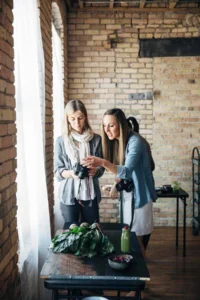
The shift toward visual-first content has changed the requirements for food bloggers and professional photographers alike. It is no longer sufficient to simply cook a delicious meal; one must now translate the sensory experience of taste and aroma into a compelling two-dimensional image. This transformation has led to a surge in demand for specialized training, such as the two-day intensive food photography workshops hosted at the Pinch of Yum studio.
These workshops serve as a hub for both hobbyists and emerging professionals looking to refine their technical skills. Participants undergo a rigorous curriculum that covers everything from mastering manual camera settings to the nuances of food styling and post-production editing. By bridging the gap between artistic intuition and technical proficiency, these sessions aim to empower creators to produce work that stands out in an increasingly saturated digital market.
Chronology of a Viral Shot: From Concept to Engagement
The process of creating an image that resonates with a broad audience is rarely accidental. It follows a deliberate, chronological sequence of intentional decisions:
- Conceptualization: Deciding on the mood and story of the dish.
- Styling: Selecting the environment, including props, lighting, and textures.
- Technical Setup: Adjusting camera settings (aperture, shutter speed, ISO) to ensure crisp, well-exposed images.
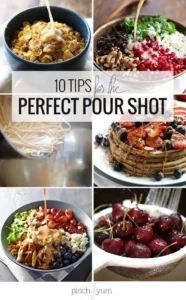
- The "Action" Phase: Implementing finishing touches—the "drizzle, sprinkle, or swirl"—that provide visual movement.
- Post-Production: Refining colors, contrast, and clarity to ensure the image pops on mobile screens.
- Publication: Optimizing the image for the specific social platform where it will be shared.
Supporting Data: Why Technique Matters
The efficacy of these techniques is backed by real-world performance metrics. For many creators, the transition from amateur snapshots to styled, intentional photography results in a dramatic uptick in audience engagement.
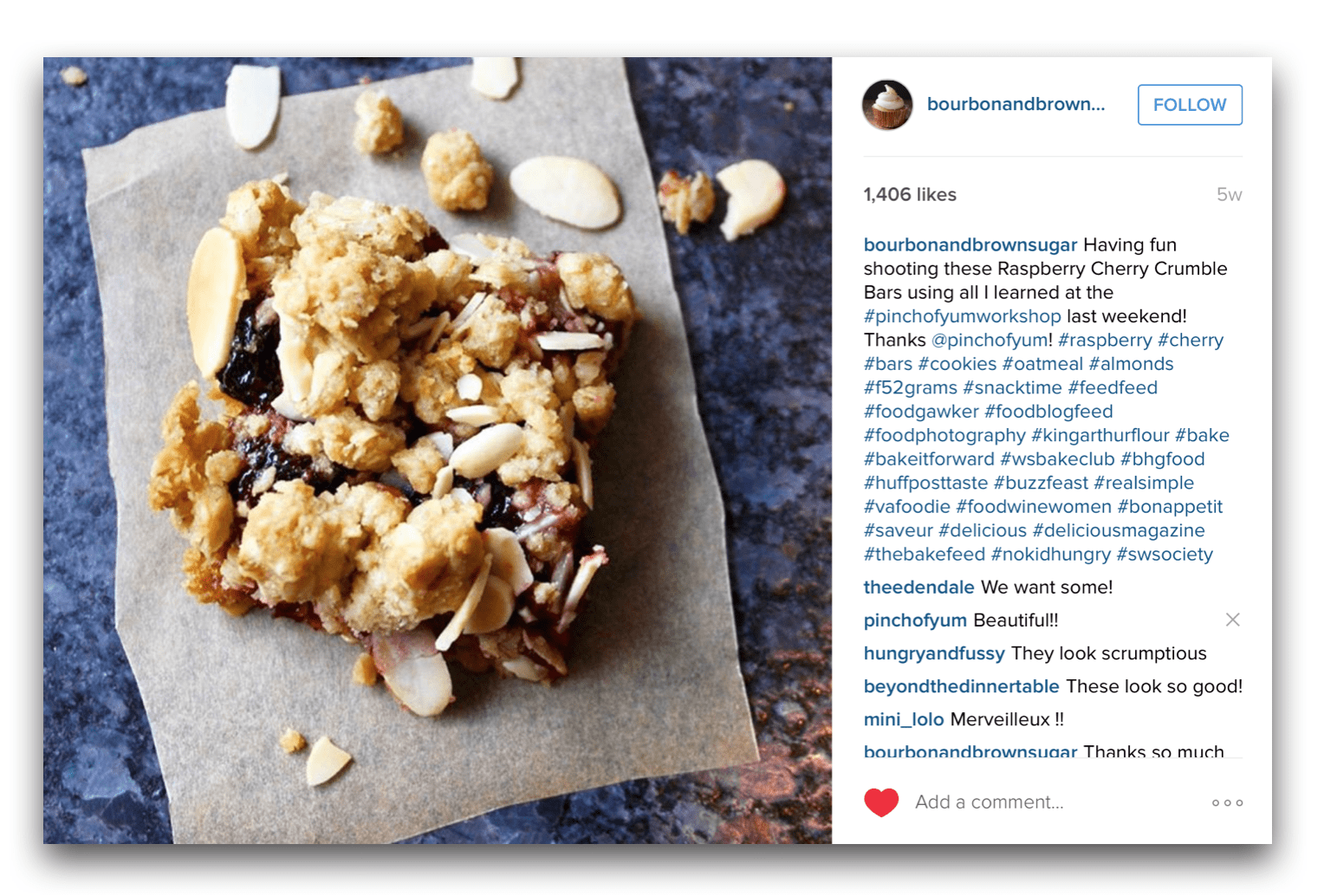
Consider the case study of a participant who traveled from Virginia to attend a workshop. Prior to the training, her social media posts garnered standard engagement. Within days of returning home and applying the professional styling and composition techniques learned in the studio, she shared a new photograph on Instagram. The result was an increase of nearly 1,100 likes—a jump from her typical performance to a high of 1,400 likes. This data underscores that when technical skill meets creative intent, the result is a measurable increase in audience interaction and digital reach.
Professional Insights: The "Seven Pillars" of Viral Imagery
For those looking to optimize their workflow and visual impact, industry experts suggest focusing on seven core pillars:
1. Mastering Angles: Overhead vs. Straight-On
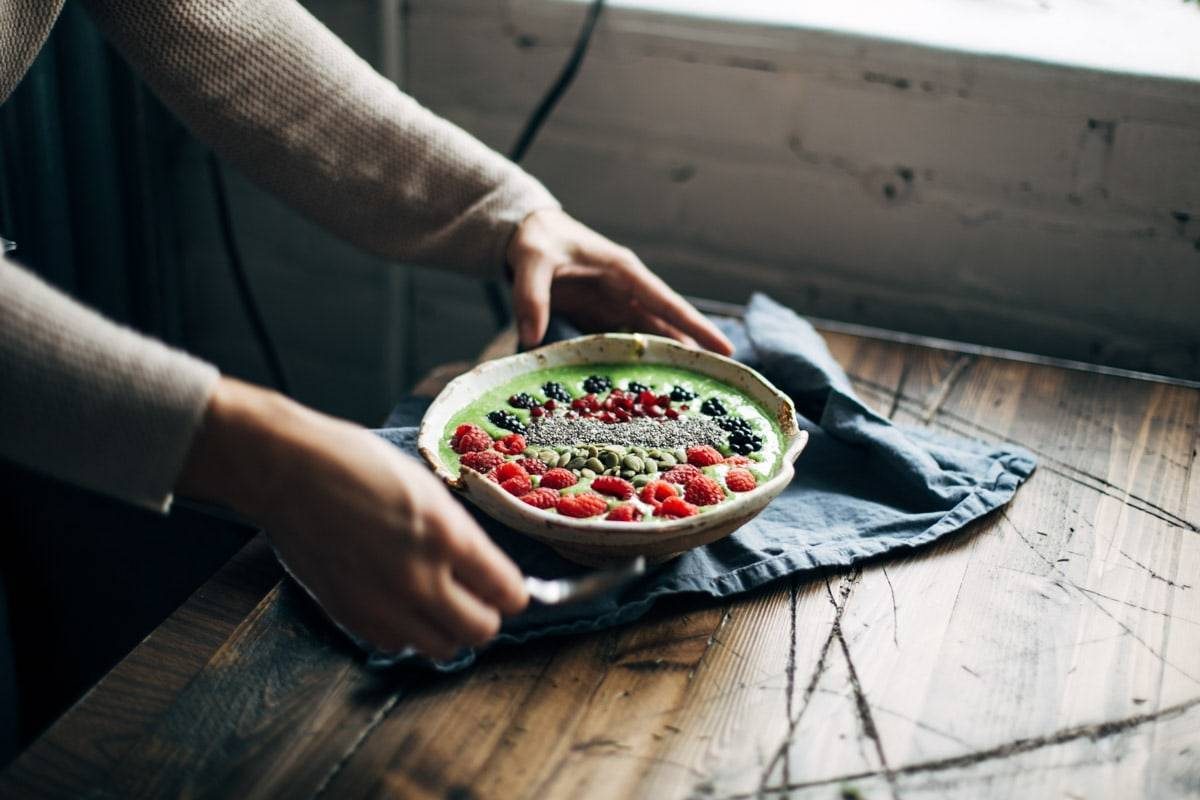
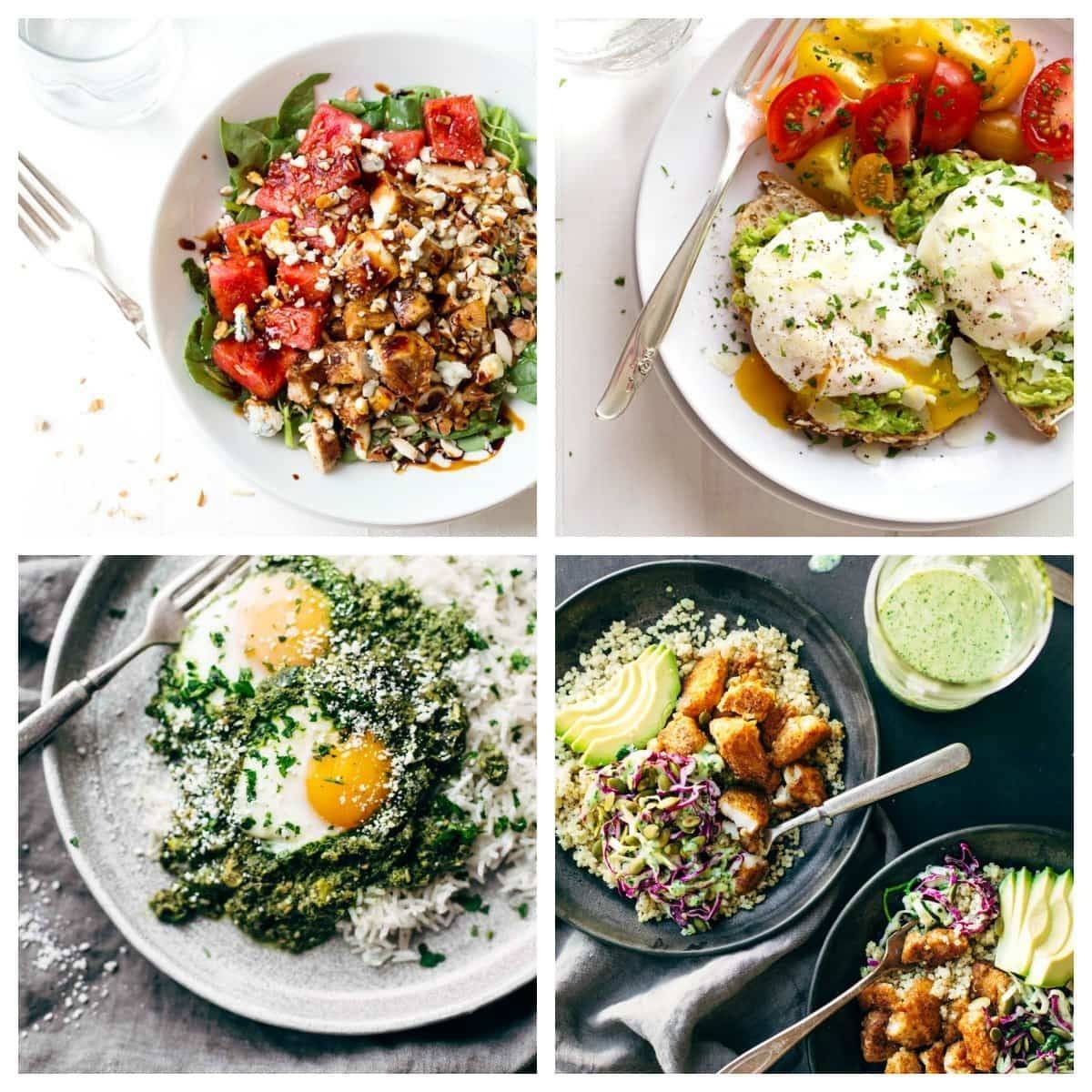
The angle of a shot dictates how the viewer perceives the food. The "overhead" (top-down) angle is ideal for showcasing the composition and texture of flat-lay meals, such as smoothie bowls or complex salads. Conversely, the "straight-on" angle is essential for dishes with verticality, such as towering burgers or stacked pancakes, allowing the photographer to capture the structure of the dish.
2. The Matte Advantage
Reflective surfaces are the enemy of clean photography. Shiny ceramics or metallic cutlery often catch unwanted highlights or, worse, reflect the photographer themselves. Utilizing matte-finish dishes allows the food to remain the focal point, ensuring the viewer is not distracted by glare or unintended reflections.
3. The Power of Monochromatic Styling
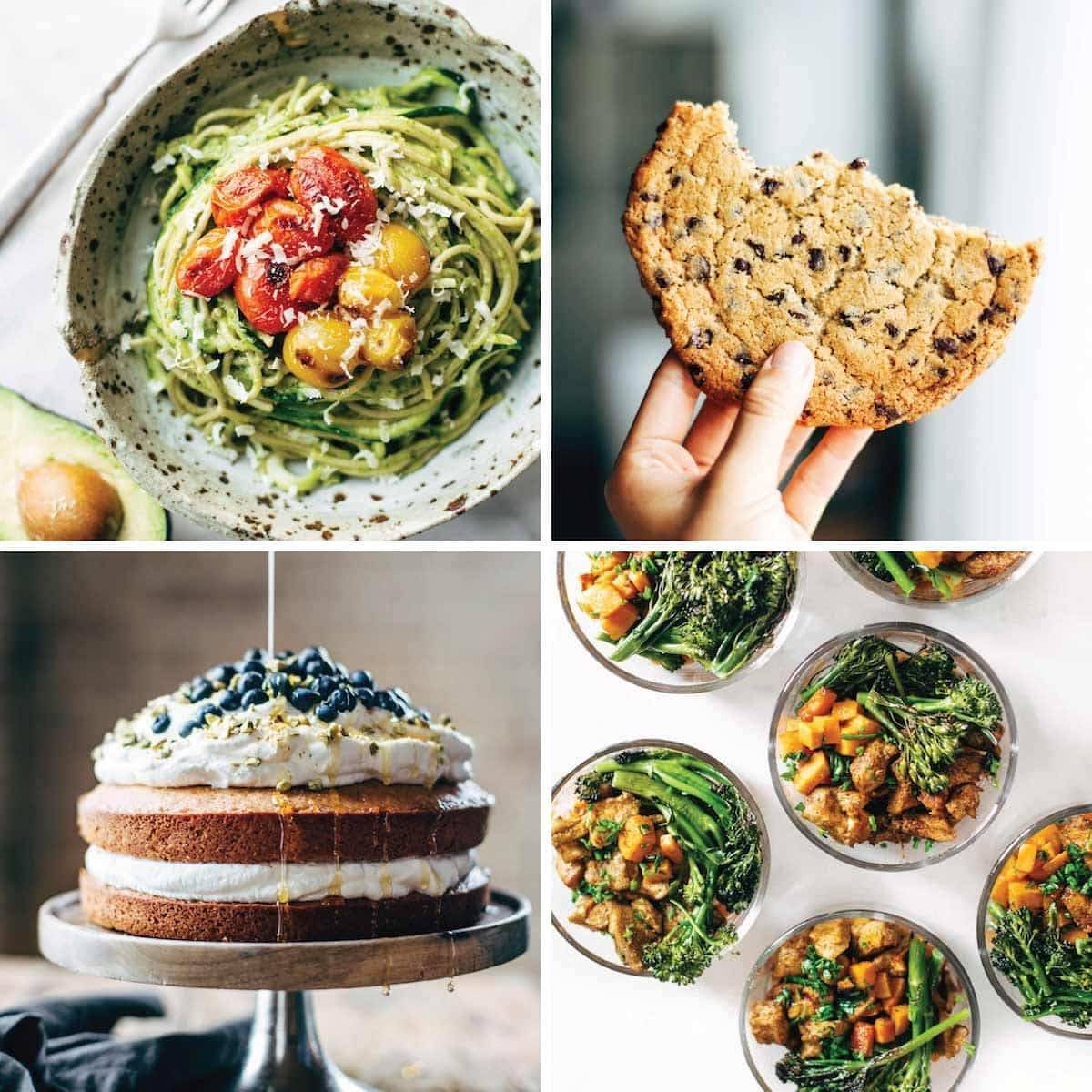
A minimalist, monochromatic setup—such as white food on a white plate against a white background—forces the eye to focus entirely on the color and texture of the ingredients. This technique provides a clean, sophisticated aesthetic that often performs well on platforms favoring high-contrast, minimalist imagery.
4. The "Action" Detail
Food should look "alive" even in a still image. The difference between a static photo and a viral one often lies in small, human-centric details: a perfectly captured drizzle of syrup, a fresh dusting of herbs, or a well-placed fork twist of pasta. These elements imply a recent human presence, making the food feel more accessible and desirable.
5. Prioritizing Compelling Content
Beyond the camera work, the subject itself must be compelling. A single, flat slice of bread may not excite a viewer, but a tall, glistening stack of that same bread, topped with a melting pat of butter, creates an emotional response. Creators must ask themselves if their chosen subject is "story-worthy" before they even pick up the camera.

6. Cultivating a Signature Aesthetic
While trends change, consistency builds a brand. Developing a recognizable "look"—whether it’s light and airy or moody and dark—allows followers to identify a creator’s work instantly. A signature style simplifies the workflow, as the photographer eventually learns exactly what lighting and props work best for their specific aesthetic.
7. The Continuous Cycle of Study and Practice
Photography is a perishable skill; it requires constant maintenance. By studying the work of peers and industry leaders, creators can identify new techniques to incorporate into their own style. However, study is only half the battle. Without consistent, daily practice, theoretical knowledge remains dormant.
Official Responses and Educational Philosophy
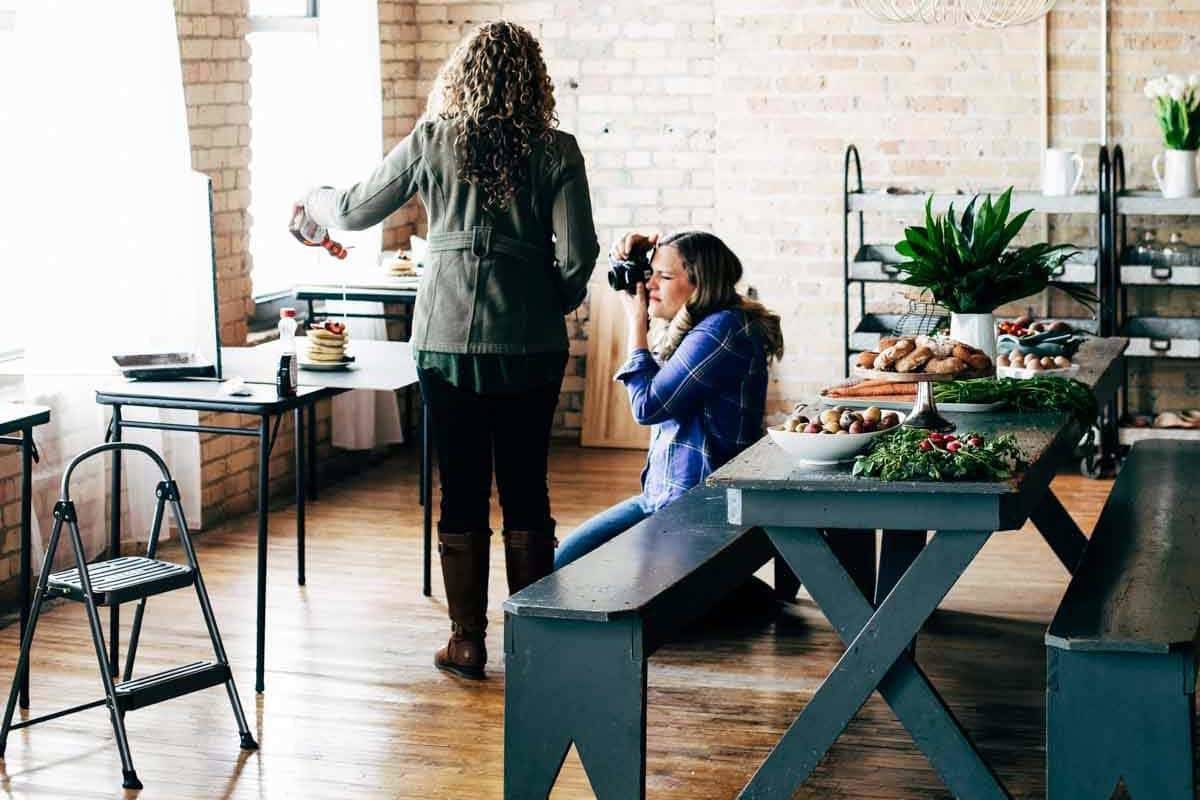
The philosophy driving these workshops is centered on the concept of "facilitated learning." Rather than focusing on being the "best in the industry," the approach is designed to demystify the intimidating aspects of photography. By creating a controlled environment—complete with natural window light and hands-on styling opportunities—the curriculum ensures that participants leave with more than just a certificate; they leave with actionable skills.
The emphasis on a "Teach, Model, and Guided Practice" framework ensures that students move beyond the abstract. Whether the goal is to monetize a blog or simply capture better memories, the focus is on making technical processes accessible, repeatable, and efficient.
Implications for the Future of Food Blogging
The professionalization of food photography has significant implications for the future of digital content. As platforms continue to prioritize high-quality visuals, the barrier to entry for successful blogging rises. For those willing to invest in their education and refine their craft, the rewards are clear: higher engagement, more opportunities for professional collaboration, and a more fulfilling creative practice.
To support this ongoing journey, institutions are increasingly bundling educational resources. For example, attendees of the Pinch of Yum workshops currently receive a one-year membership to Food Blogger Pro. This creates a bridge between the intensive two-day experience and long-term industry connection, ensuring that creators have the tools to continue their growth long after the workshop concludes.
In a world where attention is the most valuable currency, the ability to stop a reader mid-scroll is the ultimate skill. Through a combination of intentional technique, consistent practice, and a commitment to storytelling, photographers are not just capturing food—they are capturing an audience.