NASHVILLE, TN — As grocery prices remain a central concern for household budgets across the United States, culinary developers are increasingly turning to home-cooked innovations to bridge the gap between financial practicality and family satisfaction. A prominent case study of this trend is the emergence of high-efficiency "hybrid" dishes—recipes that combine the comforting appeal of classic take-out with the cost-effective architecture of traditional casseroles.
Recently, the Nashville Test Kitchen finalized and released its data on a newly optimized "Skillet Pizza Casserole." Developed by professional culinary designer Jennie Alley, the recipe represents a calculated effort to minimize both active preparation times and clean-up overhead while maintaining a strict per-serving budget of approximately $2.05. By adapting classic multi-pot pasta preparation into a unified, single-skillet execution, the recipe offers a window into the modern methodology of budget-conscious food development.
Main Facts: The Anatomy of the Budget-Friendly Skillet Pizza Casserole
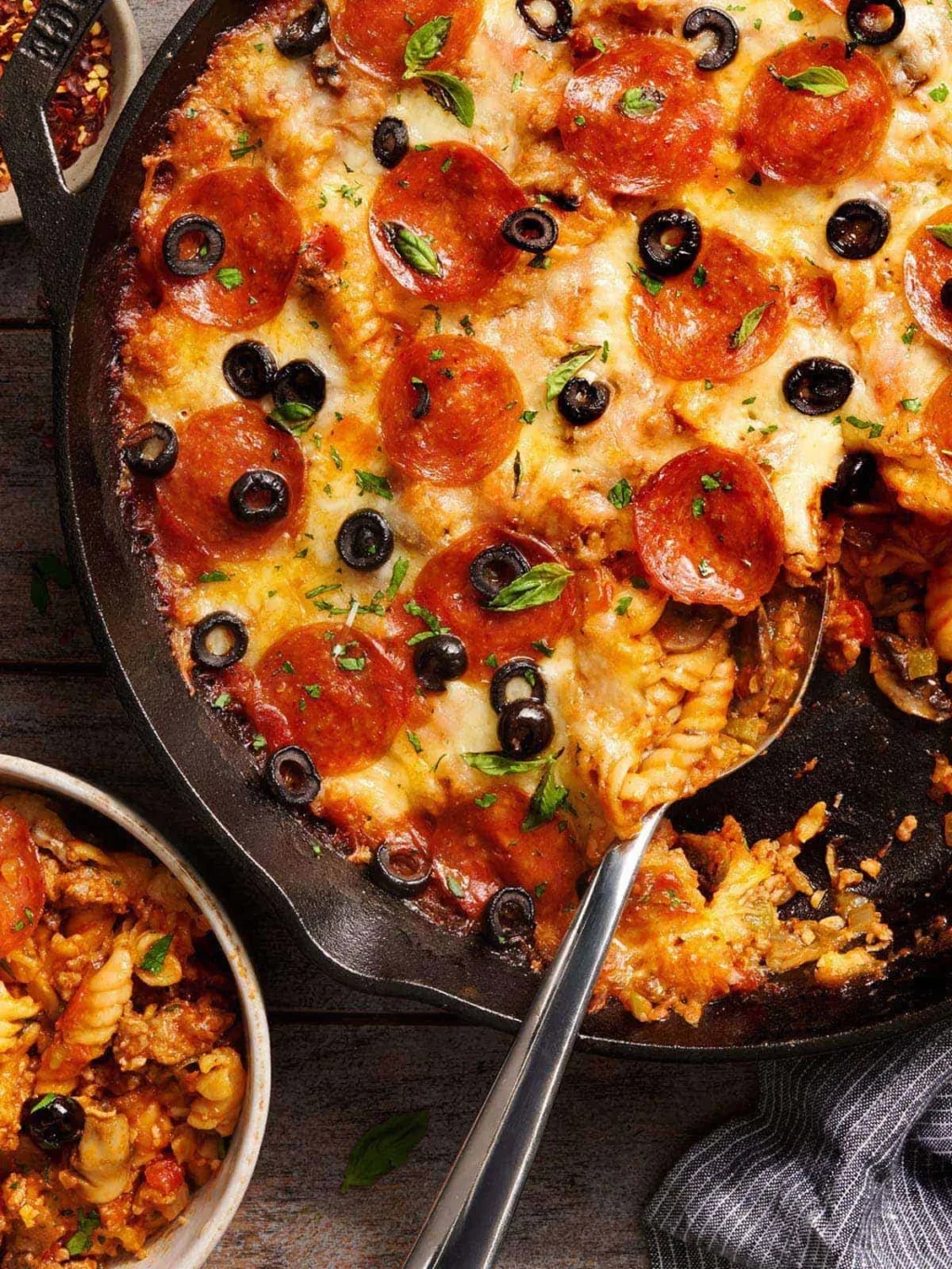
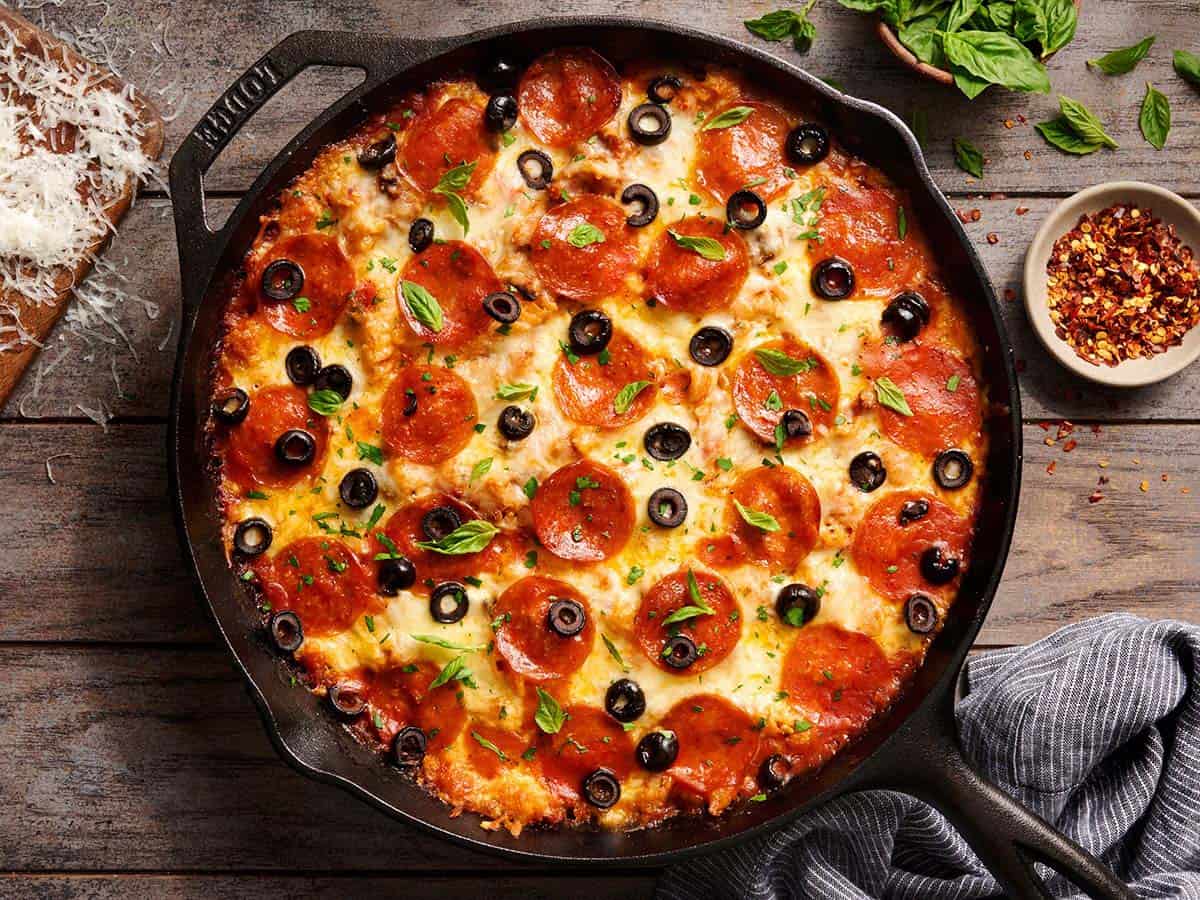
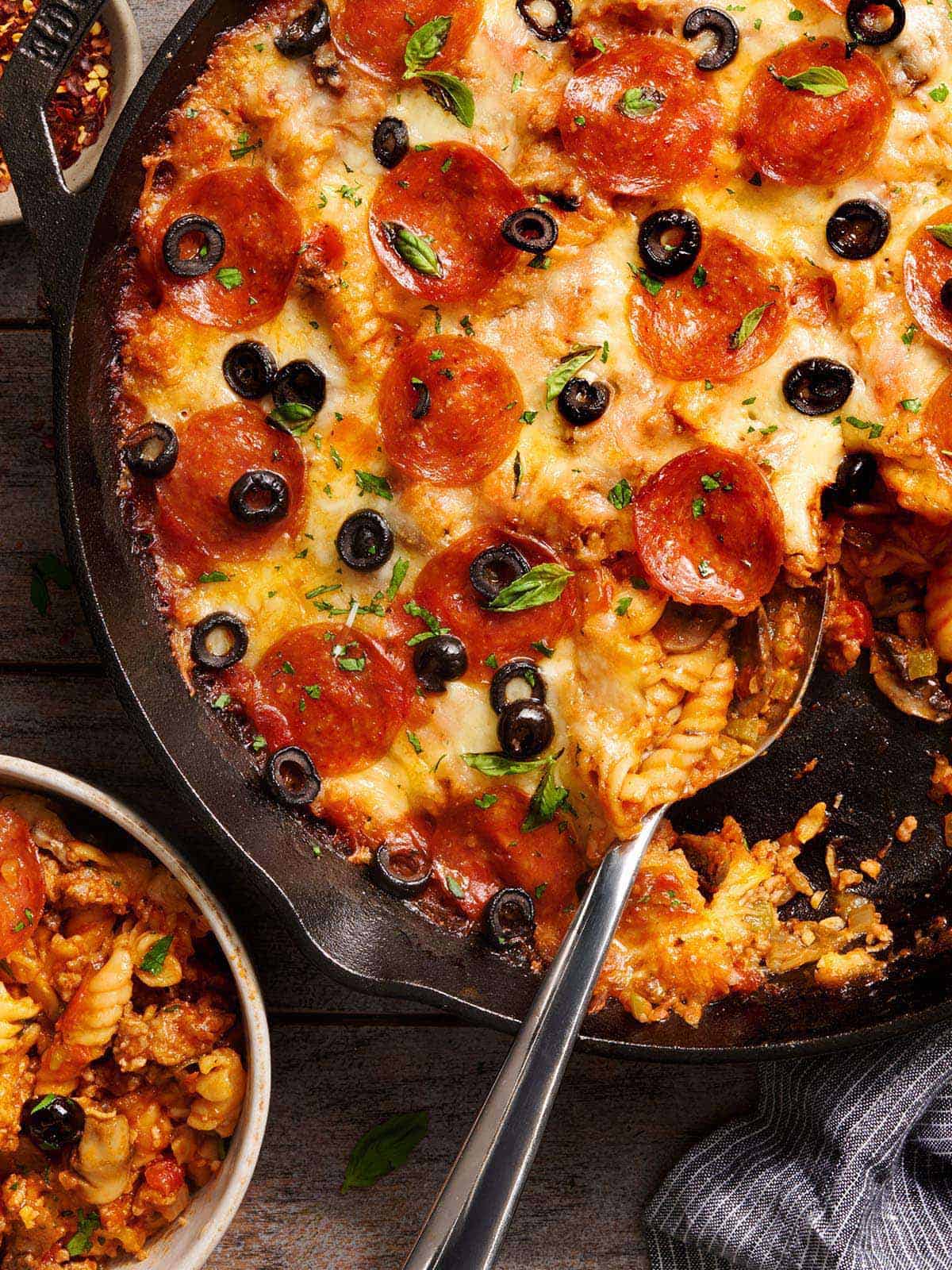
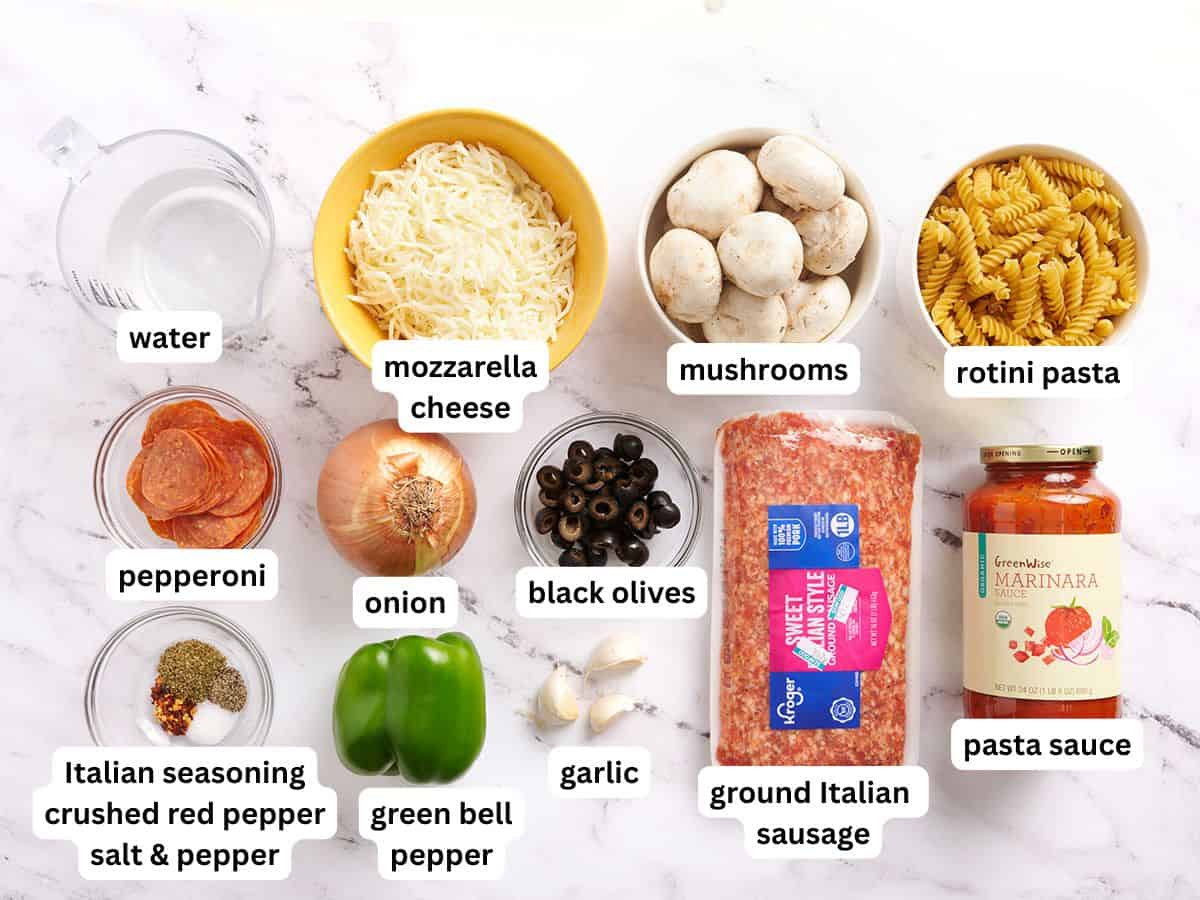
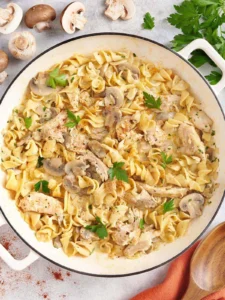
The newly engineered Skillet Pizza Casserole is designed as a hybrid dish, combining the flavor profile of a supreme pizza—specifically incorporating Italian sausage, green bell peppers, mushrooms, pepperoni, and black olives—with the structural format of a baked pasta.
The core innovation of this specific iteration lies in its one-pan methodology. Traditionally, pasta casseroles require three distinct cooking vessels: one pot to boil the pasta, a skillet to brown the meats and sauté the vegetables, and a separate baking dish to assemble and bake the final casserole. The Nashville Test Kitchen’s version consolidates these steps into a single oven-safe skillet.
Crucially, the pasta is cooked directly within the simmering tomato-based sauce. This technique not only eliminates the need to boil a separate pot of water but also retains the starches released by the pasta during cooking. These starches act as natural emulsifiers, thickening the sauce and helping it cling more effectively to the pasta twists.
Chronology: From Nostalgic Heritage to Streamlined Execution
To understand the development and proper execution of the modern skillet casserole, it is necessary to trace both its historical inspiration and its precise, chronological preparation steps.
The Evolution of the Recipe
Historically, the pizza casserole was a staple of mid-century American home cooking—a "humble dish" designed to stretch expensive meat ingredients with affordable pasta and canned tomato products. However, these traditional preparations often suffered from wateriness due to separated pasta water, or they required excessive cleanup that countered their convenience.
The modern refinement of this recipe optimizes the workflow into a linear, time-efficient sequence.
Preheating and Prep (Minutes 0–2): The cooking space is prepared, ingredients are gathered, and the oven is preheated to 375°F (190°C) to ensure it reaches thermal equilibrium by the time the stovetop phase concludes.
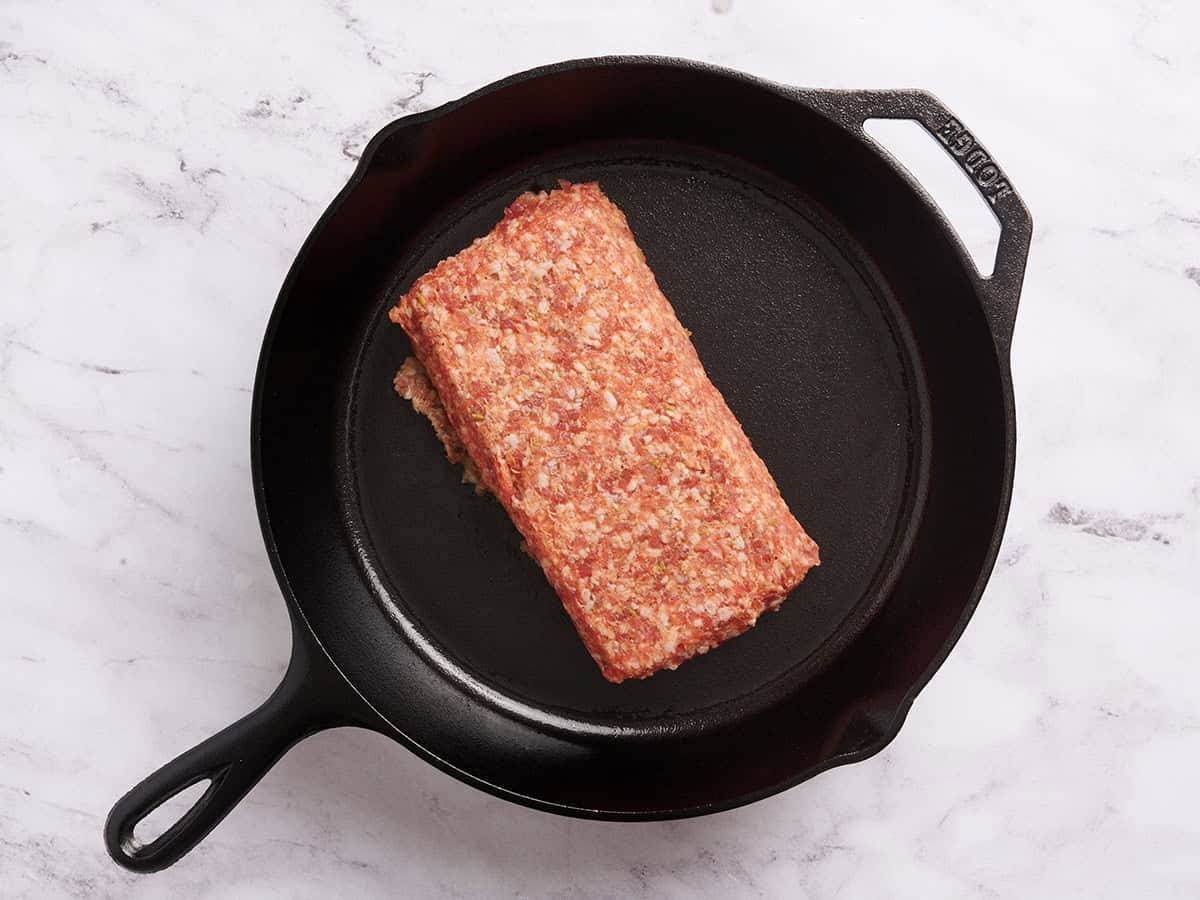
Sausage Browning (Minutes 2–9): A large, deep, oven-safe skillet (such as a cast-iron or heavy-bottomed stainless steel pan) is heated over medium heat. One pound of ground Italian sausage is introduced and broken into small crumbles. The meat is cooked for 5 to 7 minutes until fully browned, establishing a savory fond on the bottom of the skillet.
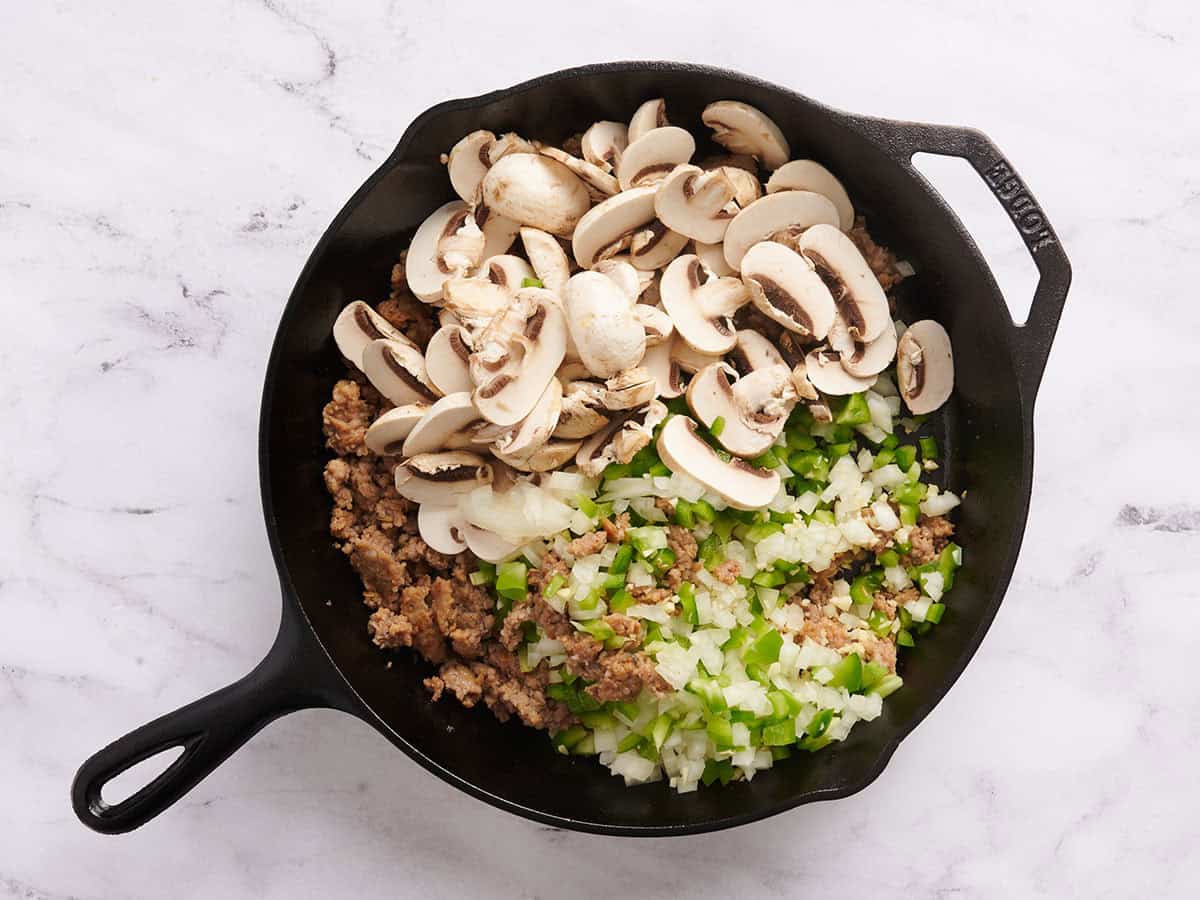
Vegetable Integration (Minutes 9–14): One diced yellow onion, one diced green bell pepper, eight ounces of sliced mushrooms, and three minced garlic cloves are added directly to the rendered fat of the sausage. This mixture is sautéed for 4 to 5 minutes. The process cooks down the moisture in the mushrooms and softens the peppers and onions, while releasing the aromatic compounds of the garlic.
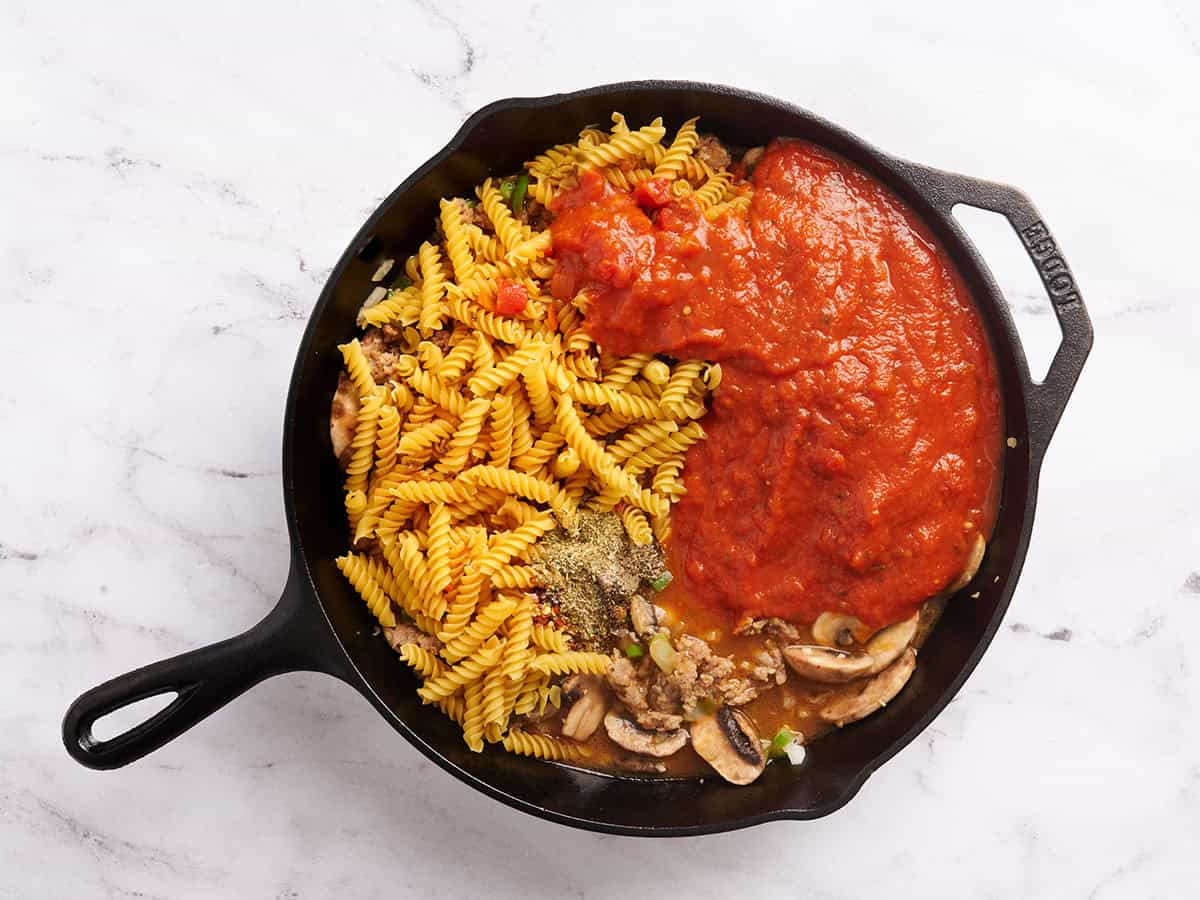
Liquid Integration and Simmering (Minutes 14–25): Eight ounces of dry, uncooked rotini pasta are added to the skillet, alongside 24 ounces of prepared pasta sauce, one cup of water, and a spice blend consisting of Italian seasoning, crushed red pepper flakes, salt, and black pepper. The mixture is stirred thoroughly, ensuring the pasta is completely submerged in the liquid. The skillet is covered tightly with a lid or aluminum foil, the heat is reduced to low, and the mixture is left to simmer for 10 to 12 minutes. Periodic stirring prevents the starch-rich pasta from sticking to the bottom of the pan.
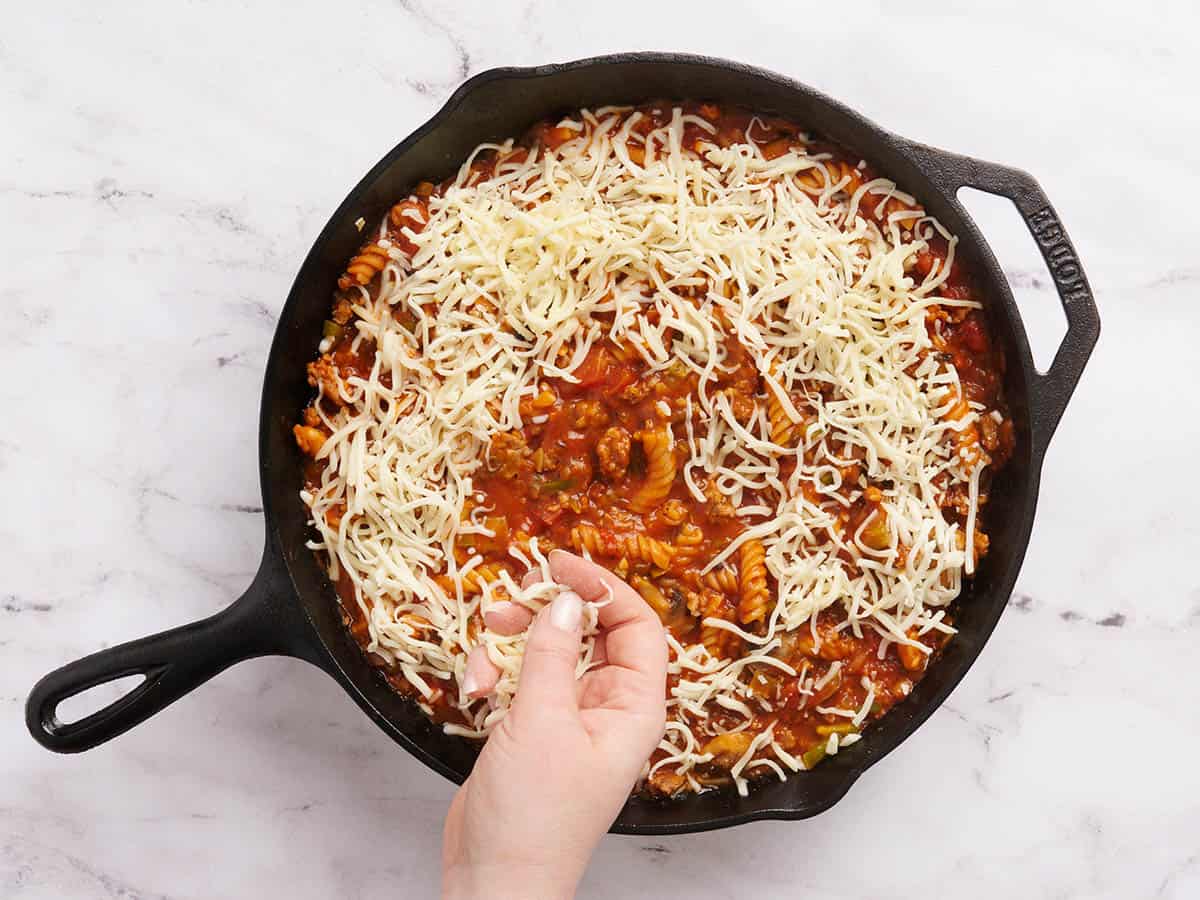
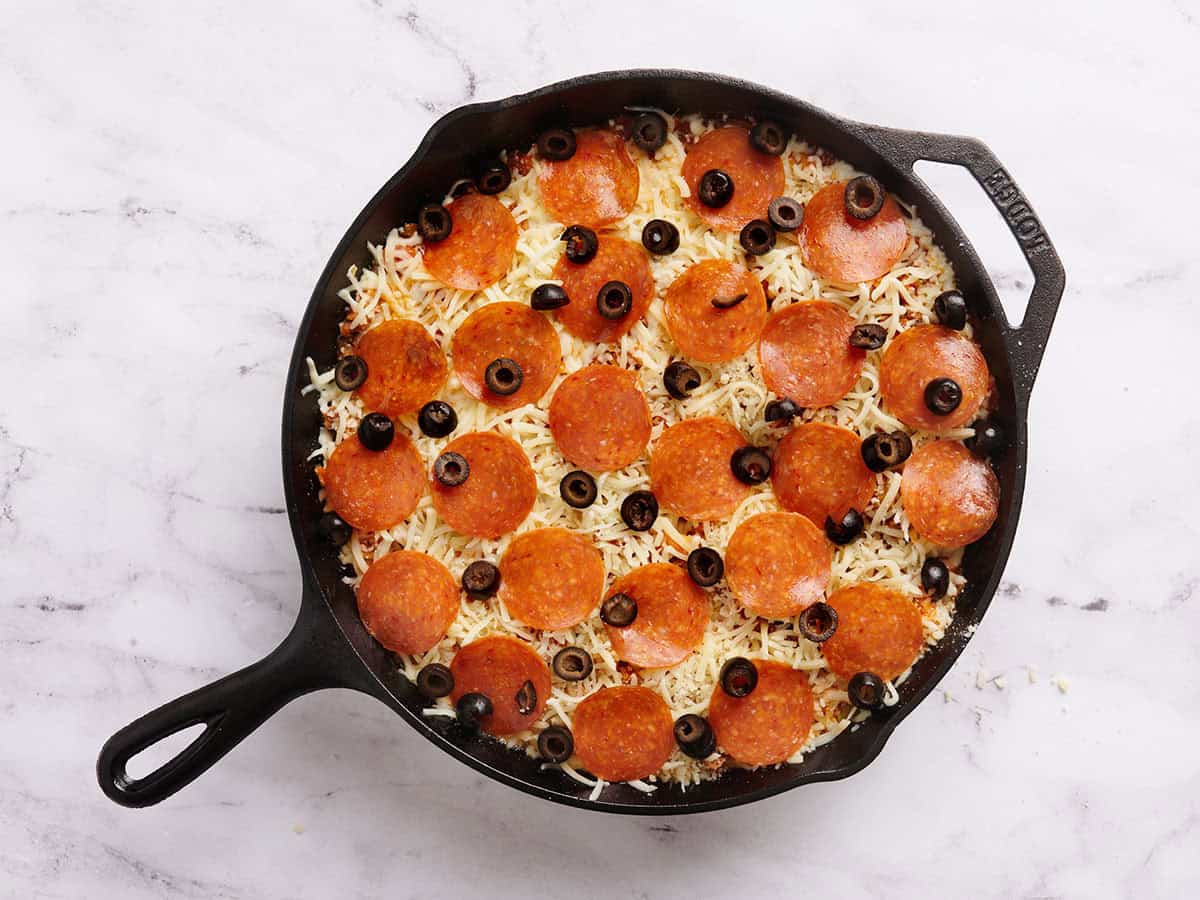
Cheese and Topping Assembly (Minutes 25–27): The lid is removed, and the pasta is verified to be al dente. One and a half cups of shredded mozzarella cheese are distributed evenly over the surface. Approximately 25 slices of pepperoni and a quarter-cup of sliced black olives are arranged on top of the cheese layer.
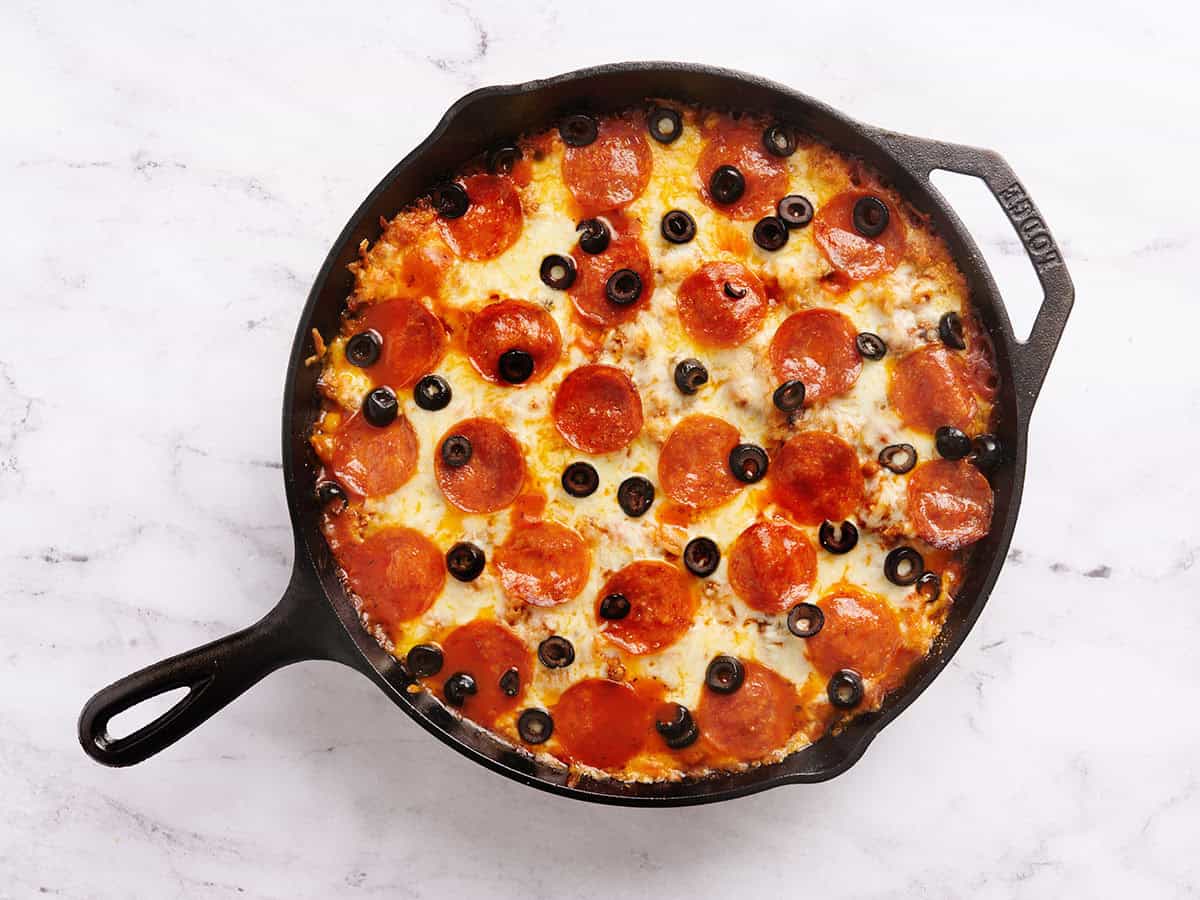
Thermal Finish (Minutes 27–40): The uncovered skillet is transferred directly to the preheated oven. It is baked for 10 to 15 minutes, allowing the mozzarella to melt, bubble, and develop golden brown spots, while the pepperoni edges crisp.
Resting Phase (Minutes 40–45): The skillet is removed from the oven and allowed to rest undisturbed for 5 minutes. This cooling period is critical; it allows the starch-thickened sauce to stabilize and set, preventing the casserole from turning watery when portioned.
Supporting Data: A Quantitative Analysis of Cost, Nutrition, and Kitchen Performance
To validate the feasibility of this recipe for budget-conscious families, the Nashville Test Kitchen collected precise financial and nutritional metrics.
Financial Breakdown
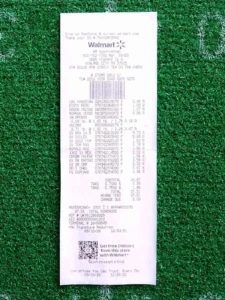
The total cost to produce six servings of the Skillet Pizza Casserole is calculated at $12.31, which translates to $2.05 per individual serving.
This pricing model relies on purchasing standard store-brand ingredients and utilizing pantry staples (such as dried spices and salt). When compared to the average cost of a commercially delivered "Supreme" pizza—which currently ranges from $18.00 to $26.00 before delivery fees and tips—the homemade skillet casserole represents a cost reduction of roughly 35% to 50% for an equivalent number of servings.
+------------------------------------------+
|      ESTIMATED INGREDIENT COST SCALE     |
+------------------------------------------+
| 1 lb. Italian Sausage           $3.99    |
| 1.5 cups Mozzarella Cheese      $2.00    |
| 24 oz. Pasta Sauce              $1.50    |
| 8 oz. Rotini Pasta              $0.75    |
| Fresh Produce & Garlic          $2.25    |
| Pepperoni & Black Olives        $1.50    |
| Pantry Spices & Water           $0.32    |
+------------------------------------------+
| TOTAL RECIPE COST               $12.31   |
+------------------------------------------+
Nutritional Profile
An analysis of the dish’s macronutrient composition reveals a hearty, energy-dense profile designed to serve as a complete, single-dish meal.
Calories: 584 kcal (29% of the recommended daily value based on a 2,000-calorie diet)
Protein: 27g (54% DV), primarily derived from the Italian sausage, cheese, and pepperoni.
Carbohydrates: 40g (13% DV), supplied by the rotini pasta and the natural sugars in the tomato sauce.
Dietary Fiber: 4g (17% DV), contributed by the onions, green peppers, mushrooms, and whole-grain or semolina pasta.
Total Fat: 36g (55% DV), reflecting the inclusion of whole-milk mozzarella, pork sausage, and cured pepperoni.
Sodium: 1591mg (69% DV). Due to the naturally high sodium content of cured meats (pepperoni and Italian sausage) and commercial pasta sauces, culinary testers note that sodium-conscious home cooks can significantly reduce this figure by opting for low-sodium canned tomato bases and reduced-sodium sausage options.
Official Responses and Developer Perspectives
Insights from Recipe Developer Jennie Alley
Jennie Alley, a professional recipe developer with a background in both front-of-house hospitality and professional culinary kitchens, designed the modern adaptation of this classic dish. In an official statement regarding the development process, Alley emphasized the importance of eliminating cooking friction:
"I’ve taken my mom’s classic pizza casserole and made it even easier. It was always a humble dish that helped get our family fed quickly, but it also happened to be one of my absolute favorites. In my version here, the pasta cooks right in the tomato sauce, so there’s no separate pot of water to boil and one less dish waiting for you afterward. As it simmers, the pasta soaks up all that flavor before the skillet heads into the oven for a bubbly, lightly golden cheesy finish."
Alley also addressed the versatility of the dish, noting that the recipe is highly customizable to accommodate whatever ingredients are already available in a consumer’s pantry:
"I love that pretty much any pasta sauce works here. If you’ve got a batch of homemade marinara in your freezer, go ahead and use it! Or just grab whatever jar of pasta sauce is hanging out in your pantry for an easy win. You can also pile on any pizza toppings your family loves."
Technical Guidance on Cookware and Substitutions
During the testing phase in the Nashville Test Kitchen, developers documented several technical recommendations for home cooks:
Cookware Adaptations: If a home cook does not possess a large, oven-safe skillet (such as cast iron), the test kitchen advises cooking the sausage, vegetables, pasta, and sauce in a standard non-stick skillet on the stovetop, then transferring the mixture to a glass or ceramic 9×13-inch baking dish before applying the cheese and toppings. Testers noted that baking times may increase by 3 to 5 minutes in this scenario, as glass and ceramic do not retain heat as efficiently as cast iron.
Starch and Liquid Balancing: The test kitchen emphasized the behavior of different pasta shapes. While rotini is preferred due to its spiral structure catching the sauce, penne or rigatoni can be substituted. However, home cooks must monitor the liquid levels closely, as different shapes absorb water at varying rates. If the pasta remains too firm near the end of the stovetop simmer, a small splash of water (2 to 4 tablespoons) should be added before covering the pan again.
Implications: The Broader Socioeconomic Shift Toward One-Pot Efficiency
The popularity of recipes like the Skillet Pizza Casserole is indicative of broader socioeconomic shifts affecting modern households. As inflation continues to squeeze discretionary income, the threshold for dining out has risen significantly. Consequently, home cooks are demanding recipes that mimic the "fun" and sensory satisfaction of restaurant foods—such as pizza—but at a fraction of the cost.
The Rise of "One-Pot" Domestic Economics
The shift toward one-pot meals is not merely a matter of convenience; it is an exercise in resource conservation.
Utility Savings: By eliminating the secondary boiling of pasta water, households save both water and the energy (gas or electricity) required to bring a large pot of water to a boil.
Time Utility: The reduction of clean-up time from three pans to a single skillet appeals directly to dual-income households where time is a scarce commodity.
Reduction in Food Waste: Casseroles of this nature serve as excellent "fridge-clearing" vehicles. Leftover vegetables, various cheeses, and open packages of deli meats can easily be integrated into the pizza topping layer without disrupting the dish’s chemistry.
Food Preservation and Meal Prep Viability
Another critical implication of this recipe development is its compatibility with modern meal-prepping practices. The Nashville Test Kitchen verified that the Skillet Pizza Casserole can be fully assembled up to 24 hours in advance and stored in the refrigerator prior to the baking step. This allows busy families to execute the active prep work during weekend hours and simply bake the dish on a busy weeknight, requiring only an additional 5 to 10 minutes of oven time to compensate for the chilled starting temperature.
Furthermore, the casserole exhibits high stability under refrigeration, maintaining its structural integrity and flavor profile for 3 to 4 days. While freezing is viable for up to two months, culinary experts caution that the texture of the vegetables and pasta will soften upon thawing—a minor trade-off for the convenience of a ready-made, budget-friendly freezer meal.
Ultimately, as food costs remain volatile, the success of the Skillet Pizza Casserole demonstrates that culinary design is moving away from complex, multi-stage French techniques in favor of streamlined, scientifically sound, one-pan methodologies. By optimizing starch absorption, thermal retention, and ingredient versatility, modern recipe developers are proving that economic dining does not have to come at the expense of flavor, nostalgia, or convenience.