NASDA Appoints Brianna Robinson-Verloop as Senior Director of Public Policy: A Strategic Shift for American Agriculture
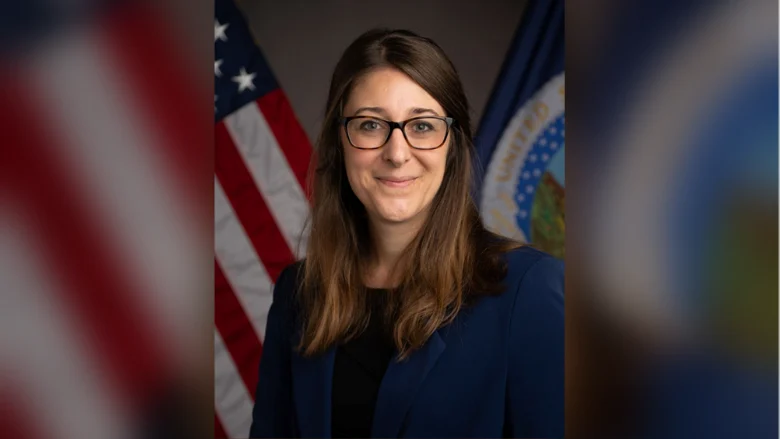
The National Association of State Departments of Agriculture (NASDA) has officially announced the appointment of Brianna Robinson-Verloop, M.S., as its new Senior Director of Public Policy. Set to assume her duties in September, Robinson-Verloop arrives at a critical juncture for American agricultural policy. Her transition from high-level federal service to the leading advocacy organization for state-level agricultural commissioners, secretaries, and directors represents a significant reinforcement of NASDA’s lobbying and regulatory engagement capabilities.
As NASDA navigates an increasingly complex landscape defined by shifting international trade dynamics, food safety regulatory overhauls, and the looming implementation of the next Farm Bill, Robinson-Verloop’s appointment is seen by industry insiders as a calculated move to bridge the gap between federal mandates and state-level execution.
The Appointment: Defining the Role
In her capacity as Senior Director of Public Policy, Robinson-Verloop will be tasked with three primary objectives: advancing the collective policy priorities of NASDA’s diverse membership, directing the association’s robust advocacy efforts on Capitol Hill, and providing strategic leadership to the association’s internal policy team.
Her role is central to the mission of NASDA, which acts as the unified voice for state agricultural departments. Because agriculture is regulated through a patchwork of state and federal authorities, the Senior Director must be adept at navigating the "cooperative federalism" that defines U.S. food and agricultural oversight. Robinson-Verloop will serve as the primary architect for policy stances that ensure state-level concerns—ranging from animal health protocols to soil conservation—are reflected in federal legislative outcomes.
Chronology: A Career Built on Regulatory Excellence
To understand the weight of this appointment, one must look at the trajectory of Robinson-Verloop’s career. Her path to the NASDA leadership team is marked by a consistent focus on the intersection of science, law, and international diplomacy.
Early Foundations
Robinson-Verloop’s academic background established a technical foundation in the life sciences. She earned a Bachelor of Science in Animal Science from California State Polytechnic University, Pomona, providing her with the practical, hands-on understanding of livestock and production agriculture. This was later augmented by a Master of Science in Agriculture from the University of Nebraska–Lincoln, a degree that emphasized the systemic complexities of modern agricultural management.
Federal Service and Legislative Engagement
Her professional life has been defined by over 15 years of deep engagement with the machinery of government:
- The Brookings Institution Fellowship: Robinson-Verloop’s tenure as a Legislative Fellow in the U.S. House of Representatives provided her with an intimate understanding of the legislative process. It allowed her to see how policy is drafted, debated, and ultimately codified, a skill set that is indispensable for her new role at NASDA.
- USDA-FSIS Tenure: Working within the Food Safety and Inspection Service (FSIS), she gained critical insights into the regulatory frameworks that govern the safety of the U.S. meat and poultry supply. This role required navigating the balance between public health mandates and the operational realities of the agricultural industry.
- Foreign Agricultural Service (FAS): Most recently, she served as the director of animal and animal products at the USDA’s Foreign Agricultural Service. In this capacity, she was responsible for facilitating international trade and protecting the U.S. agricultural sector from foreign animal diseases. Her work involved representing the U.S. in international negotiations, a background that will prove vital as NASDA addresses the global nature of modern agricultural supply chains.
Supporting Data: The Landscape of Modern Agricultural Policy
The challenges facing the next Director of Public Policy are data-intensive and multifaceted. According to recent industry reports, the U.S. agricultural sector is currently contending with several key pressure points that Robinson-Verloop will need to address:
- Supply Chain Resiliency: Following the disruptions of the early 2020s, federal and state agencies are under pressure to decentralize processing and strengthen local food systems.
- Trade Volatility: With international trade negotiations becoming increasingly volatile due to geopolitical tensions, the U.S. export market for animal products—a sector Robinson-Verloop knows intimately—remains a top priority for NASDA members.
- Food Safety Modernization: The ongoing implementation of the Food Safety Modernization Act (FSMA) requires constant coordination between state departments and the FDA. NASDA’s advocacy team must ensure that state resources are sufficient to meet these federal standards without overburdening producers.
Robinson-Verloop’s previous work has directly touched upon these areas. Her experience in international negotiations specifically addresses the need for science-based trade standards, which prevents trade barriers from being erected under the guise of food safety.
Official Responses and Strategic Vision
In her preliminary statements regarding the appointment, Robinson-Verloop emphasized that her philosophy is rooted in "practical policy solutions."
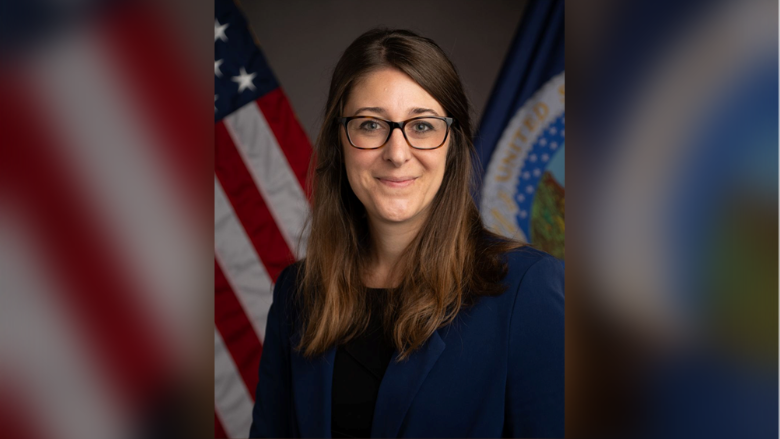
"My experience in federal food safety, trade, and regulatory policy has informed my approach to developing practical policy solutions for agriculture," Robinson-Verloop stated. This sentiment echoes the needs of NASDA members, who often express frustration with "one-size-fits-all" federal regulations that fail to account for the unique regional challenges of states like California, Iowa, or Florida.
NASDA leadership has expressed strong confidence in the hire. By bringing in an individual who has "sat on both sides of the table"—having served within the USDA and worked within the halls of Congress—the association is positioning itself to be more proactive rather than reactive.
Implications for the Industry
The appointment of Robinson-Verloop is likely to have several long-term implications for the agricultural industry:
1. Enhanced Federal-State Synergy
By leveraging her network within the USDA, Robinson-Verloop is expected to streamline communication between state departments and federal agencies. This could lead to faster resolution of cross-border agricultural disputes, such as animal disease outbreaks that require rapid coordination between states and federal agencies.
2. A Shift in Advocacy Tone
The move away from traditional lobbying toward a more science-based, diplomatic approach—consistent with her background in international forums—suggests that NASDA may adopt a more nuanced tone in Washington. Instead of purely adversarial lobbying, the organization may pivot toward evidence-based partnership, utilizing Robinson-Verloop’s deep technical knowledge to "show, not just tell," lawmakers the impact of their policies.
3. Focus on Animal Agriculture
Given her most recent role at the Foreign Agricultural Service, it is highly probable that NASDA will increase its focus on the animal agriculture sector. With emerging issues like Highly Pathogenic Avian Influenza (HPAI) and the ongoing threat of African Swine Fever, having a specialist in animal products at the helm of policy is a timely and strategic decision.
4. Regulatory Harmonization
A recurring issue for producers is the lack of consistency between state-level regulations and federal standards. Robinson-Verloop’s experience within the FSIS, where the granular details of food safety are managed, will be instrumental in helping NASDA push for a more harmonious regulatory environment that reduces the compliance burden on producers while maintaining the highest standards of consumer protection.
Conclusion: A New Era for NASDA
As Brianna Robinson-Verloop prepares to step into her role this September, the agricultural community is watching closely. Her blend of legislative savvy, federal regulatory experience, and international diplomatic skill makes her a formidable addition to the NASDA team.
In an era where the intersection of climate change, food security, and international trade is becoming increasingly fraught, NASDA’s ability to influence policy depends on its ability to command respect through expertise. By appointing a director with such a robust track record in the federal machinery, NASDA has signaled that it is ready to engage with the most complex issues facing the U.S. food supply.
For farmers, ranchers, and state officials across the country, the coming months will be a period of transition. However, with the appointment of Robinson-Verloop, NASDA is well-equipped to ensure that the voice of the states remains a guiding force in the future of American agriculture. Her tenure will likely be defined by the success of her "practical solutions," proving that effective policy is not just about what is proposed, but how it is implemented on the ground in every state.