Navigating the Labyrinth of Hair Loss Treatments: A Critical Look at FDA-Approved Drugs
By Michael Greger M.D. FACLM
August 6, 2026
Last updated: August 6, 2026
The quest for a solution to hair loss is a deeply personal and often frustrating journey for millions worldwide. In an age saturated with an overwhelming array of purported remedies, discerning effective and safe options from costly, unproven supplements can feel like an impossible task. This article delves into the science behind the two U.S. Food and Drug Administration (FDA)-approved pharmaceutical treatments for hair loss—finasteride (marketed as Propecia) and minoxidil (marketed as Rogaine)—examining their mechanisms, efficacy, and, critically, their potential risks and side effects.
The Landscape of Hair Loss Solutions: Main Facts
Androgenetic alopecia, commonly known as male or female pattern baldness, affects a significant portion of the adult population, driven largely by genetic predisposition and hormonal factors. The market is flooded with products promising miraculous regrowth, yet only a select few have undergone rigorous scientific scrutiny to earn regulatory approval. According to medical consensus, only finasteride and minoxidil stand out with robust evidence of efficacy in promoting hair growth or preventing further loss.
Finasteride, an oral medication, works by targeting the hormonal pathways implicated in hair loss, specifically reducing the levels of dihydrotestosterone (DHT). Minoxidil, primarily available as a topical solution or foam, operates through a less understood mechanism, generally believed to stimulate hair follicles directly. While both drugs offer a beacon of hope for individuals experiencing hair thinning, their therapeutic benefits are often accompanied by a spectrum of side effects, ranging from mild irritation to severe, long-lasting systemic complications. The economic aspect also plays a role, with FDA-approved drugs typically costing between $100 and $300 annually, significantly less than the often exorbitant price tags of unproven over-the-counter supplements, which can exceed $1,000 per year. This disparity underscores the importance of informed decision-making based on scientific evidence.
A Historical Perspective: Chronology of Discovery and Application
The development of finasteride and minoxidil as hair loss treatments represents distinct yet fascinating chapters in pharmaceutical innovation, each originating from unexpected observations.
Minoxidil: From Hypertension to Hair Growth (Late 1970s – 1988)
Minoxidil’s journey to becoming a hair loss treatment began serendipitously. Originally developed in the 1970s as an oral medication for severe hypertension, its vasodilatory properties were effective in lowering blood pressure. However, patients taking oral minoxidil frequently reported an unusual side effect: hypertrichosis, or excessive hair growth, often in unexpected places like the face and arms. Researchers quickly recognized the potential of this side effect for treating androgenetic alopecia.
Extensive research and clinical trials followed, focusing on a topical formulation to localize the drug’s effects to the scalp. This led to its eventual approval by the FDA in 1988 as the first topical treatment for male pattern baldness, marketed under the brand name Rogaine. Its approval marked a significant milestone, offering a non-invasive option for individuals grappling with hair loss. The exact mechanism of minoxidil’s action on hair follicles is still not fully elucidated, but it is believed to widen blood vessels, increasing blood flow to hair follicles, and possibly stimulating dormant follicles into the anagen (growth) phase, while also prolonging the anagen phase itself.

Finasteride: Targeting Hormonal Pathways (Early 1990s – 1997)
Finasteride’s story is rooted in the understanding of androgen biochemistry and its role in prostate health. The drug was initially developed in the early 1990s as a treatment for benign prostatic hyperplasia (BPH), a common condition in aging men characterized by an enlarged prostate. Finasteride works by inhibiting the enzyme 5-alpha reductase, which is responsible for converting testosterone into dihydrotestosterone (DHT). DHT is a more potent androgen implicated in the growth of prostate tissue and, crucially, in the miniaturization of hair follicles in androgenetic alopecia.
The observation that finasteride reduced DHT levels and concurrently led to hair regrowth in men being treated for BPH spurred its investigation as a dedicated hair loss treatment. After successful clinical trials demonstrating its efficacy in slowing hair loss and promoting new growth in men with androgenetic alopecia, finasteride received FDA approval in 1997 as an oral treatment, marketed as Propecia. This represented the first oral medication approved specifically for male pattern baldness, offering a systemic approach to managing the condition.
The understanding of how androgens drive hair growth has a darker historical footnote. Studies from half a century ago, involving the unethical castration of individuals under eugenics laws in the United States, inadvertently highlighted the principal role of male hormones like testosterone. These abhorrent practices, where "mentally handicapped people" were involuntarily sterilized "to prohibit contribution to the genepool," revealed that the cessation of androgen production also halted hair loss. While a chilling reminder of a dark chapter in medical history, these studies, however cruelly conducted, underscored the fundamental link between hormones and hair follicle activity, paving the way for targeted drug development like finasteride. The U.S. was indeed the first country to introduce such eugenic laws, which were later upheld by the Supreme Court, a stark historical truth that should never be forgotten.
Delving Deeper: Supporting Data and Mechanisms
The effectiveness of finasteride and minoxidil is backed by clinical data, but a comprehensive understanding requires examining their specific mechanisms of action and the documented prevalence of their side effects.
Finasteride: The DHT Blocker
Finasteride operates by inhibiting the enzyme 5-alpha reductase, which exists in two primary types. Finasteride specifically targets Type 2 5-alpha reductase, an isoform predominantly found in hair follicles, the prostate, and seminal vesicles. By blocking this enzyme, finasteride significantly reduces systemic and local levels of dihydrotestosterone (DHT). DHT is a potent androgen derived from testosterone and plays a critical role in the pathogenesis of androgenetic alopecia. In genetically susceptible individuals, DHT binds to androgen receptors in hair follicles, leading to their miniaturization, shortening of the hair growth cycle, and ultimately, thinner, shorter hairs until the follicle becomes dormant. By reducing DHT, finasteride helps to reverse this process, leading to increased hair count, thickness, and slowing of further hair loss.
- Efficacy: Clinical trials for finasteride 1mg/day have shown that approximately 80-90% of men experience cessation of hair loss, with roughly 60-70% experiencing some degree of regrowth over a period of 1-2 years. These effects are maintained only as long as the drug is taken.
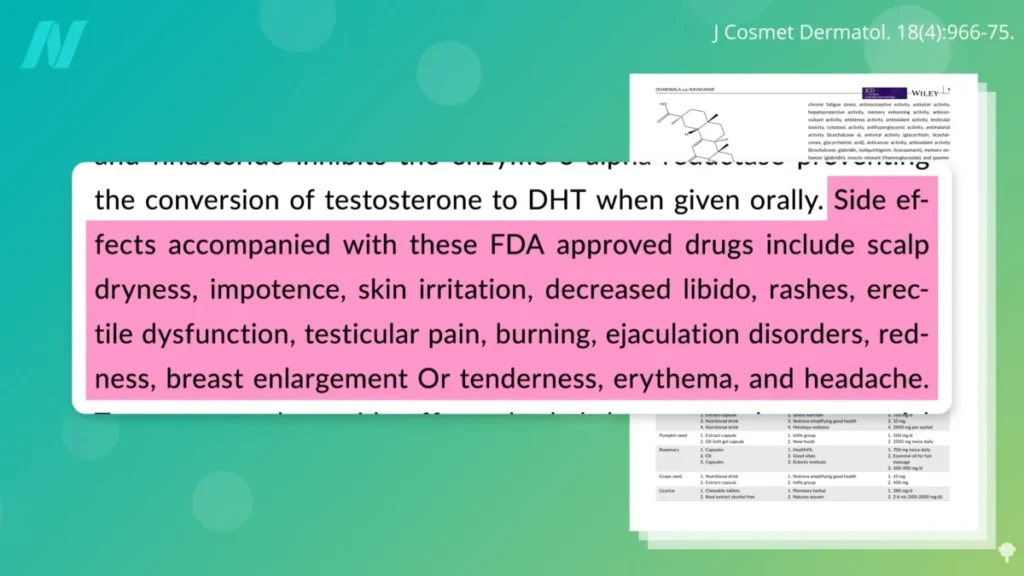
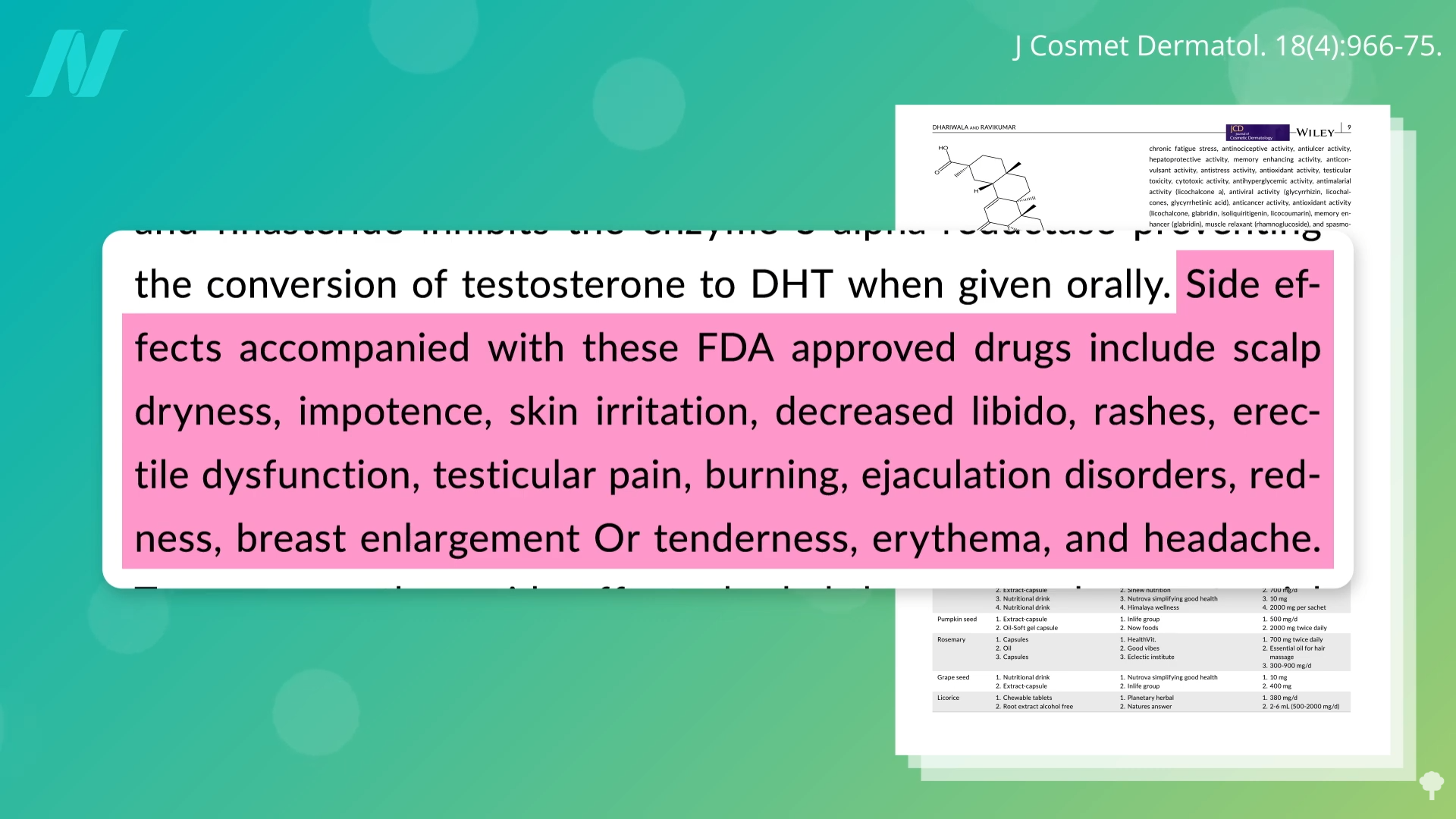
- Side Effects: The hormonal mechanism of finasteride, while effective, is also the source of its most significant side effects. These include:
- Sexual Dysfunction: Diminished libido (sex drive), erectile dysfunction (difficulty achieving or maintaining an erection), ejaculatory disorders (decreased ejaculate volume, abnormal ejaculation), and testicular pain. These can affect a significant minority of users.
- Gynecomastia: Breast enlargement or tenderness.
- Mood Disorders: Depression and anxiety have been reported.
- Post-Finasteride Syndrome (PFS): Perhaps the most concerning aspect, PFS refers to a constellation of persistent side effects that can continue for months, years, or even indefinitely after discontinuing finasteride. Studies have indicated that up to 20% of participants in some cohorts reported "persistent sexual dysfunction" for six or more years after stopping the drug, suggesting the possibility of permanent effects. Beyond sexual issues, PFS symptoms can include severe depression, anxiety, cognitive impairment (e.g., "brain fog"), fatigue, and generalized body pain.
- Neurosteroid Alterations: Research has begun to shed light on the potential biological underpinnings of PFS. While blood levels of hormones may appear normal in individuals with persistent symptoms, analyses of cerebrospinal fluid (CSF) have revealed altered neurosteroid levels. Neurosteroids are steroid hormones synthesized in the brain that play crucial roles in regulating neuronal excitability, mood, cognition, and sexual function. Alterations in these delicate brain chemical balances suggest that finasteride may induce structural or functional changes within the central nervous system, particularly in areas responsible for sexual function and mood regulation. This hypothesis points to a more profound and potentially irreversible impact than previously understood. Given that finasteride is used for a cosmetic purpose, the potential for such serious long-term risks warrants extreme caution and thorough patient education.
Minoxidil: The Follicle Stimulator
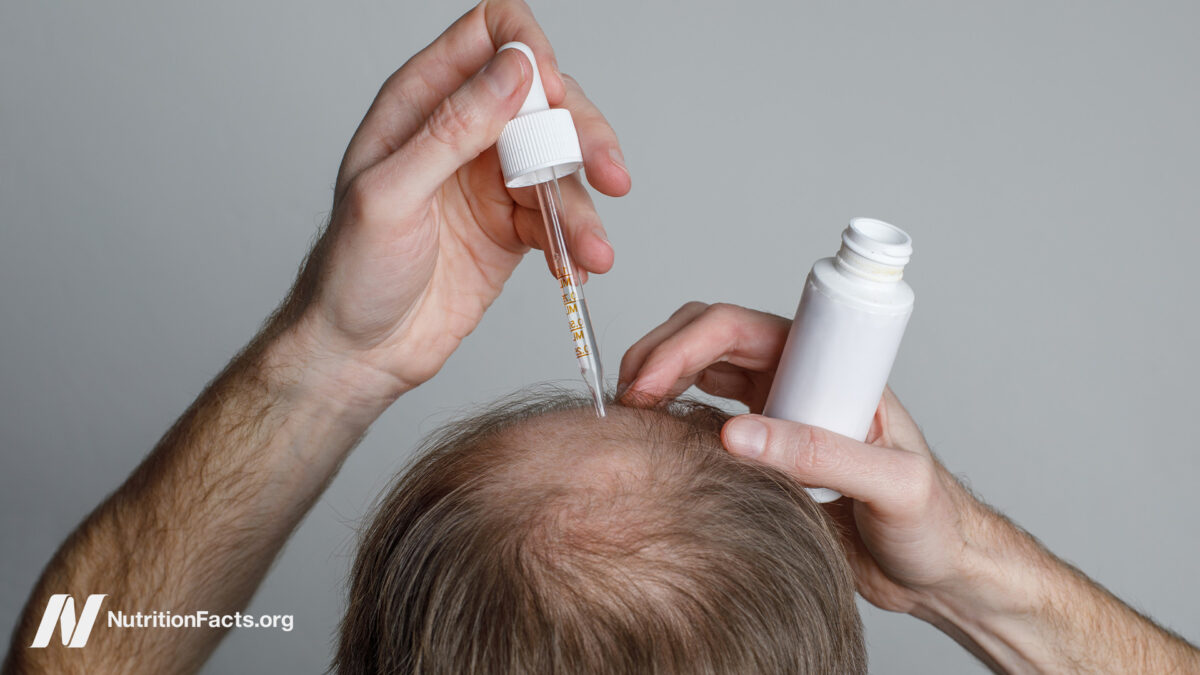
Minoxidil, whether applied topically or taken orally (off-label for hair loss), primarily acts as a vasodilator. When applied to the scalp, it is believed to increase blood flow to the hair follicles, delivering more oxygen, nutrients, and growth factors. This improved microcirculation may help to revitalize miniaturized follicles. Additionally, minoxidil is thought to prolong the anagen (growth) phase of the hair cycle and shorten the telogen (resting) phase, leading to longer, thicker hair. It may also directly stimulate hair follicle cells and increase the production of prostaglandin E2, a signaling molecule involved in hair growth.
- Efficacy: Topical minoxidil typically slows hair loss in about 60% of users and promotes moderate regrowth in about 30-40% of users, with results often noticeable after 4-6 months of consistent use. Like finasteride, benefits cease upon discontinuation.
- Side Effects: Minoxidil’s side effects are generally localized and less severe than those of finasteride, especially with topical application.
- Dermatological Reactions: The most common side effect is local irritation, including itching, dryness, flaking, or redness on the scalp. This is often attributed to the alcohol or propylene glycol vehicle in some formulations.
- Hypertrichosis: Unwanted hair growth on other parts of the body (e.g., face) can occur, particularly with systemic absorption or if the product is not applied carefully.
- Cardiac Effects: While rare with topical use, oral minoxidil can cause more systemic effects due to its vasodilatory action, such as low blood pressure, dizziness, and fluid retention. These are generally not observed with standard topical doses.
Addressing the Concerns: Official Responses and Regulatory Actions
The growing recognition of finasteride’s persistent side effects has prompted significant responses from regulatory bodies and the medical community, though ongoing debates persist.
FDA and International Regulatory Warnings:
Following increasing reports of persistent sexual dysfunction and other adverse events, the FDA updated the label for Propecia in 2012 to include a warning about "difficulty in achieving an erection that continues after stopping the medication." Similar warnings have been issued by other international regulatory agencies, such as the European Medicines Agency (EMA) and Health Canada, which have also recognized the potential for persistent sexual, psychiatric, and cognitive adverse effects. These updates reflect a cautious acknowledgment of the growing body of evidence and patient reports concerning Post-Finasteride Syndrome.
Medical Community and Drug Manufacturers:
The medical community’s response to PFS has been varied. While some dermatologists and endocrinologists remain skeptical, attributing symptoms to psychological factors or other underlying conditions, a growing number of physicians and researchers are recognizing PFS as a distinct and serious condition. Specialized clinics and research foundations have emerged to study PFS and support affected individuals.
Drug manufacturers, including Merck, the maker of Propecia, have largely complied with regulatory requirements by updating product labels. However, they maintain that the drug is safe and effective when used as directed, emphasizing that the reported incidence of persistent side effects in clinical trials was low. The discrepancy between clinical trial data and real-world patient reports (which often capture a broader range of severities and longer follow-up) highlights the challenges in fully characterizing adverse drug reactions. The "PFS Foundation" and similar organizations continue to advocate for greater awareness, more research, and improved patient education regarding these risks.
Looking Ahead: Implications for Patients and Future Directions
The data surrounding finasteride and minoxidil presents a complex picture, one that necessitates careful consideration and a thorough risk-benefit analysis for anyone contemplating these treatments.
Informed Patient Decision-Making:
Given the potential for serious, long-term side effects, especially with finasteride, it is paramount that prescribers engage in comprehensive discussions with potential users. Patients must be fully aware of the risks, including the possibility of persistent sexual dysfunction, mood changes, and cognitive issues, before committing to a medication used primarily for cosmetic purposes. The decision to use these drugs should be highly individualized, weighing the psychological impact of hair loss against the tangible and potentially irreversible health risks. For many, the desire to restore hair can be so strong that they may underestimate or overlook these warnings. Therefore, clear, unambiguous, and empathetic communication from healthcare providers is essential.
The Urgent Need for Alternatives:
As highlighted by the limitations and side effects of current drug options, "there is a need for alternative treatments" that are both effective and safer. The current landscape of hair loss interventions remains largely unchanged in terms of routinely used treatments for male or female pattern baldness, leaving a significant unmet medical need. This drives an increasing interest in non-pharmacological approaches.
Exploring Nutritional and Lifestyle Interventions:
The question then naturally arises: "So, what about food? Could what we eat help combat hair loss?" This avenue of inquiry, central to the work of Dr. Michael Greger, represents a promising frontier. While dietary changes alone may not reverse advanced hair loss, emerging research suggests that specific nutrients, plant-based compounds, and a healthy lifestyle could play a supportive role in maintaining hair health, reducing inflammation, and optimizing hormonal balance. This focus on dietary and lifestyle factors offers a compelling direction for future research and patient guidance, potentially providing safer, more holistic strategies for managing hair loss.
Future Research and Emerging Therapies:
Beyond nutrition, the field of hair restoration science is actively exploring various innovative approaches. These include:
- Stem Cell Therapies: Utilizing a patient’s own stem cells to stimulate dormant hair follicles.
- Gene Therapies: Targeting specific genes involved in hair growth and loss.
- Platelet-Rich Plasma (PRP): Injecting concentrated platelets from a patient’s blood into the scalp to promote healing and growth.
- Newer Topical Agents: Developing novel compounds with different mechanisms of action and potentially fewer side effects.
- Low-Level Laser Therapy (LLLT): Using red light to stimulate hair follicles.
While these emerging treatments offer hope, most are still in experimental stages or lack the extensive, long-term data of FDA-approved drugs. They often come with high costs and variable efficacy.
In conclusion, while finasteride and minoxidil offer the most scientifically validated pharmaceutical options for hair loss today, their use demands careful consideration of their efficacy, mechanisms, and, most importantly, their side effect profiles. The persistent and potentially irreversible adverse effects associated with finasteride, in particular, underscore the urgent need for safer, more tolerable, and perhaps more holistic approaches to managing a condition that, while often cosmetic, profoundly impacts quality of life and self-esteem. As research continues, the hope remains for a future where effective hair loss solutions are not only widely accessible but also unequivocally safe.
Doctor’s Note:
This article is the second in a three-part series exploring hair loss and growth. If you missed it, please see Do Hair Growth Supplements Work? for an initial look at the vast market of unproven remedies.
For those experiencing sexual dysfunction due to other medications, such as antidepressants like Prozac, there may be dietary interventions that can offer relief. Explore Best Food for Antidepressant-Induced Sexual Dysfunction for more information.