The Modern Meal Prep Revolution: Mastering the 30-Minute “Taco Mac”
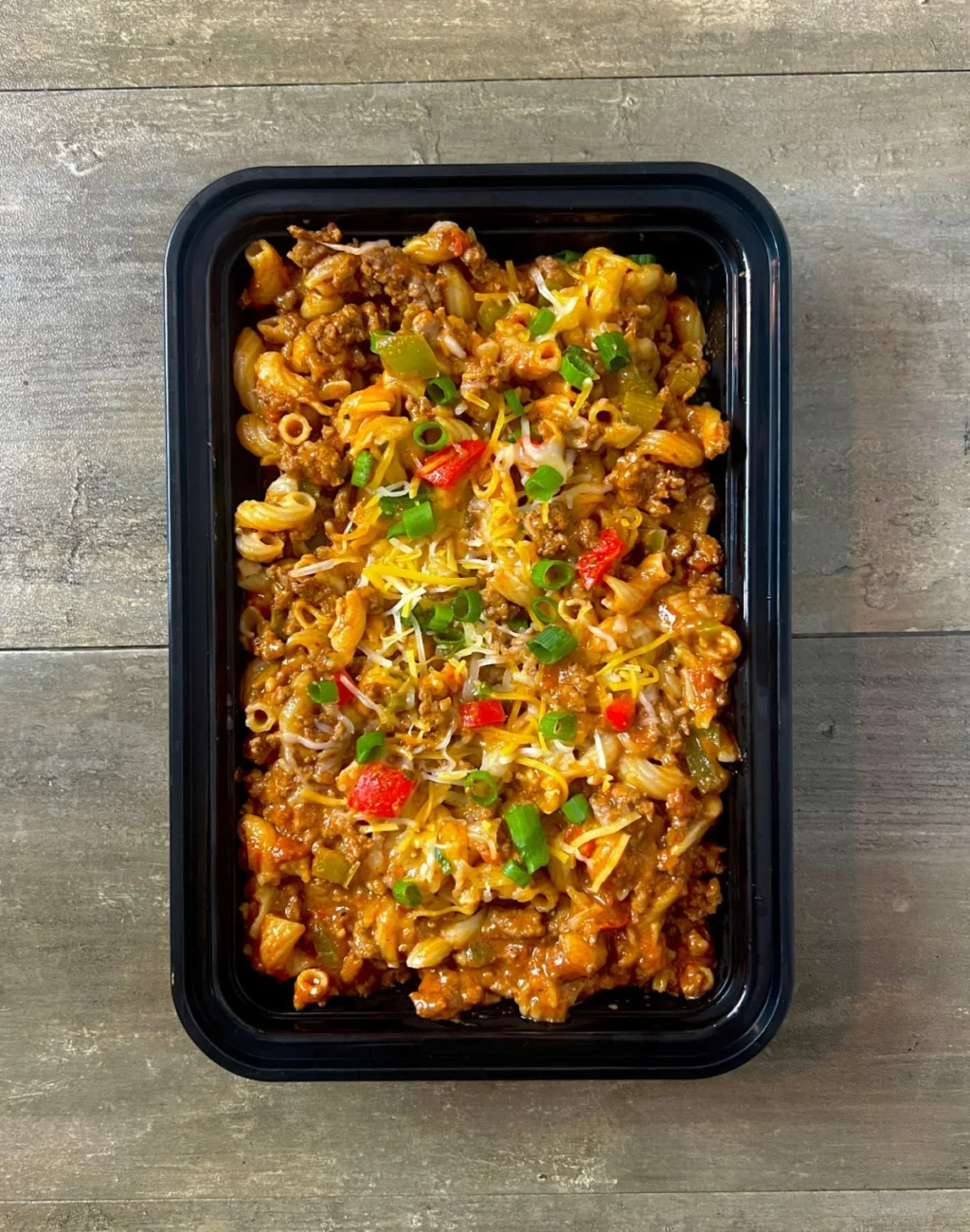
In the fast-paced landscape of the modern workforce, the demand for nutritional efficiency has reached an all-time high. Professionals and fitness enthusiasts alike are constantly seeking methods to bridge the gap between high-performance nutrition and limited kitchen time. Enter the "Taco Mac"—a sophisticated, one-pot culinary solution that has recently gained significant traction in the meal-prep community for its ability to condense a week’s worth of lunches into a mere 30-minute cooking window.
By blending the nostalgic comfort of stovetop macaroni and cheese with the bold, savory profile of lean beef tacos, this recipe represents more than just a quick meal; it is a masterclass in culinary logistics.
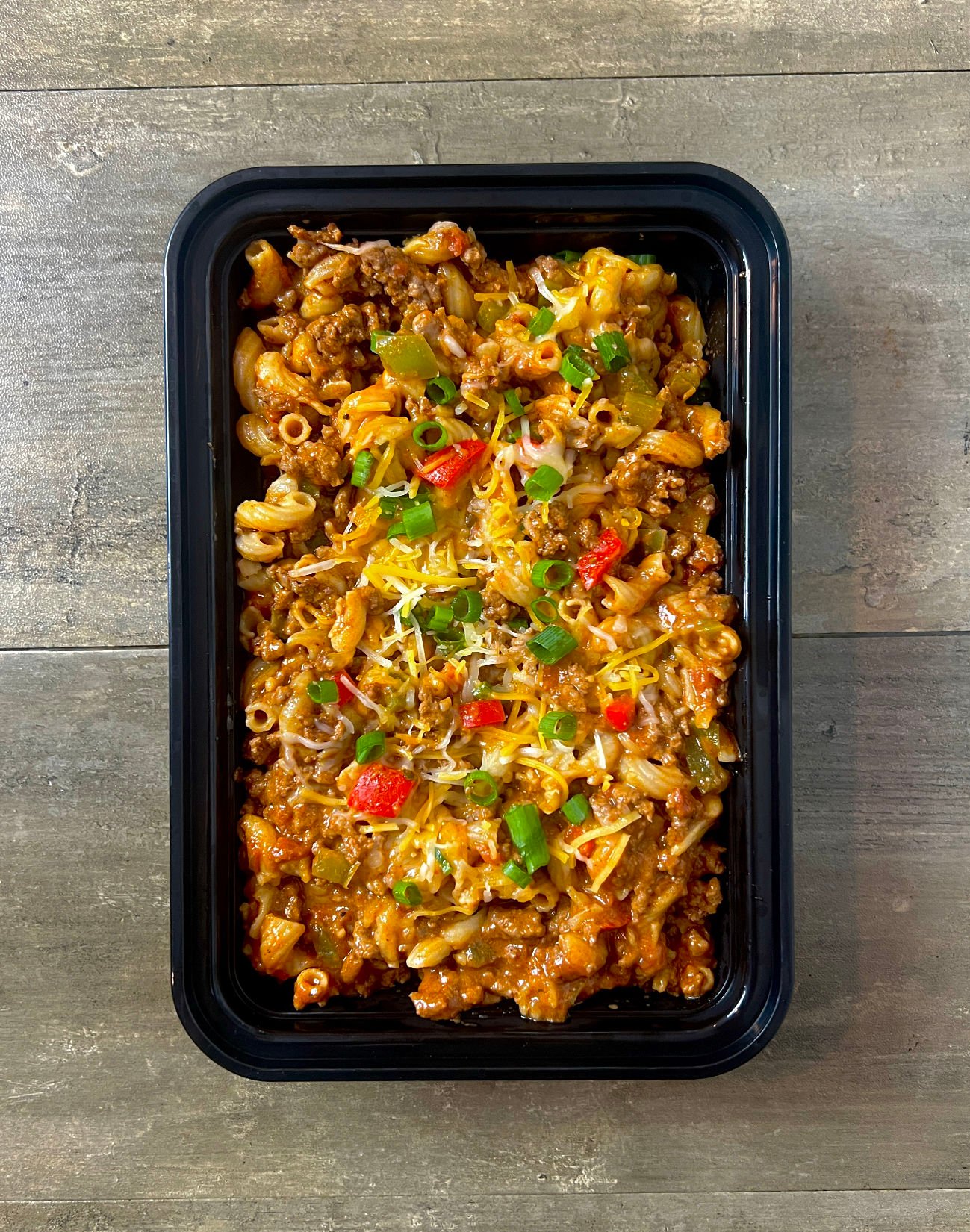
Main Facts: The Anatomy of a High-Protein Staple
At its core, the Taco Mac is engineered for the time-constrained individual who refuses to sacrifice macronutrient balance. Designed to yield five distinct servings, the dish is built upon a foundation of lean beef, fibrous peppers, high-quality pasta, and a cheese-forward flavor profile.
The beauty of the dish lies in its "one-pot" methodology. By minimizing the use of multiple pans and complex culinary techniques, the recipe reduces the friction often associated with home cooking. From a logistical standpoint, it transforms the chore of weekly food preparation into a streamlined industrial process.
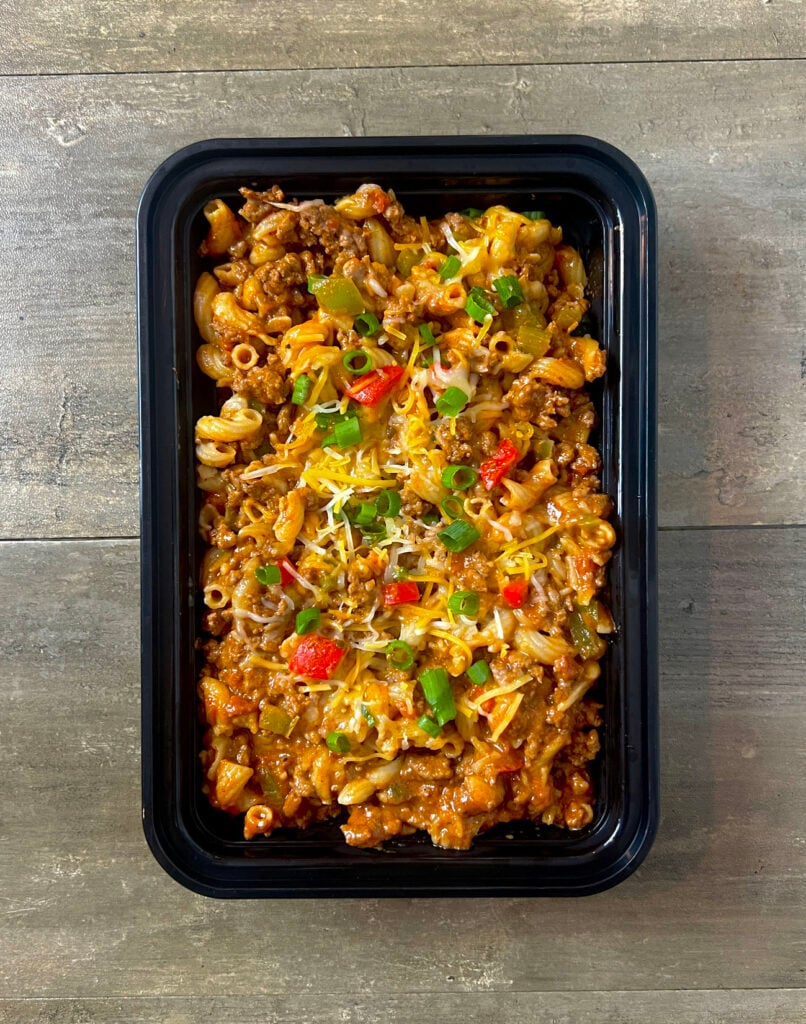
Nutritional Snapshot (Per Serving):
- Calories: 674 kcal
- Protein: 54g
- Carbohydrates: 61g
- Fat: 24g
- Fiber: 7g
These figures suggest a meal profile that is highly optimized for muscle protein synthesis and sustained energy levels, making it a favorite among those following strict fitness or dietary protocols.

Chronology: From Prep to Plating
To understand why this recipe has become a staple for meal-preppers, one must look at the efficiency of its execution. The entire process is broken down into a strict, 35-minute timeline.
Phase 1: Preparation (0–10 Minutes)
Efficiency begins before the stove is turned on. The initial 10-minute phase involves the mise en place: prepping the lean beef, chopping the peppers, and measuring out the dry pasta and seasonings. By organizing ingredients beforehand, the cook eliminates downtime during the heat-intensive phase of the process.

Phase 2: Execution (10–35 Minutes)
The cooking process is a symphony of thermal management. The beef is browned to lock in moisture and flavor, followed by the addition of aromatic peppers. As the pasta is introduced to the liquid base, the starch released by the noodles contributes to a natural emulsification, creating a creamy texture without the need for excessive additives. The final minutes are dedicated to incorporating the cheese, ensuring a uniform melt that coats every strand of pasta.
Phase 3: Packaging and Storage
The final stage of the chronology involves portioning the output into five containers. This is where the "meal prep" aspect truly shines, as the dish is specifically designed to maintain its structural integrity and flavor profile throughout a standard five-day work week.

Supporting Data: Why Macronutrient Density Matters
In the world of sports nutrition and general wellness, the "61g C | 54g P | 24g F" ratio serves a specific physiological purpose. The high protein count (54g) is substantial enough to trigger muscle protein synthesis, particularly for individuals engaged in resistance training.
The inclusion of 7g of dietary fiber—primarily derived from the peppers and the choice of carbohydrates—is crucial for glycemic control. By slowing the rate of gastric emptying, the fiber ensures that the energy from the carbohydrates is released steadily into the bloodstream, preventing the "afternoon slump" that often follows a heavy, processed lunch.

Furthermore, the caloric density of 674 kcal makes this an ideal "anchor" meal. For the average adult, this provides enough fuel to power through high-intensity physical activity or a demanding afternoon of cognitive work, without the need for constant snacking.
Official Perspectives: The Philosophy of Meal Prep
While individual chefs may debate the merits of specific spice blends, the consensus among professional nutritionists and meal-prep experts is clear: the most successful diet is the one that is sustainable.

The Taco Mac is often cited by culinary experts as a prime example of "functional cooking." The objective is not necessarily to achieve a Michelin-star aesthetic, but to create a reliable, repeatable, and nutrient-dense system. By reducing the number of variables in the kitchen, the cook reduces the likelihood of resorting to ultra-processed convenience foods.
The integration of the "one-pot" method is also a strategic choice. In modern residential kitchens, cleanup is often cited as the primary deterrent to consistent home cooking. By limiting the cleanup to a single pot, the psychological barrier to cooking is significantly lowered, encouraging users to maintain their meal-prep habits long-term.

Implications for the Future of Home Dining
The rise of recipes like the Taco Mac signals a broader cultural shift. As the lines between home, office, and gym continue to blur, the way we view our kitchen shifts from a place of leisure to a place of production.
The Rise of the Prosumer Cook
We are seeing the emergence of the "prosumer" cook—an individual who approaches their kitchen with the mindset of a project manager. These individuals prioritize data (calories and macros) and efficiency (time-to-cook) over traditional, time-consuming culinary techniques.

Sustainability and Waste Reduction
Beyond the health benefits, the Taco Mac serves as an efficient vehicle for reducing food waste. By utilizing a specific amount of ingredients designed for exactly five portions, the recipe minimizes leftover raw materials that might otherwise spoil in the refrigerator. This precision in consumption is a quiet but effective way to minimize the environmental footprint of the average household.
The Role of Technology
The inclusion of digital resources—such as video tutorials and print-ready recipe cards—highlights how technology is augmenting the culinary experience. The ability to watch a visual guide to ensure proper pasta hydration or sauce consistency allows novice cooks to achieve professional results with minimal error.

Conclusion
The Taco Mac is, at its surface, a simple combination of beef, pasta, and cheese. However, when viewed through the lens of modern lifestyle demands, it represents a highly sophisticated tool for success. By optimizing for time, nutrition, and convenience, it provides a blueprint for how we can navigate the complexities of modern living without sacrificing the quality of our fuel.
As we continue to seek balance in an increasingly demanding world, the ability to execute a 30-minute, high-protein, one-pot meal is not just a cooking skill; it is a vital strategy for maintaining long-term physical and mental performance. Whether you are a competitive athlete or a busy professional, the lesson of the Taco Mac remains the same: with the right system, high-quality nutrition is always within reach.