Redefining Protein: A Public Health Imperative for the Modern Age
A groundbreaking movement within nutritional science is challenging long-held beliefs about what constitutes "quality protein," arguing that the prevailing definition is dangerously outdated and may be contributing to the global burden of chronic disease. Leading researchers contend that it’s time to shift focus from mere biochemical composition to the overall impact of protein sources on human health and longevity, particularly in industrialized nations where protein deficiency is rare, but chronic illnesses are rampant.
For decades, the concept of "protein quality" has largely been dictated by metrics rooted in biochemistry – specifically, a food’s amino acid profile and its digestibility. This traditional framework often elevates animal-derived proteins (meat, eggs, dairy) as superior due to their "complete" amino acid profiles and high digestibility. However, a growing body of evidence suggests this narrow view overlooks the broader physiological effects of these proteins, potentially steering public health in the wrong direction.
Main Facts: Challenging Conventional Wisdom on Protein Quality
The core of this scientific re-evaluation stems from a critical observation: while the conventional definition of protein quality served a vital purpose in combating acute protein malnutrition in developing regions, it has become a liability in affluent societies. In these industrialized nations, the public health crisis is not kwashiorkor, but rather the escalating prevalence of chronic diseases such as heart disease, type 2 diabetes, and certain cancers.
In 2019, a pivotal paper titled "A Public Health Case for Modernizing the Definition of Protein Quality" was published by a team of esteemed researchers, including Dr. David Katz and the late Dr. David Jenkins – a pioneer in nutrition research known for his work on the glycemic index. Their argument was unequivocal: the prevailing definition of protein quality, by favoring animal protein, inadvertently promotes the consumption of foods that are increasingly linked to adverse health outcomes. This creates a stark contradiction with modern dietary guidelines, which increasingly advocate for plant-rich diets to combat chronic disease.
The pervasive belief that "protein is good, and more is better," coupled with a definition that champions animal sources, cultivates an impression that a diet rich in meat, eggs, and dairy is desirable and even preferable. Yet, robust scientific data now demonstrate that replacing animal protein with plant-based alternatives is associated with a significantly lower risk of premature death and improved metabolic health. This disconnect between scientific evidence and the traditional definition of protein quality highlights an urgent need for reform to align nutritional guidance with contemporary public health priorities.
Chronology: A Shifting Scientific Landscape
The journey to redefine protein quality is not a sudden revelation but rather the culmination of decades of research, with key studies progressively revealing the limitations of the traditional model.
The Genesis of a Flawed Definition
Historically, protein quality assessment methods like the Protein Digestibility Corrected Amino Acid Score (PDCAAS) and, more recently, the Digestible Indispensable Amino Acid Score (DIAAS), were developed to measure how well a protein source meets human amino acid requirements for growth and maintenance. These metrics primarily focus on the presence and proportion of essential amino acids and their digestibility. Animal proteins, by their nature, closely mimic the amino acid profile required by humans, often earning them "perfect" scores under these systems. This biochemical focus was critical in an era when protein deficiency was a primary nutritional concern, particularly in vulnerable populations. The goal was simply to ensure adequate intake of essential building blocks. However, these systems largely ignore the broader dietary matrix and the long-term physiological impact of the food source itself, leading to a simplified and potentially misleading "good vs. bad" protein dichotomy.
The 2016 Harvard Landmark Study: A Pivotal Shift
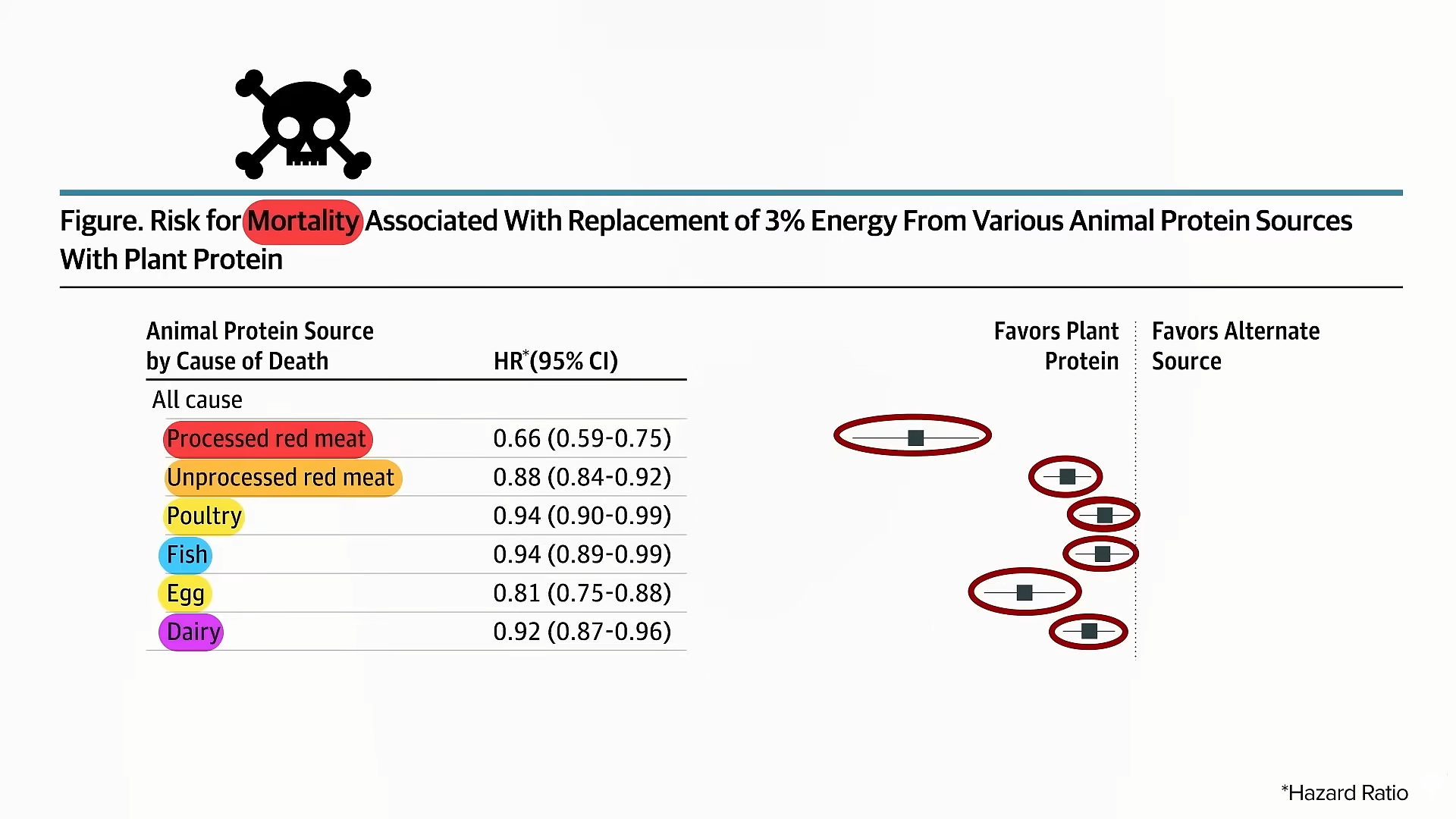
A major turning point came in 2016 with the publication of a landmark study in the Journal of the American Medical Association (JAMA) Internal Medicine. Conducted by researchers at Harvard University, this prospective cohort study involved an impressive cohort of over 100,000 participants. The findings were stark and highly influential: replacing animal protein with plant protein was associated with a significantly lower risk of dying prematurely.
The study meticulously analyzed various sources of protein, identifying processed meats (like bacon) and egg protein (specifically egg whites) as particularly concerning, showing the strongest associations with increased mortality risk. Crucially, the researchers demonstrated that even a modest substitution—swapping just 3% of calories from any animal protein source (including processed meat, unprocessed meat, chicken, fish, eggs, or dairy) for plant protein—was linked to a significantly lower risk of overall mortality. This powerful revelation began to dismantle the notion that all protein is created equal when it comes to long-term health outcomes.
The 2019 Public Health Case: A Formal Call for Modernization
Building upon the accumulating evidence, Dr. David Katz, Dr. David Jenkins, and their colleagues formally articulated "A Public Health Case for Modernizing the Definition of Protein Quality" in 2019. Their paper underscored the critical distinction between preventing acute protein deficiency (the historical focus) and promoting optimal health and preventing chronic disease (the modern imperative). They argued that a "high-quality" protein definition in the 21st century must extend beyond amino acid profiles to encompass the totality of evidence regarding health effects.
The authors highlighted that in industrialized nations, the most formidable public health threats stem from chronic, diet-related diseases, not from severe protein-calorie malnutrition like kwashiorkor. Therefore, a definition of protein quality that encourages the consumption of foods linked to these chronic diseases, even if they score high on amino acid completeness, is fundamentally flawed from a public health perspective. Their call was for a definition that aligns with global nutrition guidelines that increasingly emphasize plant-based eating patterns for health and sustainability.
Reinforcement from the NIH-AARP Study: Evidence at Scale
The Harvard findings were further corroborated and amplified by an even larger investigation: the U.S. National Institutes of Health–AARP Diet and Health Study. As the largest diet cohort study in history, it encompassed over 400,000 participants, providing an unparalleled scale of data. The results mirrored and strengthened the earlier Harvard conclusions: simply replacing 3% of calories from animal protein with plant protein was associated with a 10% lower overall mortality. The study further revealed that removing eggs from the diet entirely yielded twice that benefit, reinforcing concerns about egg consumption and its link to cardiovascular disease, a connection that other research has also established. This massive dataset provided robust statistical power, making the associations between protein source and mortality exceedingly difficult to ignore.

Recent Meta-Analyses: The Overarching Consensus
When all available studies on dietary protein intake and mortality are synthesized through meta-analyses, a clear pattern emerges. While total protein intake can be associated with shorter lives, this association is overwhelmingly "driven by a harmful association of animal protein." Conversely, plant protein intake is inversely associated with mortality, meaning individuals who consume more plant protein tend to live longer lives. This comprehensive view from aggregated research paints a consistent picture: the source of protein is a far more critical determinant of health outcomes than the total amount of protein consumed. More animal protein appears to correlate with increased mortality, while more plant protein is associated with reduced mortality, advocating for a fundamental shift in dietary recommendations.
Supporting Data: Unpacking the Mechanisms
The consistent findings across large-scale epidemiological studies beg the question: how does our body differentiate between protein from a plant and protein from an animal? Is protein not just protein? The answer, increasingly, is a resounding no. The mechanisms appear to be multi-faceted, extending beyond simple amino acid composition.
Beyond Saturated Fat: More Than Just the Fat Content
Initially, one might assume that the negative health effects attributed to animal protein sources are primarily due to their higher saturated fat content. However, the Harvard researchers, and many subsequent studies, meticulously "adjusted" for factors such as saturated fat intake. This statistical adjustment meant that even after accounting for the influence of saturated fat, the association between animal protein and increased mortality persisted. This suggests that other components or characteristics inherent to animal proteins, or absent in plant proteins, are at play.
The Branched-Chain Amino Acid (BCAA) Hypothesis
One prominent theory centers on branched-chain amino acids (BCAAs), which include leucine, isoleucine, and valine. These essential amino acids are crucial for muscle protein synthesis and are often touted by the fitness industry. Animal proteins are generally rich in BCAAs, while many plant proteins tend to be lower.
Emerging research indicates that while BCAAs are essential, excessive intake, particularly from animal sources, may have detrimental effects on metabolic health. High levels of BCAAs have been linked to insulin resistance and an increased risk of type 2 diabetes. The proposed mechanism involves BCAAs activating pathways, such as the mTOR (mammalian target of rapamycin) pathway, which, while important for growth, can, when chronically overstimulated, contribute to metabolic dysfunction and cellular aging. Conversely, decreased consumption of BCAAs, naturally found in plant-based diets, has been shown to improve metabolic health and insulin sensitivity. This offers a compelling explanation for some of the observed health disparities between animal and plant protein consumers.
Insulin-like Growth Factor 1 (IGF-1): A Potent Growth Promoter
Another significant player in the differential health effects of protein sources is Insulin-like Growth Factor 1 (IGF-1). IGF-1 is a hormone that plays a critical role in growth and development, but persistently elevated levels in adulthood have been strongly linked to an increased risk of cancer, type 2 diabetes, and cardiovascular disease.
Animal protein intake, particularly what is traditionally considered "high-quality" animal protein, has been shown to boost IGF-1 levels. The suspicion that this IGF-1 connection is a cause-and-effect relationship is bolstered by studies showing that individuals born with naturally higher IGF-1 levels, irrespective of their diet, tend to suffer higher rates of these chronic "killers" later in life. This suggests that animal protein’s ability to significantly elevate IGF-1 may be a key pathway through which it exerts its harmful effects on long-term health. Plant-based diets, generally lower in proteins that stimulate IGF-1, may thus contribute to longevity by moderating this growth-promoting pathway.
Toxic Pollutants: An Unseen Burden
Beyond intrinsic biological mechanisms, external factors also play a crucial role: environmental contaminants. The food chain is a complex web, and unfortunately, many toxic pollutants tend to accumulate as they move up this chain—a process known as bioaccumulation. Persistent organic pollutants (POPs) such as dioxins and polychlorinated biphenyls (PCBs) are prime examples. These industrial chemicals are highly resistant to degradation and are stored in the fatty tissues of animals.
Consequently, animals higher up the food chain—cattle, pigs, chickens, and fish—tend to accumulate higher concentrations of these harmful substances. When humans consume these animal products, these pollutants end up on our plates and accumulate in our bodies, contributing to what is known as the "body burden" of environmental toxins. These chemicals are known endocrine disruptors, neurotoxins, and potential carcinogens. Therefore, a significant, yet often overlooked, benefit of plant-based protein sources is their inherent capacity to lower one’s exposure to these dietary animal-protein origin pollutants. Opting for plant-based proteins thus stands as an important step not only for direct nutritional benefits but also for reducing the cumulative toxic load on the body.
Official Responses and Emerging Guidelines
The scientific consensus regarding the health implications of protein sources is increasingly clear, yet official dietary guidelines and regulatory definitions have been slower to adapt.
Current Dietary Guidelines: A Disconnect
Many national and international dietary guidelines, including those from the World Health Organization (WHO) and various national health bodies, already implicitly or explicitly recommend increasing the consumption of plant-based foods and reducing red and processed meats. They often highlight the benefits of legumes, nuts, seeds, and whole grains for overall health. However, these recommendations frequently exist in parallel with—and sometimes in subtle conflict with—the prevailing, biochemically driven definition of protein quality. This creates a confusing message for the public, who might interpret a "high-quality" protein label on animal products as an endorsement for increased consumption, even while health authorities advise limiting them.
The Call for Reform: Awaiting Policy Change
The scientific community, as evidenced by the work of Katz, Jenkins, and others, is actively calling for regulatory bodies and health organizations to formally revise their definitions of protein quality. This would involve moving beyond a simplistic amino acid score to incorporate the broader epidemiological and mechanistic evidence regarding chronic disease risk, metabolic health, and environmental contaminant exposure. A modernized definition would align scientific understanding with public health goals, providing clearer, more consistent guidance. For instance, a protein source might be deemed "high quality" if it contributes positively to health longevity, even if its amino acid profile isn’t "perfect" by older metrics.
Challenges to Adoption: Inertia and Industry Influence
The adoption of such a paradigm shift is not without its challenges. There is significant inertia within long-established scientific and regulatory frameworks. Furthermore, powerful food industries—particularly those involved in meat, dairy, and egg production—have a vested interest in maintaining the current definition, which often favors their products. Any change would require a concerted effort from public health advocates, policymakers, and scientists to overcome these obstacles and prioritize population health over commercial interests. Public awareness campaigns and educational initiatives are crucial to bridge the gap between cutting-edge research and everyday dietary choices.
Implications for Health and Diet
The implications of this re-evaluation of protein quality are profound, affecting individual dietary choices, public health policy, and potentially even environmental sustainability.
Personal Health: Empowering Informed Choices
For individuals, the most significant implication is the empowerment to make more informed dietary choices that prioritize long-term health and longevity. The message is clear: increasing the intake of plant protein in place of animal protein is a robust strategy for reducing the risk of premature death and improving overall health. Practical advice includes:
- Embracing Legumes: Incorporating more beans, lentils, chickpeas, and peas into meals.
- Nutrient-Dense Nuts and Seeds: Snacking on almonds, walnuts, chia seeds, flax seeds, and pumpkin seeds.
- Whole Grains: Opting for quinoa, oats, brown rice, and whole-wheat products.
- Vegetables: Recognizing that even vegetables contribute to daily protein needs and provide a wealth of other beneficial compounds.
This shift also helps to dispel common myths, such as the outdated notion that plant proteins must be "combined" in a single meal to form a "complete protein." Modern nutritional science confirms that as long as a variety of plant foods are consumed throughout the day, all essential amino acid requirements are easily met.
Public Health Policy: A Call for Action
At a broader level, these findings underscore the urgent need for public health policies that explicitly endorse and facilitate a transition towards plant-centric diets. This includes:
- Updated Dietary Guidelines: Clearer recommendations that specify limits on animal protein intake and provide robust guidance on increasing plant protein sources.
- Educational Campaigns: Government-led initiatives to educate the public about the benefits of plant-based eating and debunk protein myths.
- Food System Interventions: Policies that support the production, accessibility, and affordability of plant-based foods, potentially through subsidies or public procurement initiatives.
Such policies have the potential to significantly reduce the healthcare burden associated with chronic diseases, leading to healthier populations and more sustainable healthcare systems.
Environmental Impact: A Positive Externality
While the primary focus of this discussion is human health, it’s impossible to ignore the significant environmental co-benefits of shifting towards plant-based protein. Animal agriculture is a major contributor to greenhouse gas emissions, deforestation, water pollution, and biodiversity loss. By encouraging a dietary shift away from animal products, public health initiatives can inadvertently contribute to global environmental sustainability efforts, offering a "win-win" scenario for both planetary and human health.
Future Research: Deeper Understanding
Despite the compelling evidence, future research will continue to refine our understanding. Areas for continued investigation include: more detailed mechanistic studies on the interaction of specific amino acids and metabolic pathways, long-term intervention studies comparing different protein sources, and the development of personalized nutrition approaches that consider individual genetic and lifestyle factors.
Doctor’s Insights and Further Resources
The re-evaluation of protein quality is a critical development for anyone interested in optimizing their health and longevity. It moves beyond simplistic nutrient counting to consider the holistic impact of food choices on our bodies.
For those interested in delving deeper into these topics, the broader context of dietary choices offers further insights:
- Caloric Restriction vs. Animal Protein Restriction: Research suggests that some of the observed benefits of caloric restriction, a known longevity strategy, may actually be mediated by a reduction in animal protein intake. This highlights the specific role of animal protein in metabolic processes related to aging and disease.
- Branched-Chain Amino Acids (BCAAs): Are They Healthy? While popular in fitness circles, a nuanced understanding of BCAAs reveals that excessive intake, particularly from supplements or animal sources, may not always be beneficial for metabolic health. The context of the entire diet is crucial.
- The Protein Combining Myth: The outdated concept that plant proteins must be meticulously combined in a single meal to ensure "complete" amino acid intake has been thoroughly debunked. A varied plant-based diet throughout the day provides all necessary amino acids.
- Do Vegetarians Get Enough Protein? Concerns about protein adequacy on a vegetarian or vegan diet are largely unfounded in industrialized nations. A well-planned plant-based diet easily meets protein requirements from diverse sources like legumes, nuts, seeds, and whole grains.
- Plant-Based Meats: Are Beyond Meat and the Impossible Burger Healthy? As plant-based meat alternatives gain popularity, it’s important to evaluate their health implications. While they offer a lower environmental footprint and can be free of some animal-derived pollutants, their processing and sodium content warrant consideration within an overall healthy diet.
The overarching message is clear: the future of optimal health, particularly in societies grappling with chronic disease, lies in consciously prioritizing plant-based proteins. This shift is not merely a dietary trend but a scientific imperative for individual and public well-being.