Strengthening the Produce Supply Chain: UD’s Proactive Response to Record-Breaking Cyclospora Outbreak
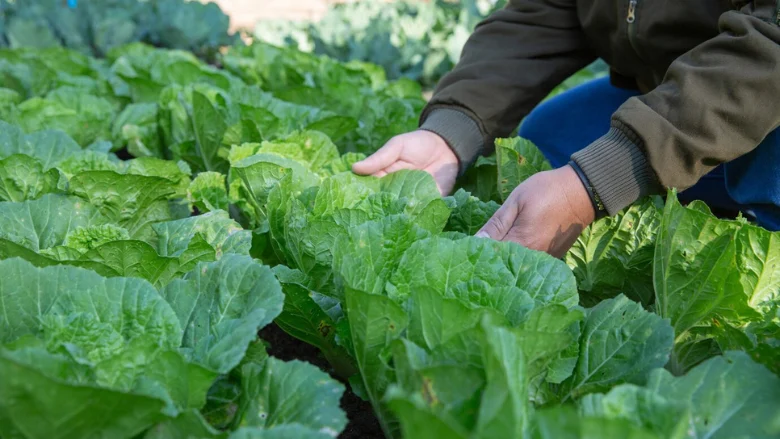
In the wake of the largest Cyclospora outbreak in United States history—a crisis that has seen case counts exceed 10,000 and triggered intense scrutiny of international produce supply chains—the agricultural sector faces a pivotal moment. As consumer confidence in leafy greens wavers, the University of Delaware (UD) is intensifying its efforts to bolster industry resilience. By emphasizing the Produce Safety Alliance (PSA) training, the university is equipping growers with the tools necessary to move beyond reactive measures and toward a culture of rigorous, science-backed prevention.
The Context: A Crisis of Confidence
The ongoing Cyclospora outbreak, linked specifically to lettuce, has become a watershed moment for the U.S. food safety landscape. With the FDA currently conducting high-level inspections at major production facilities—including Taylor Farms in Mexico—the industry is under immense pressure to identify the precise vectors of contamination.
Cyclospora cayetanensis, a microscopic parasite, has proven notoriously difficult to track. Unlike bacterial pathogens like E. coli or Salmonella, which often present in distinct clusters, the sheer scale of this outbreak has exposed deep vulnerabilities in global produce sourcing. For growers, the challenge is twofold: they must manage the biological realities of on-farm contamination while simultaneously navigating the erosion of public trust.
Chronology of the Outbreak and Response
The current outbreak represents a significant escalation in foodborne illness tracking.
- Early Detection: Public health officials identified a sharp, anomalous spike in cyclosporiasis cases, triggering investigations across multiple states.
- The Link: Epidemiological investigations quickly pointed toward iceberg lettuce as the primary vehicle for the parasite, leading to significant disruption in the supply chain.
- Regulatory Action: The FDA initiated a multi-agency inspection of major growing regions in Mexico, specifically targeting facilities associated with the implicated produce.
- The Pivot to Education: Recognizing that regulatory oversight alone cannot prevent future occurrences, academic institutions like the University of Delaware have prioritized educational outreach to provide farmers with actionable, on-the-ground risk management strategies.
The Philosophy of Prevention: “You Cannot Test Your Way to Food Safety”
Amidst the investigation, experts are cautioning against a reliance on end-product testing as a panacea. Kali Kniel, Ph.D., M.S., the Unidel S. Hallock du Pont Chair of Microbial Food Safety at UD, offers a stark reminder to the industry: "You cannot test your way to food safety."
This philosophy underscores the limitation of sampling. Because Cyclospora contamination can be sporadic and unevenly distributed throughout a crop, a negative test result on a batch of lettuce does not guarantee that the rest of the field is free of the parasite. Instead, Dr. Kniel advocates for a "prevention-first" approach. This involves:
- Water Safety: Implementing rigorous testing and treatment protocols for agricultural water, which is a known potential vector for parasites.
- Microbial Risk Mitigation: Assessing the environment surrounding farms, including wildlife activity and neighboring land use, to minimize the introduction of pathogens.
- Sanitation Protocols: Ensuring that post-harvest handling processes are designed to prevent cross-contamination from worker hygiene or contaminated equipment.
Supporting Data: Why Training Matters
The efficacy of the Produce Safety Alliance (PSA) training is supported by a decade of consistent adoption. In the Mid-Atlantic region, nearly 600 farmers across Delaware, Maryland, and Virginia have completed the curriculum. This collective knowledge base acts as a bulwark against the kind of widespread system failure seen in the current outbreak.
The PSA training is structured into seven distinct modules that provide a holistic overview of farm safety:
- Introduction to Produce Safety: Establishing the regulatory and biological foundations of the Food Safety Modernization Act (FSMA).
- Worker Health and Hygiene: Managing human-based contamination risks.
- Soil Amendments: Understanding the biological risks of fertilizers.
- Wildlife and Land Use: Managing the interface between wild ecosystems and cultivated fields.
- Agricultural Water: The most critical component for preventing waterborne pathogens like Cyclospora.
- Post-Harvest Handling: Sanitizing the produce after it leaves the field.
- Developing a Food Safety Plan: Creating a customized, site-specific roadmap for risk management.
By concentrating these trainings during the winter months (the next sessions are slated for 2026–2027), the University of Delaware ensures that farmers have the dedicated time required to internalize these complex concepts without the distractions of the active harvest season.
Traceability: Preparing for the New Regulatory Era
Beyond biological safety, the industry is bracing for a logistical overhaul. As the FDA’s Food Traceability Rule (FSMA 204) moves closer to its compliance deadline, the ability to track produce "one step forward and one step back" is no longer optional—it is a regulatory necessity.
Dr. Kniel emphasizes that traceability is the "safety net" of the food system. In the event of a contamination incident, the ability to rapidly pinpoint the source allows for precise recalls. This minimizes waste, protects public health, and prevents the "blanket recalls" that damage the reputation of the entire industry. As the FDA pushes for more transparency in the supply chain, the training provided by UD specifically addresses the record-keeping requirements that will soon define legal compliance for growers.
Implications for the Future of Agriculture
The Cyclospora outbreak serves as a sobering reminder that the safety of the food supply is not a static achievement but a continuous process of adaptation. As climate patterns shift and global supply chains become more interconnected, the potential for new or resurgent pathogens increases.
1. The Role of the Extension Service
The UD Cooperative Extension serves as the vital link between academic research and field application. By bringing the latest science on microbial food safety directly to the farmer, they are closing the knowledge gap that often leaves smaller or mid-sized growers vulnerable to outbreaks.
2. Industry-Wide Accountability
The current situation at Taylor Farms and the wider impact on lettuce producers highlight the need for standardized safety protocols that transcend borders. The produce industry is increasingly operating under a global standard, where a failure in one region affects the market perception of the product everywhere.
3. Investing in the Human Element
Technology, such as advanced genetic sequencing and AI-driven trace-back tools (like the "Ask FSM" tool provided by Food Safety Magazine), is becoming more prevalent. However, these tools are only as effective as the human operators using them. The focus on PSA training reflects a commitment to the human element—training the people on the front lines to recognize risks before they manifest as public health crises.
Conclusion: A Path Forward
The path to restoring consumer confidence lies in transparency, rigorous adherence to safety standards, and a commitment to ongoing education. The University of Delaware’s proactive approach, led by experts like Dr. Kniel, provides a blueprint for how the industry can navigate the complexities of modern food safety.
By shifting the focus from testing to prevention, and by preparing for the upcoming demands of the FDA’s traceability mandates, the agricultural sector can begin to build a more resilient, safer future. For farmers and industry stakeholders, the message is clear: the cost of training is an investment, but the cost of an outbreak is far higher. Through continued education and the integration of science-based management practices, the industry can work to ensure that the produce on the American table is as safe as it is nutritious.
For those looking to get ahead of these challenges, the upcoming 2026–2027 Produce Safety Alliance sessions at the University of Delaware represent an essential step in securing the future of their operations. Information on how to register and participate in these vital workshops is available through the University of Delaware’s official events portal.