The Architectural Elegance of Bromeliads: A Comprehensive Guide to Tropical Indoor Gardening
With their sculptural forms, otherworldly textures, and kaleidoscope of vibrant, long-lasting blooms, the Bromeliaceae family represents one of the most exciting frontiers for both novice and seasoned indoor gardeners. Whether you are looking to curate a minimalist aesthetic with a single, striking focal point or aiming to transform a sun-drenched nook into a verdant, tropical sanctuary, bromeliads offer a level of botanical drama that few other plant families can match.
For those residing in temperate regions, the prospect of growing tropical flora may seem daunting. However, by understanding the unique evolutionary adaptations of these plants, gardeners can successfully cultivate these “tropical treasures” even in the heart of cooler, more northern climates.
A Brief History and Botanical Profile
The family Bromeliaceae is a vast, ancient, and ecologically significant group comprising over 3,000 distinct species. Predominantly native to the tropical and subtropical Americas—ranging from the high-altitude cloud forests of the Andes to the humid lowlands of Brazil—these plants have evolved to survive in some of the most competitive environments on Earth.
Evolutionary Adaptations
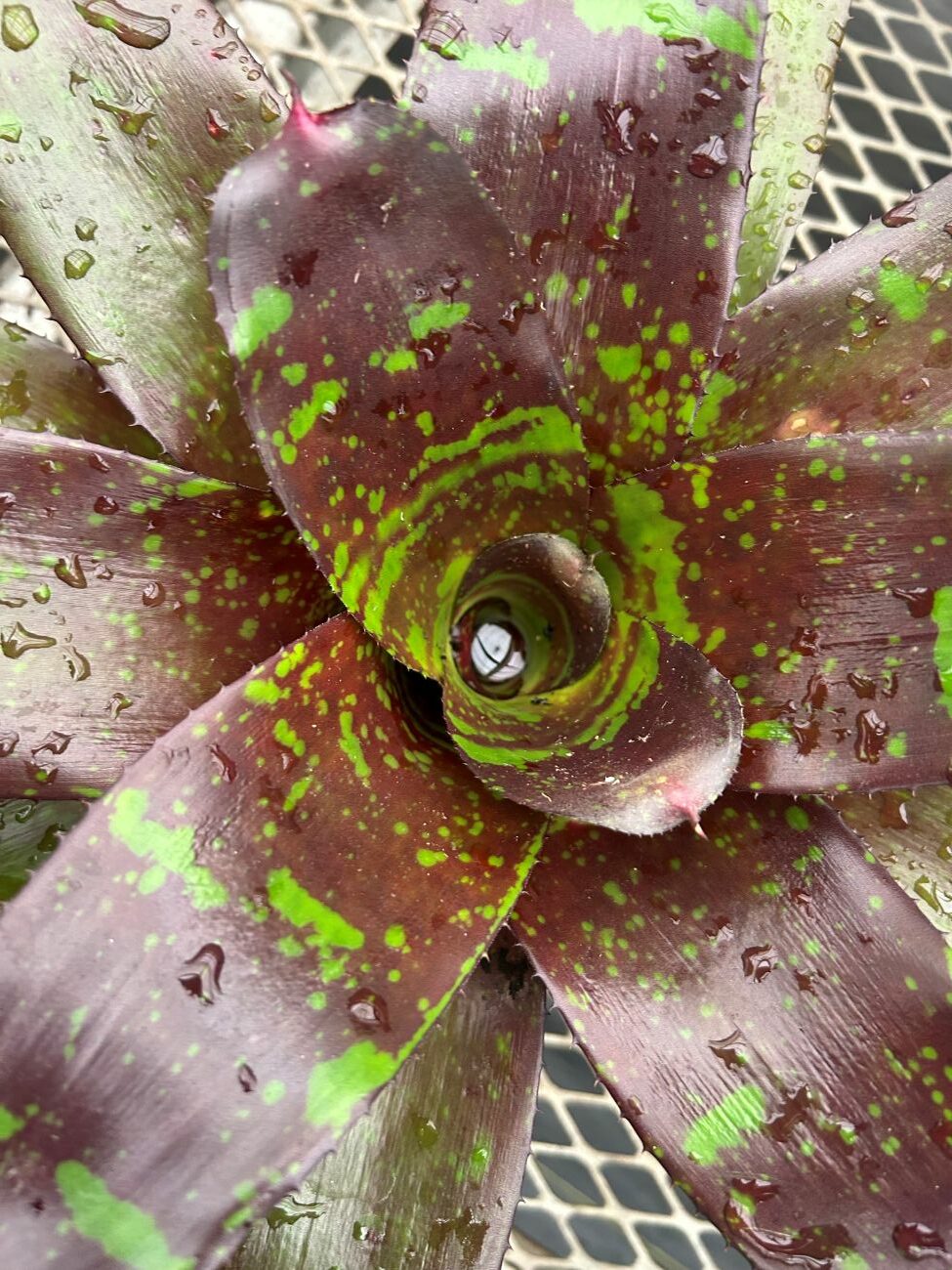
The defining characteristic of many bromeliads is their rosette-shaped foliage. This structural arrangement is not merely for show; it is a highly evolved survival mechanism. In their natural habitats, many species are epiphytes, meaning they attach themselves to the branches of trees rather than rooting in the forest floor. To compensate for their lack of access to ground-based nutrients, they have developed a central "tank" or reservoir formed by the base of their leaves. This structure collects rainwater, falling organic debris, and even nutrients from visiting insects, effectively creating a self-contained ecosystem that supports the plant and provides a micro-habitat for small organisms.
Notable Members
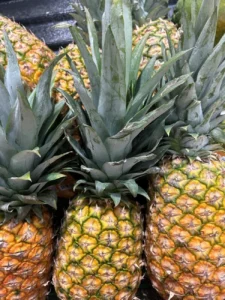
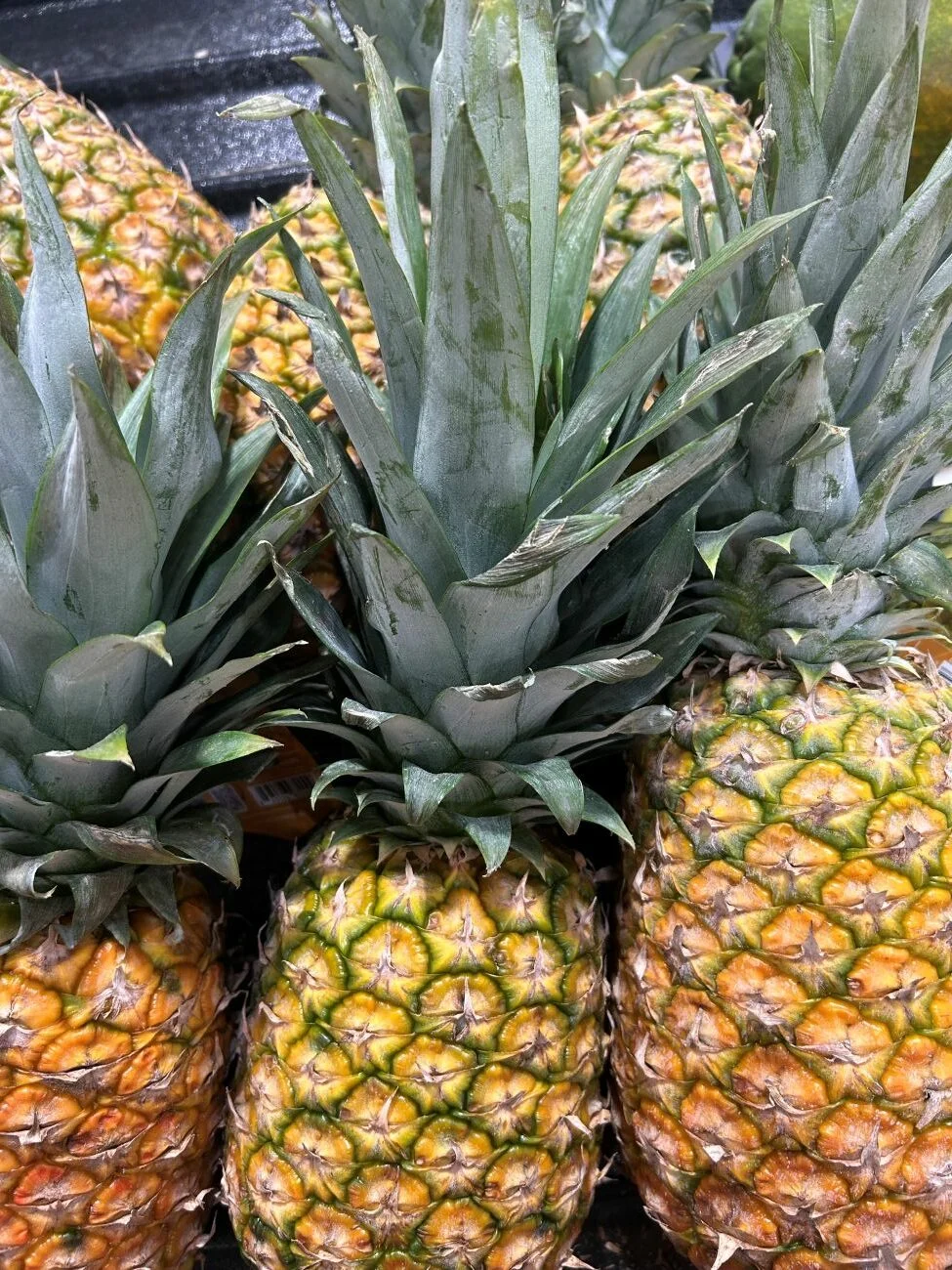
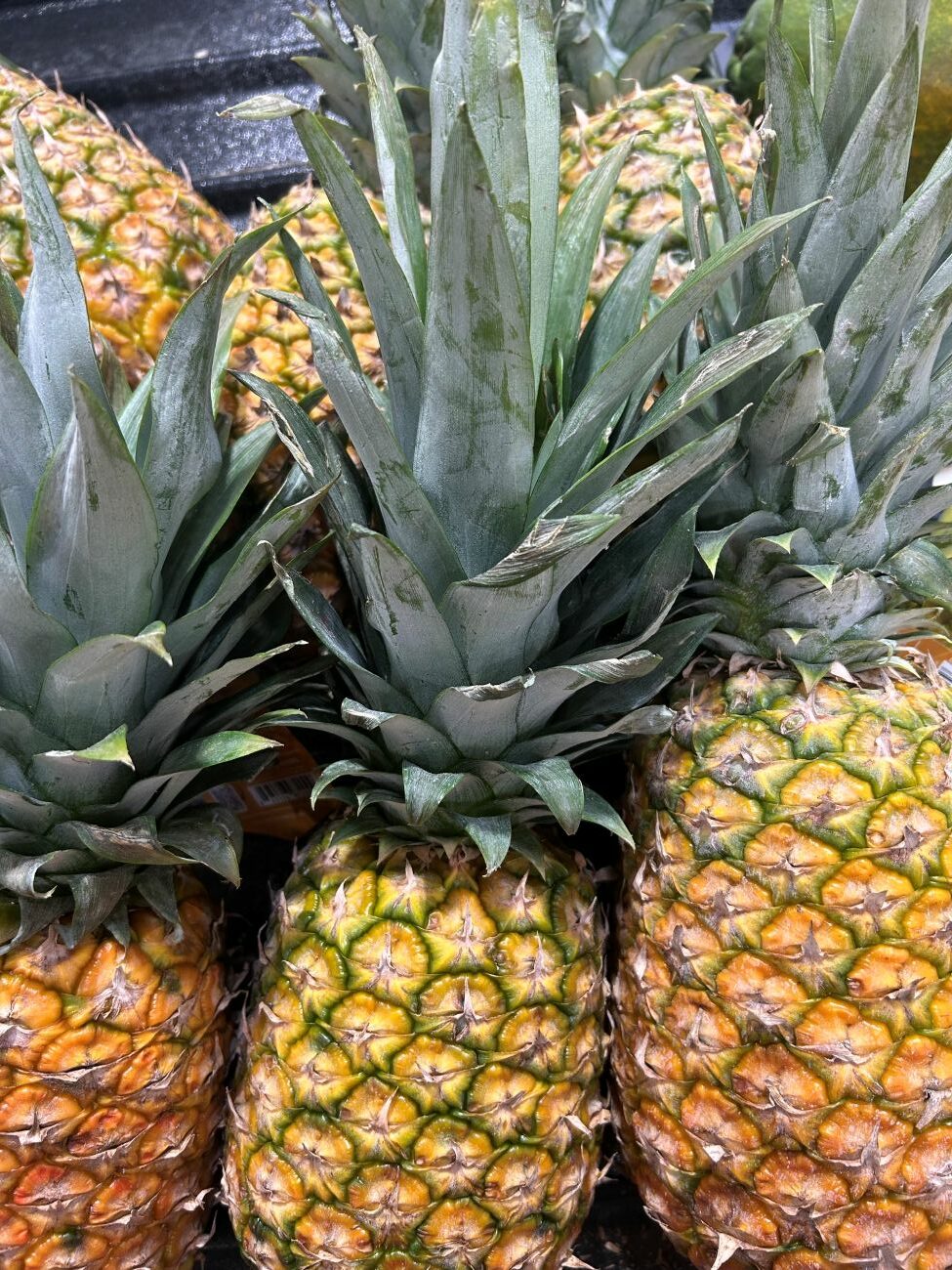
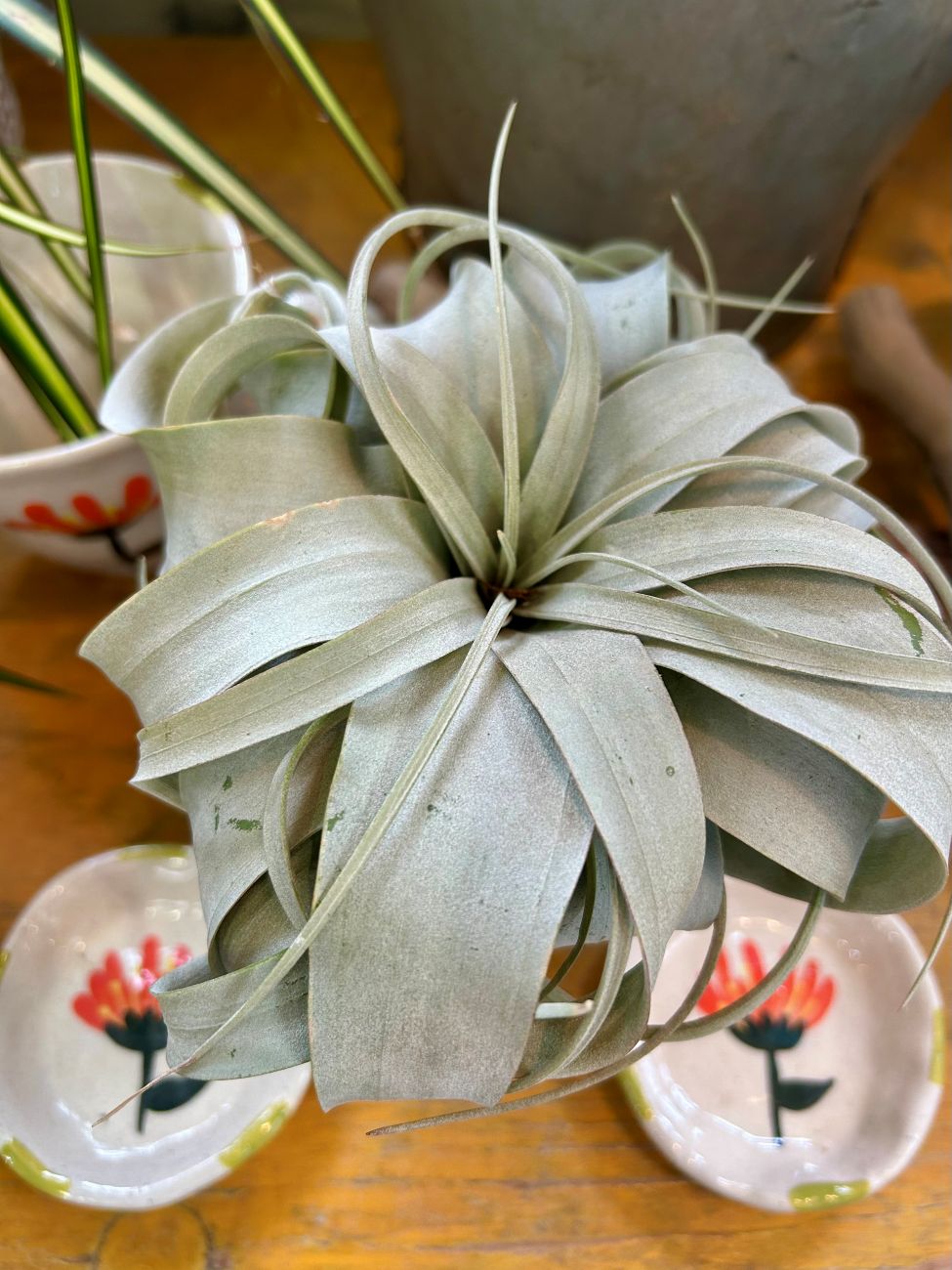
The diversity within the family is staggering. It includes the economically significant Ananas comosus (pineapple), as well as the fascinating Tillandsia genus, commonly known as "air plants," which have evolved to absorb moisture and nutrients almost entirely through specialized scales on their leaves, requiring no soil whatsoever.
For the home gardener, however, the most popular varieties—and those best suited for indoor life—are the tank-forming species. These include:
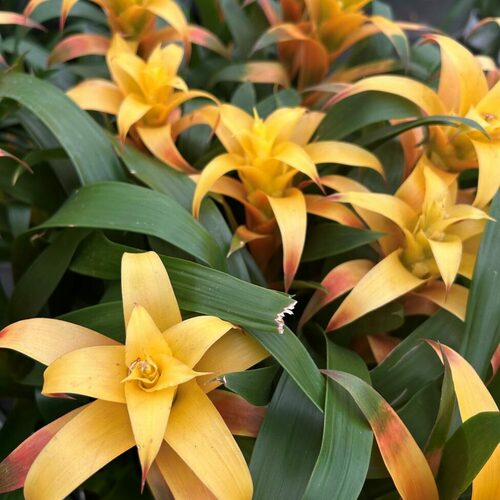
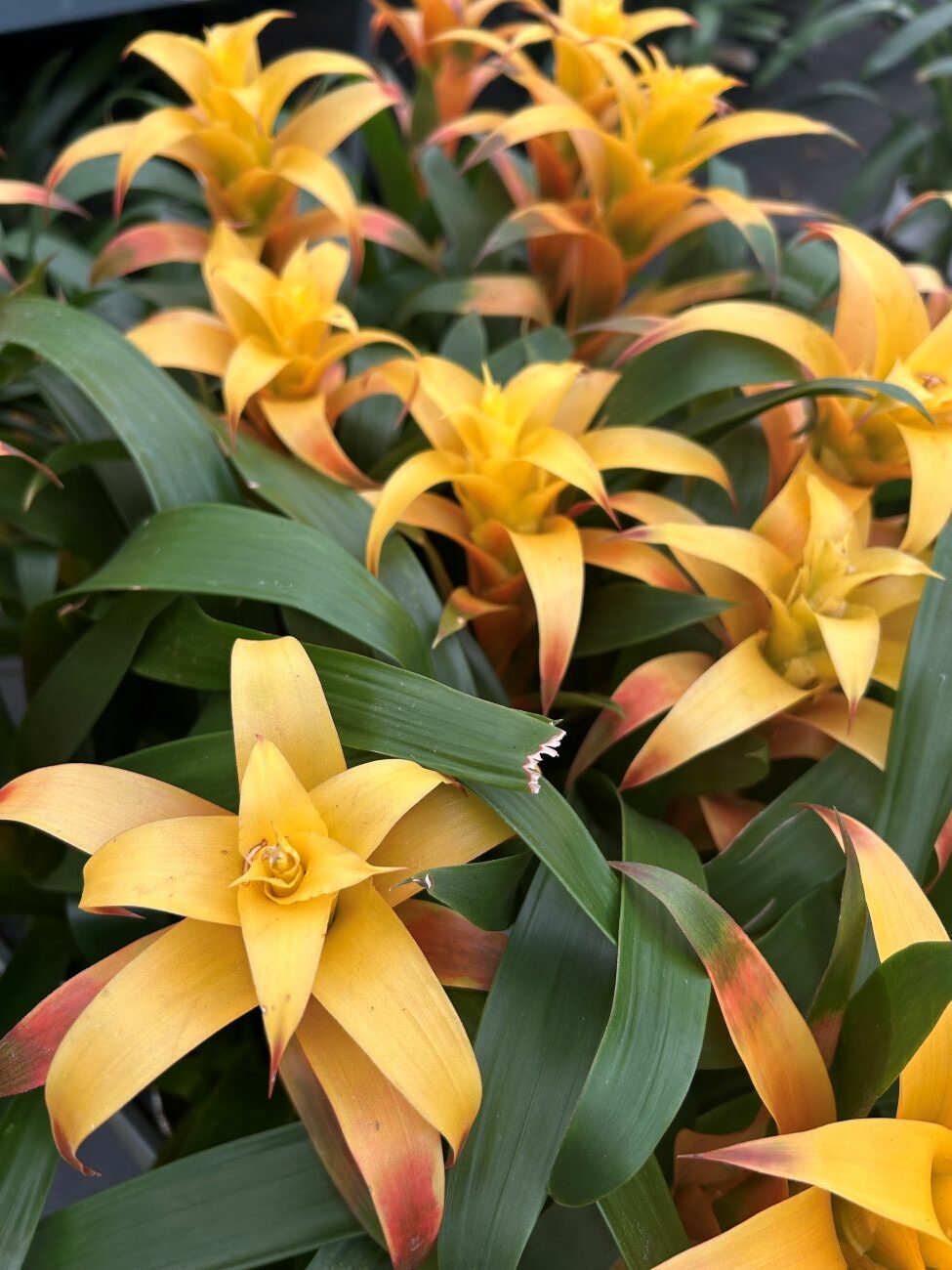
- Guzmanias (Guzmania cvs.): Celebrated for their long-lasting, torch-like inflorescences.
- Blushing Bromeliads (Neoregelia cvs.): Prized for the vivid color changes their foliage undergoes as they approach their flowering phase.
- Vrieseas (Vriesea cvs.): Known for their intricate, sword-shaped flower spikes.
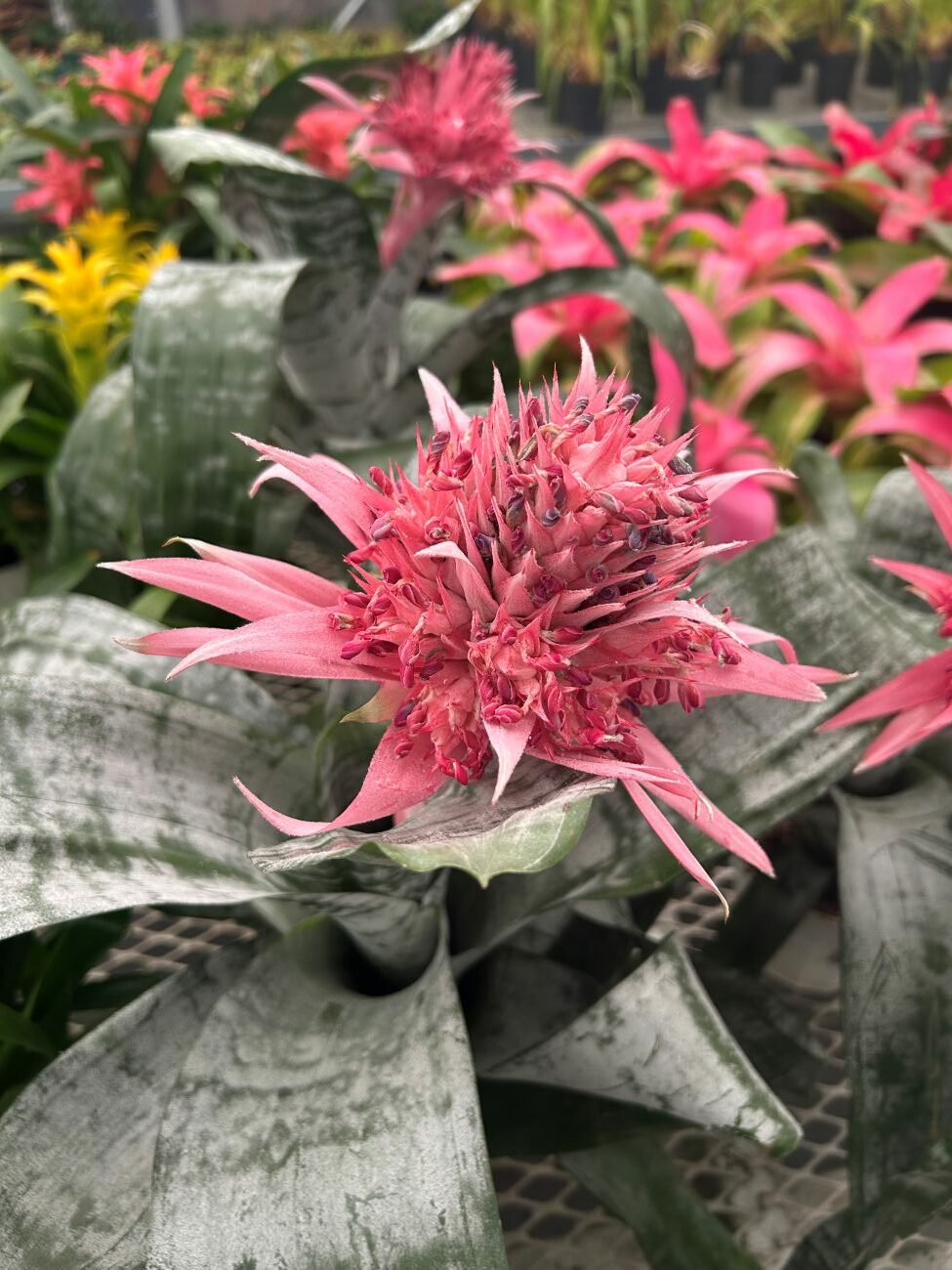
- Urn Plants (Aechmea fasciata): Iconic for their silver-banded, architectural foliage and dramatic, pink, architectural flower clusters.
Chronology: From Wild Epiphyte to Household Staple
The transition of the bromeliad from a wild jungle curiosity to a commercial household staple is a relatively modern phenomenon. While botanists have documented the family since the late 18th century, it was not until the mid-20th century that breeding programs began to focus on the compact, durable, and highly ornamental cultivars we see in garden centers today.
In the 1970s and 80s, the rise of the modern indoor houseplant movement saw a surge in demand for plants that could tolerate the lower light and humidity levels of residential buildings. Growers responded by selecting for plants with more resilient root systems and foliage that could withstand the fluctuations of central heating. Today, these plants are staples of interior design, valued for their "unfussy" nature and their ability to provide months of color, often blooming when other indoor plants are dormant.
Supporting Data: Understanding Growth Requirements
To successfully maintain a bromeliad, one must shift their perspective from traditional "soil-and-water" gardening to "epiphytic" gardening. Data gathered from horticultural studies suggests that the primary cause of bromeliad failure is not neglect, but over-attention—specifically, over-watering the root zone.
Light and Exposure
Bromeliads crave light, but they are generally ill-equipped for the intense, direct midday sun of a southern window. In temperate climates, where light intensity is often lower, a bright, east-facing window is ideal. The goal is to provide "bright, indirect light." If the leaves begin to fade or the plant becomes "leggy," it is an indicator that the plant is searching for more light. Conversely, scorched leaf tips are a sign of excessive UV exposure.
The Role of the Tank (Watering Protocol)
The most critical aspect of bromeliad care is managing the central reservoir.
- Filling the Tank: Use room-temperature, preferably filtered or rainwater. Tap water with high mineral content can leave unsightly white deposits on the foliage.
- Flushing: To prevent the water from becoming stagnant or harboring bacteria, it is essential to flush the tank every few weeks with fresh water.
- Soil Hydration: While the tank provides the primary water source, the potting medium should be kept barely moist. Allowing the soil to dry out almost completely between waterings is a necessary safeguard against root rot, to which these plants are particularly susceptible.
Soil Composition and Drainage
Because these plants are adapted to clinging to trees, their root systems are designed for anchorage, not for heavy nutrient uptake. Standard peat-heavy potting soil is usually too dense and will suffocate the roots. A "chunky" mix is highly recommended. A professional-grade recipe for success includes:
- 60% Pine or Fir Bark (to provide structure and air circulation)
- 20% Perlite (to improve drainage)
- 20% Organic potting soil or coco coir (for moisture retention)
Alternatively, a high-quality, bark-based orchid mix is an excellent, readily available alternative.
Expert Perspectives: Creating a Tropical Micro-Climate
Horticulturists and professional nursery managers emphasize that while bromeliads are remarkably resilient, they are sensitive to the "dry air syndrome" common in modern homes.
"Most people do not realize that the average home in winter has a humidity level comparable to a desert," notes Fionuala Campion, an expert in tropical indoor cultivation. "When you run forced-air heating, you are effectively baking the moisture out of the air. Bromeliads, which rely on their foliage to absorb ambient moisture, will quickly show stress through brown, crispy leaf tips."
Humidity Solutions
To counteract low indoor humidity, experts suggest several strategies:
- The Pebble Tray: Placing the pot on a tray filled with pebbles and water (ensuring the base of the pot sits above the water line) creates a localized humid zone.
- Grouping: Clustering plants together creates a collective micro-climate, as the transpiration from one plant raises the humidity for its neighbors.
- Avoid Heating Vents: Never place a bromeliad directly in the path of a heater or air conditioning duct. The rapid changes in temperature and the drying effect of the air will lead to rapid decline.
Implications for the Modern Gardener
The integration of bromeliads into the home has implications that go beyond mere aesthetics. As our living spaces become more urbanized and disconnected from the natural world, the practice of "biophilic design"—incorporating living, growing elements into the home—has been shown to improve mental well-being and air quality.
The Lifecycle of a Bromeliad
One of the most important aspects of bromeliad ownership is managing expectations regarding the bloom. A bromeliad flower is not a permanent feature; it will eventually fade. However, the plant is not "dying." Following the bloom, the parent plant will begin to produce "pups" or offsets at its base.
This is the cycle of life for the bromeliad. As the parent plant slowly declines, the pups grow larger, eventually taking the place of the original plant. By learning to propagate these offsets, a gardener can ensure a perpetual cycle of growth and beauty, turning a single purchase into a long-term collection.
Pest Management
Bromeliads are largely immune to many of the common pests that plague other houseplants, but they are not entirely invincible. Mealybugs, which appear as small, cotton-like white clusters, can sometimes hide in the crevices of the leaves. Aphids may also occasionally appear on the flower spikes. Because of the plant’s sensitivity to chemicals, it is best to treat these issues early using a gentle, insecticidal soap or simply wiping them away with a soft cloth dipped in diluted rubbing alcohol.
Conclusion
The world of bromeliads is one of immense reward. By embracing their unique biology—the water-storing tanks, the airy root systems, and the slow, rhythmic cycles of blooming and pup production—gardeners can successfully bring a slice of the tropics into their homes.
Whether you are a collector looking for the latest rare hybrid or a newcomer seeking a low-maintenance, high-impact plant for your living room, the bromeliad family stands ready to transform your space. As we continue to seek ways to soften our indoor environments and reconnect with the natural patterns of the botanical world, these plants serve as both a beautiful addition and a testament to the resilience of nature.

Start small, observe your plant’s response to your specific home environment, and don’t be afraid to experiment with different varieties. Once you experience the satisfaction of watching a new "pup" emerge from the base of a mother plant, you may find yourself joining the ranks of dedicated bromeliad enthusiasts worldwide. Happy gardening!