The Art of Batch Cooking: Mastering Chipotle-Style Black Beans for Your Weekly Meal Prep
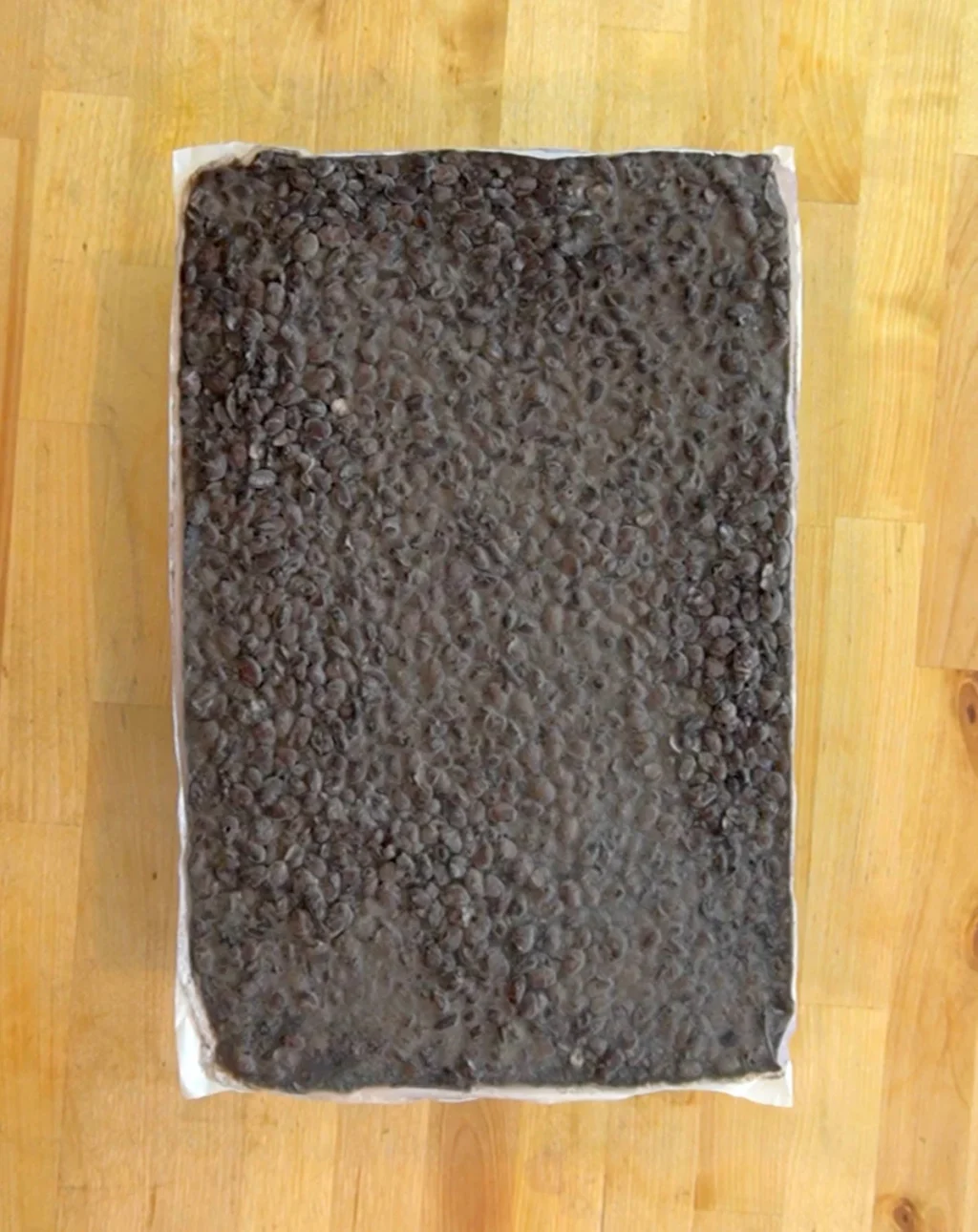
In the modern culinary landscape, the intersection of convenience, nutrition, and cost-effectiveness has become the holy grail for busy professionals and health-conscious families alike. As the "Meal Prep" movement continues to transition from a niche fitness trend to a mainstream lifestyle choice, the focus has shifted toward building "Snack City"—a strategic, freezer-ready inventory of high-quality, nutrient-dense components. Among these, the humble black bean—elevated with the smoky, complex profile of Chipotle peppers—stands as a cornerstone ingredient.
This article explores the technical, nutritional, and practical implications of mastering the Chipotle-style black bean, providing a deep dive into why this specific preparation is becoming a staple for those looking to optimize their weekly nutrition without sacrificing the vibrant flavors of Mexican-inspired cuisine.
Main Facts: The Nutritional Powerhouse
At its core, this recipe is designed to bridge the gap between "fast food" and "home cooking." Each serving—designed for a batch of 10—delivers a substantial nutritional profile, boasting 180 calories, 10 grams of protein, and 7.3 grams of dietary fiber.
Perhaps the most compelling statistic is the macronutrient distribution: 30g of complex carbohydrates, 10g of plant-based protein, and a lean 2.2g of fat. By preparing these beans in bulk, you are not merely cooking a side dish; you are creating a reliable, shelf-stable fuel source that adheres to the strictest dietary requirements, including gluten-free, vegan, and vegetarian protocols.
Chronology: The Lifecycle of the Perfect Bean
Achieving the restaurant-quality texture that Chipotle aficionados expect requires patience and an understanding of legume science. The process is a commitment, totaling roughly 9 hours and 45 minutes, though the "active" labor is significantly lower.
1. The Soaking Phase (8 Hours)
The process begins with the critical soaking phase. Rehydrating dried black beans is essential for even cooking and improved digestibility. Soaking allows the beans to absorb moisture, which prevents them from bursting during the boiling process and ensures a uniform, creamy interior.
2. The Preparation (15 Minutes)
Once the beans have been properly hydrated, the seasoning phase begins. This is where the "Chipotle-style" flavor profile is established. The incorporation of aromatics, smoky peppers, and specific spices is a delicate balancing act that requires precise timing to ensure the flavors penetrate the skin of the bean rather than just coating the surface.
3. The Cooking Phase (1 Hour 30 Minutes)
Slow-simmering is the secret to the perfect texture. By cooking the beans at a steady, low heat, the starches within the legumes gelatinize properly, resulting in that signature tender bite. This stage is non-negotiable for those who wish to avoid the mushy, over-processed texture often found in canned alternatives.
Supporting Data: Why Batch Prep Matters
In the realm of personal logistics, the "freezer-ready" strategy is a game-changer. Batch cooking is not just about time-saving; it is about cognitive load reduction. When your freezer is stocked with pre-portioned, high-quality components, the decision-making process for daily meals is simplified.
The Math of Meal Prep
When you commit to a single 9-hour cycle, you are essentially securing ten meals. If one were to calculate the cost-per-serving of dry black beans versus the price of a standard restaurant burrito bowl, the economic argument becomes staggering. Beyond the fiscal savings, there is the matter of quality control. By cooking from scratch, you control the sodium levels, the quality of the oils, and the integrity of the spices—variables that are often compromised in high-volume commercial production.
Macronutrient Efficiency
For those tracking their intake, the 10g of protein and 7.3g of fiber per serving provide a significant "satiety score." Fiber is essential for blood sugar regulation, and when paired with the complex carbohydrates present in black beans, it provides sustained energy release, preventing the common mid-afternoon energy crashes associated with processed quick-fix meals.
Official Perspectives: The Philosophy of "Snack City"
The concept of "Snack City"—a term popularized within the meal prep community—refers to a well-organized freezer inventory. Culinary experts and nutritionists alike have begun to champion this approach as the ultimate antidote to the "what’s for dinner?" dilemma.
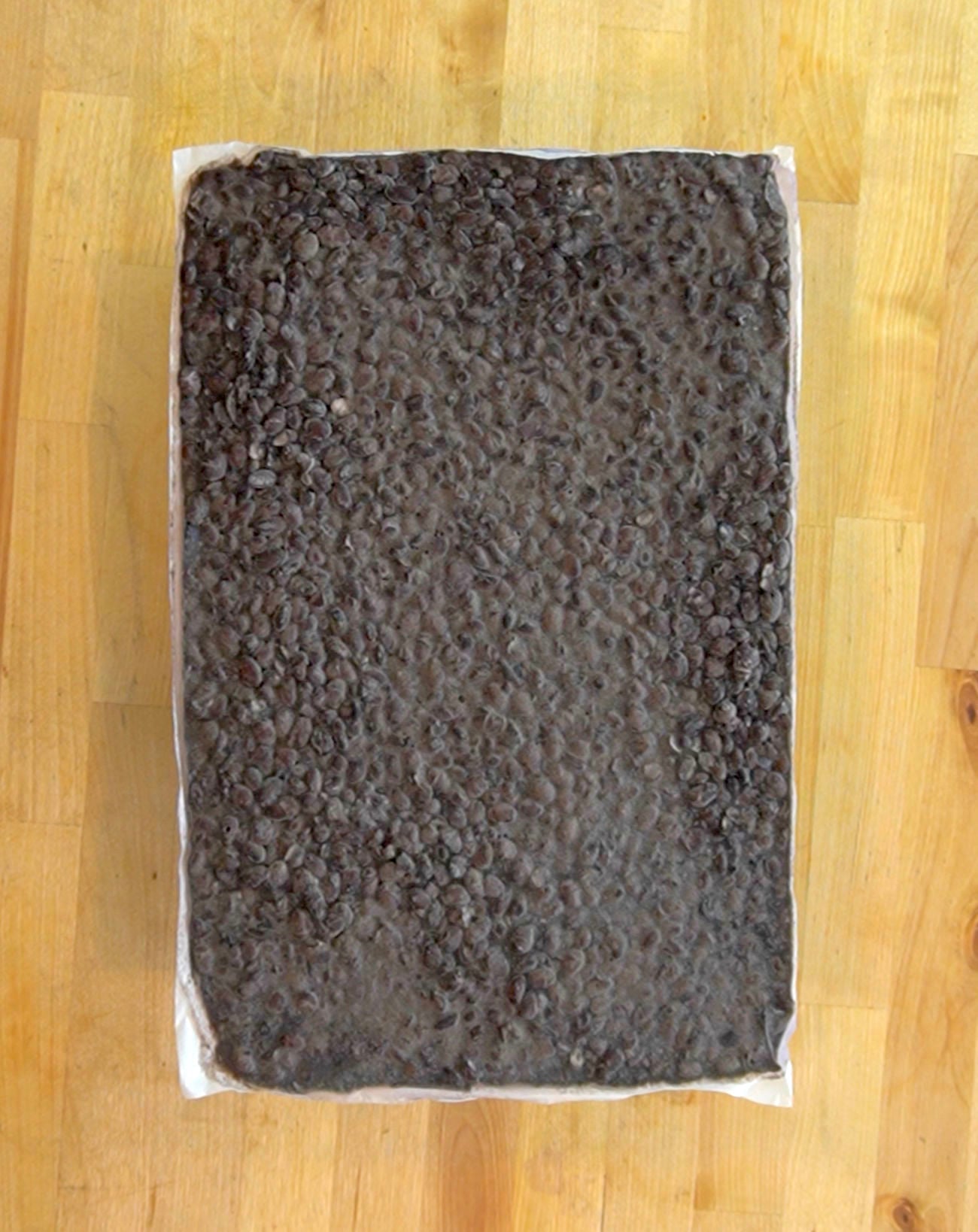
When you treat your freezer as a pantry, you move away from reactive eating (ordering takeout because you are hungry and empty-handed) to proactive nutrition. The Chipotle-style black bean is the ideal candidate for this system because it is remarkably resilient to the freezing and thawing process. Unlike delicate vegetables or complex sauces, the structure of the bean remains largely unchanged, making it a reliable component for burrito bowls, salads, or side dishes even weeks after initial preparation.
Implications: The Future of Home-Style Convenience
The implications of mastering this recipe extend beyond the kitchen. As global food prices fluctuate and the demand for transparency in ingredients grows, the ability to produce restaurant-quality meals at home becomes a valuable life skill.
Culinary Versatility
While the recipe is explicitly designed for burrito bowls, its utility is vast. These beans can be incorporated into:
- Hearty Soups: Use as a base for a spicy black bean chili.
- Breakfast Scrambles: Add to morning eggs or tofu for a high-protein start to the day.
- Cold Salads: Mix with corn, cilantro, and lime for a refreshing side salad.
The Sustainability Factor
By moving toward a diet centered on legumes like black beans, consumers are also participating in a more sustainable food ecosystem. Legumes require less water to produce than animal proteins and contribute to soil health through nitrogen fixation. Choosing to batch-prep these staples is an act of environmental stewardship that happens to align perfectly with personal health goals.
Final Thoughts: Implementing the System
To successfully integrate these Chipotle-style black beans into your life, consider the following workflow:
- Preparation Day: Dedicate one day a week (or every two weeks) to the 9-hour cycle. Since the majority of the time is passive, this can be easily managed alongside other household tasks.
- Strategic Portions: Invest in high-quality, freezer-safe containers. Portioning the beans into single-serve sizes immediately after they have cooled allows for "grab-and-go" convenience.
- Labeling: Never underestimate the power of a label. Tracking the date of preparation ensures you are rotating your inventory correctly, maintaining the highest possible quality for your meals.
The transition to a "meal-prepped" life is not about turning your home into a professional kitchen; it is about reclaiming your time and your health. By starting with a reliable, flavor-forward recipe like these Chipotle Black Beans, you build the foundation for a sustainable, delicious, and highly efficient way of eating that serves you throughout the busiest of weeks.
In the final analysis, the difference between a life of convenience and a life of quality lies in the choices made on a Sunday afternoon. By investing the time to prepare your own components, you are not just saving money—you are investing in a healthier, more predictable, and infinitely more flavorful future.