The Art of the Copycat: Recreating the Iconic Biscoff Cookie for a Gluten-Free Lifestyle
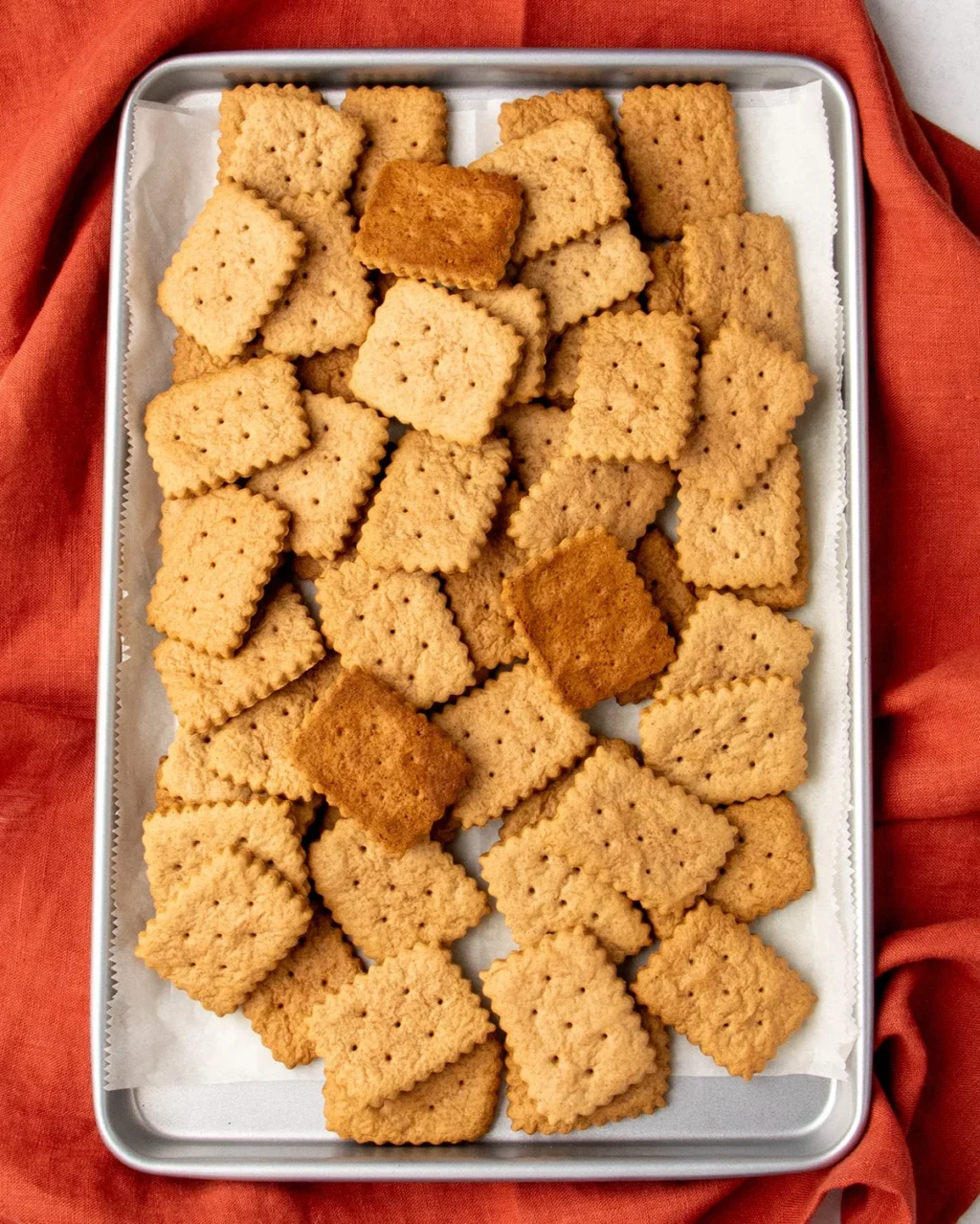
For many, the distinct, caramelized crunch of a Biscoff cookie—traditionally served alongside a warm cup of coffee or tucked into an airline snack pack—is the gold standard of spiced biscuits. However, for the millions living with celiac disease or gluten sensitivity, these classic treats have long been relegated to the "forbidden" list. As consumer demand for high-quality gluten-free alternatives continues to rise, home bakers are turning to ingenious, kitchen-tested methods to replicate the complex, deeply spiced profile of the legendary Lotus Bakeries original.
Main Facts: The Anatomy of a Perfect Biscoff Clone
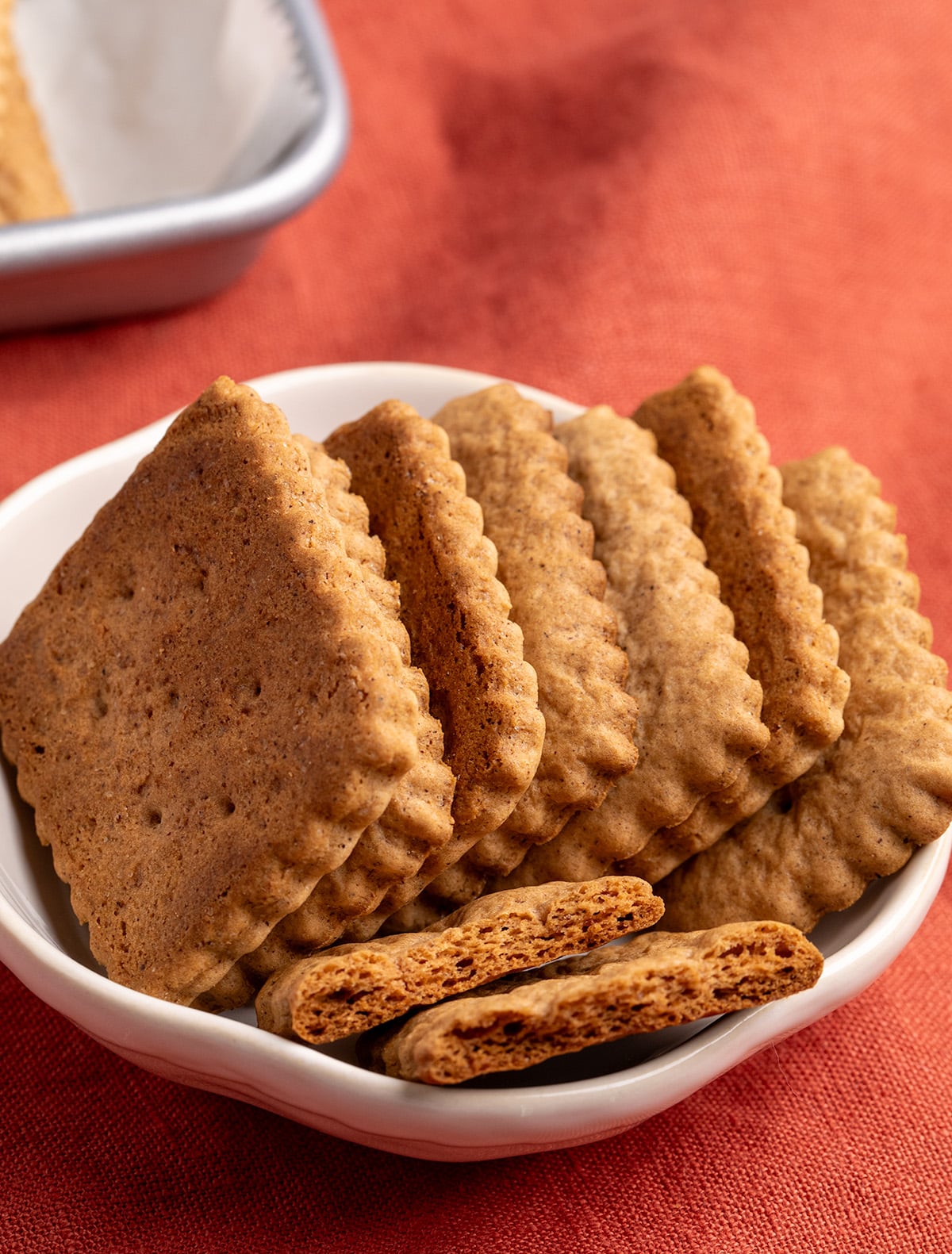
The Biscoff cookie is defined by three pillars: its signature dark, caramelized color, its aggressive, warming spice blend, and its unmistakable "snap." Achieving this without wheat flour requires a departure from standard sugar-cookie methodology.
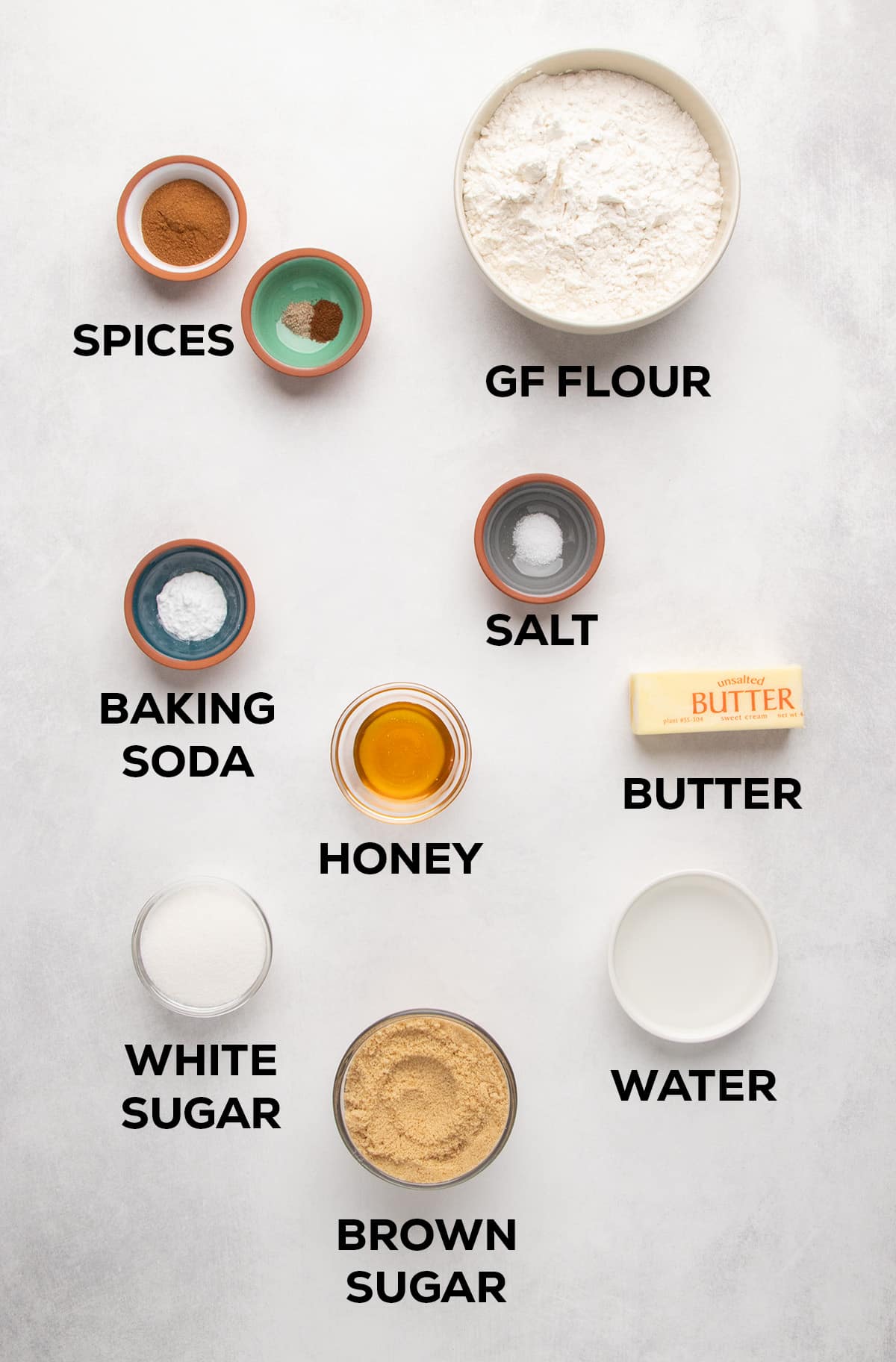
The secret to this recipe lies in a "one-bowl" approach that relies on a precise balance of brown and white sugars, honey, and a robust spice profile consisting of cinnamon, nutmeg, allspice, cardamom, and cloves. Unlike many gluten-free doughs that require lengthy refrigeration times or complex emulsification, this particular dough is engineered for immediate handling. By omitting eggs and utilizing a specific ratio of water to fat, bakers can achieve a dough that is pliable enough to roll into thin sheets, yet firm enough to hold the scalloped edges that define the classic rectangular aesthetic.
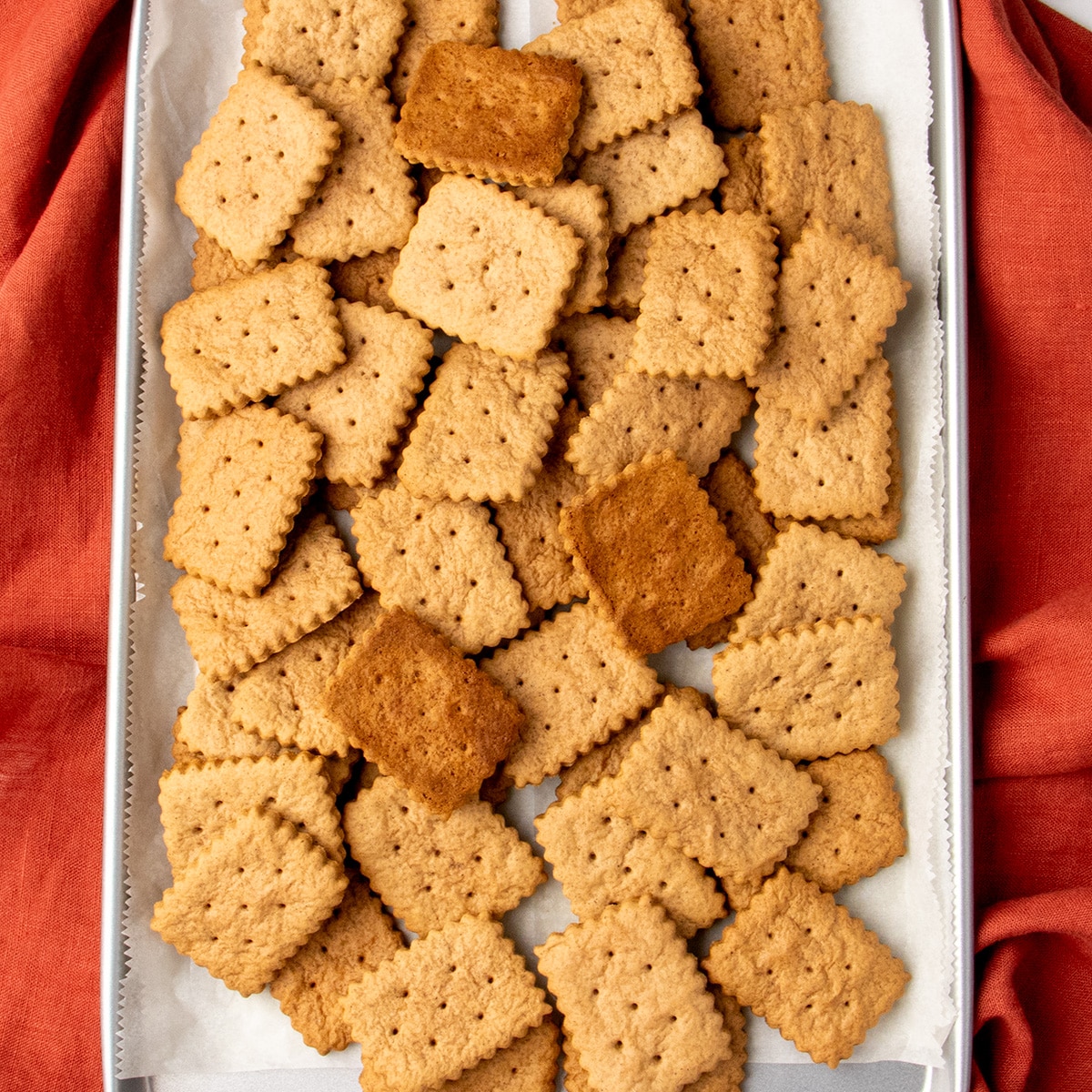
The result is a cookie that sits at the intersection of a shortbread and a snap-cookie—yielding a satisfying crunch that doesn’t crumble into dust, but rather shatters with the perfect texture one would expect from a commercial-grade biscuit.
Chronology: From Concept to Kitchen Reality
The development of a reliable gluten-free Biscoff clone followed a rigorous iterative process, prioritizing both ease of use and structural integrity.
- The Formulation Phase: The initial challenge was replicating the caramelized sugar note without using high-heat processes that might burn the gluten-free flour blend. The solution was found in the combination of brown sugar and honey, which provides both the deep color and the necessary moisture retention for a crisp finish.
- The Mixing Process: Eliminating the need for food processors or electric mixers was a priority. The method involves cutting cold butter into the dry mixture until it reaches a coarse, sand-like consistency. This creates the short, sandy texture essential for the "snap."
- The Rolling and Shaping: Recognizing that gluten-free doughs often tear or stick, the process mandates a light dusting of flour. The dough is rolled to a precise 1/8-inch thickness. This thinness is the functional "hero" of the recipe; it ensures that the cookies bake evenly and crisp up entirely upon cooling.
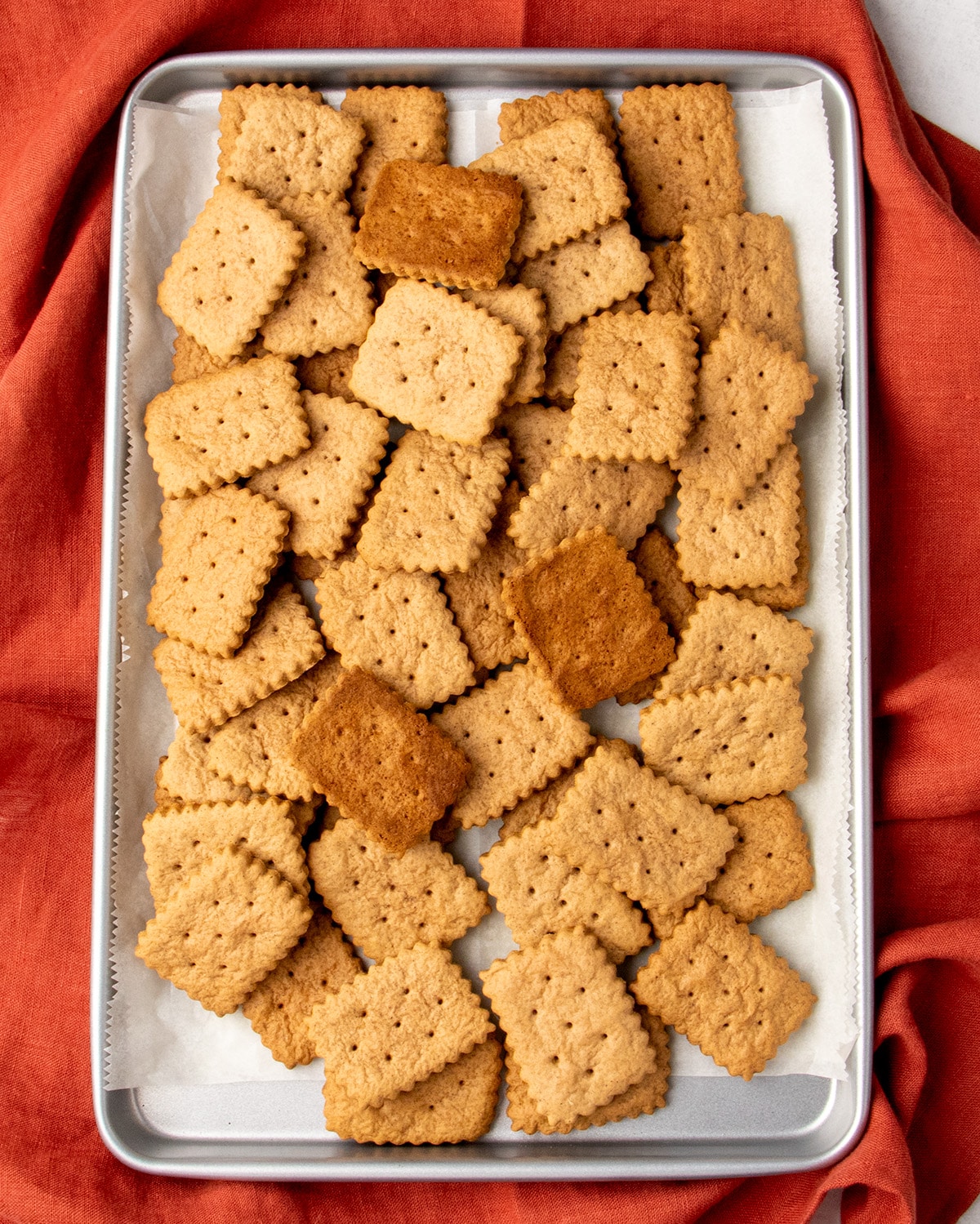
- The Baking and Piercing: The final step in the physical construction involves piercing the dough with a toothpick. While seemingly a decorative choice, this is a technical necessity. The holes prevent the cookies from bubbling, ensuring a flat, uniform surface that mirrors the commercial version.
Supporting Data: The Science of the Substitute
When removing gluten from a recipe, one must compensate for the lack of elastic protein. In this instance, the choice of flour blend is paramount. The recipe suggests utilizing high-performance blends, such as Better Batter or Nicole’s Best, specifically because they are formulated to mimic the structure of wheat flour.
- Xanthan Gum: If using a blend that lacks sufficient binders, the addition of 1/4 teaspoon of xanthan gum is non-negotiable. Without it, the cookie will lack the "snap" and likely crumble during the handling phase.
- Thermal Dynamics: Baking at 350°F (175°C) for approximately 15 minutes allows for a slow dehydration of the dough. The cookies appear to lighten in color during the baking process; this is a natural reaction of the caramelized sugars, and it is crucial that the baker does not pull them too early. The final crispness is achieved during the cooling period, as the moisture evaporates.
- Nutritional Profile: At approximately 37 calories per cookie, these treats are designed for controlled consumption. The inclusion of trace fats and sugars provides the mouthfeel of the original while maintaining a manageable glycemic impact compared to store-bought processed snacks.
Official Guidance: Tips for Success and Troubleshooting
Bakers often encounter hurdles when transitioning to gluten-free baking. The following professional tips address the most common points of failure:
Managing Dough Texture
If the dough feels "fragile" when lifting it onto the baking sheet, it indicates an excess of moisture. A simple, effective remedy is to fold in an additional tablespoon of flour. Conversely, if the dough is cracking, a single drop of water can restore the required elasticity.
Achieving the "Biscoff" Flavor
The spice blend is the signature of the brand. While the recipe calls for individual spices, home bakers can substitute these with two teaspoons of high-quality "apple pie spice" if they find themselves lacking a full spice rack. This provides the same aromatic profile of cinnamon, nutmeg, and allspice without the need for individual measurement.
Storage and Preservation
Gluten-free products are notoriously sensitive to ambient humidity. To maintain the crispness of the cookies for the full two-week shelf life, they must be stored in a sealed glass container. Plastic containers are porous and will allow moisture from the air to soften the cookies within 48 hours. For long-term storage, freezing is an option; however, they should be stored in tempered glass to prevent breakage and maintain quality.
Implications: The Rise of the Homemade "Copycat" Movement
The emergence of these recipes signals a significant shift in the gluten-free market. For years, the gluten-free community relied on expensive, often lackluster pre-packaged snacks. The "do-it-yourself" movement, led by experts in the field, is democratizing the ability to recreate iconic childhood favorites.
Furthermore, the versatility of this recipe extends beyond the cookie itself. The inclusion of a method to convert these cookies into a spreadable "Biscoff butter"—by blending the crumbs with shortening, brown sugar, and spices—highlights the potential for a complete, home-based culinary ecosystem.
This trend has broader implications for food security and inclusivity. By providing clear, replicable instructions, creators are empowering those with dietary restrictions to participate in the "coffee house culture" that has long excluded them. Whether it is enjoying a homemade cookie with a morning latte or creating a spread for toast, these recipes demonstrate that the "gluten-free" label no longer requires a sacrifice in flavor, texture, or the joy of culinary indulgence.
As commercial entities like Lotus Bakeries continue to evaluate the gluten-free market, home bakers are no longer waiting for permission or product launches. They are reclaiming the flavors of their past, one batch at a time, ensuring that the legacy of the Biscoff cookie remains accessible to everyone, regardless of their dietary requirements. The focus has shifted from "finding an alternative" to "creating a masterpiece," and in the world of gluten-free baking, that is the most significant progress of all.