The Art of the Indulgent Square: Mastering Gluten-Free Millionaire’s Shortbread
In the world of high-end confectionery, few treats command as much reverence as the Millionaire’s Shortbread. With its trifecta of buttery biscuit, velvety caramel, and a decadent snap of chocolate, it is a masterpiece of texture and flavor. For the gluten-free community, however, finding a version that maintains the structural integrity and taste profile of the classic bakery staple has long been a challenge. Nicole Hunn, the expert behind Gluten Free on a Shoestring, has unveiled a simplified, highly accessible method for recreating this iconic dessert at home, proving that dietary restrictions need not compromise culinary excellence.
Main Facts: The Anatomy of a Perfect Bar
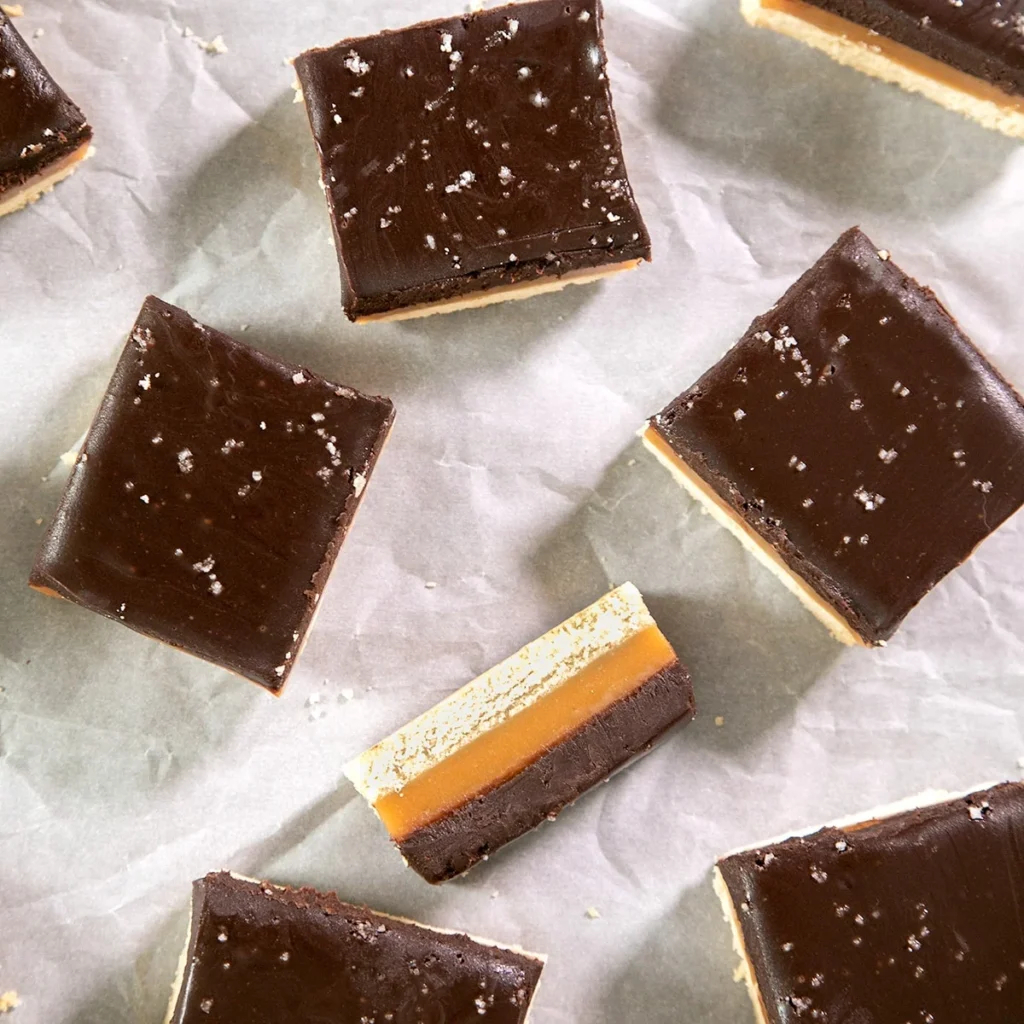
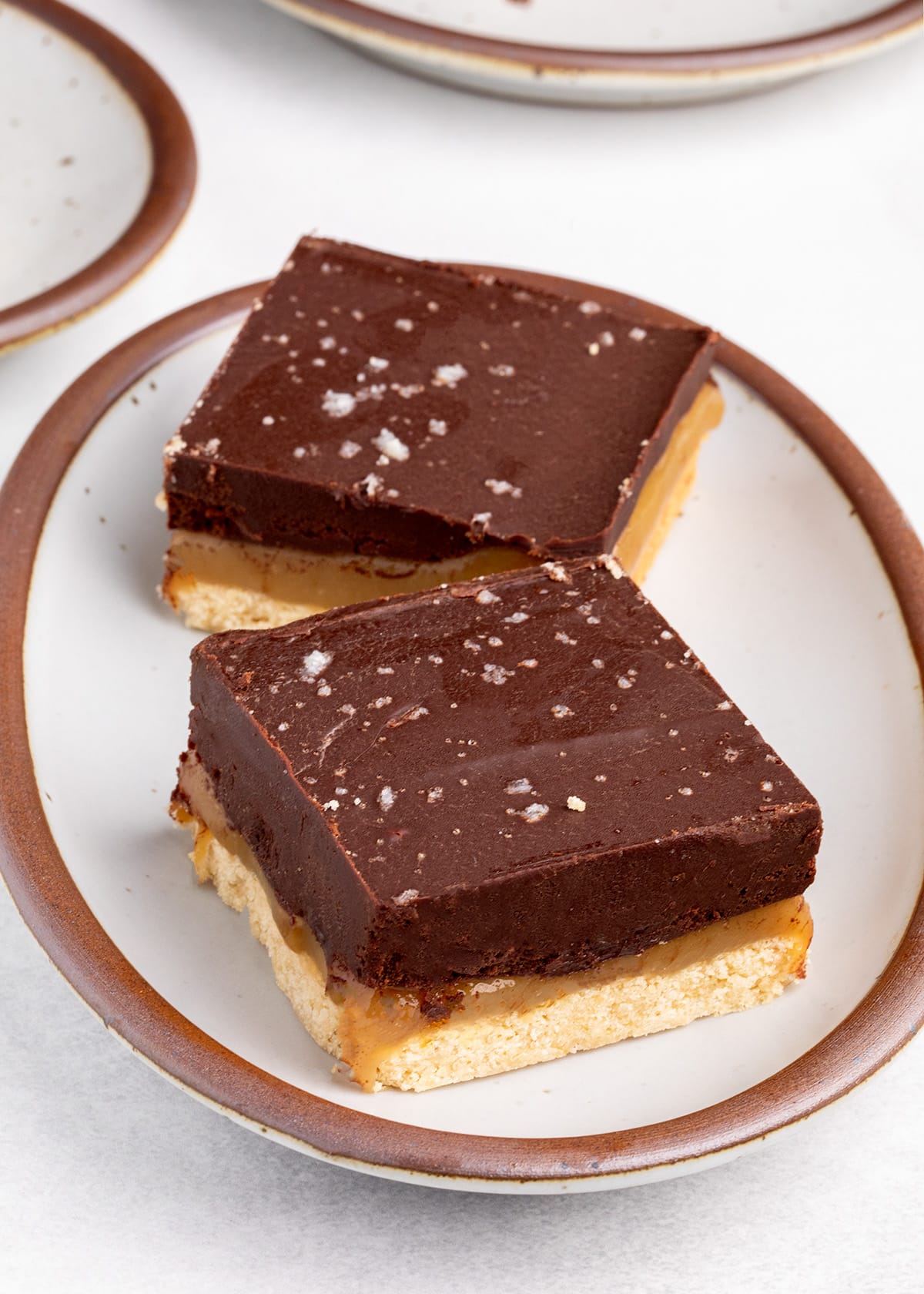
The "Millionaire’s Shortbread"—so named for its perceived richness—is traditionally composed of three distinct layers. Achieving a gluten-free version requires a delicate balance of chemistry and technique.
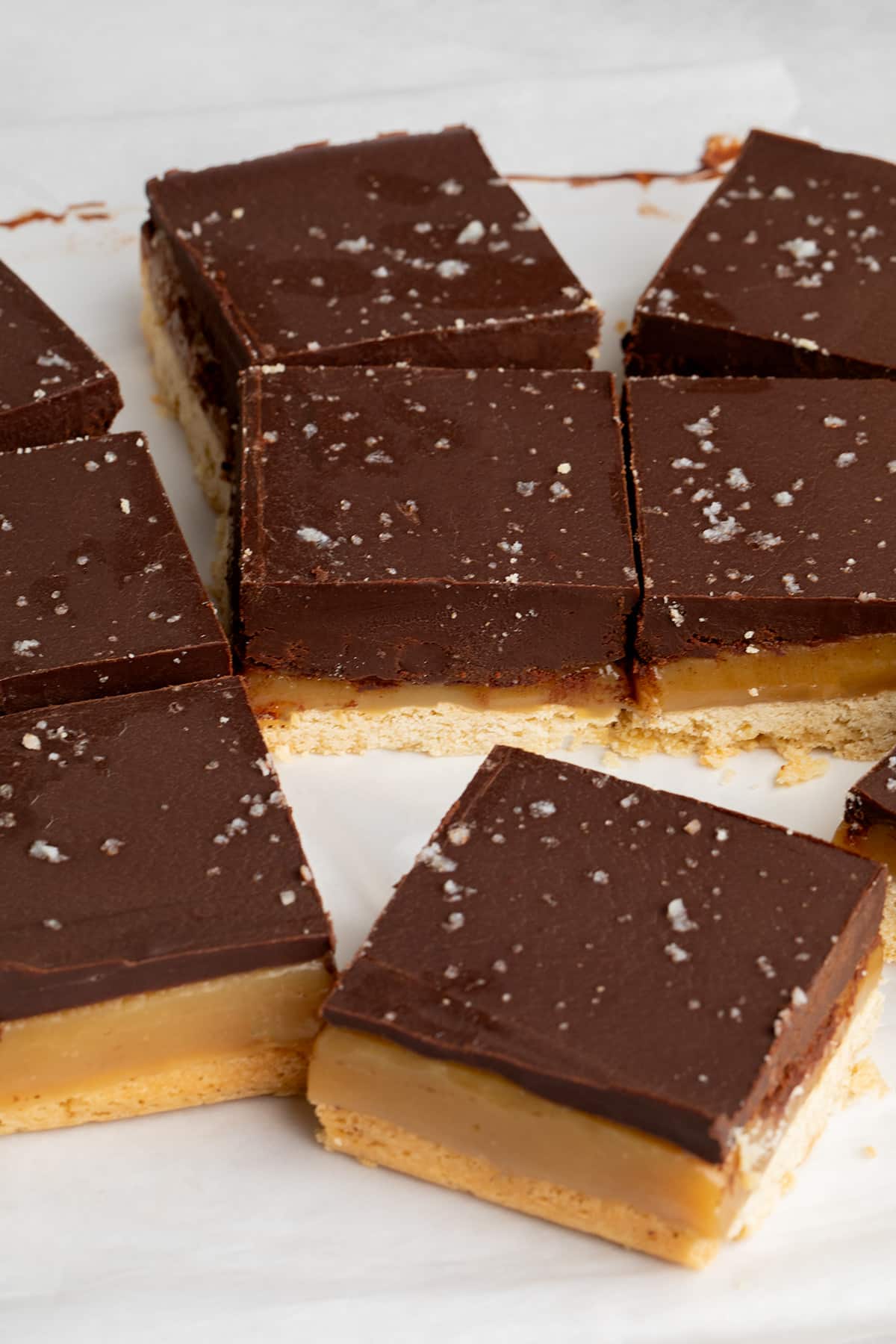
The base layer consists of a tender brown sugar shortbread, which provides a sturdy, crumbly foundation. The middle layer is the pièce de résistance: a chewy, rich caramel that demands precision in temperature to ensure it sets properly without becoming tooth-shatteringly hard. Finally, the top layer is a smooth chocolate ganache, engineered to be firm enough to hold its shape at room temperature while remaining soft enough to yield cleanly under a knife.

Hunn’s approach demystifies the process, specifically addressing the intimidation factor surrounding caramel-making. By leveraging microwave technology to control the cooking process, the recipe removes the guesswork often associated with traditional stovetop methods, offering clear visual and tactile cues for the home baker.
A Chronological Guide to Construction
Creating the perfect bar is a process of disciplined layering. Below is the step-by-step methodology for executing this recipe with professional results.
Phase 1: The Shortbread Foundation
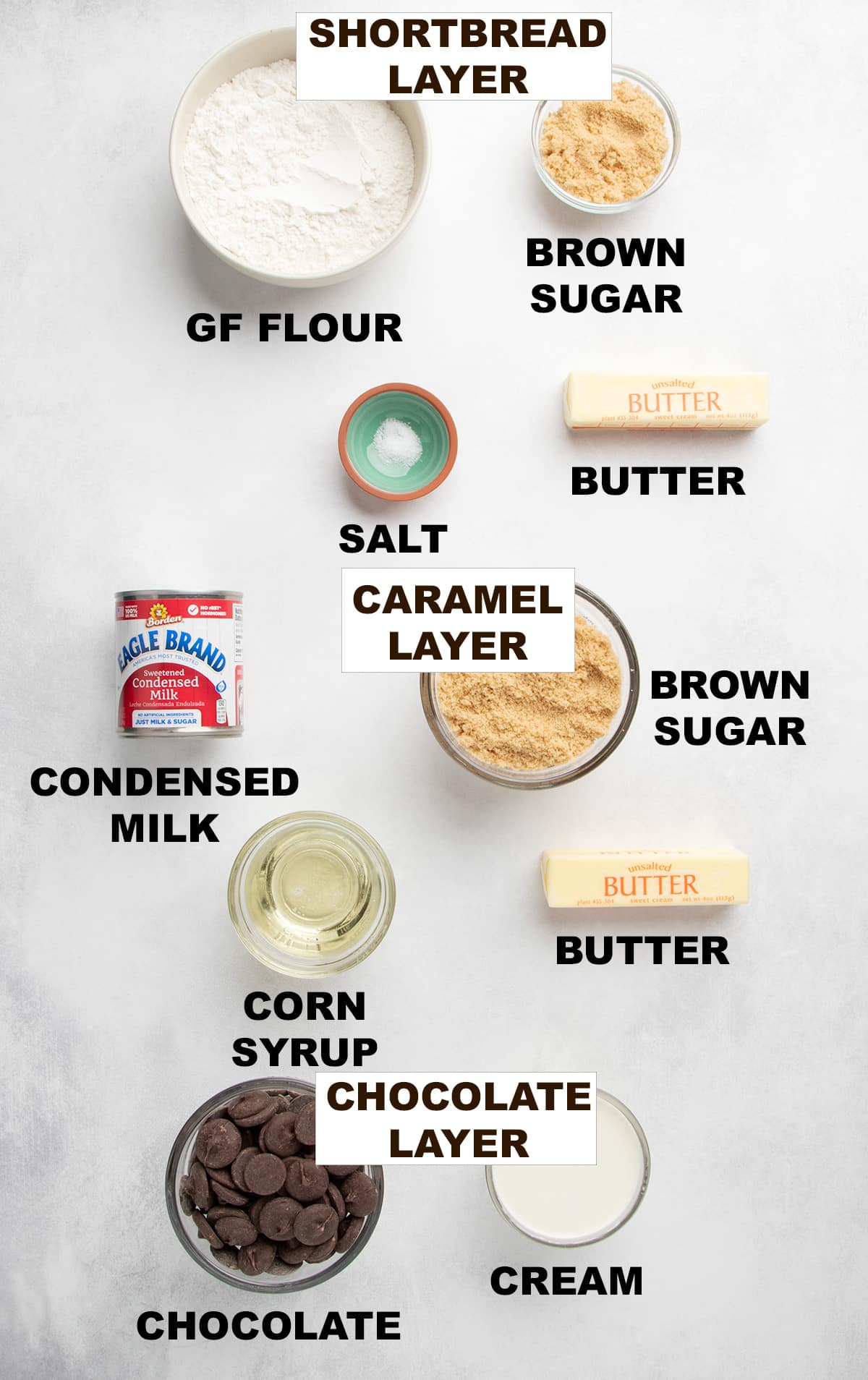
The process begins with the shortbread. Unlike many gluten-free cookies that suffer from a gritty texture, this shortbread relies on the aeration of butter and brown sugar. By beating these ingredients for three minutes, the baker traps air, creating a light, delicate crumb. Once the gluten-free flour blend is incorporated, the dough is pressed into a lined pan. A crucial tip for clean edges is to run an offset spatula around the perimeter of the dough before baking at a moderate 325°F (163°C). The layer is ready when it transitions from shiny to matte.
Phase 2: The Caramel Transformation
The caramel layer is the most technical portion of the build. By combining brown sugar, butter, sweetened condensed milk, and corn syrup in a large microwave-safe bowl, the baker creates a base that is then subjected to high heat. The microwave method allows the sugar to break down as moisture evaporates. The key is to stir the mixture at intervals, ensuring no "hot spots" develop. This process is monitored until the mixture reaches the "soft ball" stage, roughly 235°F (113°C), resulting in a chewy consistency that is neither runny nor brittle.
Phase 3: The Ganache Finish
The final layer requires a delicate touch. Heavy whipping cream is heated to a gentle simmer—just enough to be hot, but not so much that a skin forms. This cream is poured over high-quality chocolate pieces, creating an emulsification that, once cooled, provides a smooth, elegant finish. Sprinkling the top with coarse salt at this stage provides the necessary contrast to cut through the sweetness of the caramel.
Supporting Data and Technical Considerations
For the home baker, success often hinges on the quality of ingredients and the precision of measurements. Hunn emphasizes that "good, for gluten-free" is an unacceptable standard. To that end, the choice of flour is paramount. Recommendations include high-performing blends such as Better Batter Original, Nicole’s Best, or Bob’s Red Mill 1-to-1.
The Role of Shortcuts
One of the most compelling aspects of this recipe is its modularity. The article highlights that bakers can streamline the project without sacrificing quality:
- The Crust: Instead of a from-scratch shortbread, one may crush high-quality gluten-free shortbread cookies and combine them with melted butter to create a no-bake base.
- The Caramel: For those intimidated by the chemistry of homemade caramel, melted store-bought Kraft caramels combined with milk and butter serve as a reliable, time-saving alternative.
Ingredient Integrity
A common pitfall identified in the research is the use of chocolate chips for the ganache. Chocolate chips are formulated with stabilizers designed to prevent melting. In a ganache, where the heat source is limited to the residual warmth of the cream, these stabilizers can prevent a perfectly smooth melt. Using block chocolate or high-quality discs is strongly recommended for a superior mouthfeel.
Official Guidance on Substitutions
Dietary flexibility is a core tenet of the Gluten Free on a Shoestring philosophy. Recognizing that many bakers face secondary allergens, the following guidance is provided:
- Dairy-Free Adaptation: Block-style vegan butter (such as Miyoko’s) and dairy-free condensed milk (Nature’s Charm) are viable, tested substitutes. For the ganache, full-fat coconut cream or dairy-free heavy whipping cream can be swapped at a 1:1 ratio.
- Corn Syrup Alternatives: While corn syrup is vital for preventing sugar crystallization, it can be substituted with glucose syrup or Lyle’s Golden Syrup. Honey is noted as a less effective alternative due to its inability to prevent crystallization, which may result in a "sandy" caramel texture.
Implications: The Future of Home Baking
The publication of this guide serves as a broader commentary on the evolution of gluten-free baking. As ingredient technology improves and techniques become more refined, the gap between traditional professional patisserie and home-kitchen gluten-free projects continues to narrow.
By providing both a "from-scratch" path and a "shortcut" path, the recipe acknowledges the reality of the modern home cook: one who values quality but operates under time constraints. The ability to store these bars for up to a week in the refrigerator, or freeze them for three months, further elevates the recipe’s utility for those who entertain or enjoy planning ahead.
In conclusion, the Millionaire’s Shortbread remains a formidable challenge, but one that is entirely conquerable. By stripping away the mystery of the caramel and providing clear, actionable steps for the shortbread and ganache, Hunn has ensured that this indulgent square can find a place in the gluten-free repertoire. Whether for a holiday gathering or a simple mid-week craving, the recipe stands as a testament to the fact that when technique meets the right ingredients, dietary restrictions need not be a barrier to culinary indulgence.