The Art of the Scoop: Why Homemade Strawberry Cheesecake Ice Cream is Redefining Family Desserts
In the modern culinary landscape, the intersection of health-conscious eating and childhood indulgence has long been a difficult space to navigate. Parents are increasingly seeking ways to provide treats that satisfy a sweet tooth without the overwhelming reliance on processed sugars and artificial additives. Enter the rise of the "minimalist dessert"—a movement that prioritizes high-quality, whole-food ingredients to achieve classic flavors. At the forefront of this trend is a vibrant, creamy, and remarkably simple recipe: Strawberry Cheesecake Ice Cream.
By leveraging the unique properties of freeze-dried fruit and the tang of Greek yogurt, home cooks are discovering that they can replicate the sophisticated profile of a gourmet cheesecake in frozen form, all while keeping preparation time to a matter of minutes.
The Core Concept: Minimalist Indulgence
The fundamental appeal of this dessert lies in its structural simplicity. Unlike traditional custard-based ice creams that require tempering eggs, slow-churning, and hours of monitoring, this recipe relies on a "no-churn" logic. The combination of cream cheese and Greek yogurt provides a stable, velvety base that mimics the mouthfeel of a high-end creamery product.
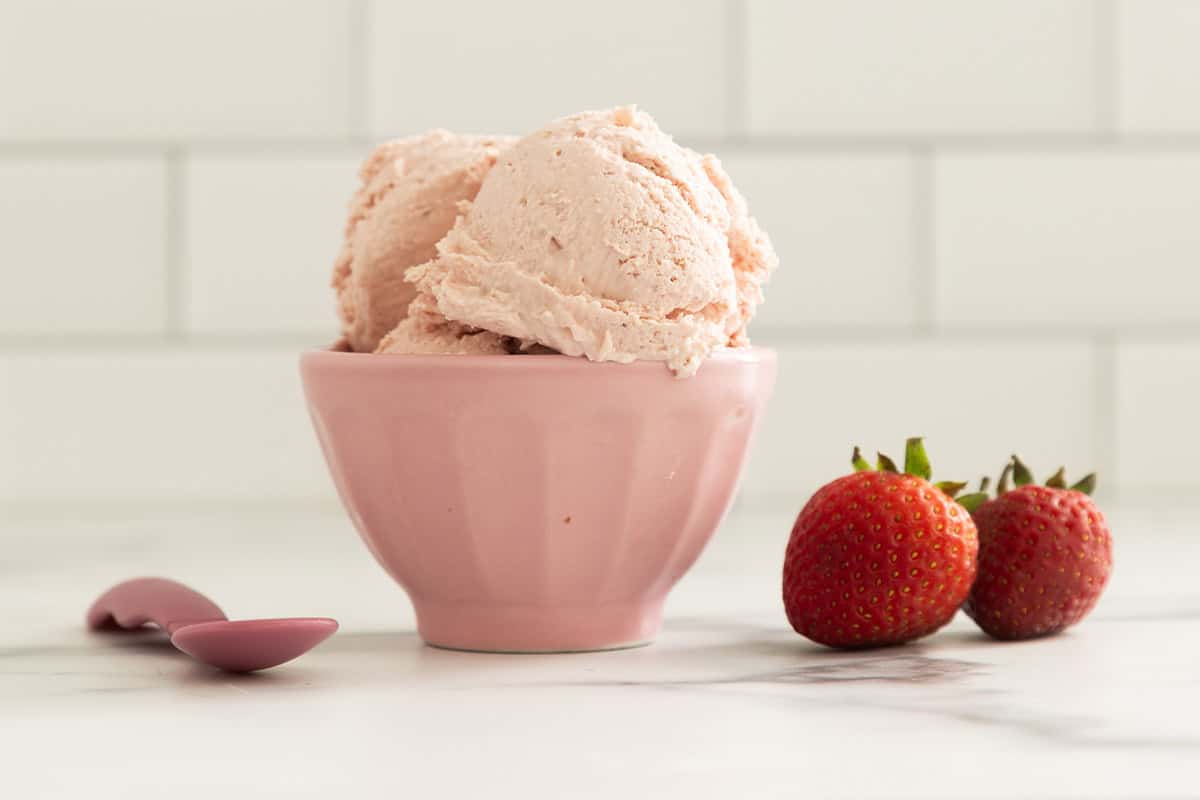
The secret ingredient—freeze-dried strawberries—is a game-changer for home chefs. Unlike fresh strawberries, which contain a high percentage of water that can lead to icy, crystallized textures in the freezer, freeze-dried berries offer a concentrated, intense fruit flavor while maintaining a bone-dry composition. This ensures that the finished ice cream remains smooth and scoopable, avoiding the "frostbite" effect that plagues many amateur frozen desserts.
Chronology: From Concept to Cold Delight
The evolution of this recipe began with the success of two foundational dishes: the classic No-Bake Strawberry Cheesecake and the high-protein Cheesecake Ice Cream. Recognizing a gap in the market for a fusion dessert that was both kid-friendly and nutrient-dense, culinary experts began experimenting with the synthesis of these two profiles.
The Preparation Workflow
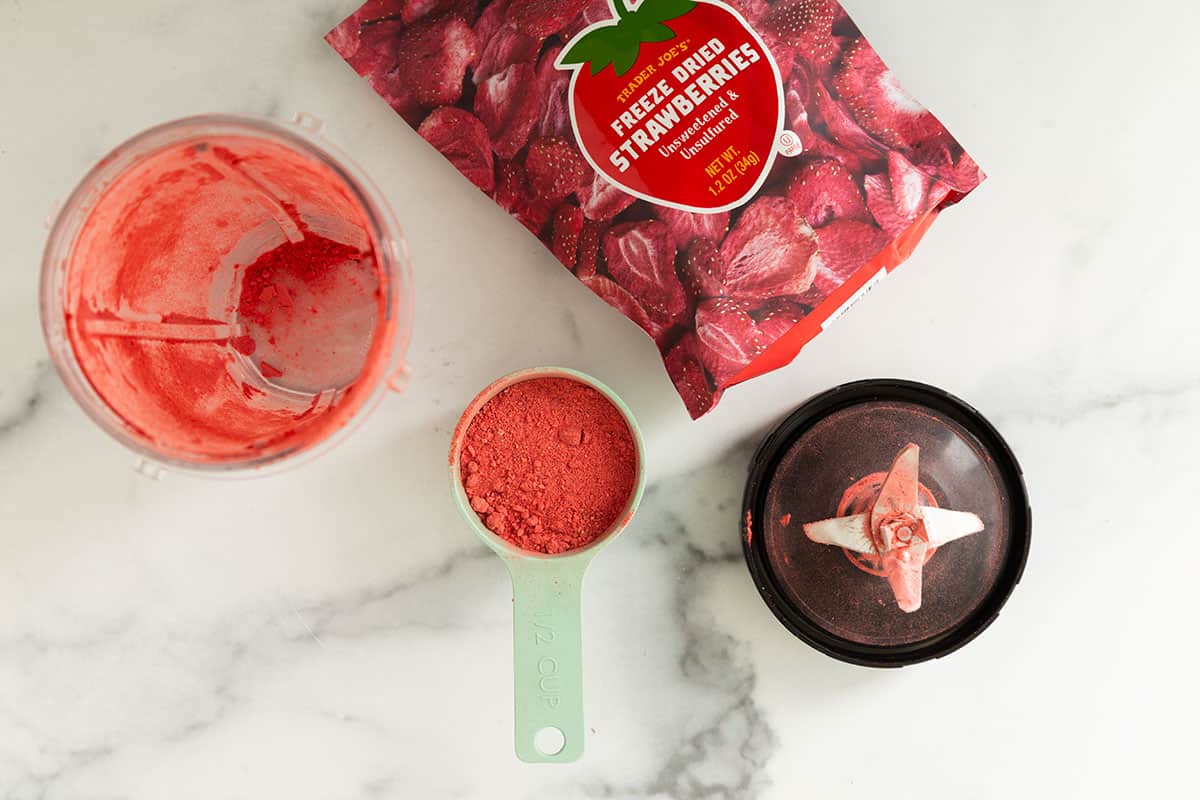
- The Powdering Phase: The process begins by taking freeze-dried strawberries and processing them into a fine, vibrant pink powder. This technique ensures that the strawberry flavor is distributed uniformly throughout the mixture, rather than being relegated to sporadic, icy chunks.
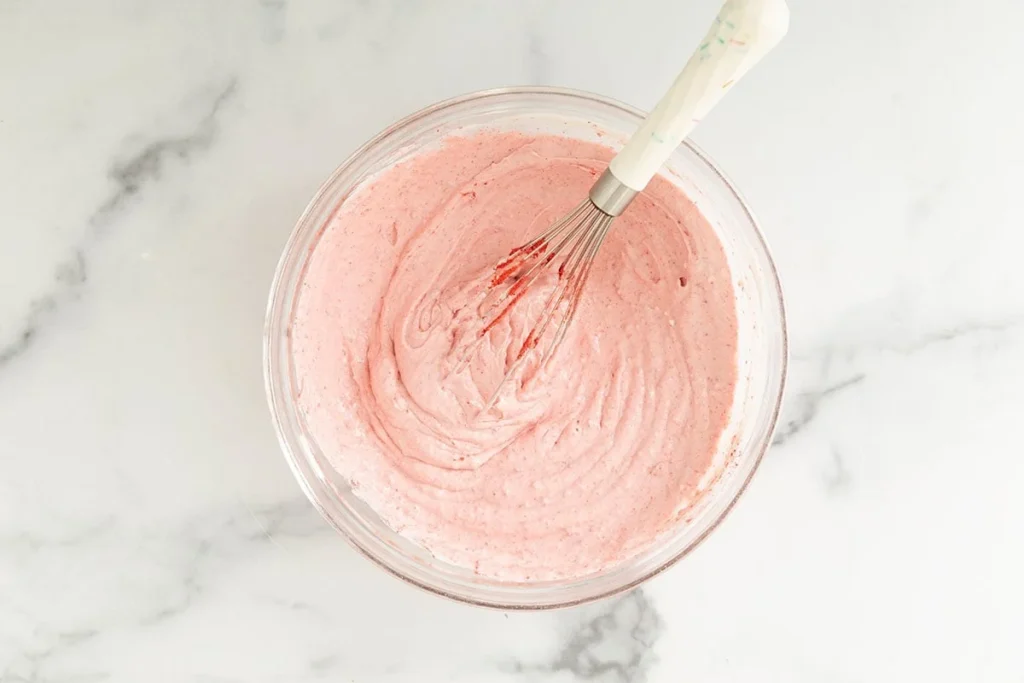
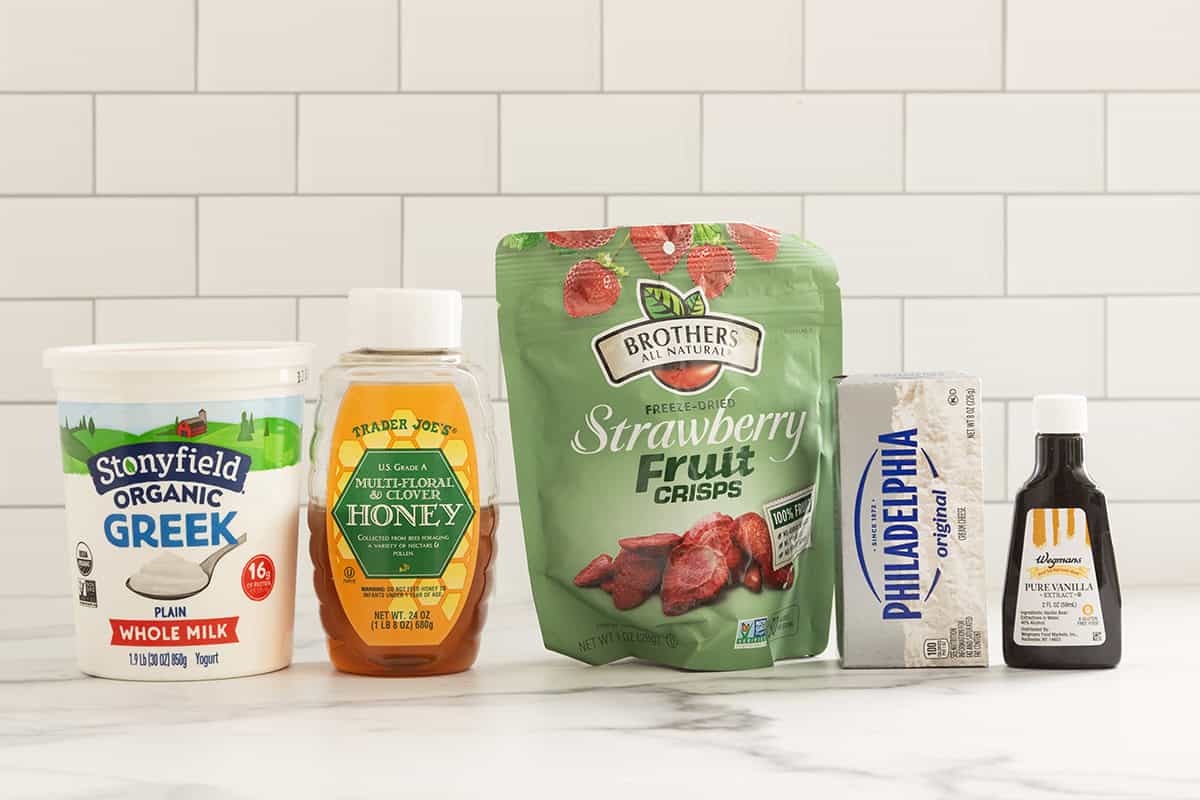
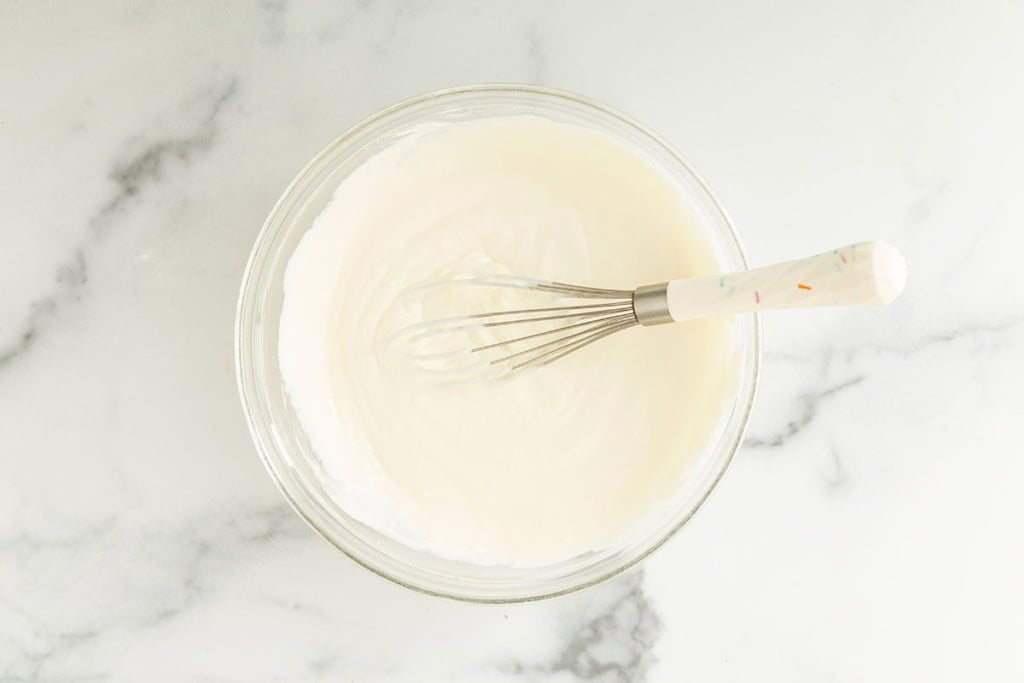
- The Cream Base: The foundation of the ice cream is constructed by whisking together softened cream cheese, Greek yogurt, a touch of vanilla extract, and a sweetener of choice. The acidity of the yogurt cuts through the richness of the cream cheese, creating a balanced, tangy profile.
- The Integration: The strawberry powder is folded into the cream base. At this stage, the mixture undergoes a transformation, taking on a natural, inviting hue that signals the depth of flavor to come.
- The Deep Freeze: The final mixture is transferred to a container and placed in the freezer. Because of the density of the ingredients, the ice cream sets relatively quickly, requiring only a brief tempering period at room temperature before it reaches the perfect serving consistency.
Supporting Data: Nutritional Transparency
One of the most compelling arguments for this homemade alternative is the transparency of its nutritional profile. In an era where store-bought ice creams are often laden with high-fructose corn syrup, stabilizers, and emulsifiers, this recipe provides a clean, recognizable list of ingredients.
A single serving of this Strawberry Cheesecake Ice Cream clocks in at approximately 194 calories. Perhaps more importantly, it offers 6 grams of protein, largely thanks to the inclusion of Greek yogurt. With 13 grams of fat—mostly healthy fats from the dairy base—and a moderate sugar content of 12 grams, it serves as a viable option for parents who want to control the quality of the carbohydrates their children consume. The inclusion of vitamin C from the strawberries adds a small but beneficial nutritional bonus that is rarely found in traditional frozen desserts.
Culinary Implications: The "Fresh Berry" Dilemma
A common point of contention among home cooks is the use of fresh versus freeze-dried fruit. While fresh strawberries are a seasonal staple, they present significant challenges in a home freezer. The high moisture content of fresh berries acts as an antagonist to the smooth texture required for high-quality ice cream.
Culinary professionals often advise that if one insists on using fresh strawberries, they must first undergo a reduction process. By cooking the berries down into a thick sauce, the excess water is evaporated, and the natural sugars are concentrated. This "sauce-first" approach allows for the use of fresh produce without compromising the structural integrity of the final dessert. This technique essentially mimics the process used in professional pastry kitchens, where fruit purees are reduced to intense "pastes" before being folded into dairy bases.
Strategies for Success: Tips from the Experts
To achieve the best possible result, consistency and temperature control are paramount.
- Temperature Management: Ensure the cream cheese is at room temperature before whisking. If it is too cold, it will remain lumpy, preventing the smooth, emulsified texture that defines this dish.
- Sweetener Flexibility: While the base recipe uses a standard sweetener, it is highly adaptable. For those looking to avoid refined sugars, date paste serves as a natural, fiber-rich alternative. It is important, however, to taste the mixture before freezing, as natural sweeteners have varying levels of potency.
- The Serving Ritual: This ice cream is best served after a 20-minute rest on the counter. Because it lacks the industrial emulsifiers used in mass-produced products, it freezes quite firmly. Allowing it to soften slightly releases the aromatics of the vanilla and the bright, sharp notes of the strawberry, significantly improving the sensory experience.
Addressing Dietary Variations
The versatility of this recipe extends into the realm of dietary restrictions. Because the base is primarily dairy-dependent, it can be easily adjusted for those with specific needs. By swapping the cream cheese for a plant-based alternative and using a thick coconut-based yogurt, the recipe can be easily converted into a vegan-friendly version.
Furthermore, the "cheesecake" element can be customized with various mix-ins. While the base recipe focuses on the strawberry-cream profile, some enthusiasts suggest adding crushed graham crackers or almond flour crumbles just before freezing. This adds a crucial textural contrast—a "crunch" factor—that completes the cheesecake experience.
The Future of Family Desserts
The success of this recipe is indicative of a broader shift in home cooking: the "democratization of gourmet." With simple, accessible ingredients, parents are no longer beholden to the nutritional compromises of the grocery store freezer aisle. This Strawberry Cheesecake Ice Cream is not merely a dessert; it is a lesson in culinary science. It teaches the importance of moisture control, the balance of acidity, and the joy of creating something substantial from simple, whole components.
As families continue to spend more time in the kitchen together, recipes that are both "fail-safe" and high-reward will continue to gain traction. By removing the intimidation factor of traditional ice cream making, this recipe invites children into the process, turning a simple kitchen activity into a memorable culinary lesson. Whether topped with a homemade strawberry reduction for an "all out" experience or served plain in a simple bowl, it stands as a testament to the fact that, when it comes to dessert, less is almost always more.