The Silent Threat: Pesticides and Alzheimer’s Risk – A Call to Re-evaluate Environmental Triggers
In a startling revelation that challenges conventional wisdom on Alzheimer’s disease, groundbreaking research indicates that exposure to certain pesticide breakdown products may elevate the risk of developing the debilitating neurological condition to a degree comparable to carrying the APOE e4 gene, often dubbed the "Alzheimer’s gene." This finding thrusts environmental factors into the spotlight, urging a critical re-examination of how daily exposures might be contributing to one of the most pressing public health crises of our time.
For decades, the discourse around Alzheimer’s disease has largely revolved around genetic predisposition, with the APOE e4 allele being a prominent, if not singular, focus for many. While a growing list of susceptibility genes has been identified, these genetic markers collectively account for less than half of all Alzheimer’s cases. This significant gap has long hinted at the powerful, yet often overlooked, role of non-genetic factors. The "single most compelling" piece of data underscoring this environmental influence lies in the study of identical twins: if one twin develops Alzheimer’s, the other, despite sharing the exact same genetic blueprint, usually does not. This profound observation serves as a powerful testament to the idea that our environment, lifestyle, and accumulated exposures hold immense sway over our neurological destiny.
The recent focus has shifted to a class of persistent organic pollutants (POPs), specifically chlorinated pesticides, and their long-term health ramifications. Among these, DDE – a persistent metabolite of the infamous pesticide DDT – has emerged as a particularly concerning culprit. While the U.S. Environmental Protection Agency (EPA) has classified DDE, alongside other chlorinated pesticides, as probable human carcinogens, emerging studies suggest its insidious effects extend far beyond cancer, potentially impacting metabolic health and cognitive function. Indeed, some research initially associating these pesticide levels with increased "other-cause mortality" speculated a link to conditions like diabetes or dementia, a hypothesis now gaining substantial scientific traction, particularly concerning dementia.
Beyond Genes: The Environmental Imperative in Alzheimer’s
The narrative surrounding Alzheimer’s has historically placed a heavy emphasis on genetic predispositions, particularly the APOE e4 allele. While the presence of this gene variant does indeed increase an individual’s lifetime risk of developing Alzheimer’s, the growing body of evidence suggests that our genetic lottery is far from the sole determinant of our cognitive future. This nuanced understanding necessitates a broader perspective, one that actively considers the intricate interplay between our inherent biology and the external world we inhabit.
The Enigma of Identical Twins
Perhaps the most potent illustration of this environmental imperative comes from the realm of twin studies. Identical twins, by definition, share virtually 100% of their genetic material. If Alzheimer’s were purely a genetic disease, one would logically expect a near-perfect concordance rate – meaning if one twin developed the condition, the other would invariably follow suit. However, studies consistently show that this is not the case. While the concordance rate for Alzheimer’s in identical twins is higher than in fraternal twins or the general population, it is far from 100%. This significant discordance provides compelling evidence that factors beyond genetics – environmental exposures, lifestyle choices, and other epigenetic influences – play a critical role in triggering or preventing the disease. It signals a powerful message of hope and agency: if our genes are not our absolute destiny, then there is immense potential for prevention and intervention through modifying our environment and habits.
A Toxic Legacy: The Persistent Shadow of DDT and DDE
The story of DDE’s link to Alzheimer’s is deeply intertwined with the history of its parent compound, DDT, a pesticide whose legacy continues to haunt public health decades after its ban.

From Agricultural Staple to Environmental Villain
DDT (dichlorodiphenyltrichloroethane) was once hailed as a miracle chemical. Introduced in the 1940s, it revolutionized pest control, significantly boosting agricultural yields and playing a pivotal role in combating insect-borne diseases like malaria and typhus. Its widespread use, particularly in the United States, saw production peak at an astonishing 180 million pounds per year through the early 1970s. However, this triumph came at a steep ecological cost. Rachel Carson’s seminal 1962 book, "Silent Spring," meticulously documented DDT’s devastating impact on wildlife, especially birds, by accumulating in the food chain and disrupting reproductive processes. This public outcry, coupled with growing scientific evidence of its environmental persistence and potential human health risks, led to its ban in the U.S. in 1972. While many nations followed suit, DDT continued to be used in some parts of the world, particularly for malaria control, due to its effectiveness and affordability.
DDE: A Persistent Metabolite in Our Bloodstreams
The problem, however, didn’t disappear with the ban. DDT is a highly stable compound, and its primary breakdown product, DDE (dichlorodiphenyldichloroethylene), is even more recalcitrant. Both DDT and DDE are lipophilic, meaning they readily dissolve in fats and oils, allowing them to accumulate in the fatty tissues of living organisms. This property, combined with their extreme resistance to degradation in the environment, means they persist for decades in soil, water, and ultimately, the food chain.
Alarmingly, DDE remains a pervasive contaminant in the bloodstreams of more than 90% of Americans, despite the ban on DDT over half a century ago. Among the various banned pesticides and pollutants still detected, DDE is consistently found at the highest levels. This widespread presence underscores the enduring nature of these legacy pollutants and highlights the continuous, albeit often unwitting, exposure experienced by the general population. The omnipresence of DDE is a stark reminder that environmental decisions of the past continue to shape our present and future health landscapes.
Unraveling the Link: Scientific Evidence Mounts
The scientific community has increasingly turned its attention to deciphering the specific mechanisms and epidemiological associations between DDE exposure and neurological disorders, particularly Alzheimer’s disease. The evidence, though complex, is steadily accumulating.
Elevated DDE Levels in Alzheimer’s Patients
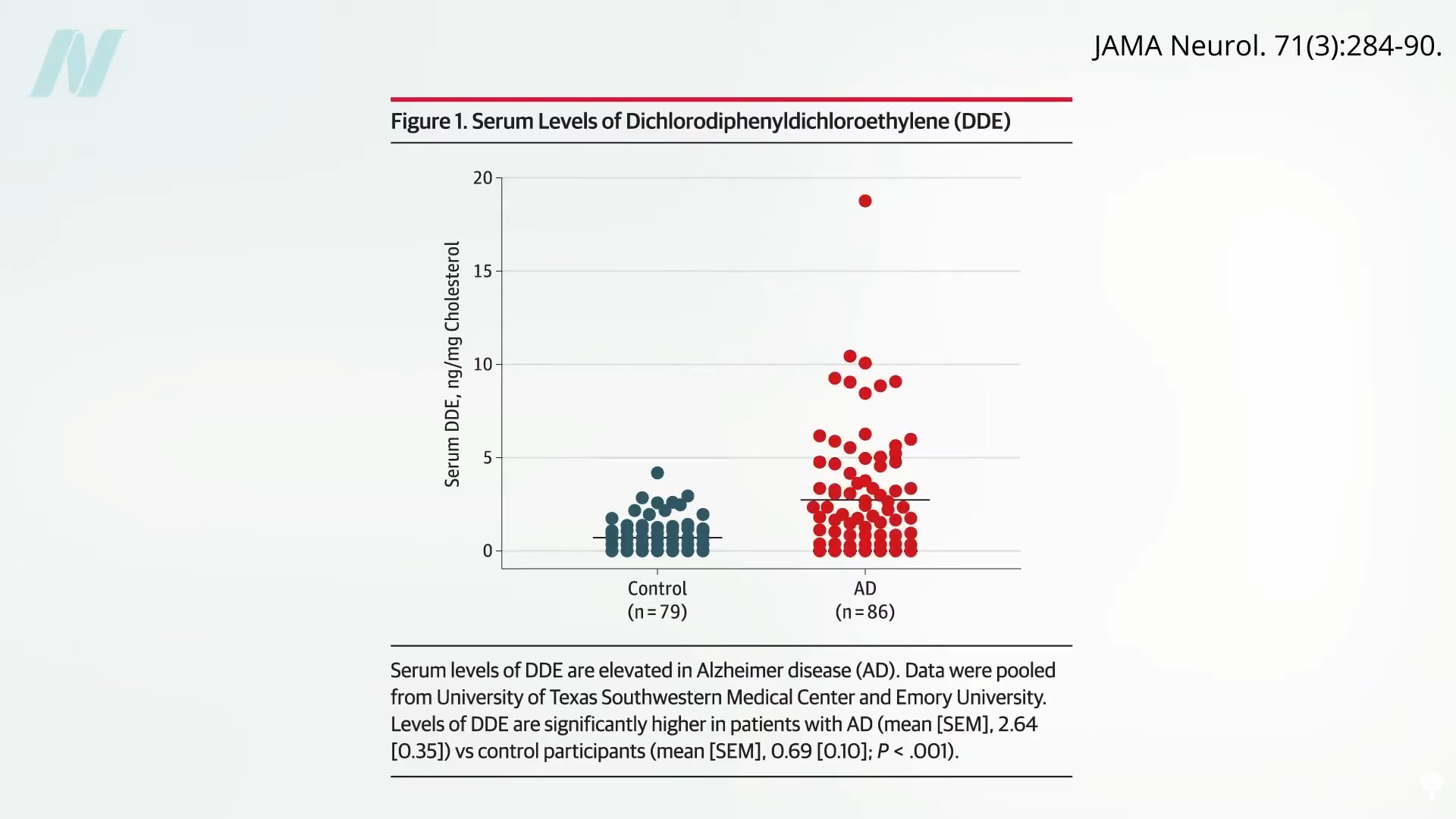
A pivotal study conducted by a research team at Rutgers University provided compelling evidence of this connection. The researchers meticulously analyzed blood samples, finding significantly higher levels of DDE in patients diagnosed with Alzheimer’s disease compared to age-matched control subjects. This robust association indicated that individuals with the highest blood levels of DDE were approximately four times more likely to have dementia stemming from Alzheimer’s. This finding is particularly concerning given the pervasive nature of DDE in the general population. Autopsy studies further support the relevance of these blood measurements, demonstrating that blood levels of DDE serve as a reliable proxy for the levels found in brain tissue, suggesting direct brain exposure. The image below illustrates the stark difference in DDE concentrations between Alzheimer’s patients and controls, emphasizing the strong correlational link.
(Image: Graphic showing higher DDE levels in Alzheimer’s patients vs. controls, similar to the original content’s "1-22.png")
The Molecular Mechanism: Amyloid Buildup
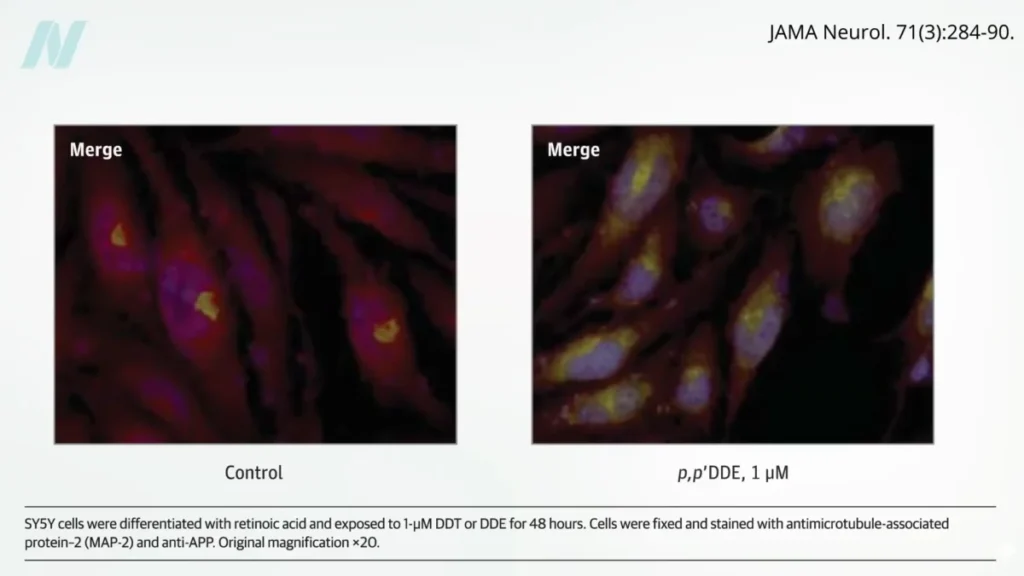
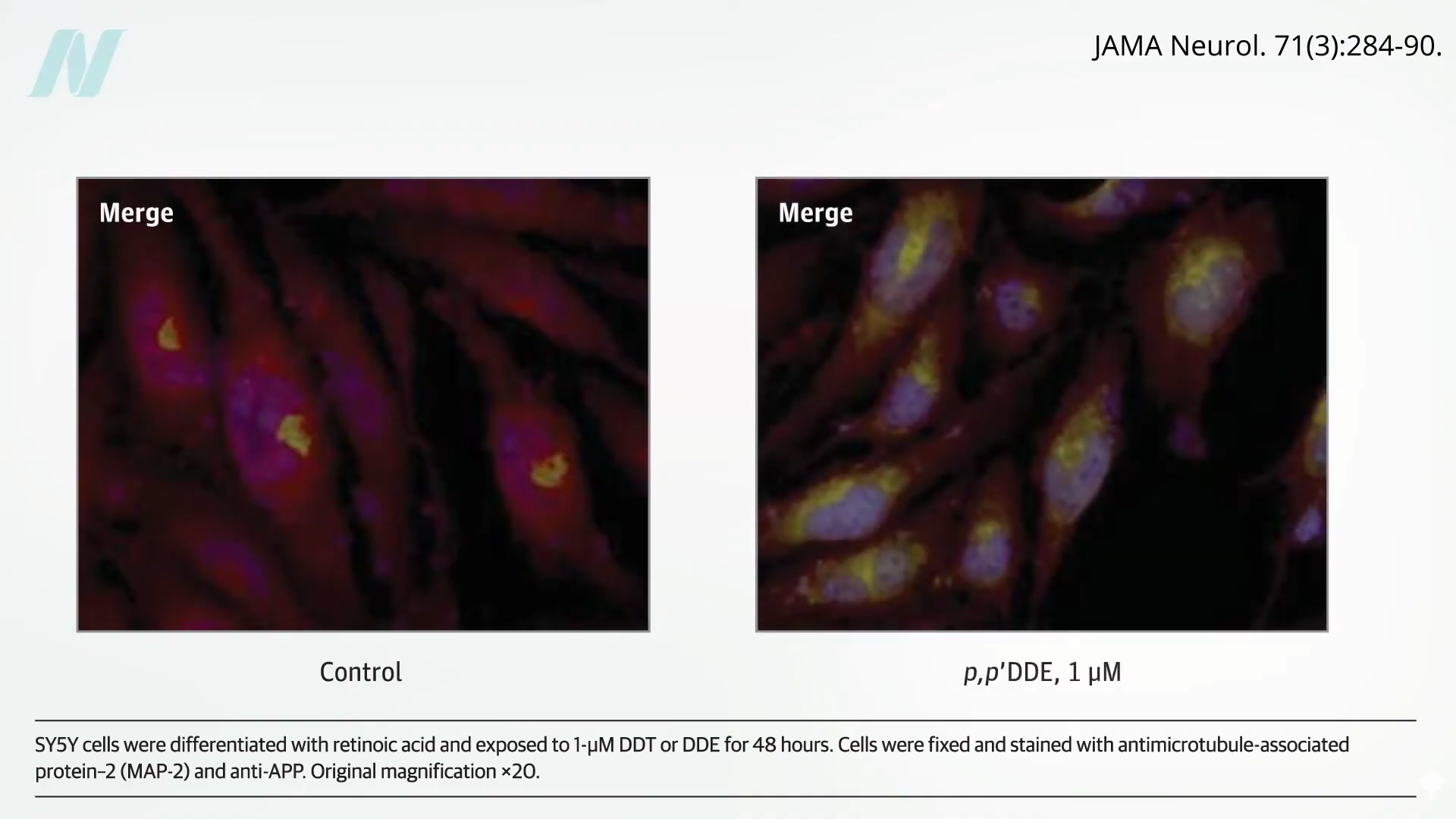
Beyond epidemiological correlation, researchers have begun to uncover plausible biological mechanisms through which DDE might contribute to Alzheimer’s pathology. In laboratory experiments utilizing human brain cells grown in petri dishes, DDE was observed to significantly increase the levels of amyloid precursor protein (APP). APP is a crucial protein that, when abnormally processed, leads to the formation of amyloid-beta peptides. These peptides are the primary components of the amyloid plaques – sticky, insoluble protein fragments – that accumulate in the brains of Alzheimer’s patients, disrupting neuronal function and ultimately leading to cognitive decline.
The ability of DDE to directly induce an increase in APP levels in brain cells, even at concentrations found in highly exposed individuals within the general population, provides a critical mechanistic link. It suggests that DDE isn’t just a bystander; it actively participates in a key pathological pathway of Alzheimer’s disease. The accompanying image visually represents the increase in these sticky proteins after DDE introduction, offering a tangible glimpse into the cellular damage.
(Image: Graphic showing increased amyloid protein levels after DDE exposure in vitro, similar to the original content’s "1-48.png")
Acute Exposure and Long-Term Cognitive Decline
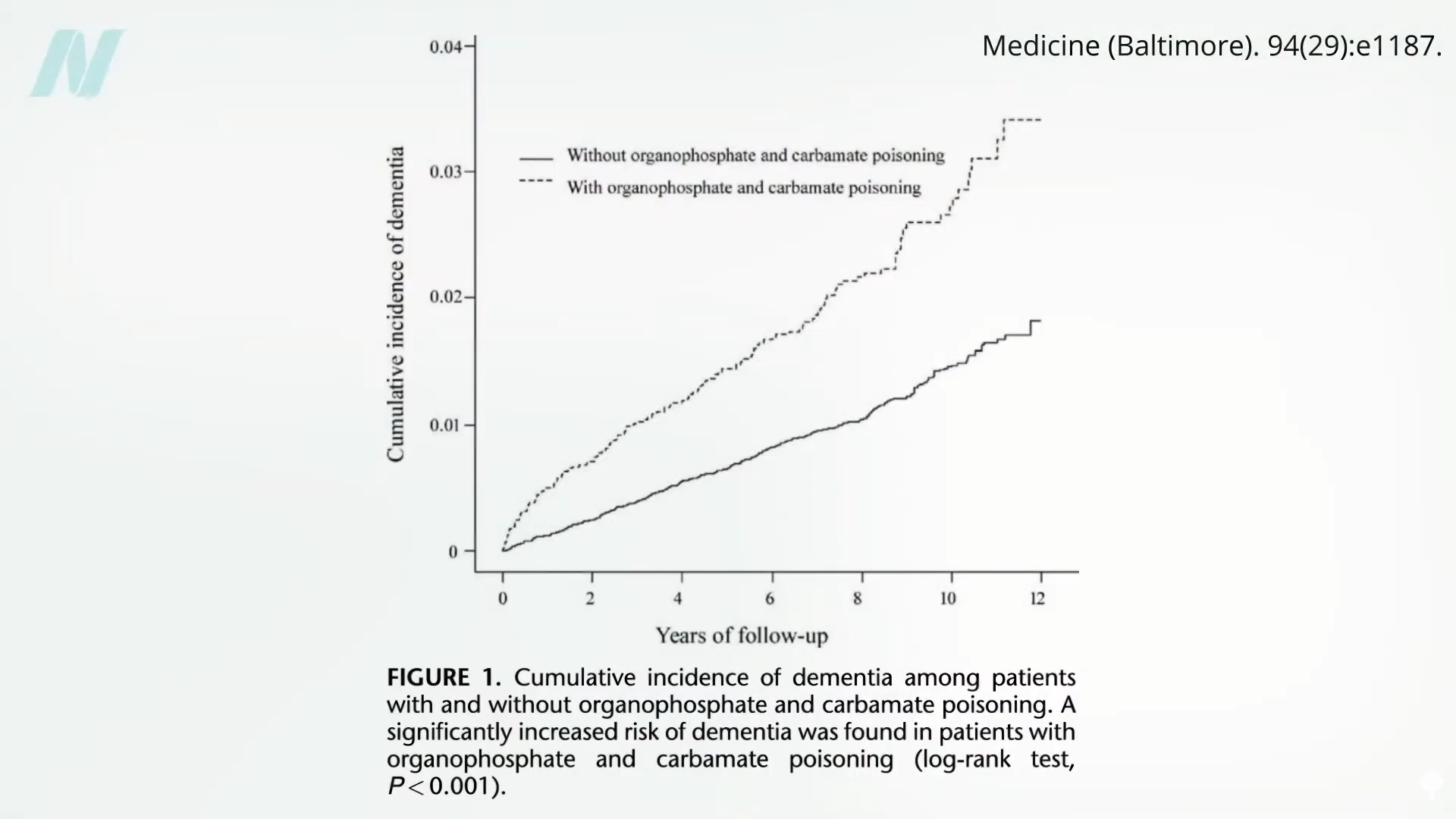
The findings from DDE studies are not isolated. Broader research on pesticide exposure reinforces the link to cognitive impairment. Studies have shown that individuals who have experienced acute pesticide poisoning – often farmers or agricultural workers – face approximately double the risk of developing dementia later in life. This direct evidence of severe, acute exposure translating into long-term neurological vulnerability adds weight to the argument that even chronic, low-level exposure to persistent pesticides like DDE could contribute to neurodegenerative processes over time. The graphic below illustrates this doubled risk, highlighting the systemic danger posed by these chemicals.
(Image: Graphic illustrating doubled dementia risk after acute pesticide poisoning, similar to the original content’s "2-01.png")
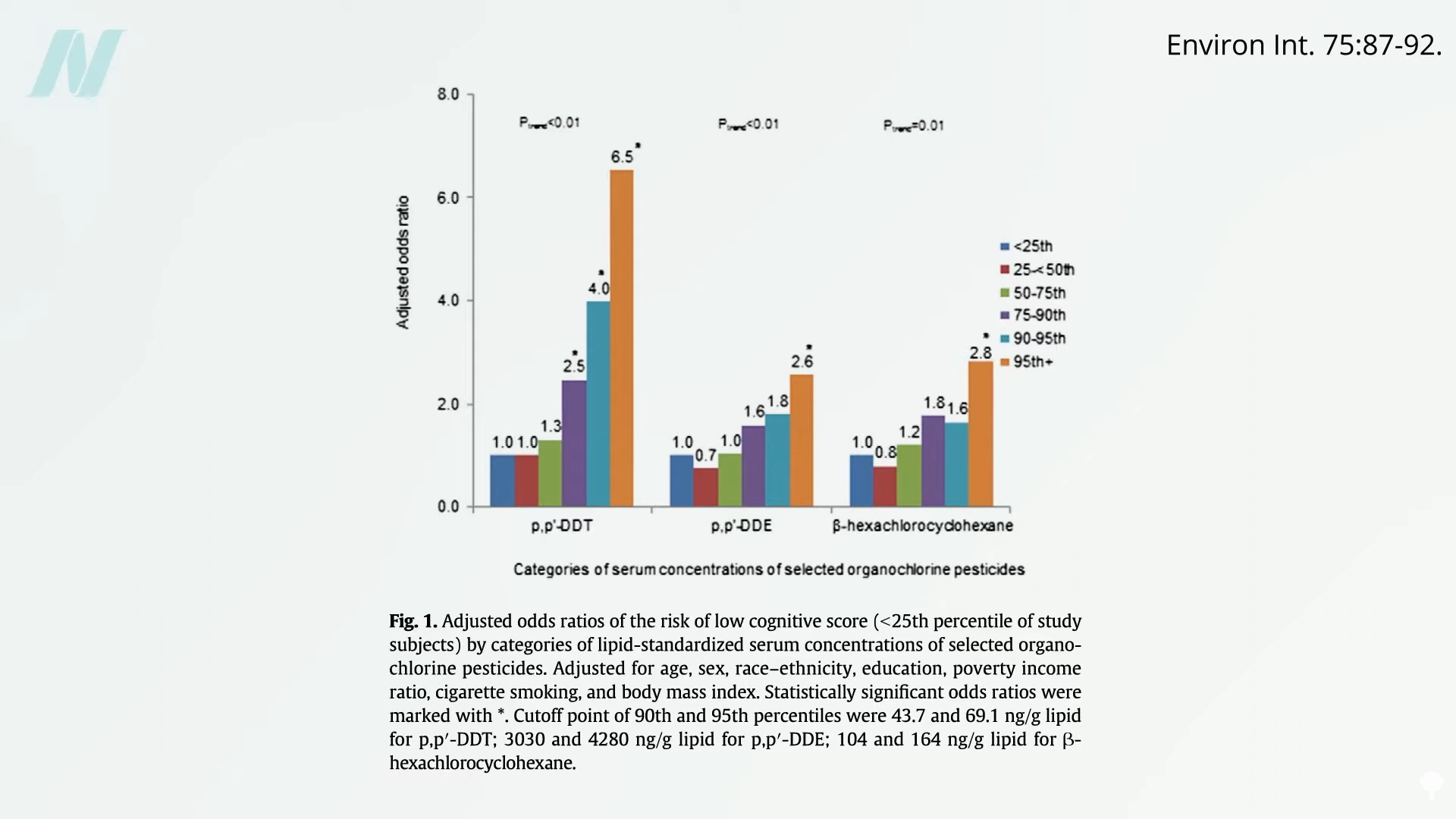
Furthermore, among U.S. elders, studies have consistently associated both DDT and its breakdown product, DDE, with an increased risk of general cognitive decline. This means that even in the absence of a full Alzheimer’s diagnosis, exposure to these legacy pesticides can contribute to a measurable deterioration in memory, executive function, and overall cognitive abilities. This effect on cognitive decline underscores the pervasive and insidious impact of these chemicals on brain health across a spectrum of neurological outcomes. The visual data below further emphasizes this association.
(Image: Graphic showing DDT/DDE association with cognitive decline in elders, similar to the original content’s "2-08.png")
The Unseen Pathway: Bioaccumulation in Our Food
Understanding how DDE continues to infiltrate our bodies, despite the decades-old ban on DDT, is crucial for developing effective preventive strategies. The primary route of ongoing exposure is through our food supply, a consequence of the phenomenon known as bioaccumulation and biomagnification.
The Food Chain’s Unwanted Inheritance
When DDT was widely sprayed, it permeated soils and waterways. While DDT itself breaks down, DDE persists, remaining embedded in the environment. Small organisms ingest these contaminated particles, and the DDE, being fat-soluble, accumulates in their fatty tissues. As larger animals consume these smaller organisms, the concentration of DDE magnifies up the food chain. This process, known as biomagnification, means that animals higher up the food chain, particularly those consumed by humans, tend to accumulate significantly higher levels of these persistent pollutants.
This is precisely why studies consistently show that the most contaminated foods are animal products: meat, fish, and dairy. These foods represent the culmination of DDE’s journey up the food chain. When food samples are collected from supermarkets across the United States and analyzed for persistent organic pollutants like dioxins and PCBs (which behave similarly to DDE), the disparity is striking. The levels of these toxins are found to be 5 to 10 times higher in meat, eggs, fish, and dairy products compared to all plant foods combined. The image below provides a visual comparison of these contamination levels across different food categories.
(Image: Graphic showing dioxin and PCB levels in various food categories, similar to the original content’s "3-20.png")
This phenomenon explains why dietary choices play such a critical role in personal exposure. A previous study highlighted this stark difference, noting that levels of DDT, DDE, and other banned pesticides and pollutants were significantly lower in the breast milk of a vegetarian mother compared to her non-vegetarian sister. The most dramatic difference was observed for DDE, which was four times lower in the vegetarian sister, underscoring the protective effect of a plant-centric diet. Furthermore, common cooking methods offer little protection; pollutants like DDE are not destroyed by heat and may even become more concentrated as water and fat are rendered away during the cooking process.
Official Responses and Regulatory Challenges
The pervasive presence of DDE and its demonstrated link to serious health outcomes, including a heightened risk of Alzheimer’s disease, presents a complex challenge for public health officials and regulatory bodies.
A Ban That Lingers
The U.S. EPA’s classification of chlorinated pesticides like DDE as probable human carcinogens was a critical step, leading to the ban of DDT. However, the regulatory response to such persistent organic pollutants (POPs) is often a reactive one, focusing on banning chemicals once their harm is undeniable. The lingering impact of legacy pollutants like DDE, which persist in the environment and human bodies for decades, poses a unique regulatory dilemma. While the direct spraying of DDT ceased, the problem did not vanish. There is no simple "off switch" for chemicals that have become so deeply embedded in our ecosystems and food chains.
Current regulatory frameworks often struggle with addressing the long-term, low-level chronic exposures that define the DDE challenge. Monitoring levels in the general population, understanding the cumulative effect of various POPs, and implementing strategies for environmental remediation are monumental tasks, often complicated by economic considerations and the sheer scale of global contamination.
The Global Perspective on Persistent Organic Pollutants
The issue of DDE is not confined to the United States. DDT was used globally, and its metabolites are found in populations worldwide. International treaties, such as the Stockholm Convention on Persistent Organic Pollutants, aim to eliminate or restrict the production and use of POPs, including DDT (though with specific exemptions for disease vector control). While these conventions are vital for preventing future contamination, they also highlight the global scale of the legacy problem. The challenge extends beyond banning; it requires sustained efforts in environmental monitoring, public education, and supporting research into detoxification pathways and mitigation strategies. The official stance is one of vigilance and control, yet the inherent persistence of these chemicals means that the health implications will continue to be felt for generations.
Implications for Public Health and Personal Action
The revelation that DDE can increase Alzheimer’s risk to the same extent as the APOE e4 gene carries profound implications, reshaping our understanding of the disease and empowering individuals with new avenues for prevention.
Empowering Individual Choices
Given that the primary route of DDE exposure is through the food supply, and specifically through animal products where these toxins bioaccumulate, dietary choices emerge as a powerful tool for personal risk reduction. Transitioning towards a more plant-based diet, rich in fruits, vegetables, whole grains, and legumes, can significantly reduce an individual’s intake of DDE and other persistent organic pollutants. The evidence from studies showing dramatically lower DDE levels in vegetarians compared to non-vegetarians provides a clear actionable path. This dietary shift not only helps minimize exposure to legacy pesticides but also aligns with numerous other recommendations for brain health, including reducing inflammation, improving cardiovascular health, and providing a wealth of antioxidants and phytonutrients.
Beyond diet, advocating for stricter environmental regulations and supporting initiatives aimed at remediating contaminated sites, though challenging, are crucial for future generations. Understanding where our food comes from and choosing organic options, where feasible, can also play a role in reducing exposure to currently used pesticides, although the DDE issue primarily concerns past use.
A Call for Broader Environmental Stewardship
The DDE-Alzheimer’s link serves as a stark reminder of the interconnectedness of environmental health and human health. It underscores the long-term, unforeseen consequences of introducing persistent chemicals into our ecosystems. This understanding necessitates a renewed commitment to environmental stewardship, promoting sustainable agricultural practices, investing in green chemistry, and enhancing global cooperation to manage and mitigate the risks posed by both legacy and emerging environmental contaminants.
For public health bodies, these findings should prompt expanded monitoring of environmental toxins and their health impacts, particularly on neurological disorders. There is also a need for greater public awareness campaigns, educating individuals about dietary strategies to reduce exposure to these persistent pollutants. This scientific revelation offers not just a warning, but also a blueprint for proactive health management and a more sustainable future.
Conclusion: Rewriting Our Future
The journey from the widespread use of DDT in the mid-20th century to the current understanding of its metabolite DDE’s potential role in Alzheimer’s disease is a compelling narrative of scientific discovery and environmental awakening. It powerfully demonstrates that while genetics may load the gun, environmental factors often pull the trigger.
The striking equivalence in risk between DDE exposure and carrying the APOE e4 gene is a call to action. It liberates individuals from a purely deterministic genetic outlook on Alzheimer’s and instead places significant power in their hands through lifestyle choices, particularly dietary ones. By consciously reducing our intake of foods higher up the food chain, we can actively lower our body burden of persistent environmental toxins like DDE, potentially mitigating a significant, yet often overlooked, risk factor for cognitive decline.
As we continue to unravel the complex etiology of Alzheimer’s, the inclusion of environmental factors like pesticide exposure is no longer an afterthought but a central piece of the puzzle. This holistic perspective offers new hope and renewed urgency in the collective effort to prevent and ultimately conquer this devastating disease, empowering individuals and societies to rewrite their cognitive future through informed action and diligent environmental stewardship.