The Convergence of Land and Sea: How "Merroir" is Defining the Chesapeake Bay’s Future
By Cheron Cowan | September 2, 2026
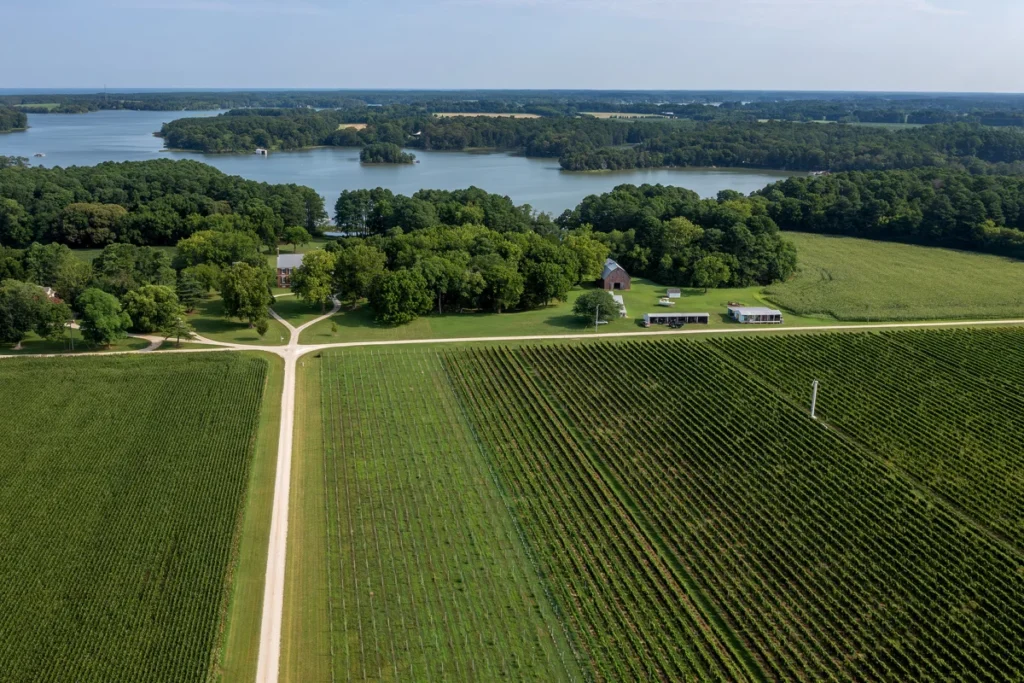
On a crisp November evening, as the sun dips below the horizon of Virginia’s Eastern Shore, the atmosphere at Chatham Vineyards is one of quiet, refined indulgence. Against the backdrop of the Chesapeake Bay—its waters shimmering in the fading light—a crowd gathers to celebrate a sensory tradition that has quietly taken root over the last two decades. Here, the scent of brine mingles with the aromatic promise of freshly poured Chardonnay, and the rhythmic rustle of wind through trellised grapevines provides a natural soundtrack to the evening.
This is the "Winter Wine and Oyster Weekend," a collaborative endeavor that serves as a profound showcase of merroir. While wine enthusiasts have long been familiar with terroir—the environmental factors that give wine its unique character—the concept of merroir (a term coined in the early 2000s) suggests that the same principle applies to the sea. Just as soil, climate, and topography define a grape, the currents, salinity, and mineral content of the Chesapeake Bay define the bivalves that thrive within its depths.
The Science of Symbiosis: Understanding Merroir
At its core, merroir is the water-bound equivalent of terroir. It posits that marine elements—water temperature, depth, tidal flow, and the surrounding ecosystem—imprint a distinct flavor profile onto marine life. In the Chesapeake Bay, the largest estuary in the United States, this relationship is particularly potent.
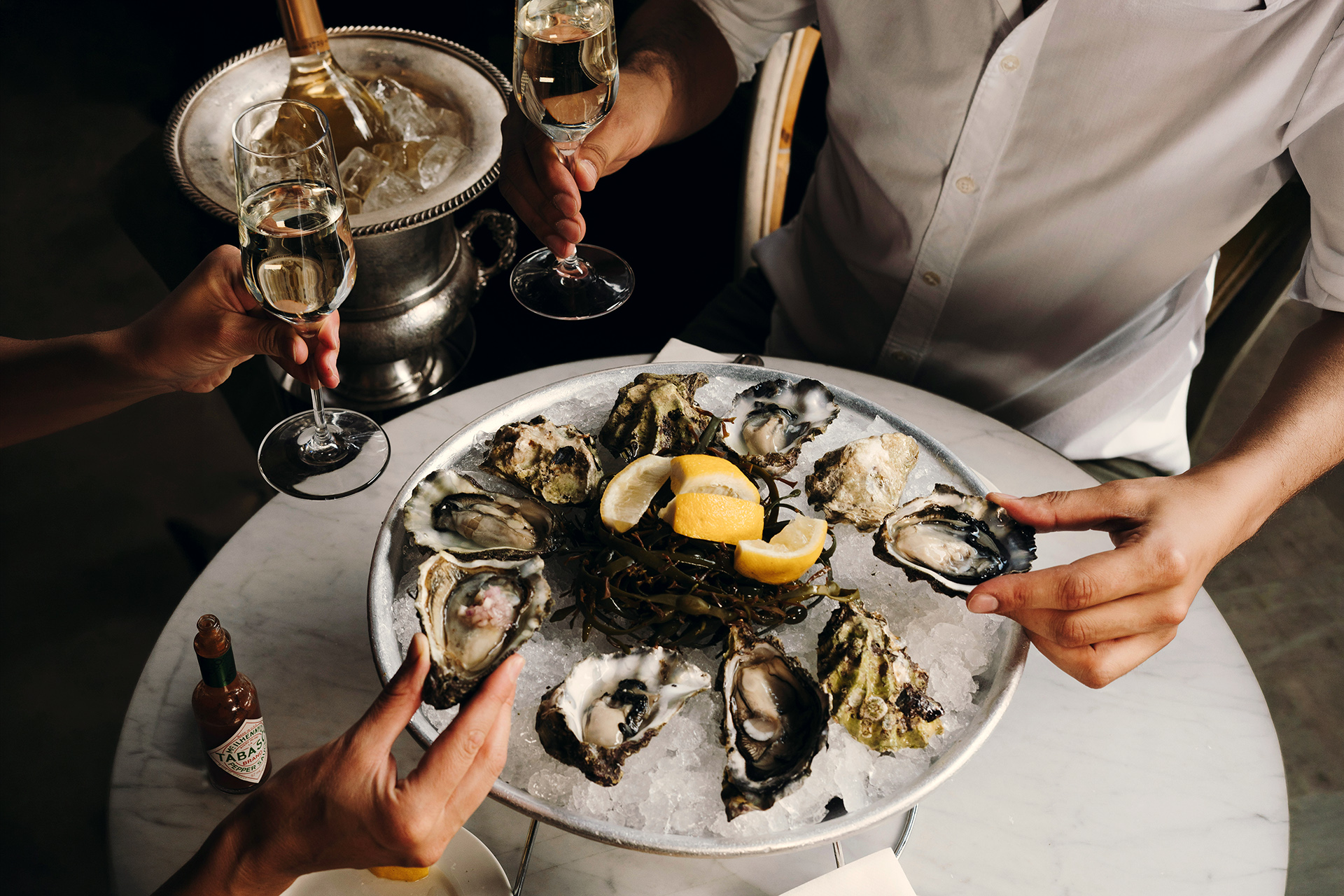
An estuary, defined by its brackish water where freshwater rivers meet the Atlantic’s salty tide, provides a nutrient-rich cradle for oysters. This unique chemistry is the foundation of the local economy. Winemakers and oyster farmers in the region have begun to realize that their fates are inextricably linked. By bridging the gap between the vineyard and the oyster bed, these purveyors are not only creating world-class culinary experiences but are also fostering a model of environmental stewardship that prioritizes the long-term health of the Chesapeake ecosystem.
A Chronology of Collaboration
The movement to marry viticulture with aquaculture on the Eastern Shore did not happen overnight. It is the result of years of trial, error, and an evolving understanding of the local landscape.
- 2009: Early pioneers, such as The Dog and Oyster Micro Vineyard, began experimenting with pairing stainless-steel-fermented white wines with local bivalves, recognizing that the crisp acidity of their grapes could cut through the richness of the oyster.
- 2009–2015: Chatham Vineyards solidified its reputation for hosting winter pairing events, proving that the Chesapeake’s off-season could be a prime time for agritourism.
- 2016–2020: The rise of small-batch, estate-focused producers like Laughing King Oyster Company and Vessel Farm Winery shifted the narrative. Instead of merely pairing existing products, these owners began building their businesses with the pairing in mind from the ground up, planting vineyards within walking distance of their oyster leases.
- 2021–Present: The movement has matured into a regional identity, where the "merroir/terroir" experience has become a cornerstone of sustainable tourism in Virginia.
The Producers: Bridging the Gap
The synergy between these industries is perhaps best exemplified by the producers themselves.
Chatham Vineyards: The Standard Bearer
Chatham Vineyards has been at the forefront of this movement for 17 years. With vines situated just 300 yards from the water, the proximity allows for a direct dialogue between the soil and the sea. Their steel-fermented Chardonnay is the winery’s signature, specifically crafted to complement the local bivalve.

"There is a unique minerality in the wine that counters the salinity of Chesapeake Bay oysters, while a ripe fruit component matches the sweetness of the oyster," explains John Wehner, owner of Chatham Winery. By avoiding oak-heavy processes, Wehner ensures that the wine remains a neutral, elevated canvas for the oysters, rather than an overpowering distraction.
The Laughing King Model
About 15 miles north, Thomas and Erin Haney of Laughing King Oyster Company and Vessel Farm Winery have taken a more integrated approach. Having established their oyster operation first, they subsequently planted a vineyard less than a mile away.
"The focus is small-batch production with high quality," says Thomas Haney. Their success with the Vermentino grape—a Mediterranean varietal that thrives in the humid, saline-heavy air of the coast—has been a revelation for visitors. By introducing a lesser-known grape to the public, the Haneys have managed to educate consumers about the nuances of flavor profiles like umami and salinity while reinforcing the regional identity of the Eastern Shore.
Environmental Implications: Oysters as Ecosystem Engineers
The partnership between these businesses extends far beyond the tasting room. The Chesapeake Bay is a fragile ecosystem, and aquaculture plays a vital role in its preservation.

Oysters are natural filter feeders; a single adult oyster can filter up to 50 gallons of water per day, removing excess nitrogen and particulate matter. This natural filtration process helps combat the "dead zones" that plague many coastal regions. Furthermore, the construction of oyster shells captures carbon, providing a tangible benefit to the global climate crisis.
When winemakers and oyster farmers collaborate, they promote a land-use model that discourages heavy industrial development, instead favoring sustainable agriculture and low-impact aquaculture. This creates a "buffer zone" of stewardship that protects the water quality of the Bay, which in turn ensures the continued vitality of the oysters—a perfect, self-sustaining loop.
Official Data and Economic Impact
While the "merroir/terroir" movement remains largely boutique, its economic impact is substantial. According to recent agricultural assessments, there are now approximately 250 commercial aquaculture enterprises operating within the Chesapeake Bay.
- Sustainability Metrics: Oysters cultivated in these conditions show a higher survival rate compared to those in polluted, stagnant waters, directly correlating with the conservation efforts of local farmers.
- Viticulture Growth: The region has seen a 15% increase in coastal vineyard acreage over the last five years, driven largely by the success of tourism events that combine wine tastings with educational tours of oyster beds.
- Economic Diversification: By moving away from commodity farming and toward high-value, experiential products, the Eastern Shore has created a more resilient local economy less susceptible to global supply chain fluctuations.
The Future of the Eastern Shore
Despite the success of these pairings, the region faces challenges. Many of these wineries and farms operate outside of established wine trails, which can make it difficult to attract mainstream tourism. However, this "under the radar" status is also part of their charm.

The future of the Eastern Shore lies in this duality. As climate patterns shift, the resilience of these small-batch, integrated operations will be tested. Yet, the philosophy of merroir provides a roadmap for the future: by focusing on the unique environmental qualities of the Bay, producers are creating products that cannot be replicated anywhere else in the world.
Whether it is the salinity of a Laughing King oyster or the minerality of a Chatham Chardonnay, the products of this region tell a story of place. As visitors continue to flock to the Chesapeake to experience these pairings, they are not just consuming wine and seafood; they are participating in a larger effort to preserve a vital ecosystem.
In the end, the marriage of wine and oysters is more than just a culinary preference. It is a testament to the idea that when we align our economic activities with the natural rhythms of our environment, both the land and the sea flourish. For those who visit the Chesapeake Bay this winter, a glass of wine and a freshly shucked oyster represent a taste of a sustainable future—one where merroir and terroir are not just words, but a way of life.