The DIY Revolution: Why Homemade Frozen Fruit Bars Are Replacing Store-Bought Favorites
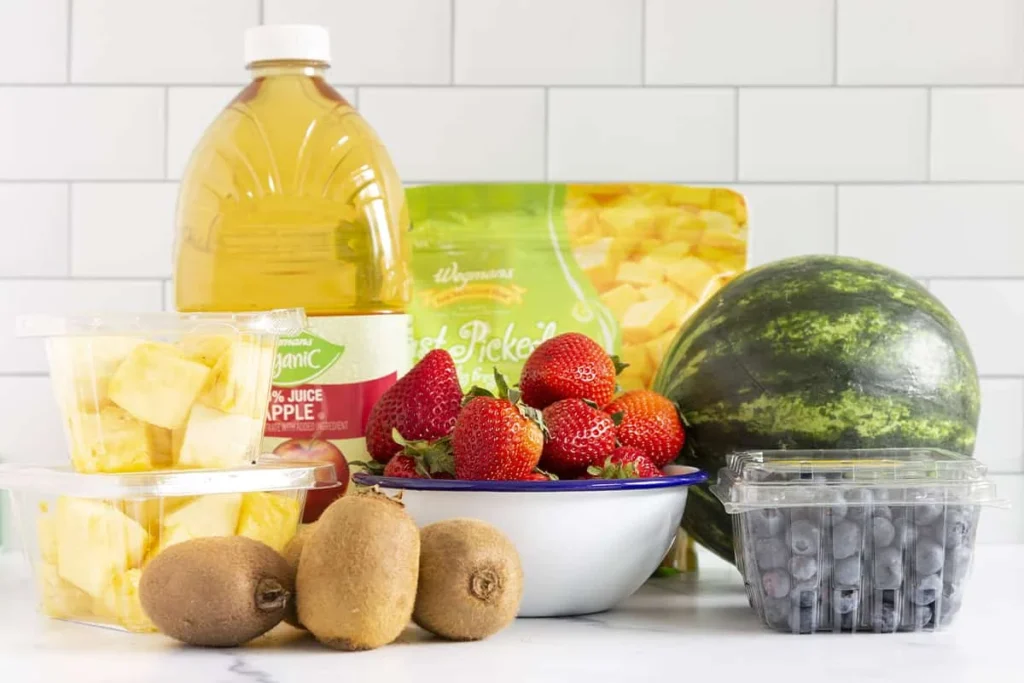
In the landscape of modern parenting, the quest for convenient, healthy, and budget-friendly snacks is constant. For years, premium frozen fruit bars—most notably the popular Outshine brand—have dominated the freezer aisles, offering a refreshing, fruit-forward alternative to high-fructose corn syrup-laden popsicles. However, a growing movement of home cooks is proving that the secret to the perfect, artisanal frozen fruit bar is not found in a corporate production facility, but in the average home kitchen. By leveraging high-speed blending technology and simple, whole-food ingredients, families are finding they can replicate these gourmet treats for a fraction of the cost.
Main Facts: The Anatomy of a Better Popsicle
The appeal of the "homemade fruit bar" lies in its simplicity. Unlike mass-produced snacks that often incorporate stabilizers, thickeners, and artificial sweeteners to maintain texture during long-distance shipping, homemade versions rely entirely on the natural pectin and fiber content of the fruit itself.
The fundamental components are minimal:
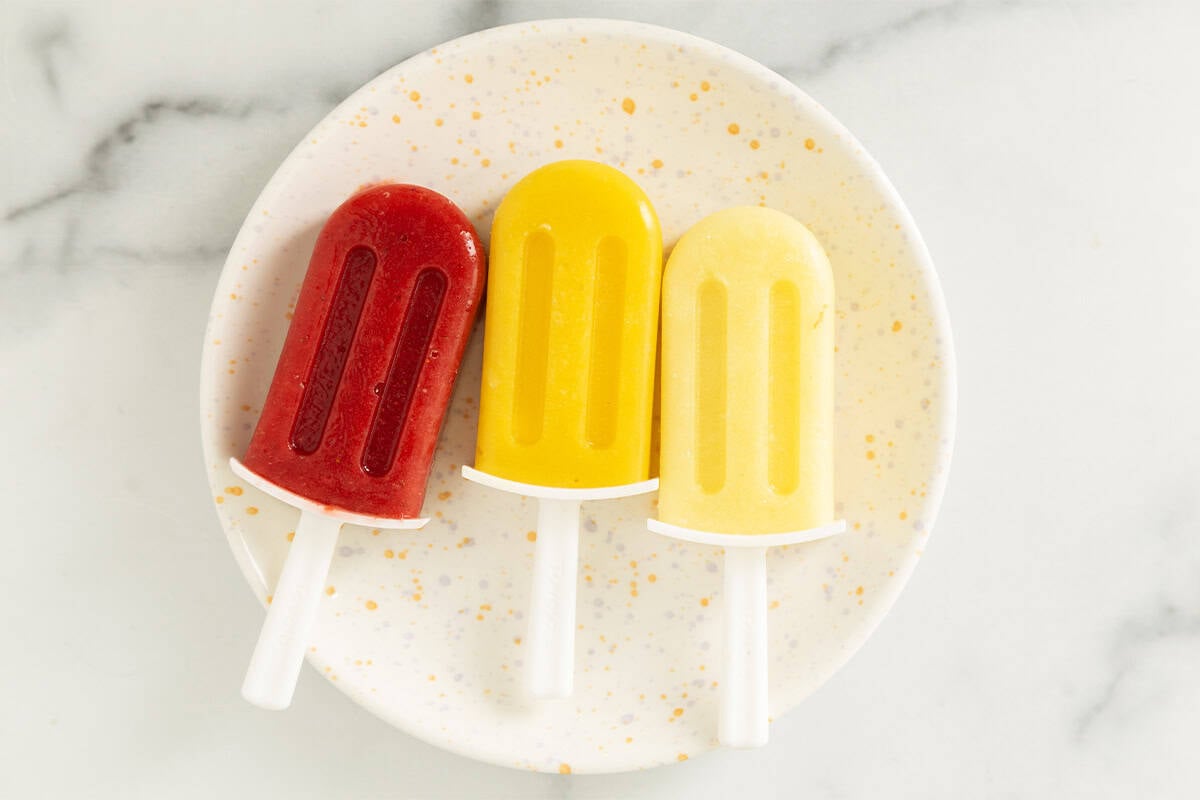
- Fresh or Thawed Frozen Fruit: Whether utilizing seasonal harvests like summer strawberries and peaches or year-round staples like mango and pineapple, the quality of the raw ingredient dictates the final product.
- The Liquid Base: A splash of water, coconut water, or even a hint of Greek yogurt can alter the creaminess and hydration profile of the bar.
- Natural Sweeteners (Optional): Because the fruit provides the primary sugar content, the need for added cane sugar is often eliminated, making these a superior choice for health-conscious consumers.
The "easy method" popularized by food educators involves a basic ratio of three parts fruit to one part liquid, blended until the mixture reaches a silky, homogeneous consistency. This ensures that when the mixture is poured into molds and frozen, it achieves a consistent texture—avoiding the "icy" mouthfeel often associated with inferior homemade popsicles.
Chronology: From Concept to Freezer
The evolution of the frozen fruit bar has been a journey of trial and error for home cooks, moving from "watered-down juice pops" to the dense, fruit-dense bars we see today.
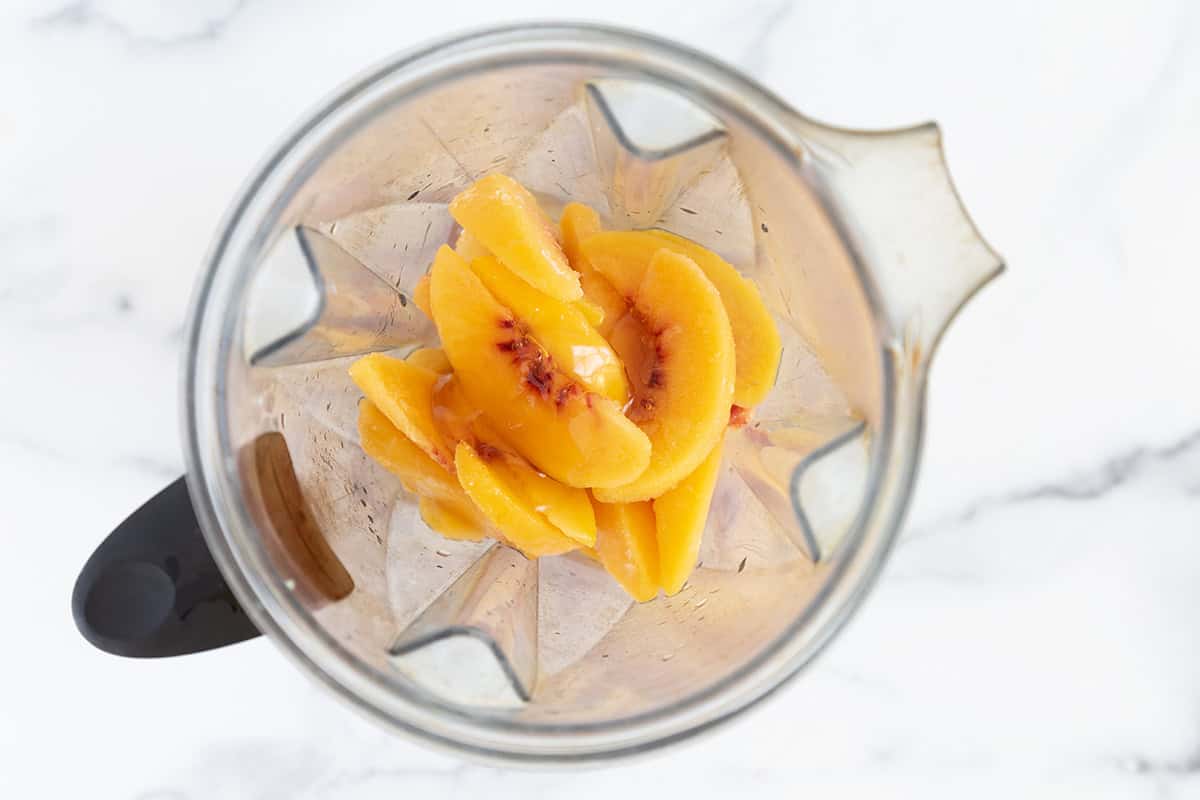
- Preparation (The Blending Phase): The process begins by selecting the primary fruit. If using frozen fruit, the produce is allowed to thaw partially, which helps in achieving a smoother blend. All ingredients are added to a high-speed blender.
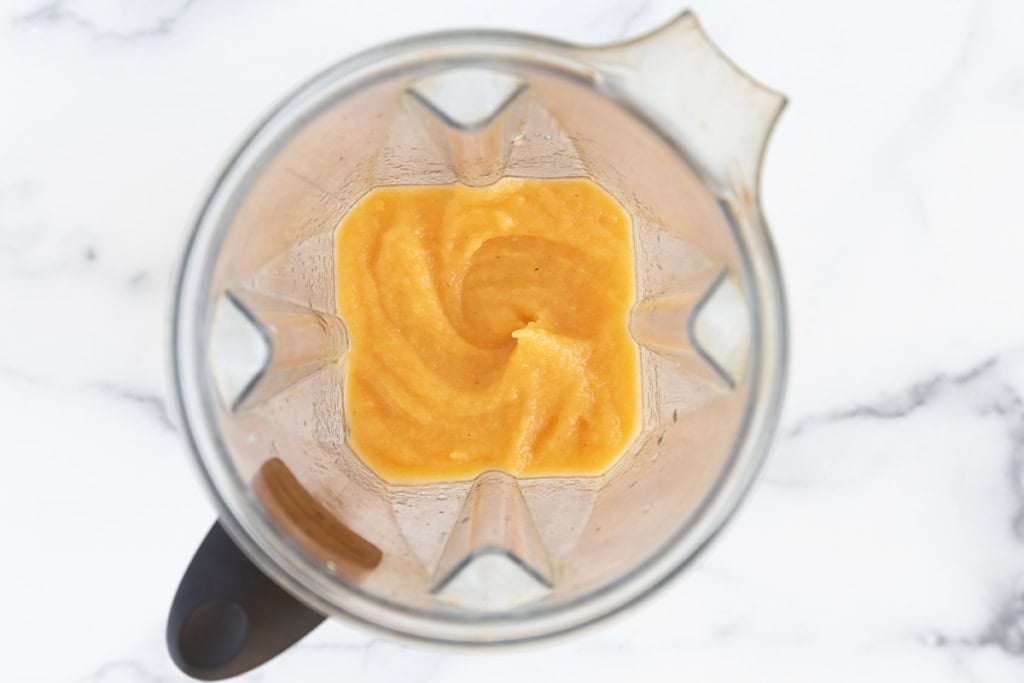
- Refining (The Textural Phase): The mixture is pulsed until no large chunks remain. This step is critical; by emulsifying the fruit, the fibers are distributed evenly, which prevents the separation of ice crystals during the freezing cycle.
- The Taste Test: Before pouring, the mixture is sampled. Unlike commercial brands with static recipes, the home chef can adjust sweetness based on the natural ripeness of the fruit. A squeeze of lime juice or a hint of honey can brighten the flavor profile.
- The Setting Phase: The mixture is poured into silicone or BPA-free plastic molds. It requires a minimum of four hours to reach the desired state, though an overnight freeze is recommended to ensure the center is completely firm.
- Storage: Once frozen, removing the bars from the molds and storing them in an airtight freezer bag is the "pro-tip" to prevent the dreaded freezer burn.
Supporting Data: Nutrition and Economic Impact
When comparing the nutritional profile of homemade fruit bars to their commercial counterparts, the advantages are clear. A standard homemade fruit bar typically contains between 30 and 50 calories, derived almost entirely from natural fruit sugars. Because the fruit is blended whole, these bars retain a significant portion of the original fiber content—a component often lost in the manufacturing of clear, juice-based popsicles.
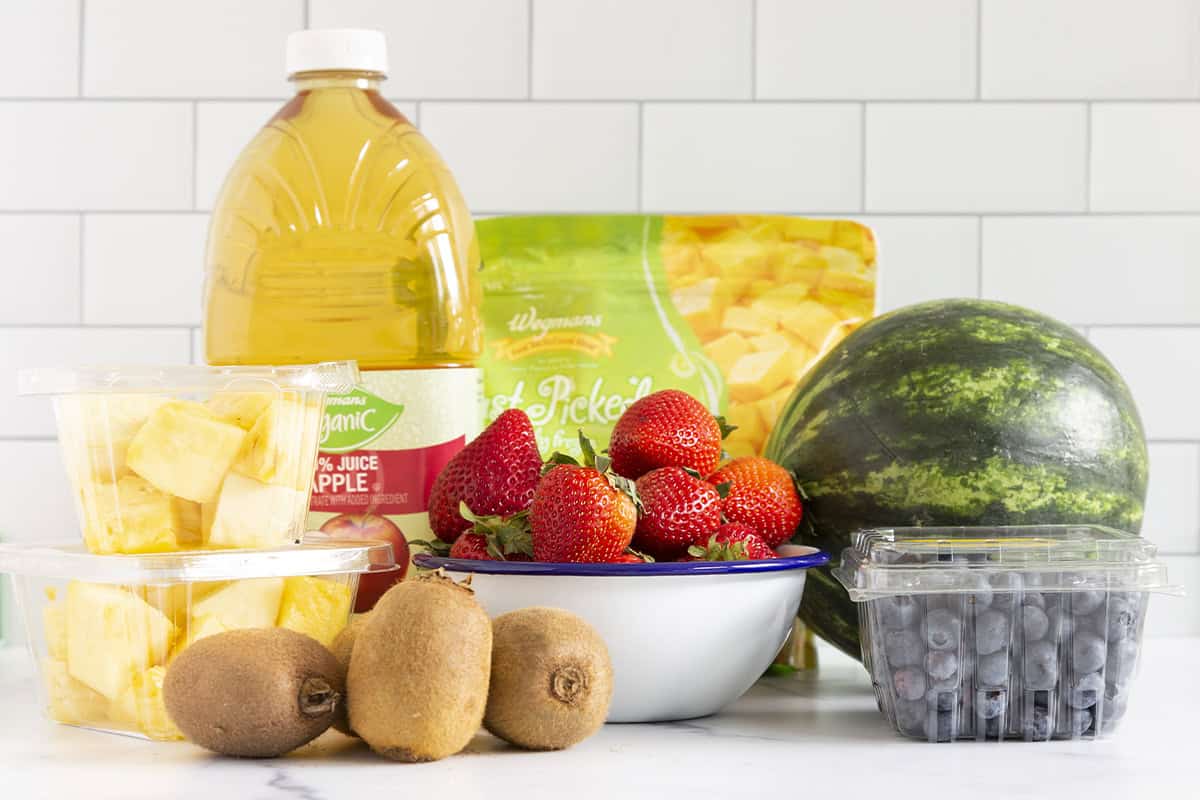
Nutritional Snapshot (Per Serving):
- Calories: ~30–40 kcal
- Fiber: 1g
- Vitamin C: High (depending on fruit choice, e.g., strawberries or pineapple)
- Added Sugar: 0g (versus 10g+ in many commercial fruit bars)
From an economic standpoint, the "grocery store tax" on frozen snacks is significant. A box of six high-end fruit bars can cost between $5 and $7. By purchasing frozen fruit in bulk bags, a family can produce three to four times that amount for the same price, essentially reducing the cost per unit to pennies.
Official Perspectives and Expert Advice
Nutritionists and child-development experts have largely endorsed the trend of "hydration foods" for children. Pediatric nutritionists often note that frozen fruit bars serve as a dual-purpose snack: they satisfy the desire for a "treat" while simultaneously encouraging increased water intake.
"The key to getting toddlers and children to consume more fruit is accessibility," says a lead developer in the healthy-snack space. "When a child can open the freezer and grab something that is visually appealing, cold, and sweet, they aren’t thinking about the health benefits—they are just enjoying the snack. For parents, that is a massive win."
Experts also highlight the "flavor education" aspect. By experimenting with combinations—such as Blueberry-Spinach or Mango-Kiwi—parents are introducing children to complex flavor profiles early, moving away from the singular, artificial flavors that dominate the processed snack market.
Implications: The Future of Home Snacking
The implications of this shift are twofold. First, there is a clear move toward transparency. When a consumer makes a bar at home, they know exactly what is inside. There are no "natural flavorings," no corn syrups, and no preservatives. This level of control is empowering, especially for families managing food allergies or specific dietary restrictions.
Second, the environmental impact of this trend cannot be ignored. The shift away from individually wrapped, single-use plastic packaging found in store-bought boxes—which often include excessive cardboard and plastic film—toward reusable, high-quality silicone popsicle molds represents a significant reduction in household waste.
As more households adopt these simple, efficient methods, the market for "premium" frozen fruit bars may find itself facing a competitive challenge. When the highest quality product can be made in five minutes at home, the value proposition of the store-bought version diminishes.
Ultimately, the rise of the homemade frozen fruit bar is more than just a culinary trend; it is a rejection of the "pre-packaged convenience" model in favor of "conscious convenience." By prioritizing whole ingredients and simple, repeatable processes, families are reclaiming their kitchens, saving money, and ensuring that their children are fueling their bodies with the very best nature has to offer. Whether it’s a hot summer afternoon or a cozy indoor snack time, the homemade frozen fruit bar has solidified its place as the definitive, guilt-free staple of the modern pantry.