The Art of the Italian Classic: Mastering Gluten-Free Tiramisu
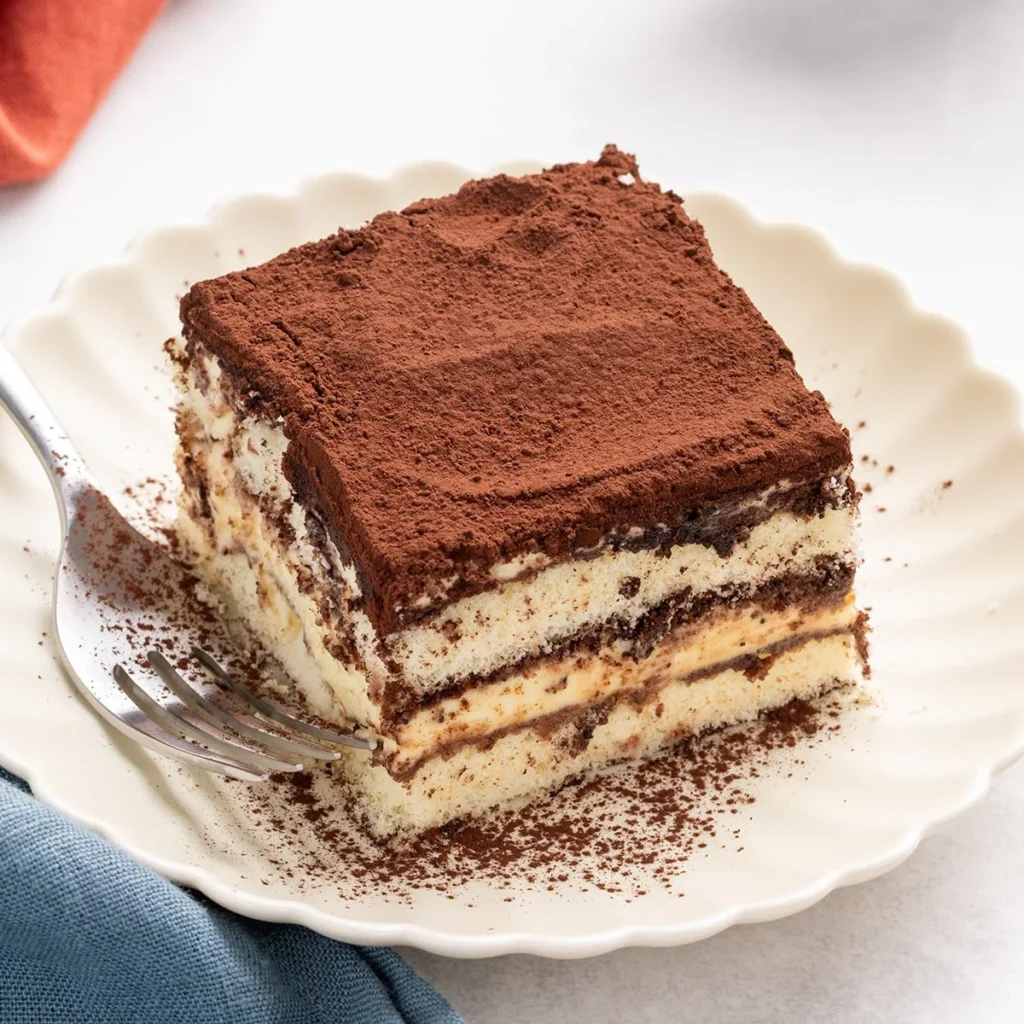
For many, the mention of Tiramisu conjures images of rustic Italian trattorias, where the bitter bite of espresso dances with the velvety, sweet embrace of mascarpone. It is a dessert defined by its elegant architecture—a delicate balance of soaked biscuits and whipped cream. However, for those living with celiac disease or gluten sensitivity, this iconic treat has long been relegated to the "forbidden" list.
Modern culinary techniques, however, have bridged the gap between traditional Italian flavors and the requirements of a gluten-free lifestyle. This guide explores the meticulous craft behind creating a gluten-free Tiramisu that retains the integrity, structural beauty, and nostalgic flavor profile of the original, proving that dietary restrictions need not compromise the standard of fine dessert.
The Core Elements: A Culinary Breakdown
At its heart, Tiramisu is a study in texture. The dish relies on the juxtaposition of the ladyfinger (savoiardi)—a light, dry sponge biscuit—and a rich, custard-based cream.
The Structural Challenge
The primary obstacle in gluten-free baking is the absence of wheat protein, which typically provides the "spring" and structural integrity to baked goods. Gluten-free ladyfingers are notoriously more delicate than their wheat-based counterparts. Consequently, the traditional method of "dunking" the cookies into coffee is disastrous for gluten-free iterations, as the biscuits tend to disintegrate instantly upon immersion.

The Cream Foundation
The filling is where the true chemistry happens. By cooking the egg yolks with sugar over a gentle bain-marie (double boiler), the baker creates a stabilized base. This thermal processing not only ensures food safety by reaching the ideal 160°F to 175°F range, but it also thickens the yolks, providing the essential body required for the dessert to hold its shape when sliced.
Chronology of Preparation: A Step-by-Step Methodology
Creating a high-quality, gluten-free Tiramisu requires patience and a specific sequence of operations to ensure the final product is cohesive rather than a culinary "soup."
Phase 1: The Custard Base
The process begins with the egg yolk and sugar mixture. Whisking these over simmering water is critical; the goal is a pale, ribbony consistency. This base must then be cooled completely before the introduction of dairy. Introducing warm egg mixture to cold mascarpone or cream will result in a breakdown of fats, leading to a loose, weeping filling that will never set.
Phase 2: The Whipped Cream
While the yolk base cools, heavy whipping cream is beaten at a medium-low speed. Paradoxically, slower whipping for a longer duration (8–10 minutes) yields a more stable foam compared to high-speed whipping, which creates large, fragile bubbles that collapse under the weight of the mascarpone.
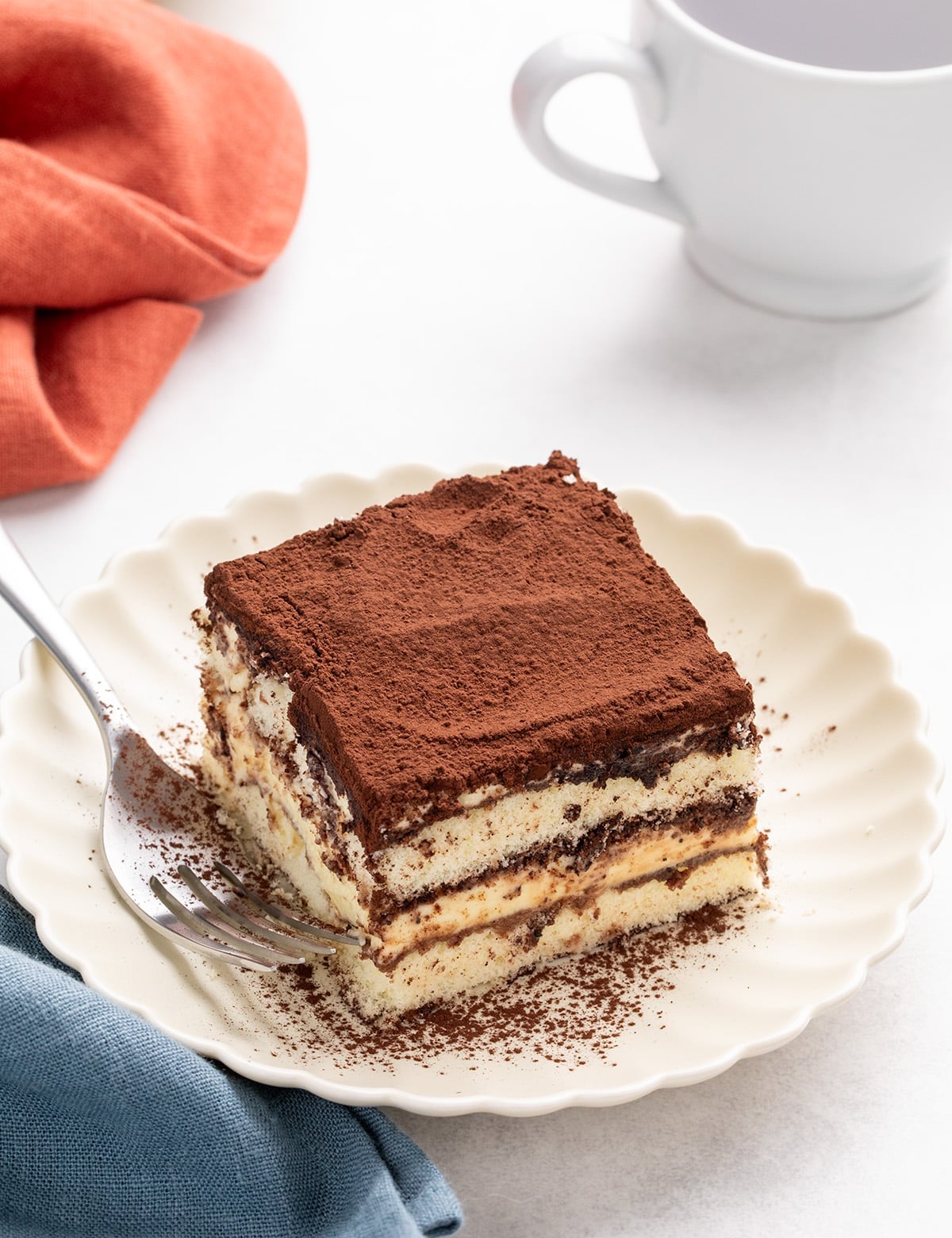
Phase 3: The Assembly Technique
Because gluten-free ladyfingers are fragile, the "brushing" method is the industry standard for this recipe. By laying the cookies out and brushing them with an espresso-rum mixture, the baker can control the saturation level. The cookies are brushed on the underside first, then inverted into the dish, and brushed again on the top. This ensures even moisture distribution without structural failure.
Phase 4: The Mandatory Chill
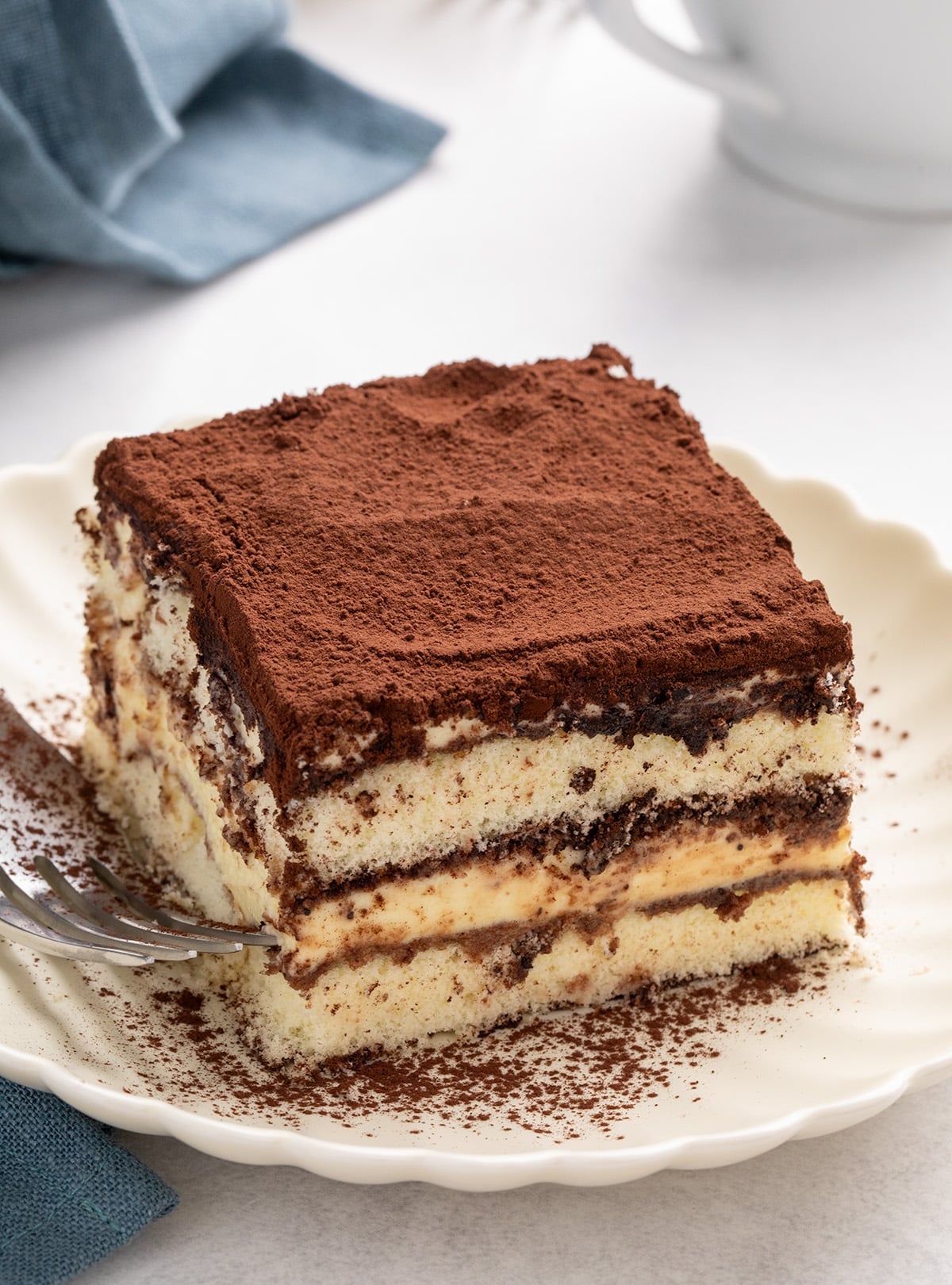
The final assembly requires a minimum of six hours of refrigeration. This time is not arbitrary; it is a period of "maturation" where the starches in the cookies soften, the coffee migrates through the cream layers, and the mascarpone-yolk emulsion firms up, allowing for the clean, sharp cuts required for a professional presentation.
Supporting Data and Technical Specifications
Achieving a restaurant-quality finish requires adherence to precise metrics.
- Temperature Control: The egg yolk base should ideally reach 170°F. Surpassing 180°F risks curdling the eggs, creating a grainy texture.
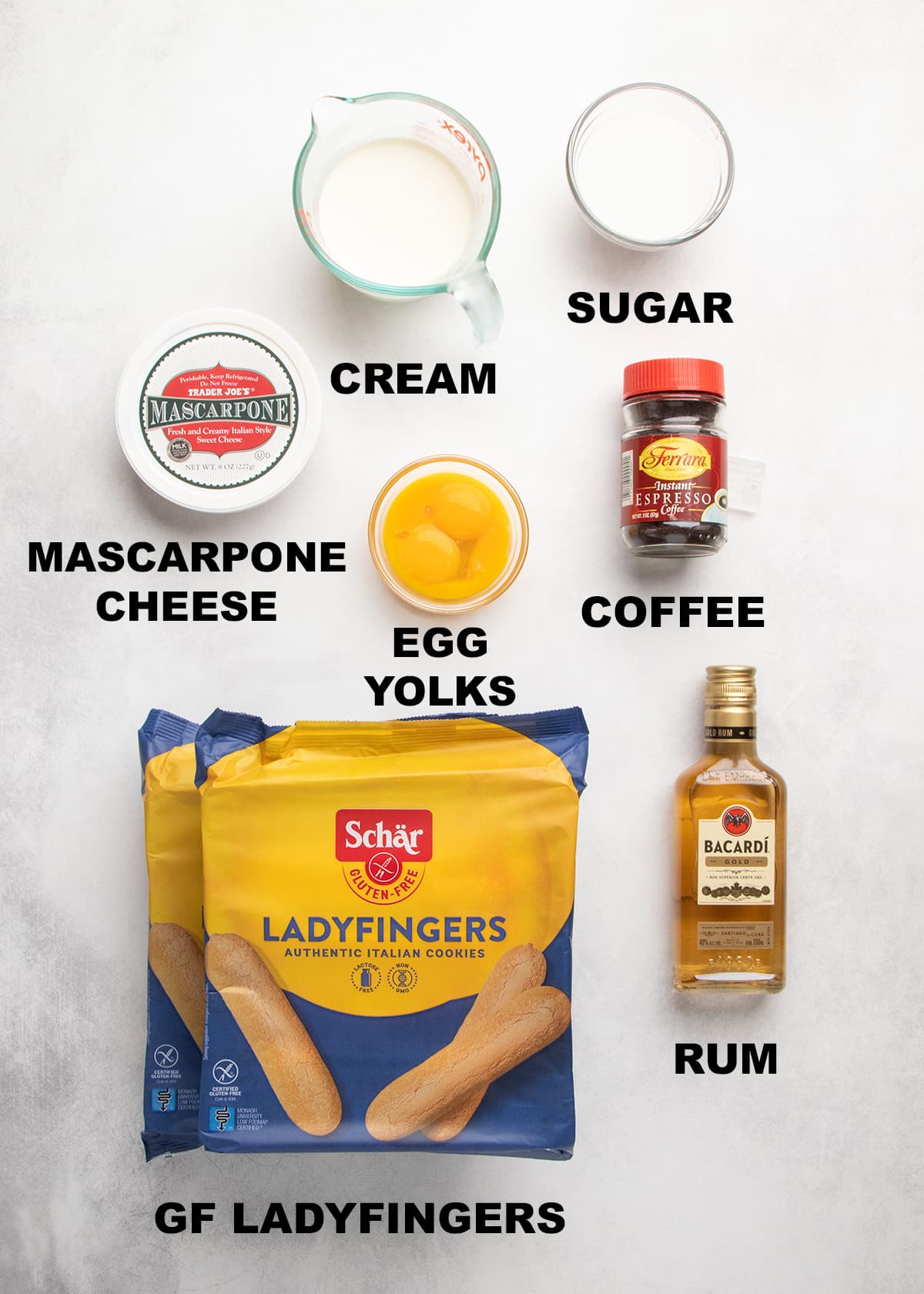
- Ingredient Ratios: For a standard 9-inch square pan, approximately 12 ladyfingers are required. When utilizing commercial gluten-free options like the Schar brand, bakers must account for the specific absorbency rates of these biscuits.
- Nutritional Profile: A single serving (based on a 9-slice yield) contains approximately 390 kcal, with 22g of fat and 38g of carbohydrates. While this is an indulgent dessert, the use of high-quality fats like mascarpone provides a satiety that justifies the calorie count.
Expert Insights: Overcoming Common Failures
When interviewing culinary experts regarding this specific gluten-free challenge, several common pitfalls emerge.
The "Soggy Bottom" Syndrome
Many home cooks attempt to rush the process. If the cocoa powder is added too early, the moisture from the filling will seep into the powder, creating a dark, muddy layer on top. The professional approach is to dust the cocoa powder only one hour prior to service.
Ingredient Substitutions
The modern pantry offers several avenues for those with secondary allergies:
- Dairy-Free: Substituting mascarpone with high-quality dairy-free cream cheese—which often possesses a similar density—and using coconut cream or specialized vegan whipping cream can mimic the original fat-to-water ratio.
- Egg-Free: While egg yolks are traditional, those requiring an egg-free version can utilize custard powders (such as Baird’s). The goal is to replicate the viscosity of the cooked yolk, which is essential for the structural integrity of the dessert.
Implications for the Gluten-Free Community
The successful adaptation of Tiramisu into the gluten-free repertoire signifies a broader shift in dietary consciousness. For years, the gluten-free community was limited to basic substitutions that often lacked the sensory appeal of traditional cuisine.
Elevating the "Free-From" Standard
The rise of sophisticated gluten-free recipes like this suggests that the culinary industry is moving away from the "good, for gluten-free" mentality. Instead, there is a focus on "good, period." By mastering the techniques of temperature control, folding, and moisture management, home bakers are now capable of producing desserts that rival the finest patisseries in Italy.
The Social Aspect of Food
Tiramisu is inherently communal; it is a dish meant to be shared from a large vessel. The ability to bring a gluten-free version to a gathering that is indistinguishable from the wheat-based version removes the social barrier often felt by those with dietary restrictions. It allows the individual to participate in the tradition of dessert without the need for a separate, often inferior, meal.
Final Considerations for the Home Baker
As with any classic recipe, the quality of the raw materials remains paramount. Use the freshest eggs available, a high-quality espresso, and ensure the mascarpone is at the correct temperature before mixing.
The process of making this Tiramisu is, in itself, a meditative experience. From the gentle whisking of the yolks to the final dusting of cocoa, the steps are designed to reward patience. As you slice into that first square, the layers of delicate, coffee-infused sponge and rich, aerated cream will stand as a testament to the fact that, with the right technique, the classics remain accessible to everyone, regardless of their dietary needs.
Whether you are preparing this for a holiday gathering or an intimate dinner, the result is a sophisticated, sliceable masterpiece that honors the legacy of Italian confectionery while embracing the innovations of the modern gluten-free kitchen.