The Evolution of Efficient Eating: A Deep Dive into the Creamy Cilantro Lime Chicken Bowl
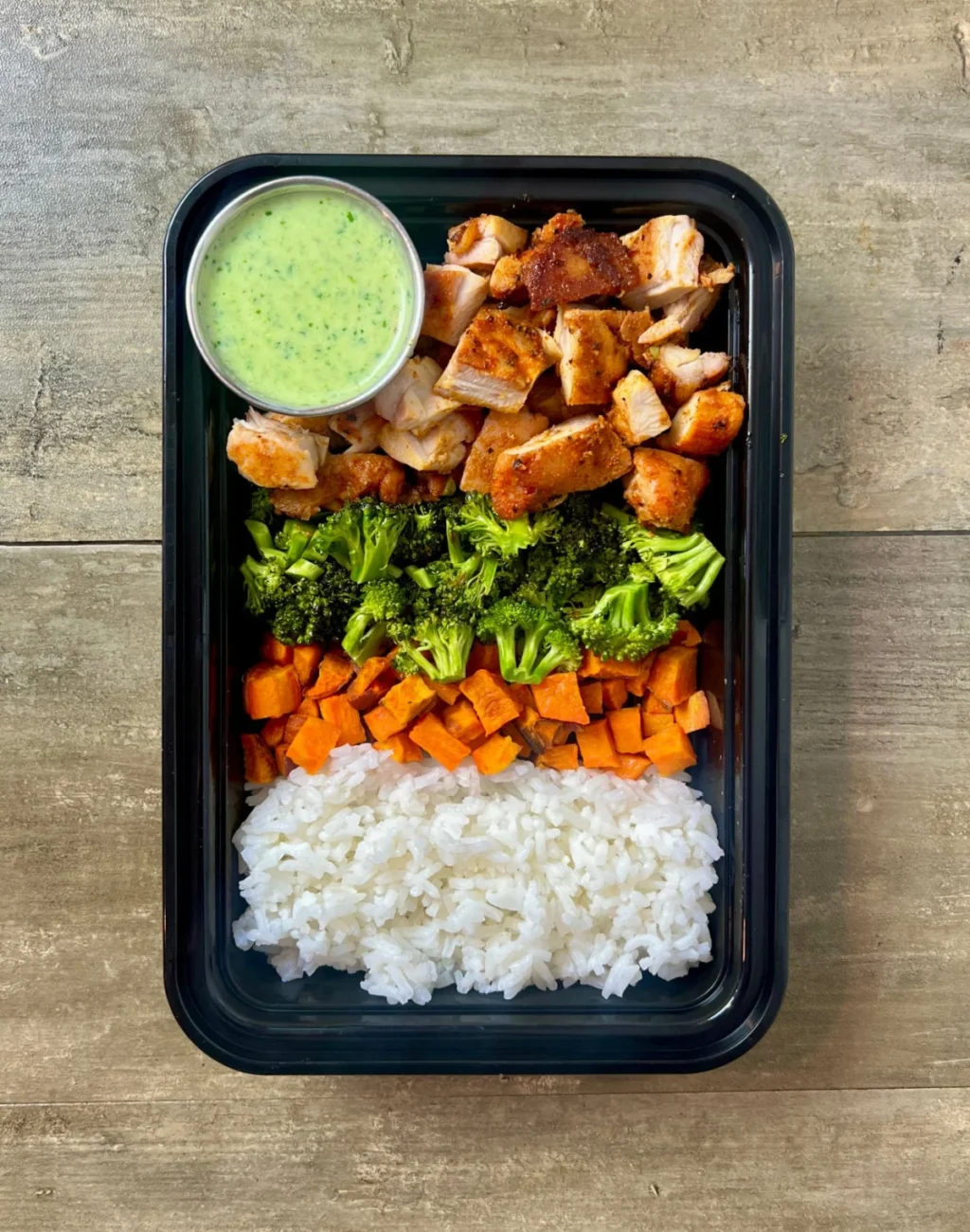
In the fast-paced landscape of modern nutrition, the art of meal preparation—or "meal prepping"—has transitioned from a niche hobby for bodybuilders into a mainstream culinary movement. As time-poor professionals and health-conscious families alike seek to balance demanding schedules with dietary integrity, recipes that prioritize efficiency without sacrificing flavor have become the gold standard. Enter the Creamy Cilantro Lime Chicken Bowl, a dish that has recently surged in popularity as the quintessential blueprint for high-protein, low-calorie dining.
Combining the zest of fresh lime with the cooling, velvety texture of a yogurt-based sauce, this dish represents a masterclass in macro-nutrient balancing. By dissecting the components of this recipe, we can understand why it has become a staple for those looking to optimize their weekly nutrition.
The Core Concept: Macro-Nutrient Optimization
At the heart of the Creamy Cilantro Lime Chicken Bowl is a commitment to the "macro-friendly" philosophy. Each serving is meticulously calibrated to deliver approximately 490 calories, a figure that sits comfortably within the daily caloric intake of most individuals looking to maintain or lose weight.
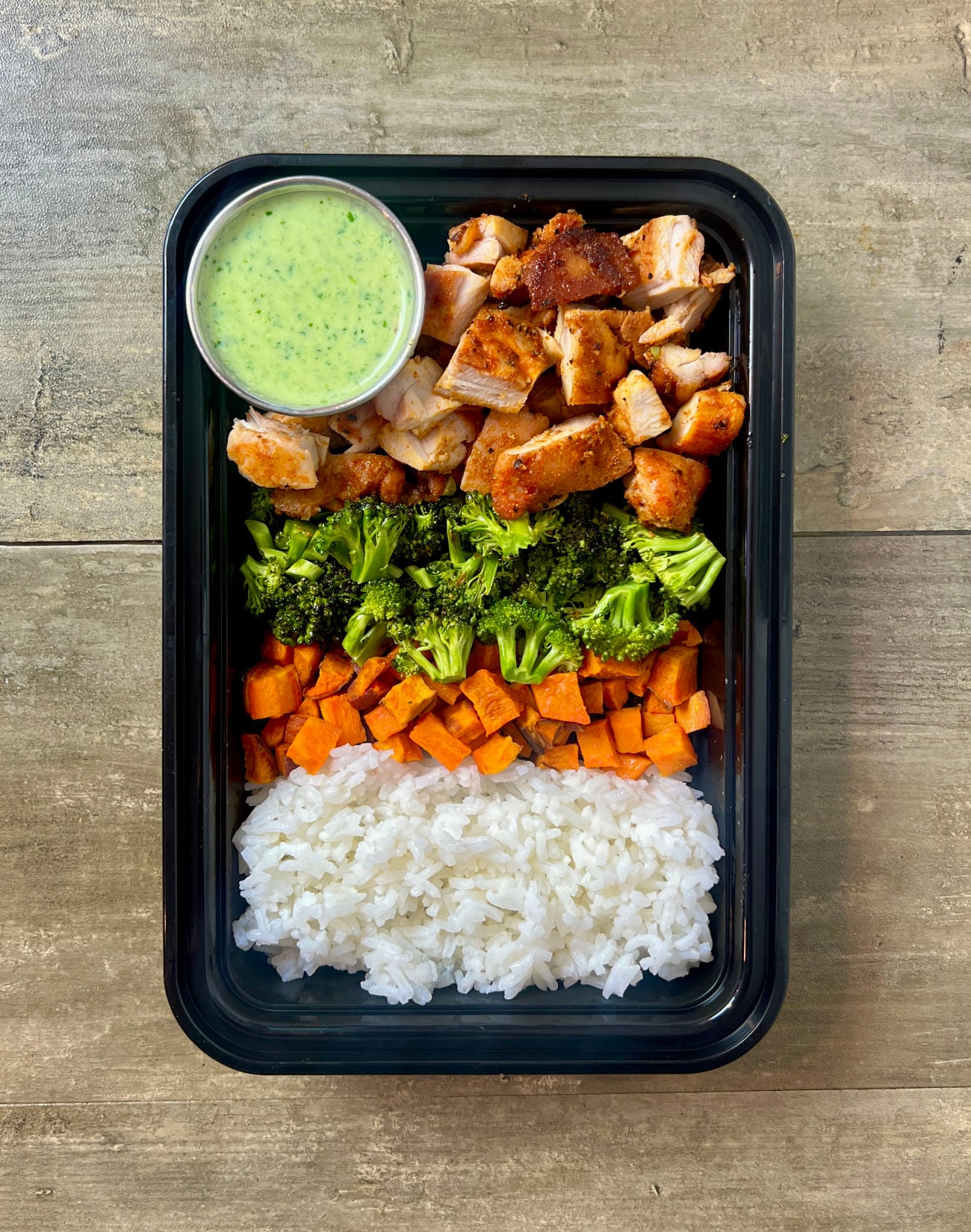
The nutritional breakdown is particularly compelling for those focused on body composition:
- Protein: 43g per serving
- Carbohydrates: 46g per serving
- Fat: 15g per serving
This distribution—high protein, moderate complex carbohydrates, and lean fats—is designed to sustain energy levels throughout the workday while promoting muscle recovery and satiety. By utilizing Greek yogurt as the base for the creamy sauce rather than traditional mayonnaise or heavy cream, the recipe significantly elevates the protein content while simultaneously reducing the caloric density that often plagues "creamy" comfort foods.
The Chronology of Preparation: A Systematic Approach
Achieving this level of nutritional balance requires a systematic approach to cooking. The total time investment for this meal prep is approximately one hour and 20 minutes, including 20 minutes of active prep and one hour of cooking. For the efficient meal prepper, this timeline allows for the batch production of five complete, ready-to-eat meals.
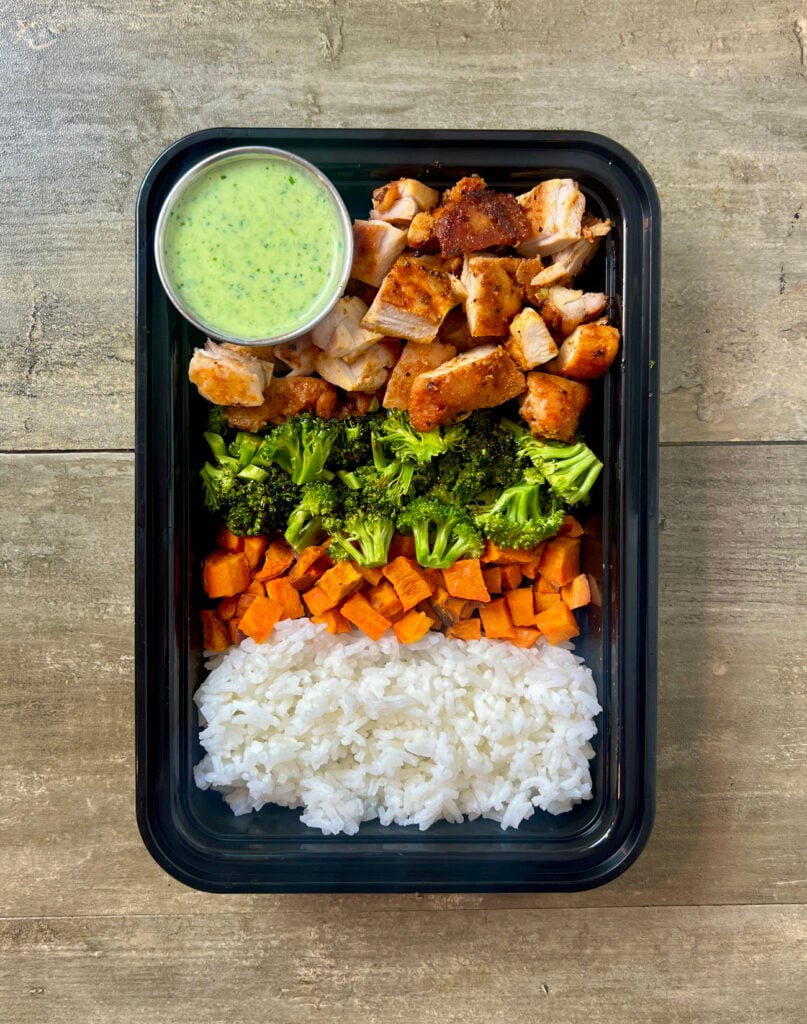
Phase 1: The Foundation (Rice and Grains)
The process begins with the rice, which serves as the dense carbohydrate foundation. Whether utilizing long-grain white rice or a fiber-rich brown rice, this phase ensures that the base of the bowl provides the necessary glycogen to fuel physical activity. The goal here is a perfectly fluffy texture that can withstand the moisture of the sauce and vegetables over a five-day refrigeration cycle.
Phase 2: Protein Synthesis (The Chicken)
The chicken is the centerpiece of the bowl. For optimal results, the protein is seasoned to complement the vibrant notes of cilantro and lime. By searing or roasting the chicken, you lock in the moisture, ensuring that even after several days in the refrigerator, the meat retains its texture. The use of lean chicken breast is the primary driver of the dish’s 43g protein count.
Phase 3: The Vegetable Component
The inclusion of vegetables—typically a mix of bell peppers, onions, or zucchini—adds vital micronutrients and fiber (4.8g per serving). In the context of meal prep, these vegetables are often roasted or sautéed until al dente. This prevents them from becoming overly soft or "soggy" when reheated later in the week.

Phase 4: The Flavor Architecture (The Sauce)
This is the defining characteristic of the dish. By blending fresh cilantro, lime juice, jalapeño, and high-protein yogurt, the cook creates an emulsified sauce that ties the grains, proteins, and vegetables together. The jalapeño provides a subtle heat that cuts through the creaminess of the yogurt, while the lime juice acts as a bright acidic top note.
Supporting Data: The Science of Satiety
The popularity of the Creamy Cilantro Lime Chicken Bowl is not merely a trend; it is supported by the physiological impact of its ingredients. According to nutritional research, high-protein meals are significantly more effective at increasing the thermic effect of food (TEF) and reducing the secretion of ghrelin, the "hunger hormone."
By consuming 43g of protein in a single meal, individuals are more likely to experience prolonged satiety, which inherently reduces the likelihood of snacking on processed, calorie-dense foods between meals. Furthermore, the inclusion of cilantro and lime is not just for flavor; these ingredients contain antioxidants that support digestive health and metabolic function.

For the average adult, the combination of 490 calories with this specific macro profile is an ideal "lunch-box" solution. It provides enough energy for afternoon cognitive tasks without the mid-afternoon "slump" often associated with high-sugar or high-refined-carb meals.
Implications for Modern Lifestyle Management
The rise of recipes like the Creamy Cilantro Lime Chicken Bowl suggests a broader cultural shift in how we view the kitchen. As food inflation rises and the quality of fast-casual dining becomes increasingly inconsistent, the "do-it-yourself" meal prep movement serves as a form of autonomy.
Cost-Efficiency
Beyond the health benefits, the economic implications are profound. Preparing five meals at once allows for bulk purchasing of staples like rice, chicken breasts, and Greek yogurt. When measured against the cost of a comparable meal from a restaurant—which can range from $12 to $18 per bowl—the per-serving cost of a homemade version is significantly lower, often hovering between $3 and $5.

Behavioral Consistency
The biggest barrier to any diet is decision fatigue. By having a pre-portioned, nutritionally balanced meal waiting in the refrigerator, the friction of "what to eat" is removed. This behavioral intervention is often the difference between success and failure in weight-management journeys. The Creamy Cilantro Lime Chicken Bowl acts as a safety net; even on the busiest days, a healthy, chef-quality meal is only minutes away from the microwave.
Addressing Common Criticisms
Critics of meal prepping often point to the loss of flavor or texture in refrigerated foods. However, the Creamy Cilantro Lime Chicken Bowl addresses these issues through its sauce-to-solid ratio. Because the sauce is designed to be thick and creamy, it does not separate or degrade as quickly as oil-based dressings. When stored in high-quality, airtight meal prep containers, the ingredients remain distinct and flavorful for up to five days.
Furthermore, the "under 500 calories" designation is a strategic threshold. Many commercial "healthy" bowls are often overloaded with hidden fats in the form of heavy dressings or excessive oils. By keeping the fat content at 15g, this recipe avoids the caloric trap of many popular "bowl" concepts, ensuring that the consumer remains in control of their energy intake.

Final Thoughts: The Path Forward
The Creamy Cilantro Lime Chicken Bowl is more than just a list of ingredients; it is a pedagogical tool for those learning to navigate the complexities of modern nutrition. It teaches the importance of protein density, the value of fresh acidity, and the necessity of structural planning.
As we look toward the future of nutrition, the lessons embedded in this recipe will remain relevant. The goal of eating well is not to spend hours in the kitchen every night, but to create systems that allow for health to occur naturally. By adopting a "cook once, eat five times" mentality, we reclaim our time, our budget, and most importantly, our health. Whether you are an athlete looking to hit specific protein targets or a professional simply looking for a better way to fuel your workday, this bowl provides the evidence that convenience and quality are no longer mutually exclusive.
For those looking to begin their meal prep journey, this recipe serves as a perfect starting point. It is forgiving, customizable, and—most importantly—consistent. In a world of dietary noise and confusing health advice, the simplicity of a balanced, high-protein bowl remains the most effective strategy for long-term well-being.