The Ultimate Guide to No-Bake Chocolate Chip Granola Bars: A Masterclass in Effortless Snacking
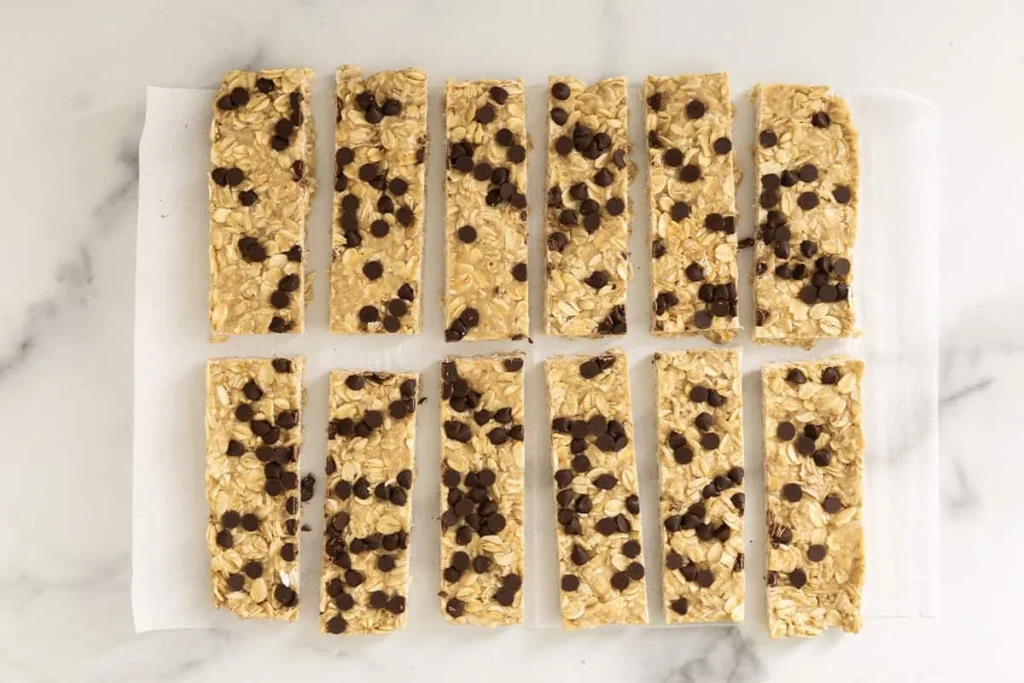
In an era where convenience often comes at the cost of nutrition and household budget, the rise of "pantry-hacking"—transforming basic shelf-stable ingredients into wholesome, homemade snacks—has become a cornerstone of modern parenting. Leading the charge in this culinary movement is the no-bake granola bar. These bars represent a perfect intersection of simplicity, cost-effectiveness, and health, offering a solution for busy families who want to avoid the high sugar content and preservatives found in many store-bought alternatives.
Main Facts: The No-Bake Revolution
The concept is deceptively simple: by eliminating the baking process, home cooks can preserve the integrity of fiber-rich grains while creating a texture that is both chewy and satisfying. Unlike traditional granola bars that require precise oven temperatures and lengthy bake times, these no-bake bars rely on the binding properties of honey and the solidifying nature of chilled fats like coconut oil.
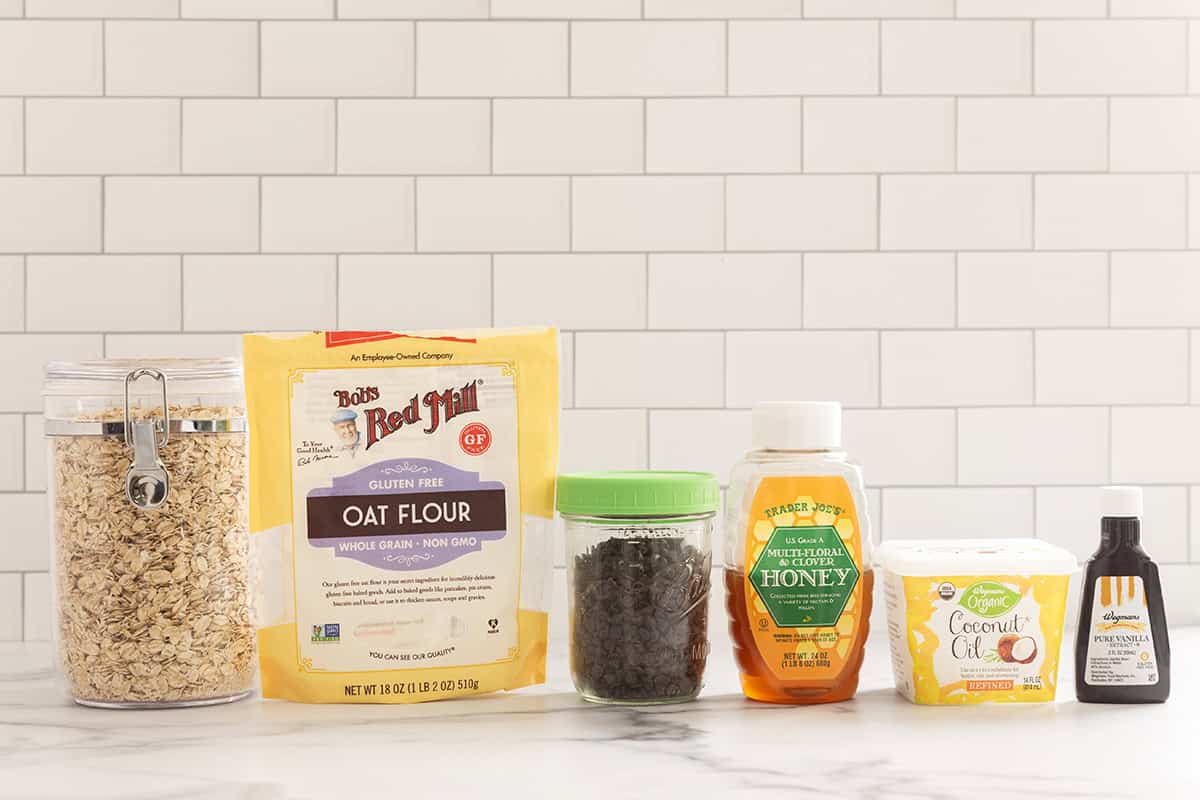
The primary appeal lies in the "mix-press-chill" methodology. By utilizing staples such as rolled oats, honey, and high-quality chocolate chips, parents can assemble a batch of nutrient-dense snacks in under ten minutes of active labor. Beyond the obvious health benefits—which include controlled sugar intake and the inclusion of whole-grain fiber—the economic argument is compelling. Homemade bars typically cost a fraction of their commercial counterparts, making them a sustainable choice for families managing tight food budgets.
Chronology: From Pantry to Lunchbox
The preparation process is designed for efficiency, catering to the realities of a hectic household. Here is the standard progression for creating the perfect batch:
1. The Binding Base
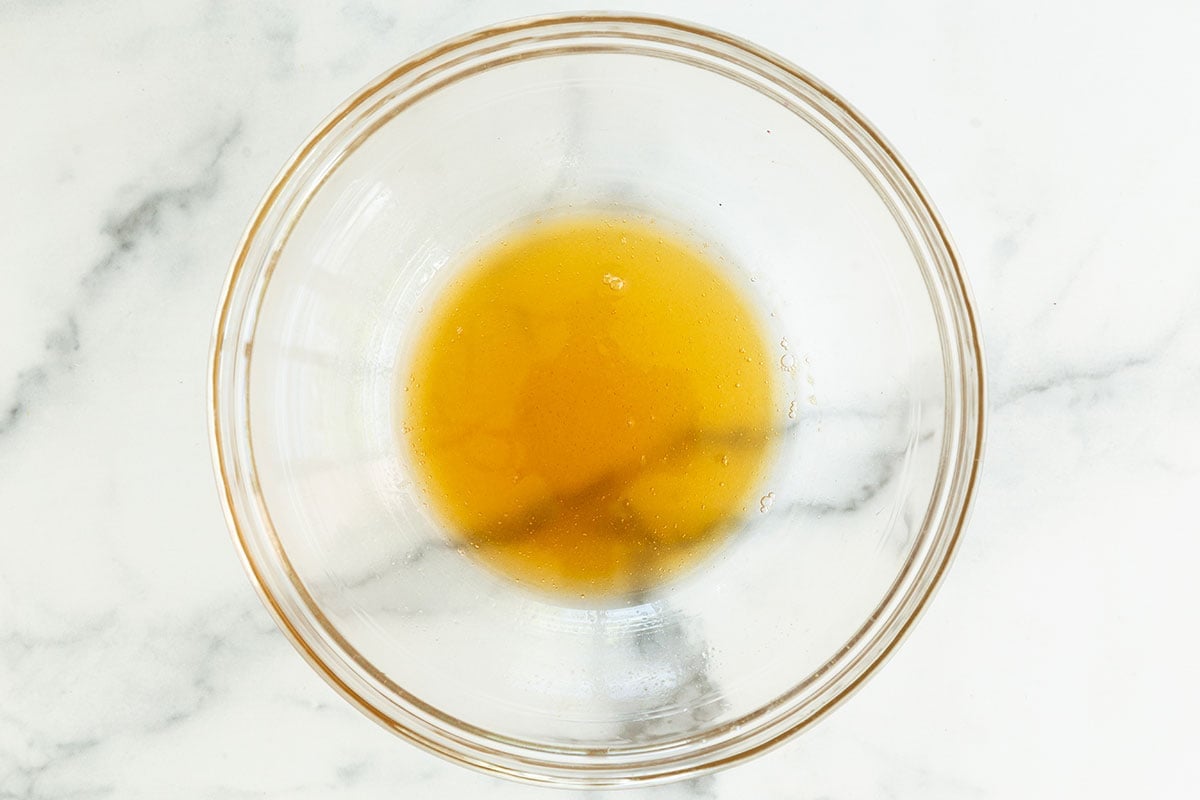
The foundation of any successful no-bake bar is the liquid binder. By gently melting coconut oil and whisking it with high-quality honey or a similar natural sweetener, you create a viscous base that will eventually hold the dry ingredients together. This step is critical; ensuring the oil and honey are fully emulsified is what prevents the bars from crumbling once sliced.
2. Integration of Dry Components
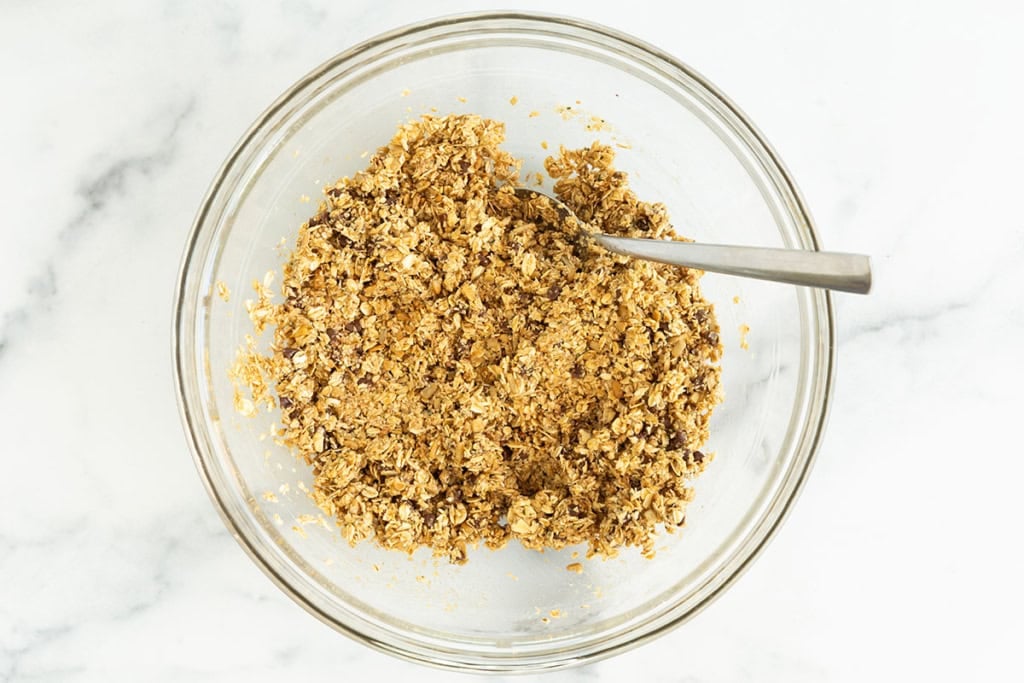
Once the binder is prepared, the dry ingredients—typically hearty rolled oats and any desired add-ins like flax seeds or chia seeds—are folded into the bowl. The goal here is to ensure every oat is coated in the sweet, oily mixture. This stage is where the "chew" is developed, as the moisture begins to soften the oats slightly.
3. The Chocolate Element
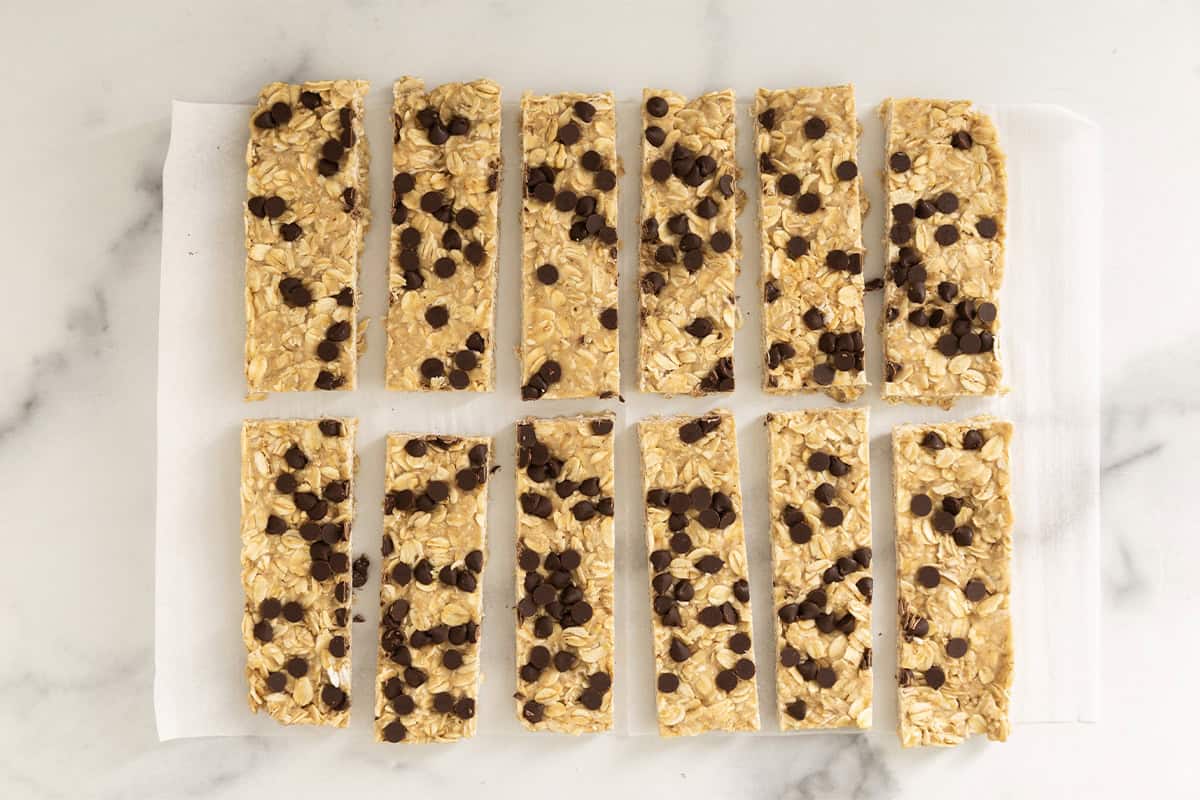
The temperature of the mixture is vital when adding the chocolate chips. If the mixture is too warm, the chocolate will melt entirely, resulting in a chocolate-flavored bar rather than a classic chip-studded one. A brief cooling period before the final fold ensures that the chocolate chips remain distinct, providing that quintessential "snap" in every bite.
4. Compression and Stabilization
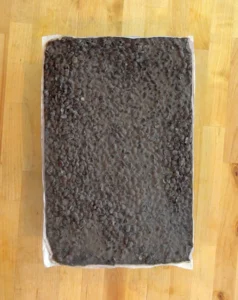
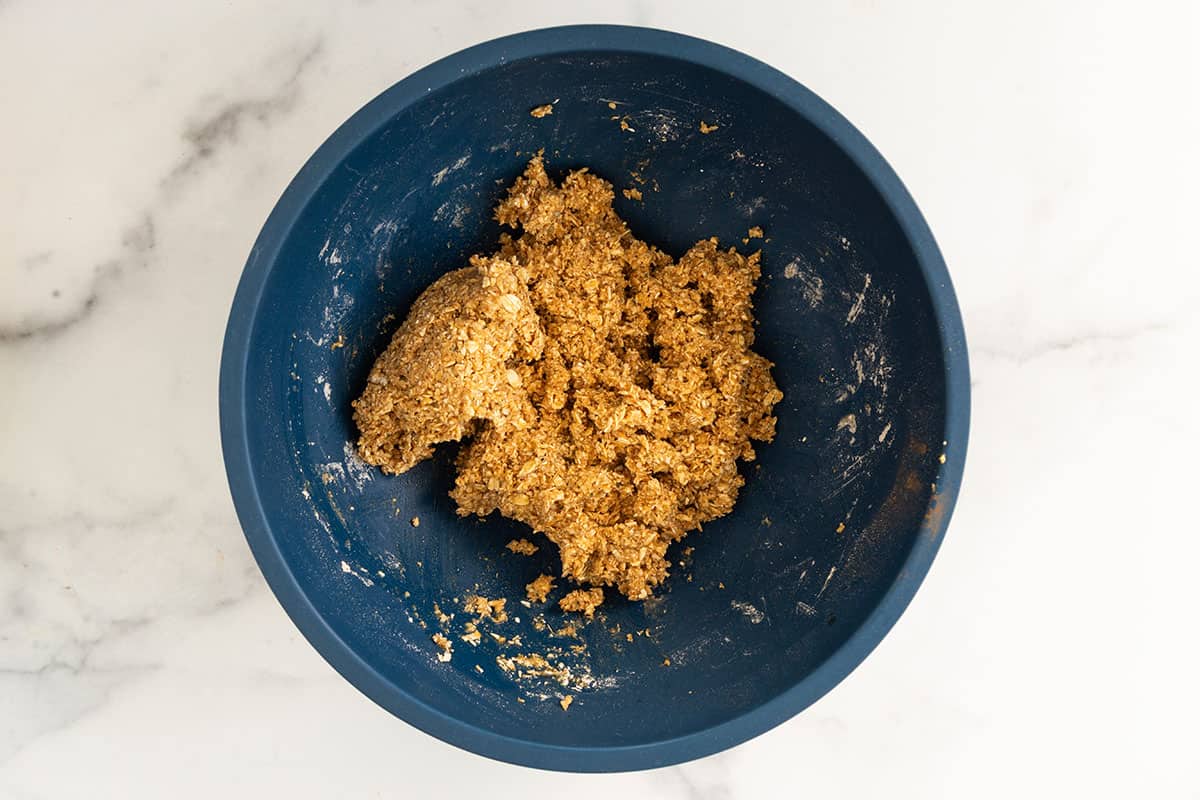
The final step is the most important for structural integrity. The mixture must be pressed into a parchment-lined pan with significant force. Using a spatula or the bottom of a glass to compress the mixture into a uniform, dense layer is what gives these bars their "store-bought" feel. They must then be chilled—typically for several hours—to allow the coconut oil to solidify, locking the ingredients into a sliceable, firm, yet chewy bar.
Supporting Data: Nutrition and Economic Impact
When analyzing the nutritional profile of these homemade bars, the advantages over processed snacks are clear. A standard serving of these bars contains approximately 187 calories, with a balanced distribution of fats and carbohydrates.
- Fiber Content: Each bar provides approximately 2 grams of fiber, essential for digestive health in children.
- Mineral Density: By using rolled oats as a primary ingredient, these bars provide a steady release of energy, avoiding the "sugar crash" often associated with highly refined snack bars.
- Cost-Efficiency: When purchased in bulk, oats, honey, and chocolate chips are some of the most affordable pantry items. Estimates suggest that by switching to homemade, a family can reduce their snack-time expenditure by 40% to 60% annually.
Official Perspectives: The Philosophy of "Yummy Toddler Food"
Experts in child nutrition often emphasize the psychological benefits of involving children in the kitchen. The no-bake format is particularly well-suited for this. Because there is no heat involved, children can safely participate in the stirring, pressing, and slicing process. This hands-on engagement is proven to increase the likelihood of children trying and enjoying healthier snacks, as they feel a sense of ownership over the final product.
Furthermore, the versatility of these bars allows parents to customize ingredients to meet specific dietary needs. Whether you are dealing with a nut allergy, a requirement for gluten-free oats, or a desire to incorporate hidden protein powders or ground seeds, the no-bake formula is incredibly forgiving.
Implications: Why This Matters for Modern Families
The shift toward homemade snacks is not merely a trend; it is a response to the increasing complexity of food labels. When parents prepare these bars, they eliminate "mystery" ingredients such as high-fructose corn syrup, artificial preservatives, and stabilizers that are common in mass-produced items.
The Storage Factor
A common misconception is that homemade bars have a short shelf life. In reality, when stored properly in an airtight container in the refrigerator, these bars can remain fresh for up to two months. This allows for "batch cooking" on a Sunday afternoon, ensuring that the lunchbox requirements for the entire week are met with minimal daily effort.
Sustainability and Waste Reduction
Beyond health, there is the environmental impact. By producing snacks at home, families significantly reduce their reliance on single-use plastic packaging. Transitioning to a reusable container system for these bars contributes to a smaller household carbon footprint—a silent but significant benefit of the "no-bake" lifestyle.
Final Thoughts on Culinary Success
For those looking to achieve the perfect texture, the secret lies in the quality of the oats and the firmness of the press. Do not rush the chilling process; patience in the refrigerator is the difference between a loose mixture and a perfectly formed snack bar.
As we look toward the future of home cooking, the emphasis will continue to shift toward recipes that prioritize time, budget, and health. The Chocolate Chip No-Bake Granola Bar is more than just a recipe; it is a blueprint for a more intentional, nourishing way to fuel our families. Whether paired with a morning smoothie or served as a post-school treat, these bars offer a reliable, delicious, and deeply satisfying solution to the eternal question: "What is there to eat?"
By embracing these simple, wholesome ingredients, we reclaim the power to define what "convenience" looks like in our own kitchens, proving that the best food doesn’t always come from a factory—it comes from the pantry.