The Evolution of the Kindle: Navigating Amazon’s New Scribe Lineup and the Future of E-Reading
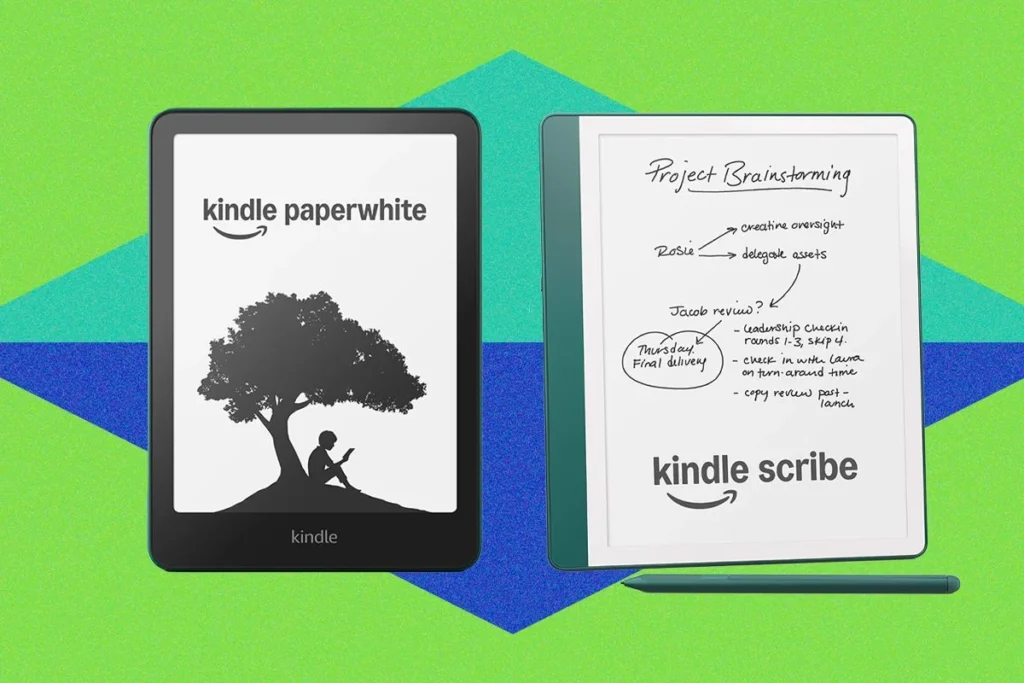
The landscape of digital reading and note-taking has undergone a significant transformation between late 2025 and mid-2026. Amazon, the undisputed titan of the e-reader market, has introduced a revamped suite of Kindle Scribe devices, signaling a strategic shift toward more versatile, productivity-oriented hardware. This latest generation—comprising the Kindle Scribe, the Kindle Scribe Colorsoft, and the Kindle Scribe Without Front Light—represents a bold attempt to bridge the gap between a distraction-free reading experience and a robust digital notebook.
However, for the average consumer, this expansion of the product line brings a complex set of choices. With varying price points, battery life specifications, and screen technologies, choosing the "right" Kindle has become more nuanced than ever.
A Chronology of the New Scribe Era
The rollout of the current Scribe generation began in late 2025 and reached full market availability by June 2026. This period marks a departure from Amazon’s historically slow-and-steady hardware release cycle.
- Late 2025: Initial launch of the third-generation Scribe series, introducing the taller 11-inch form factor and the enhanced stylus.
- Early 2026: Integration of advanced AI-driven features, including document summarization tools, aimed at capturing the academic and professional market.
- June 2026: Market stabilization, with the three distinct tiers—Standard, Colorsoft, and "Without Front Light"—becoming the flagship options for power users.
The Three Pillars: Comparing the New Scribes
While the underlying software experience remains consistent across the range, the hardware specifications create distinct user profiles.
1. The Kindle Scribe Colorsoft ($630)
The flagship model, the Colorsoft, is the most ambitious. It brings a color e-ink display to the large-format Scribe, offering a visual experience previously unavailable on the platform. However, this technology comes with a trade-off: battery longevity. Users can expect approximately eight weeks of reading time—a respectable figure by general tablet standards, but noticeably lower than its monochromatic siblings.
2. The Kindle Scribe, 3rd Gen ($550)
Positioned as the "Goldilocks" device, the third-generation Scribe is the balanced choice for most users. It retains the classic e-ink look while offering a 12-week battery life. It is designed specifically for those who prioritize note-taking, heavy annotation, and PDF markups without needing the color saturation of the high-end model.
3. The Kindle Scribe Without Front Light ($430)
This specialized model is a nod to purists. By removing the front-light hardware, Amazon has managed to eke out an industry-leading 16 weeks of battery life. It is the most utilitarian option, ideal for long-form readers who spend their time in well-lit environments and want the lowest possible maintenance cycle.
Technical Advancements and AI Integration
All three models share a common DNA: a taller, more ergonomic 11-inch screen, a slimmer profile, and a refined stylus that feels more responsive than previous iterations. Under the hood, the integration of a new quad-core chip powers a redesigned homepage and an array of artificial intelligence capabilities.
Perhaps the most significant addition is the AI search functionality, which allows users to query their entire library or specific documents for information. Furthermore, Amazon has announced plans for AI-driven book summarization tools—features designed to help students and researchers parse long-form text without encountering spoilers. Another critical upgrade is the seamless integration with cloud services like Google Drive and Microsoft OneDrive, allowing for real-time document syncing and annotation that was previously cumbersome on earlier generations.
The Verdict: Value vs. Utility
Despite the technological leaps, a critical question remains: are the upgrades worth the premium price? For many, the answer is a qualified no. The second-generation Kindle Scribe remains a formidable device. While it lacks the latest AI search features, its current price point offers a level of value that the new 2026 lineup struggles to match.
For those who find the price of the new Scribes prohibitive, the reMarkable line of digital notebooks remains a strong competitor. ReMarkable devices often excel in writing feel and distraction-free focus, often providing a more tailored experience for those who view their device primarily as a notebook rather than a multimedia reader.
Accessories for the Ergonomic Reader
As screen sizes increase, so does the risk of hand fatigue. The new, larger Scribes are heavier, making accessories more relevant than ever.
- Tablet Pillow Stand Holders: For long reading sessions in bed or on the couch, these stands provide a stable base, often featuring built-in receptacles for mugs or snacks, turning the Kindle into a true leisure hub.
- Gooseneck iPad Holders: For those who prefer hands-free reading, a 3-foot gooseneck clamp allows the Scribe to be positioned at eye level, effectively mitigating neck and wrist strain.
- Hand Straps and PopGrips: Silicone hand straps, such as the Strapsicle, allow for a secure, adhesive-free grip, while the new MagSafe-compatible cases from PopSockets offer a customizable way to anchor the device in the palm.
Protecting Your Investment
While Kindles are notoriously more durable than the average glass-backed smartphone, the increased surface area of the 11-inch Scribe makes protection a wise investment. Options range from slim, clear cases from brands like CoBak—which provide reinforced corner protection—to more robust, full-cover cases from Moko that include integrated stands and hand straps.
The Legacy of Older Models
As Amazon pushes forward, the status of legacy hardware is a point of concern for long-term users. The company has officially ceased support for devices released in 2012 or earlier. These models can no longer access the Kindle Store directly or register to an Amazon account. While they remain functional for side-loaded content, they are effectively "frozen" in time.
If you are in the market for a used device, the following models remain viable if the price is right:
- Kindle (2022, 11th Gen): Excellent for one-handed use, though supply is dwindling.
- Kindle Paperwhite (2021, 11th Gen): Still the benchmark for the "best value" Kindle, featuring a 6.8-inch screen, waterproofing, and warm lighting.
- Kindle Scribe (1st Gen): Still a highly capable note-taking tool for those who can find it for under $230.
Navigating Customer Support and Common Concerns
A notable point of contention in recent years has been the "yellow bar" issue—a display discoloration reported by some users of the Colorsoft series. Amazon has confirmed that customers encountering this issue are eligible for replacements or refunds, stating that they are making adjustments to the manufacturing process. It is a reminder that even at the high end of the market, hardware quality control remains a critical factor.
Strategies for Economical Reading
Kindle ownership doesn’t have to be an expensive habit.
- Kindle Unlimited: For $12 a month, users get access to a massive library, including audiobooks and magazines.
- Prime Reading: Included with a standard Prime membership, it offers a rotating selection of titles for no additional cost.
- Public Libraries: The most underutilized resource remains the digital library loan system. Through platforms like Libby (integrated with many library systems), readers can access thousands of titles for free.
Final Reflections
The Kindle ecosystem in 2026 is a mature one. Amazon has successfully segmented its audience, offering a device for every type of reader—from the minimalist who wants a 16-week battery life to the power user who demands color and AI-driven document management.
When deciding on a purchase, remember that the "best" Kindle is not necessarily the one with the newest processor or the most AI features, but the one that disappears into the background, allowing you to get lost in your reading or your work. Before buying, always check for major sales events, such as Prime Day or Black Friday, where the cost of entry for these devices drops significantly. With the rapid evolution of technology, patience is often the greatest asset in the reader’s toolkit.