The Ultimate Gluten-Free Indulgence: Mastering the Art of Chocolate Banana Bread
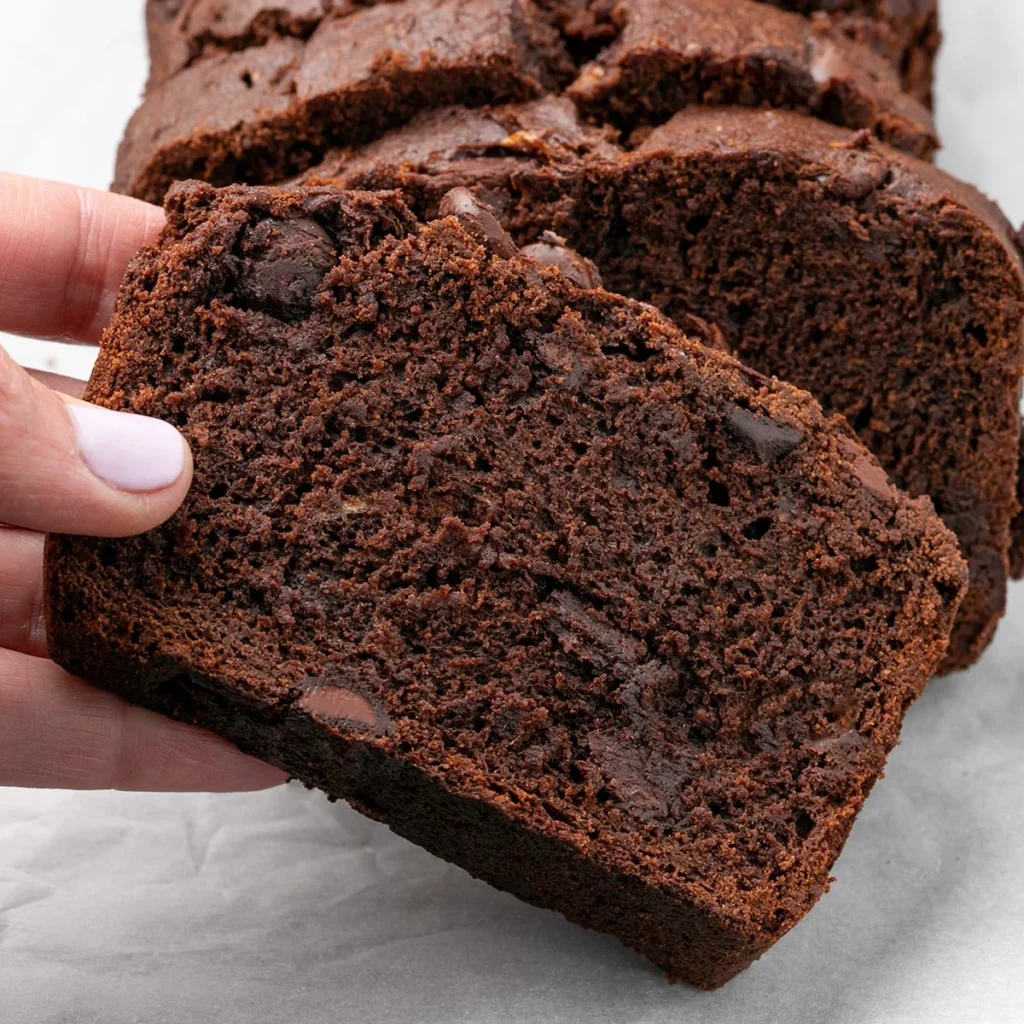
For the gluten-free community, the search for the perfect quick bread—one that balances structural integrity with a moist, decadent crumb—has long been the "holy grail" of home baking. Often, gluten-free versions of classic favorites like banana bread result in a crumbly, dry, or flavorless product that fails to satisfy the palate. However, a new approach to the traditional loaf is changing the narrative, merging the deep, complex notes of dark chocolate with the nostalgic sweetness of ripe bananas.
This specialized recipe for Gluten-Free Chocolate Banana Bread represents a significant step forward in alternative baking. By moving beyond the simple inclusion of chocolate chips, this method utilizes a dual-chocolate technique—incorporating both cocoa powder and melted baking chocolate—to create a loaf that is as much a dessert as it is a morning staple.
Main Facts: The Anatomy of a Perfect Loaf
The hallmark of this recipe is its sophisticated flavor profile and deliberate texture management. Unlike standard banana breads that rely solely on the fruit for moisture and sweetness, this version treats the banana as a structural component. The bananas are beaten directly into the wet ingredients, a process that ensures the fruit’s moisture is fully released to hydrate the gluten-free flour blend.
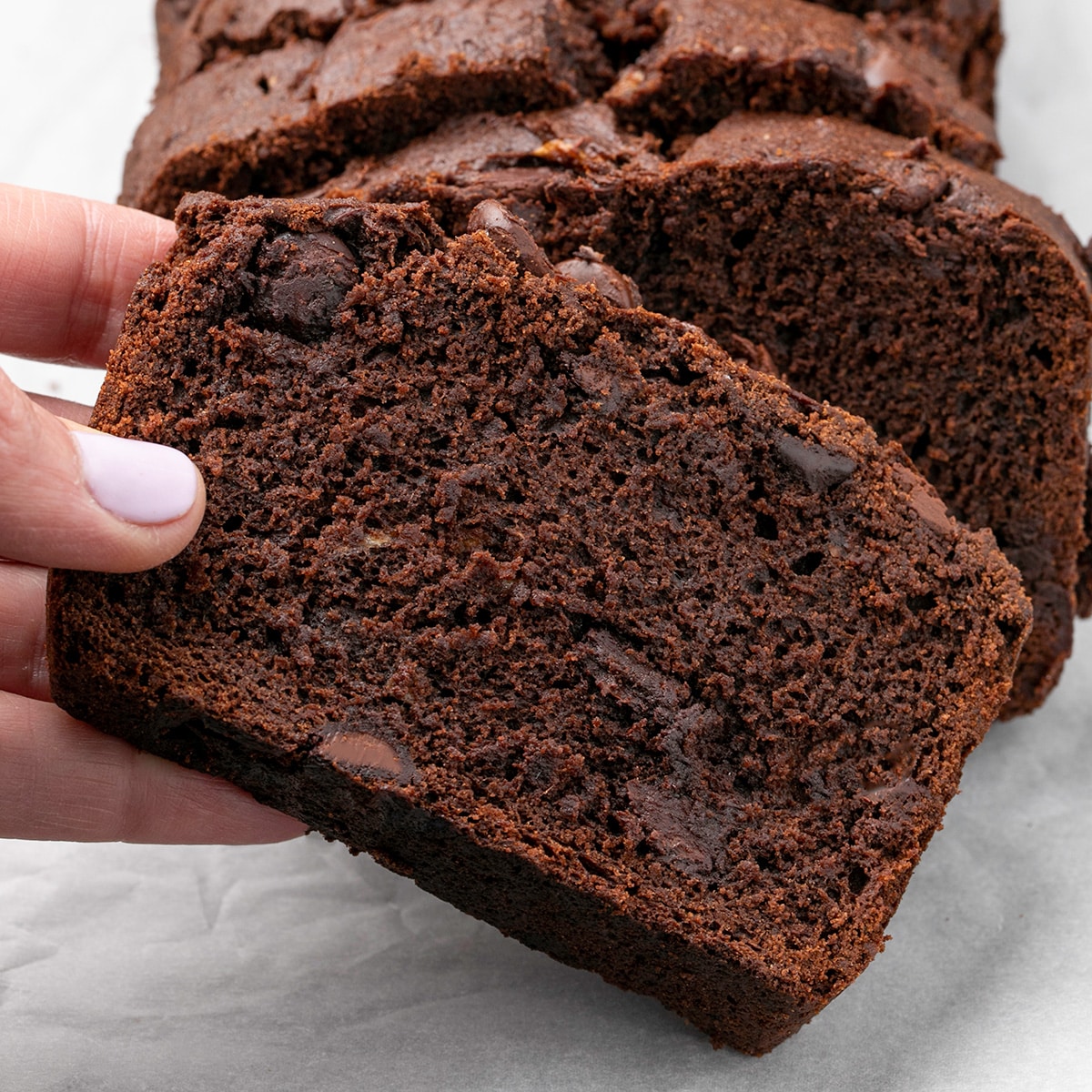
The primary innovation here is the use of high-cacao-content melting chocolate (ideally 65% cacao). When combined with the cocoa powder, this creates a "fudgy" crumb that is inherently difficult to achieve without gluten. The result is a loaf that feels substantial, tender, and rich, avoiding the chalky aftertaste often associated with store-bought gluten-free flour mixes.
Chronology: A Step-by-Step Culinary Process
Achieving the perfect bake requires precision, particularly regarding the handling of ingredients and the timing of the process.
Phase 1: Preparation and Emulsification
The process begins with the careful melting of dark chocolate. By using a microwave on reduced power in 30-second intervals, the baker ensures the chocolate remains smooth and stable. This step is critical; it creates an emulsion that, when beaten with butter and sugar, provides a velvet-like base for the batter.
Phase 2: The Dry-to-Wet Integration
In a secondary bowl, the dry ingredients—cocoa powder, gluten-free flour (with xanthan gum), baking powder, and soda—are whisked thoroughly. This ensures the cocoa powder, which is notoriously difficult to dissolve, is evenly distributed. Integrating the dry mix into the wet base requires a steady hand, as the batter will be notably thick.
Phase 3: The Fold and Bake
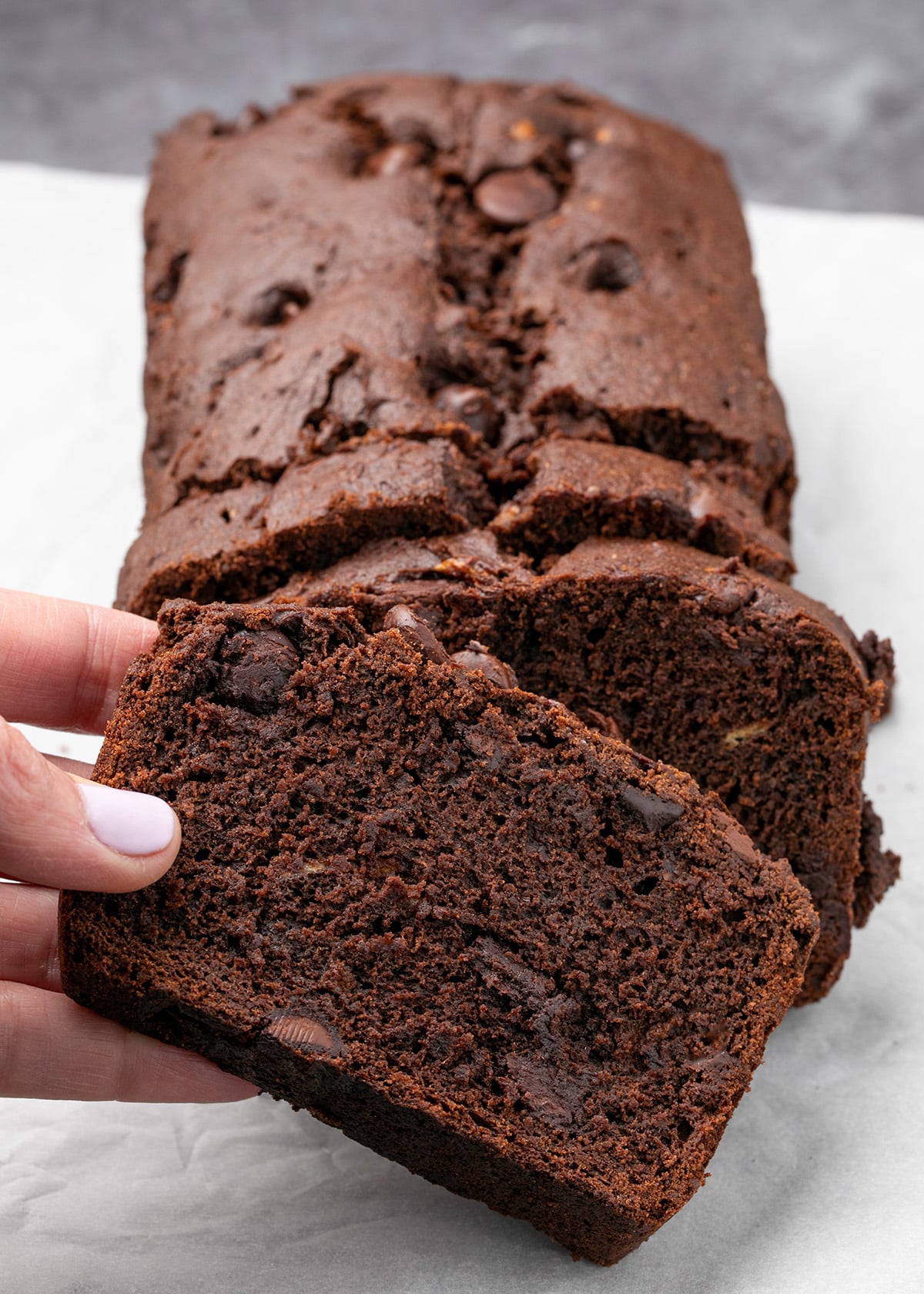
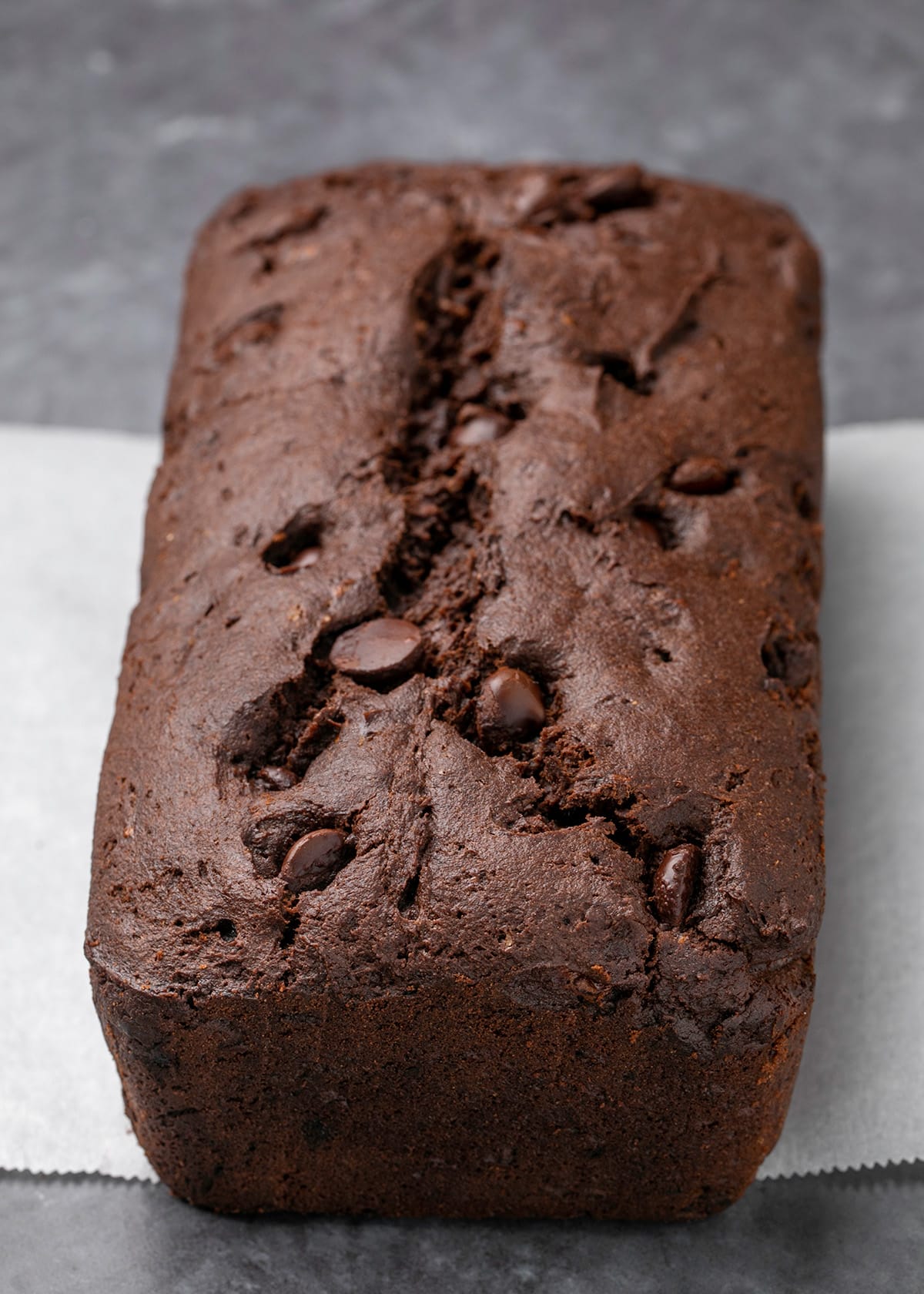
Once the base is established, the final additions of chocolate chips and hand-chopped banana chunks are folded in. This creates pockets of texture that prevent the loaf from becoming one-dimensional. The bread is then scored lengthwise before being placed into a light-colored loaf pan. The scoring serves a functional purpose: it encourages steam to escape in a controlled manner, preventing the loaf from cracking unevenly.
Phase 4: Temperature Control and Cooling
The baking process takes approximately 55 minutes at 350°F. Because the bread is dark in color, visual cues for doneness are unreliable. Bakers are advised to use the "toothpick test" to ensure the center is set. Once removed, the cooling process is non-negotiable; allowing the bread to rest for 45 minutes on a wire rack ensures the starches set, preventing the loaf from collapsing or crumbling during slicing.
Supporting Data: Nutrition and Technical Specifications
For those tracking nutritional intake, this recipe offers a caloric profile consistent with premium quick breads. A single serving (one slice) contains approximately 363 kcal, with 17g of fat and 5g of dietary fiber. The significant fiber content is a direct result of the banana-cocoa integration.
| Nutrient | Amount per Serving |
|---|---|
| Calories | 363 kcal |
| Carbohydrates | 52g |
| Protein | 4g |
| Fat | 17g |
| Sugar | 25g |
Technically, the use of two eggs is recommended over one. While the recipe is functional with a single egg, the second provides additional structure and "lift," which is vital when working with gluten-free flours that lack the elastic properties of traditional wheat gluten.
Expert Perspectives: Troubleshooting and Refinements
The development of this recipe comes from industry experts who emphasize the importance of equipment. Specifically, the use of light-colored, nonstick cast aluminum pans is highly recommended. Dark-colored pans absorb heat too rapidly, often resulting in a burnt exterior while the center remains raw. This is a common pitfall in gluten-free baking, where the lack of gluten slows down heat conductivity through the dough.
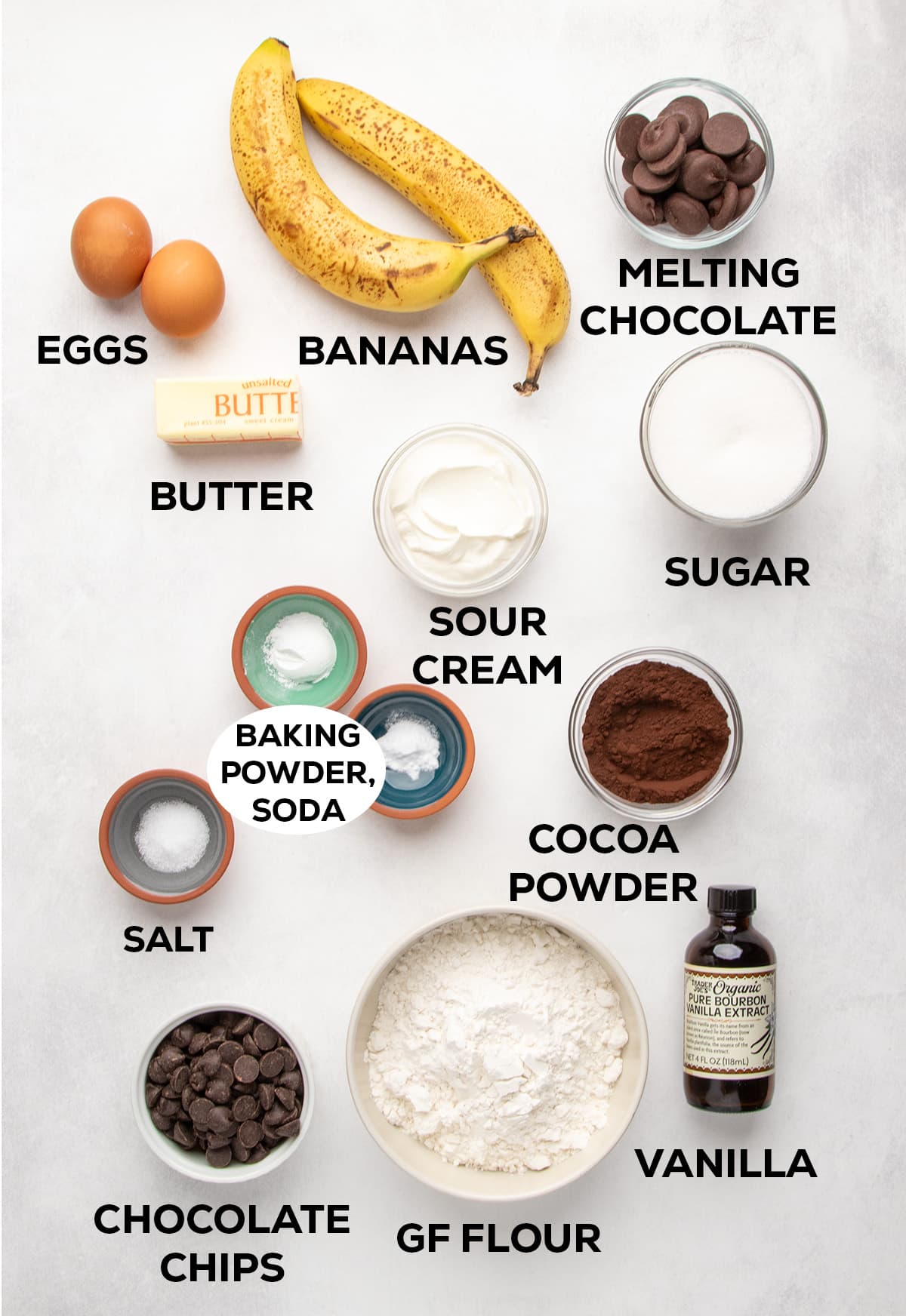
Furthermore, the "ripeness" of the banana is not merely a preference but a chemical necessity. Naturally ripened bananas develop the essential sugars needed for a moist crumb. The practice of "oven-ripening" bananas—where the fruit is heated to blacken the skin—is discouraged, as it fails to trigger the enzymatic breakdown of starches into sugars that truly characterizes high-quality banana bread.
Implications for the Gluten-Free Kitchen
The implications of this recipe extend beyond a single loaf; it highlights a shift in how the gluten-free community approaches "luxury" baking. By focusing on ingredient quality—such as selecting the right cocoa percentage and utilizing specific flour blends like Better Batter or Bob’s Red Mill 1-to-1—bakers can achieve professional-grade results at home.
The recipe also addresses the common "sinkhole" phenomenon—where a loaf rises in the oven only to collapse upon cooling. Experts note that this is usually a symptom of an oven running too hot or insufficient baking time, which leaves the center of the loaf under-set. By utilizing an oven thermometer and ensuring the loaf is fully baked through, home bakers can achieve a product that rivals artisan bakery standards.
Ingredient Substitutions and Flexibility
The recipe is intentionally designed for inclusivity. For those requiring dairy-free modifications, the use of block-style vegan butter—specifically brands that prioritize high fat content—is essential. Tub-style margarine contains too much water and oil, which can compromise the structural integrity of the bread. Similarly, replacing sour cream with strained, thick Greek-style yogurt is an acceptable adjustment for those seeking a different tang profile.
Ultimately, this recipe serves as a masterclass in balance. It proves that gluten-free baking does not have to be a compromise. Through a rigorous process of ingredient selection, precise temperature management, and a deep understanding of the chemical interactions between fruit, chocolate, and gluten-free starches, home bakers can produce a loaf that stands on its own merits—delicious, moist, and definitively chocolatey.
For the home cook, the path to a perfect loaf is no longer hidden behind complex, unattainable techniques, but rather, through the deliberate and careful execution of these fundamental principles.