The Gold Standard: Mastering the Art of the Bakery-Style Gluten-Free Blueberry Muffin
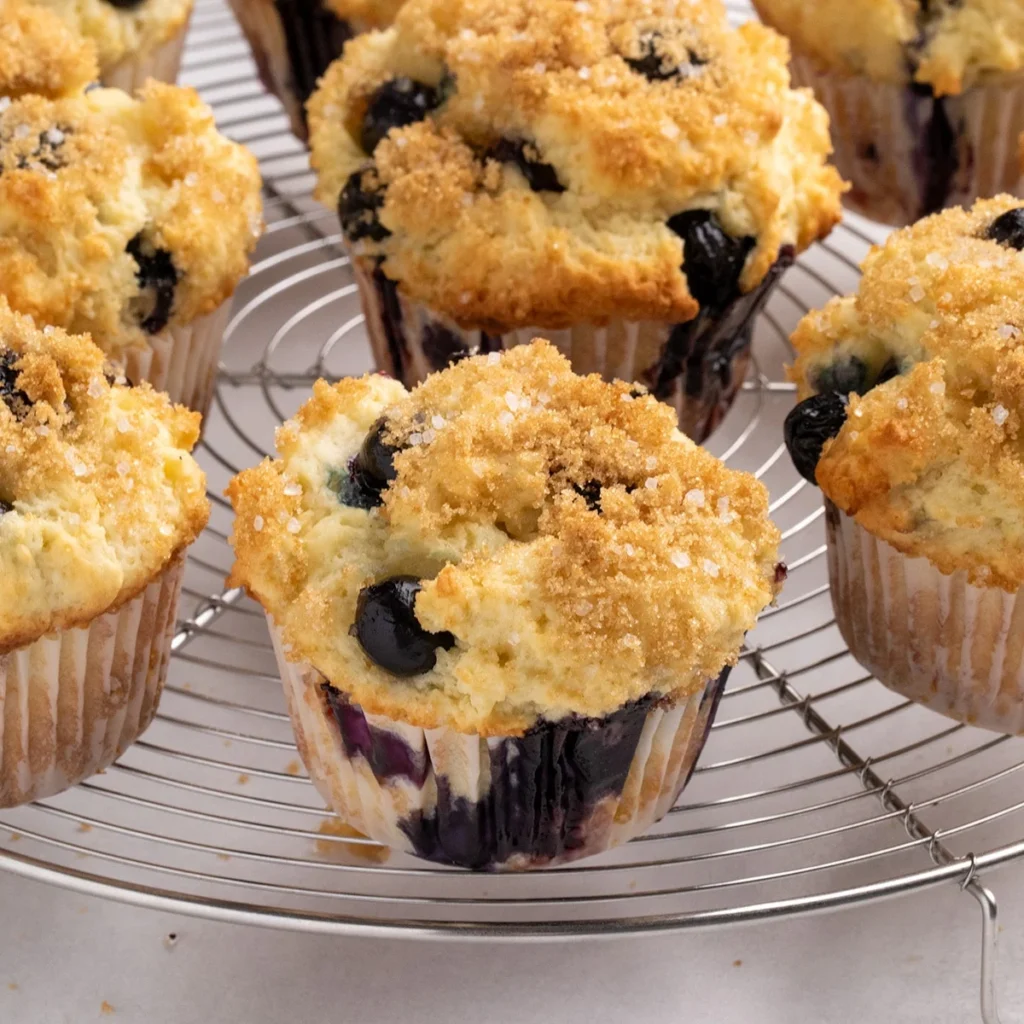
For those navigating the complexities of a gluten-free diet, the humble blueberry muffin has long been a source of culinary frustration. Too often, gluten-free versions are characterized by a gritty texture, a tendency to collapse under the weight of the fruit, or a dense, unappealing crumb that fails to mirror the lofty, craggy-topped marvels found in professional bakeries. However, a new approach to formulation—emphasizing structural integrity through precise chemistry—is changing the landscape of home baking.
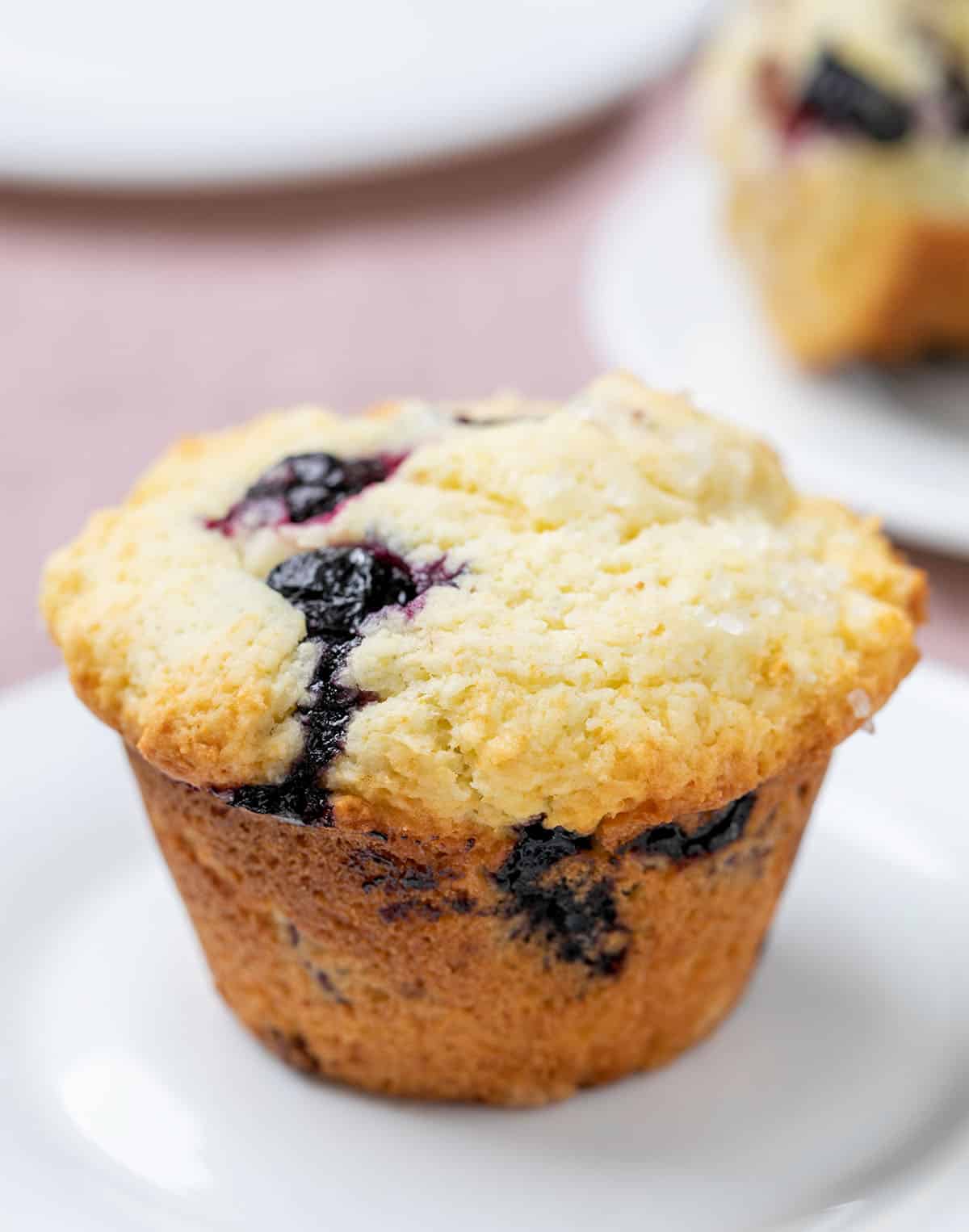
These tender, sweet, and structurally sound blueberry muffins are not merely a modification of a standard recipe; they are a masterclass in gluten-free baking science. By leveraging specific binders, acidity levels, and thermal shock techniques, home bakers can now achieve bakery-quality results without the need for complex machinery or overnight chilling.
Main Facts: The Anatomy of a Perfect Muffin
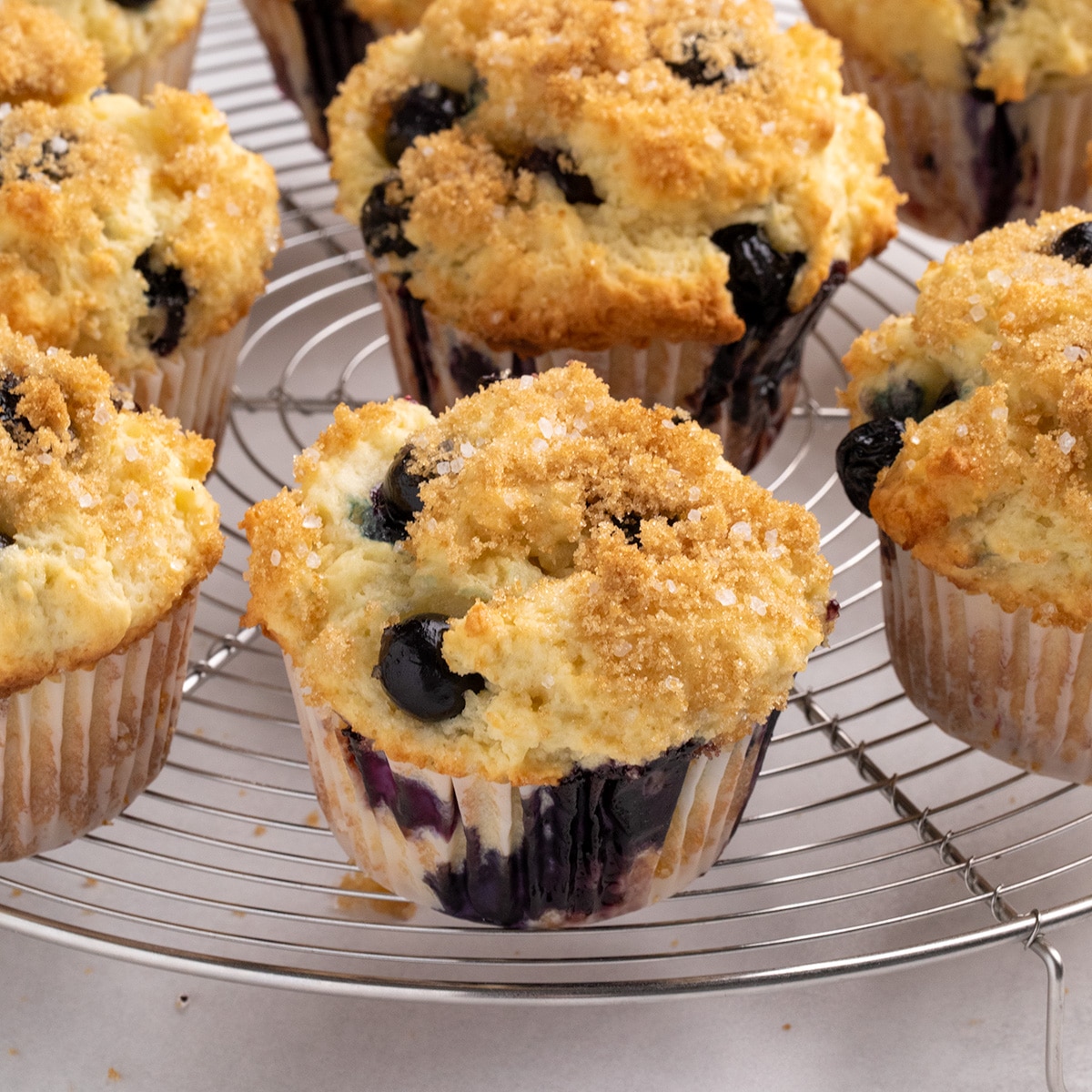
The secret to a successful gluten-free muffin lies in the balance between moisture and structural support. Unlike wheat-based flours, which provide natural elasticity through gluten strands, gluten-free flour blends require supplemental binders—most notably xanthan gum—to mimic that network.
The primary challenge with blueberry muffins is "berry sinkage." When heavy, juicy berries are folded into a thin batter, they inevitably plummet to the bottom of the muffin tin, resulting in a caramelized mess at the base and a bland top. This recipe solves this through two critical methods:

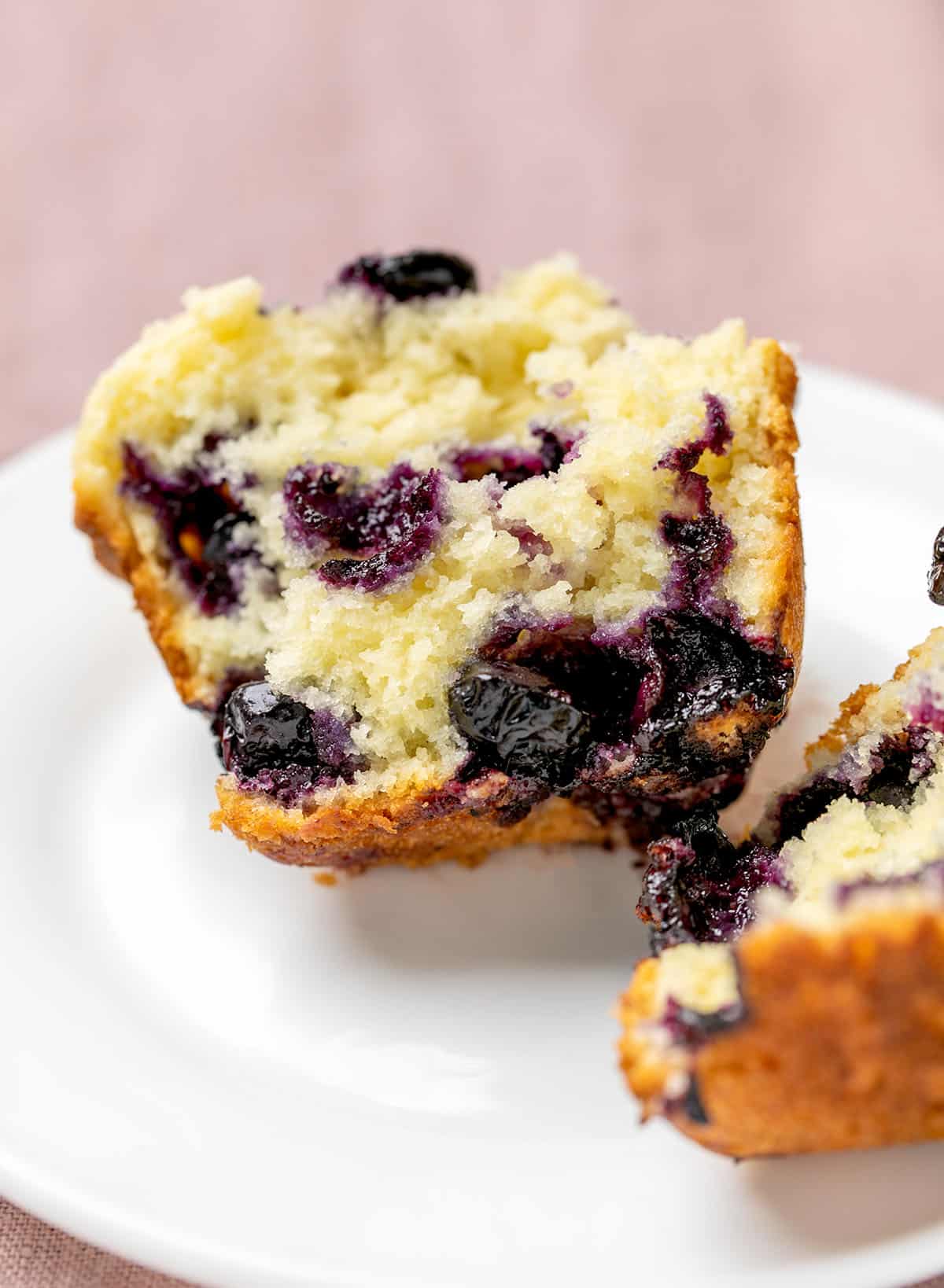
- The Thick-Batter Protocol: By optimizing the ratio of fat to flour and increasing the xanthan gum content, the batter gains the viscosity necessary to suspend blueberries throughout the cup during the leavening process.
- The Flour-Coat Technique: By tossing the berries in a small amount of the dry mixture before integration, the baker creates a friction-based barrier that prevents the fruit from sinking.
Chronology: The Step-by-Step Evolution of the Bake
Achieving the iconic, high-domed top requires a disciplined approach to the preparation and baking process.
Phase 1: Preparation and Leavening
The process begins with a dual-temperature oven strategy. The oven is preheated to 400°F. This initial high heat is essential for a "spring" effect; it forces the gases in the leavening agents (baking powder and baking soda) to expand rapidly before the structure of the muffin sets.
Phase 2: The Wet-Dry Integration
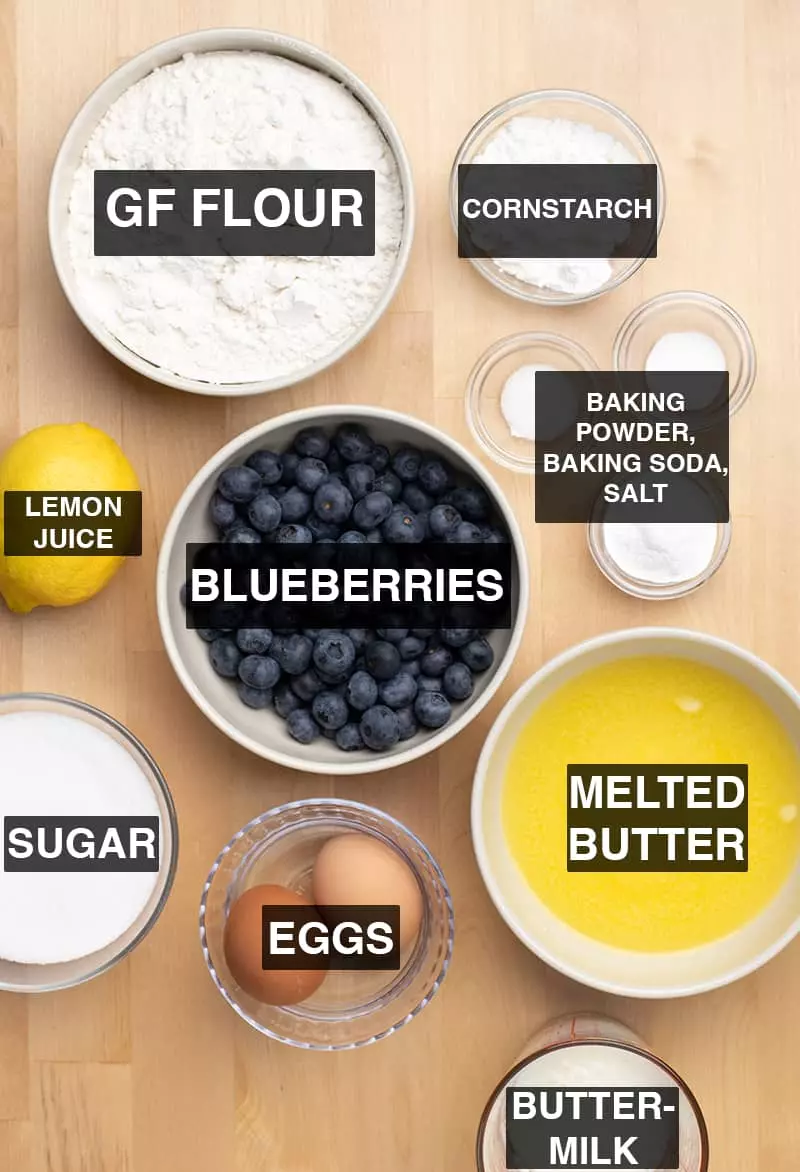
In a medium bowl, the wet ingredients—melted and cooled butter, buttermilk, lemon juice, and eggs—are whisked until fully emulsified. The use of buttermilk is deliberate: its acidity reacts with the baking soda to provide a gentle, consistent lift, while the lactic acid ensures a tender crumb. Meanwhile, the dry ingredients are combined in a larger vessel. The goal here is to avoid over-mixing. Once the wet and dry components meet, the batter is stirred just until the point of hydration.
Phase 3: The Folding Process
Blueberries are added last. Whether fresh or frozen, the berries are coated in a tablespoon of flour. They are folded in with a light hand to prevent the berries from bursting. If the skins rupture, the pigment will bleed into the batter, potentially altering the pH and the aesthetic appeal of the final product.
Phase 4: The Thermal Shift
The batter is divided into a 12-cup muffin tin. The cups are filled to the brim, with a slight mound in the center to encourage the dome shape. The muffins bake at 400°F for the first 10 minutes to set the crust and lift the dome, followed by a reduction to 350°F for the remaining 10 to 12 minutes to ensure the center is cooked through without scorching the exterior.
Supporting Data: Ingredient Science
The success of this recipe is rooted in the specific function of each component:

- Gluten-Free Flour Blend: A well-balanced blend is paramount. The author recommends professional-grade blends like Better Batter or Nicole’s Best. If using a standard blend like Bob’s Red Mill 1-to-1, an additional 3/4 teaspoon of xanthan gum is mandatory to prevent the "crumbly" syndrome common in gluten-free baking.
- Cornstarch: This acts as a softener. By slightly diluting the protein content of the flour blend, it ensures the muffin remains tender rather than chewy.
- Lemon Juice: Beyond its bright, citrus notes, the acidity of the lemon juice acts as a secondary catalyst for the baking soda, ensuring the muffin rises to its maximum potential.
- Sugar: A combination of granulated sugar and a light brown sugar topping creates a dual-layer sensory experience: a sweet, soft interior and a crisp, caramelized exterior.
Official Guidance and Expert Tips
For those looking to troubleshoot their bakes, industry experts offer several critical "don’ts":
- Don’t Thaw Frozen Berries: This is a common amateur error. Thawing causes the berries to release excess water, which leads to a purple, soggy, and dense muffin. Using them frozen ensures they retain their integrity until they are encased in the setting batter.
- The "Water Well" Technique: If you are using a 12-cup tin but have enough batter for only 11 muffins, fill the empty 12th cup with a small amount of water. This ensures even heat distribution across the pan and prevents the other muffins from baking unevenly.
- The Patience Factor: Upon removing the muffins from the oven, they must rest in the tin for 10 minutes. This is not a suggestion but a requirement of starch retrogradation. The internal structure needs this time to cool and stabilize; cutting into them too early will result in a gummy texture.
Implications for the Gluten-Free Lifestyle
The development of recipes that mimic traditional bakery textures has profound implications for the gluten-free community. It shifts the narrative from "making do" with compromised food to enjoying high-quality, professional-grade baked goods at home.

For families with mixed dietary needs, these muffins offer a bridge. Because the texture, rise, and flavor profile are indistinguishable from wheat-based counterparts, they remove the social stigma and culinary divide that often accompanies restricted diets. Furthermore, the economic accessibility of these ingredients—utilizing pantry staples like eggs, buttermilk, and butter—aligns with the "shoestring" philosophy of high-value, cost-effective cooking.
Substitutions and Customization
While the base recipe is optimized, versatility is key for modern home cooks:
- Dairy-Free: By swapping buttermilk for a mixture of plain dairy-free yogurt and unsweetened plant-based milk, and using block-style vegan butter (like Miyoko’s), the recipe remains fully dairy-free without sacrificing the fat content required for a moist crumb.
- Corn-Free: Substituting cornstarch with arrowroot or potato starch provides a nearly identical texture for those with corn sensitivities.
- Egg-Free: While standard eggs provide the best structure, chia eggs or commercial replacers like JustEgg offer a viable path, though bakers should expect a slightly lower volume in the final rise.
Ultimately, the quest for the perfect gluten-free blueberry muffin is a journey of understanding the science behind the starch. By respecting the chemical reactions between acidity, fat, and binding agents, home bakers can consistently produce a treat that stands up to any conventional bakery standard. Whether served as a quick breakfast or a sophisticated brunch addition, these muffins prove that a restricted diet does not have to result in restricted flavor.