The Great Squat Debate: Unpacking the Science Behind Optimal Defecation Posture and the Squatty Potty Phenomenon
Sanitation science, often confined to the realm of the unspoken, is experiencing a quiet revolution. At its heart lies a deceptively simple device and a profound question: Does the way we sit on the toilet fundamentally impact our digestive health? The Squatty Potty, a seemingly innocuous bathroom stool, has brought this intimate inquiry into the mainstream, prompting both scientific scrutiny and widespread adoption. This article delves into the research, history, and broader implications of defecation posture, exploring whether a return to more traditional positions offers a pathway to better bowel health.
Main Facts: Redefining the "Normal" Bathroom Experience
For centuries, much of the world has performed a daily ritual that Western societies have largely abandoned: squatting to defecate. In Asia and Africa, this natural posture remains commonplace, a testament to its long-standing efficacy. However, the advent of the modern porcelain throne in the West ushered in a new era of bathroom ergonomics, prioritizing comfort and perceived hygiene over physiological design. This shift, while culturally ingrained, has come under increasing scrutiny for its potential role in exacerbating common digestive complaints like constipation.
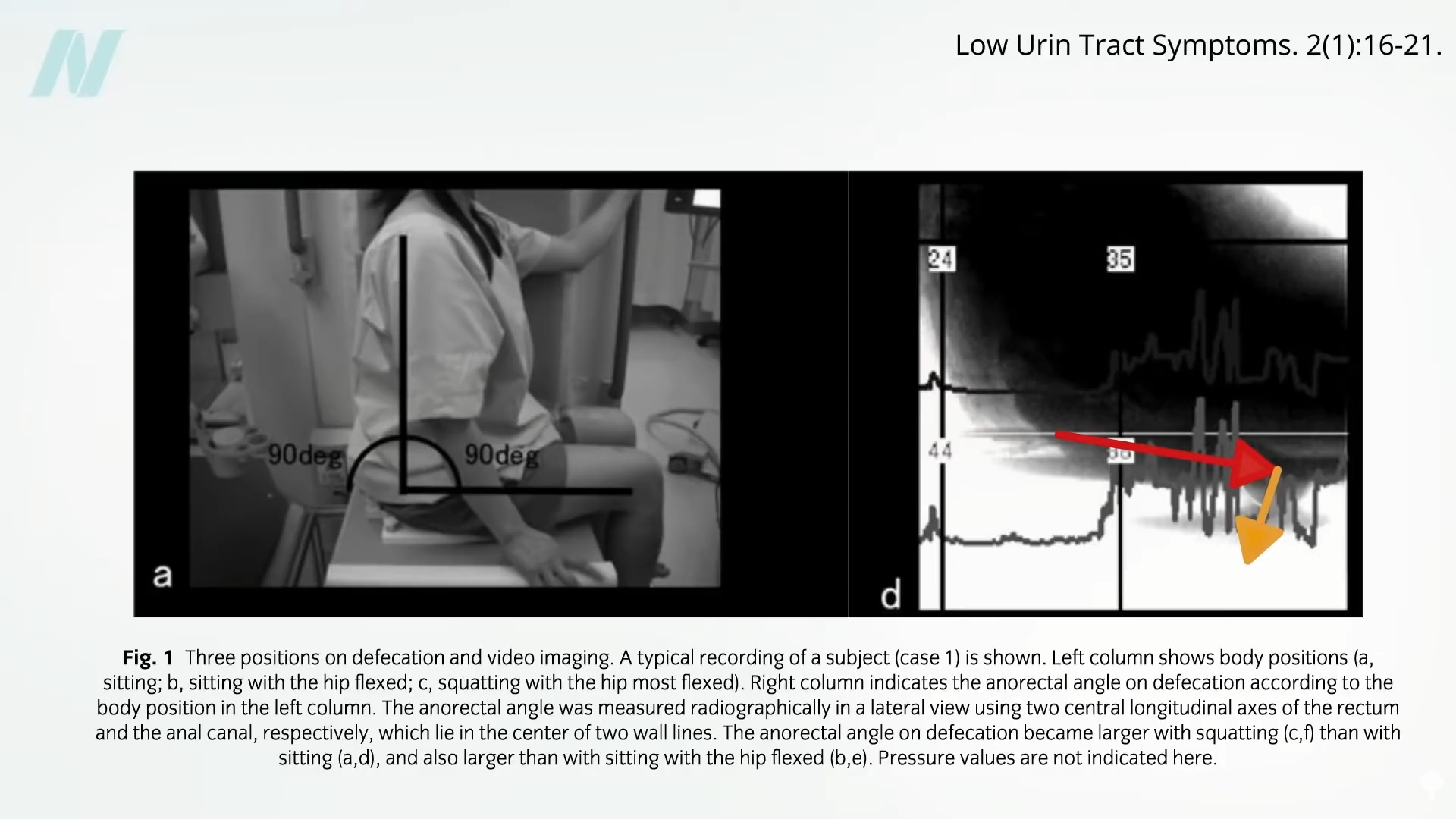
The core of the debate centers on the "anorectal angle." When we sit upright on a standard toilet, a kink forms at the junction of the rectum and anus, creating a nearly 90-degree bend. This angle, maintained by the puborectalis muscle, is crucial for continence, preventing accidental leakage. However, when it comes time to evacuate, this very mechanism can become an impediment, forcing the body to strain against its own design. Imagine trying to drive a car with the parking brake partially engaged – that’s essentially the challenge posed by a sitting posture during defecation.
Enter the "Defecation Posture Modification Device," more famously known as the Squatty Potty. This simple footstool elevates the knees, mimicking a squatting position even while seated on a conventional toilet. The intended effect is to relax the puborectalis muscle, straighten the anorectal angle, and facilitate a smoother, more complete bowel movement. Early research into similar, smaller devices yielded inconclusive results, but recent studies focusing on the Squatty Potty’s specific design have begun to offer compelling evidence of its effectiveness, reporting benefits such as increased feelings of bowel emptiness, reduced straining, and shorter toilet times.
Yet, the conversation extends beyond mere mechanics. A deeper look into historical and dietary contexts suggests that while posture is a significant factor, it may also be one piece of a larger puzzle that includes the critical role of dietary fiber and lifestyle. The shift from squatting to sitting, therefore, is not just an ergonomic change but potentially a symptom of a broader departure from practices that once supported optimal digestive function.
Chronology: From Ancient Squats to Modern Stools
The story of human defecation posture is a long and fascinating one, intertwining cultural evolution with anatomical realities.
Ancient Practices and Modern Shifts
For millennia, human beings across most cultures instinctively adopted a squatting position for bowel movements. This posture is not merely a matter of convenience; it is biomechanically advantageous. Archaeological evidence and anthropological observations confirm that ancient civilizations, from hunter-gatherer societies to the Romans (who often used communal squatting latrines), favored this natural stance. The squatting position naturally relaxes the puborectalis muscle, a sling-like muscle that wraps around the rectum, allowing for a straight, unobstructed path for waste to exit the body.
The transition to sitting toilets in Western societies was a gradual process, driven by evolving notions of comfort, status, and hygiene. Early versions of seated commodes appeared in aristocratic homes as far back as the 16th century, but it wasn’t until the 19th century that the flush toilet, as we largely know it today, became more widespread. Victorian sensibilities, coupled with advancements in plumbing technology and public health initiatives, championed the seated toilet as a mark of civilization and cleanliness. The perceived benefits included reduced exposure to waste, greater comfort, and a sense of privacy. This design became the global standard for Western bathrooms, largely without critical examination of its physiological implications. For generations, the sitting toilet became the unquestioned norm, shaping bathroom habits and inadvertently contributing to a host of digestive woes that were often attributed to diet or stress alone.
The Rise of the Squatty Potty
The re-evaluation of defecation posture gained significant public traction with the emergence of the Squatty Potty. Founded by the Edwards family in Utah, the company’s genesis was deeply personal. Bobby Edwards’ mother, Judy, suffered from chronic constipation, and after trying various remedies, she found significant relief by elevating her feet while on the toilet. This anecdotal discovery led to the development of a purpose-built stool, designed specifically to replicate the benefits of squatting.
What began as a grassroots effort quickly scaled. The Squatty Potty gained widespread attention following its appearance on the television show Shark Tank in 2014, where the founders secured an investment. This exposure, combined with ingenious viral marketing campaigns – most notably a whimsical and highly memorable commercial featuring a "pooping unicorn" – transformed the Squatty Potty from a niche product into a household name. The company’s success wasn’t just about selling a product; it was about initiating a conversation, albeit a humorous one, about a topic that had long been considered taboo. Their marketing bravely tackled the "unmentionable bodily function," making it accessible and even entertaining, thereby paving the way for wider acceptance and scientific inquiry.
Early Scientific Inquiry and Formal Research
Before the Squatty Potty’s mainstream success, academic interest in defecation posture was limited but growing. Early studies, often conducted in the 1970s and 80s, primarily focused on the biomechanics of defecation, noting the advantages of squatting in various anatomical measurements. However, practical applications and widespread recommendations were slow to materialize.
The first attempts to introduce squat-mimicking devices into Western bathrooms were met with mixed results. As noted in the introductory text, smaller footstools, often providing only a four-inch boost, were tested but "not found to make a difference in terms of self-described difficulty in defecating or the average time spent emptying one’s bowels." This initial lack of perceived efficacy contributed to skepticism within the medical community and among consumers. The limited height of these early risers likely failed to sufficiently alter the anorectal angle to produce a noticeable benefit, leading many to dismiss the concept.
The Squatty Potty, designed with a more substantial eight-inch elevation, was a game-changer in this regard. Its greater height provided a more pronounced physiological change, leading to more favorable outcomes in subsequent research. Researchers began to implement controlled studies, using devices specifically designed to modify defecation posture. A pivotal study, mentioned in the original text, formally evaluated the "Defecation Posture Modification Device" (i.e., the Squatty Potty). This research marked a significant turning point, moving the discussion from anecdotal evidence and theoretical biomechanics to empirical validation. The findings provided the scientific backing that the Squatty Potty and the broader movement towards squatting-assisted defecation needed to gain credibility.
Supporting Data: Anatomy, Evidence, and Risks
The argument for squatting isn’t just cultural or historical; it’s rooted deeply in human anatomy and physiology, supported by growing scientific evidence.
Anatomy and Physiology of Defecation
To fully grasp the benefits of squatting, one must understand the intricate mechanics of the lower digestive tract. The rectum, the final section of the large intestine, terminates at the anal canal. Crucially, surrounding this junction is the puborectalis muscle, a part of the levator ani group of muscles that form the pelvic floor. This muscle acts like a sling, pulling the rectum forward, which creates a sharp bend – the aforementioned anorectal angle.
In a sitting position, this angle is typically around 90 degrees. While this kink is essential for maintaining fecal continence, it also creates an obstacle during defecation. To overcome this, individuals often resort to straining, increasing intra-abdominal pressure to force stool through the constricted pathway.
When one squats, however, the hips are deeply flexed, and the thighs press against the abdomen. This position naturally relaxes the puborectalis muscle, allowing the rectum to straighten significantly. The anorectal angle widens, sometimes to over 130 degrees, creating a more direct and unobstructed path for stool. This anatomical change reduces the need for straining, allowing for a more complete and efficient bowel movement. The pelvic floor muscles, which are often over-strained in a sitting position, can also relax more effectively when squatting, contributing to overall ease.
Evidence from Studies: The Squatty Potty and "The Thinker"
The scientific community has increasingly turned its attention to objectively measuring the impact of defecation posture.
The study that formally tested the Squatty Potty yielded promising results. Participants reported "increased feelings of bowel emptiness," indicating more complete evacuation. They also experienced "reduced straining," a critical factor given the health risks associated with excessive pushing. Perhaps most notably for modern, time-conscious individuals, there was a reduction of "about a minute less of on-the-pot reading time." While a minute may seem trivial, cumulatively it speaks to greater efficiency and less discomfort. The primary "downside" noted was occasional discomfort, particularly when participants were new to the posture or using risers of six inches or more. This suggests an adaptation period or a need for ergonomic refinement.
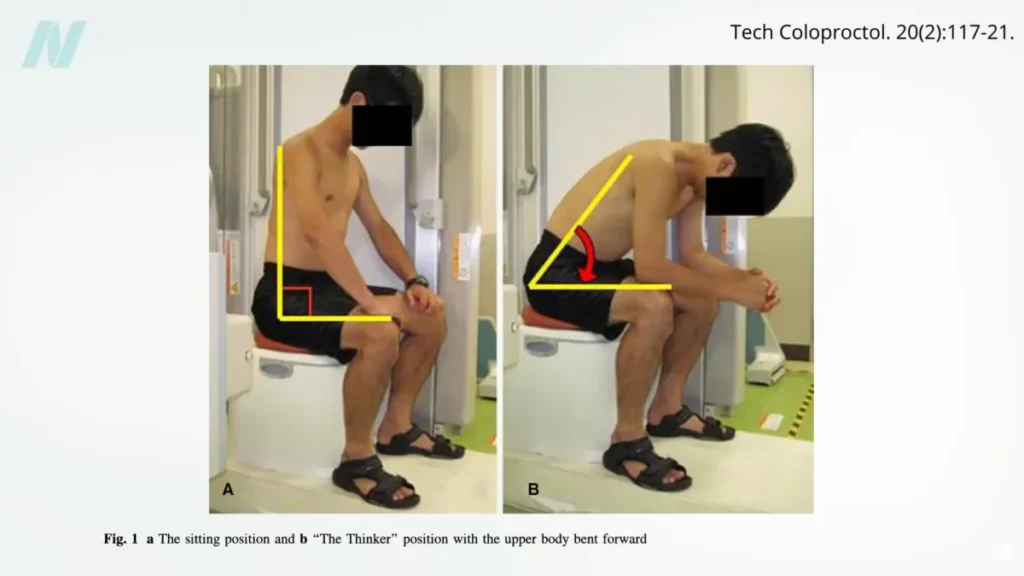
Beyond elevating the feet, researchers have explored other ways to achieve a similar straightening of the anorectal angle. One such method is adopting "The Thinker" position, named after Rodin’s famous sculpture, which involves leaning significantly forward while seated on the toilet. Cleveland Clinic researchers, utilizing a sophisticated technique called cinedefecography (essentially an x-ray video of defecation), were able to visualize the anorectal angle in real-time. They demonstrated that "The Thinker" position opened the angle to more than 130 degrees, a more significant straightening than simply raising the feet to 90 degrees. This suggests that leaning forward could be an even more efficient method for defecation, though its efficacy in relieving constipation has yet to be formally tested in clinical trials. These objective measurements provide strong physiological backing to the subjective reports of improved defecation.
Health Risks of Straining
The seemingly minor act of straining during a bowel movement carries significant health risks that are often overlooked. The original article highlights the dire consequences, particularly in vulnerable populations. When an individual strains, intra-abdominal pressure rises dramatically. This pressure translates to increased pressure in the chest and head, leading to a temporary but sharp spike in blood pressure and heart rate.
For individuals with underlying cardiovascular conditions, this sudden physiological stress can be perilous. The article notes that "straining while passing stool is associated with sudden death from a heart attack and stroke." This isn’t a theoretical risk; it’s a documented phenomenon. In Japan, for instance, studies have found that straining during defecation is "the daily activity most often occurring at the time of death." This is particularly concerning for elderly or infirm individuals, especially those confined to bed and forced to use bedpans. Lying flat on one’s back, as is often the case with a bedpan, creates the worst possible anorectal angle, necessitating extreme straining. This is why, as the article suggests, "if at all possible, it can help to sit people up in bed to cause less strain on the system," even if a full squat is unachievable.
Beyond acute cardiovascular events, chronic straining contributes to a host of other debilitating conditions, including:
- Hemorrhoids: Swollen, inflamed veins in the rectum and anus, caused by increased pressure.
- Anal Fissures: Small tears in the lining of the anus, often leading to pain and bleeding.
- Pelvic Floor Dysfunction: Weakening or damage to the pelvic floor muscles, which can lead to incontinence or prolapse of pelvic organs.
- Diverticular Disease: While not solely caused by straining, it can be exacerbated by the increased pressure in the colon.
These conditions significantly impact quality of life and place a substantial burden on healthcare systems. Mitigating straining through improved posture or dietary changes offers a preventative approach to these common ailments.
Dietary Factors: The Unsung Hero
While the focus on posture is important, it’s crucial to adopt a holistic perspective. A nearly 50-year-old commentary, referenced in the original text, offers a poignant reminder: "The man who squats because he has no modern plumbing also tends to eat food that is less refined." This observation cuts to the heart of a parallel issue – the Western diet.
Traditional societies that squat often consume diets rich in whole, unprocessed foods, abundant in dietary fiber. Fiber, both soluble and insoluble, is essential for healthy bowel function. Insoluble fiber adds bulk to stool, facilitating its passage, while soluble fiber softens it, making it easier to evacuate. Prunes and dried figs, as mentioned in the original text, are prime examples of fiber-rich foods known for their laxative effects.
The "porcelain throne" is often blamed for Western maladies, but perhaps the sedentary lifestyle and low-fiber, highly processed diets prevalent in Western countries are equally, if not more, culpable. If one’s diet lacks sufficient fiber, stools can become hard, dry, and difficult to pass, regardless of posture. "Adding fiber to the diet can enable constipated patients to poop effortlessly without having to squat over a hole in the ground," the commentary suggests. This implies that while a squatting posture can undeniably aid defecation, it might be compensating for a fundamental dietary deficiency.
Ultimately, optimal digestive health likely requires a combination of both: a fiber-rich diet to produce soft, bulky stools, and a physiologically advantageous posture to facilitate their easy passage. Neglecting either aspect may lead to suboptimal outcomes, highlighting the interconnectedness of lifestyle factors in maintaining well-being.
Official Responses: From Skepticism to Acceptance
The journey of the Squatty Potty, and the concept it embodies, from a quirky invention to a topic of scientific inquiry, mirrors a broader shift in how medical professionals and the public approach once-taboo health subjects.
Medical Community’s Evolving View
For a long time, discussions about bowel movements and defecation posture were largely absent from mainstream medical discourse. Physicians, like the general public, were often "hesitant to discuss ‘such an unmentionable bodily function,’ or they may just be ignorant." Medical education traditionally focuses on pathologies and pharmacological interventions, with less emphasis on lifestyle and ergonomic solutions for common, non-life-threatening complaints. This led to a knowledge gap, where many doctors truly "don’t know squat" about the biomechanics of optimal defecation.
However, as research accumulates and public awareness grows, the medical community is slowly but surely adapting. Gastroenterologists and colorectal surgeons, in particular, are increasingly recognizing the validity of postural adjustments. While official guidelines from major medical bodies on toilet posture are still emerging, many specialists now recommend elevating the feet for patients suffering from chronic constipation, hemorrhoids, or pelvic floor dysfunction. This shift reflects a move towards more holistic and preventative approaches to digestive health. The challenge remains in integrating these non-pharmacological, lifestyle-based interventions into routine clinical practice, requiring physicians to be more open to discussing these "unmentionable" aspects of daily life with their patients.
Public Reception and Consumer Trends
The public’s reception of the Squatty Potty has been overwhelmingly positive, driven by both its efficacy and its clever marketing. The viral campaigns not only sold a product but also normalized a conversation about bowel health that was long overdue. Celebrities and influencers have endorsed the product, further solidifying its place in popular culture.
This widespread acceptance has fueled a significant consumer trend. The market for "defecation posture modification devices" has expanded beyond the original Squatty Potty, with numerous competitors offering variations in design, material, and height. This demonstrates a clear demand for solutions that address common digestive discomforts in a non-invasive way. The success of these products indicates a public eager for practical, science-backed ways to improve their health, even if it involves discussing historically sensitive topics.
Ergonomic Design Considerations
The rise of squatting aids also raises questions for manufacturers of bathroom fixtures. Will the traditional Western toilet undergo a redesign? Some companies are already exploring hybrid toilet designs that incorporate adjustable platforms or offer built-in footrests. The long-term implications could see a diversification of toilet options in Western homes and public restrooms, providing choices that cater to different physiological needs and preferences. While a complete overhaul of plumbing systems is unlikely, the influence of this movement is already being seen in accessory markets and niche product development, signaling a potential future where bathrooms are designed with optimal human biomechanics in mind.
Implications: A Holistic Future for Digestive Health
The Squatty Potty phenomenon is more than just a passing fad; it represents a significant cultural and scientific shift with far-reaching implications for public health, bathroom design, and our understanding of digestive wellness.
Rethinking Bathroom Design
The most immediate implication is a potential revolution in bathroom ergonomics. For over a century, the design of the Western toilet has remained largely unchanged, driven by aesthetics and perceived comfort rather than physiological efficiency. The success of squatting aids suggests a growing demand for bathroom fixtures that are more aligned with natural human anatomy. Future toilets might incorporate adjustable platforms, integrated footrests, or even hybrid designs that allow users to switch between sitting and squatting postures. Public restrooms, which serve a diverse population, could also benefit from such innovations, promoting better health outcomes on a larger scale. This shift would require a fundamental rethinking of what constitutes a "modern" and "hygienic" toilet, moving beyond purely aesthetic considerations to embrace biomechanical principles.
Holistic Approach to Digestive Health
The debate around squatting versus sitting underscores the critical need for a holistic approach to digestive health. It highlights that no single factor operates in isolation. While posture is undeniably important, it is one piece of a complex puzzle that includes diet, hydration, physical activity, and stress management.
For example, simply adopting a squatting posture without also consuming a fiber-rich diet may yield limited benefits if stool remains hard and difficult to pass. Conversely, a perfect diet might still be hampered by a physiologically disadvantageous posture. The message becomes clear: optimal digestive function is achieved through the synergy of multiple healthy habits. This empowers individuals with a broader understanding of their bodies and encourages them to consider lifestyle adjustments across various domains, rather than seeking a singular "magic bullet" solution for digestive issues.
Broader Health Impact
The widespread adoption of improved defecation postures could have profound public health implications. By reducing straining, there’s a tangible potential to decrease the prevalence of common, yet debilitating, conditions such as hemorrhoids, anal fissures, and pelvic floor dysfunction. More significantly, mitigating the cardiovascular stress associated with straining could lead to a reduction in serious events like heart attacks and strokes, particularly among vulnerable populations. This preventative health benefit, while difficult to quantify precisely, represents a substantial long-term gain, both in terms of individual well-being and reduced healthcare costs. The simple act of changing how one evacuates could contribute to a healthier, more comfortable life for millions.
Cultural Shifts and "Unmentionable" Topics
Perhaps one of the most significant, yet intangible, implications is the cultural shift around discussing bodily functions. The Squatty Potty’s marketing success demonstrated that it’s possible to engage in open, even humorous, conversations about topics previously deemed "unmentionable." This normalization is crucial for improving health literacy and encouraging individuals to seek information and solutions for their digestive concerns without shame or embarrassment. By making these topics accessible, the Squatty Potty has inadvertently become an agent of cultural change, fostering an environment where conversations about bowel health can occur more freely, leading to better self-care and more effective communication with healthcare providers.
Conclusion: Nature, Nurture, and the Future of the Toilet
The journey from traditional squatting to modern sitting, and now back to a modified squat, illustrates a continuous human quest for health and comfort. The science is increasingly clear: the biomechanics of defecation favor a more aligned posture. While the Squatty Potty and similar devices offer a practical solution for adapting existing plumbing, the enduring message from the half-century-old commentary remains profoundly relevant: a fiber-rich, less refined diet is perhaps the most fundamental determinant of effortless bowel movements.
Ultimately, the future of optimal defecation lies not in an either/or debate, but in a comprehensive understanding of how diet, lifestyle, and posture interact. As we continue to enrich our understanding of the human body, the "great squat debate" encourages us to question established norms and embrace solutions that align with our natural design, promising a future where digestive health is not an afterthought, but an integrated part of overall well-being.