The Great Transition: General Mills Commits to a Synthetic-Free Future for U.S. Cereals
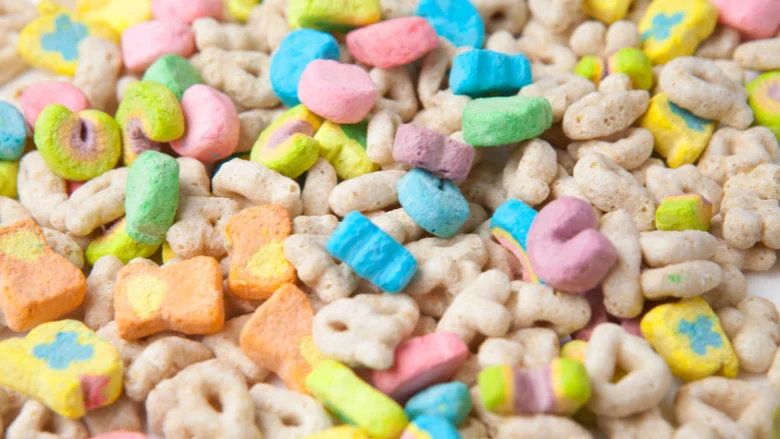
In a landmark shift for the American breakfast aisle, General Mills has officially announced the completion of its phase-out of all synthetic food colorants certified under the Federal Food, Drug, and Cosmetic Act (FD&C Act) across its entire U.S. cereal portfolio. This strategic move, which marks a significant turning point in the company’s formulation history, follows an earlier, successful transition that removed all such dyes from products supplied to K-12 school systems as of March 2026.
With iconic brands like Lucky Charms and Trix now utilizing naturally derived colorants, the company reports that 90 percent of its total U.S. retail portfolio has successfully transitioned. General Mills has pledged to complete the elimination of these artificial additives across its remaining retail product categories—including fruit snacks and baking mixes—by the close of 2027.
A Chronology of Change: From Regulation to Reformulation
The path toward "clean label" formulations has been a gradual, multi-year process for the CPG (Consumer Packaged Goods) giant.
- The Early Initiatives: Recognizing shifting consumer preferences, General Mills began experimenting with plant-based alternatives to synthetic dyes, such as beet juice, turmeric, and spirulina, in the early 2020s.
- The K-12 Benchmark (March 2026): In a move designed to set a higher standard for student nutrition, the company achieved a total removal of FD&C colors from all products sold through the National School Lunch Program and other K-12 distribution channels.
- The Cereal Portfolio Milestone (2027 Timeline): Following the successful school rollout, the company accelerated its transition for retail products. As of the current announcement, the cereal aisle—long criticized for its vibrant, chemically derived colors—has been fully reformulated to meet these new internal standards.
- The 2027 Goal: The company remains on track to finalize the transition for the remainder of its U.S. retail offerings, including its popular fruit snack lines and baking product division, by the end of 2027.
General Mills is not alone in this endeavor. Its transition reflects a broader industry realignment, with major players such as Nestlé USA, Aldi, Walmart, and Kraft Heinz also instituting internal bans or phase-outs of synthetic additives. These moves collectively signal the end of an era where bright, synthetic colors were the industry standard for marketing to children and families.
The Regulatory Landscape: A Tectonic Shift
The industry-wide move toward natural colorants is not occurring in a vacuum. It is being heavily influenced by a rapidly changing regulatory environment that includes both federal guidance and a patchwork of state-level legislative actions.
Federal Alignment
The commitment from General Mills arrives in lockstep with the U.S. Food and Drug Administration’s (FDA) evolving stance on food dyes. Under the guidance of U.S. Health Secretary Robert F. Kennedy Jr., there has been a renewed emphasis on facilitating an industry-led, voluntary transition away from synthetic, petroleum-based colorants.
To support this transition, the FDA has taken proactive steps to streamline the approval of natural alternatives. The agency has recently approved three petitions for naturally derived colorants: galdieria extract blue, butterfly pea flower extract, and calcium phosphate. Furthermore, the FDA has expanded the allowed uses of the label claim "no artificial colors," providing a regulatory framework that allows companies to market their natural formulations with transparency and consumer-facing benefits.
The Rise of State-Level Additive Bans
While the FDA pursues a voluntary approach, individual states have taken a more aggressive, mandatory stance, creating what some industry analysts call "regulatory uncertainty."
California led the charge with the California Food Safety Act, which prohibits the sale of specific food additives by 2027. This legislation has served as a catalyst for other states, including West Virginia and Arizona, to introduce similar measures. While legal challenges—such as those seen in West Virginia—continue to test the limits of state authority, the existence of these bills has forced major food manufacturers to adopt a "highest common denominator" approach to product safety. By formulating to the strictest state standards, companies like General Mills can ensure their products remain compliant across all 50 states, effectively preempting a fragmented, state-by-state supply chain.
Supporting Data: The Power of Consumer Sentiment
The shift toward natural colors is fundamentally driven by a fundamental change in the American consumer’s mindset. Modern shoppers are increasingly scrutinizing back-of-pack labels, demanding transparency and the removal of ingredients they perceive as "artificial" or "unhealthy."
According to a March 2026 national survey conducted by Consumer Reports, which polled more than 2,000 adults, the demand for change is overwhelming. The data revealed that:
- 72 percent of consumers are actively concerned about the presence of synthetic dyes in their food supply.
- 66 percent of respondents believe that companies should be legally required to stop the use of these dyes entirely.
These figures illustrate that the transition is not merely a proactive safety measure but a necessary step to maintain brand loyalty. As health-conscious parents increasingly opt for brands that market "natural" ingredients, legacy brands that fail to adapt risk losing significant market share.
Implications: What This Means for the Industry
The phase-out of synthetic colors by a company as influential as General Mills carries profound implications for the future of food technology and manufacturing.
Technical Challenges in Formulation
Moving away from synthetic FD&C dyes is not as simple as swapping one ingredient for another. Synthetic dyes are prized for their stability, vibrancy, and shelf-life. Natural alternatives, by contrast, are often sensitive to heat, light, and pH levels, which can lead to color degradation over time. Food scientists at General Mills have had to innovate extensively to maintain the iconic appearance of products like Trix while ensuring the colors remain stable in a box sitting on a shelf for months. This innovation, while costly, is driving the development of new food chemistry techniques that will likely benefit the industry at large.
Supply Chain Pressures
As major manufacturers move toward natural alternatives, the demand for natural pigments—such as those derived from fruits, vegetables, and algae—is surging. This has created a new competitive pressure on agricultural suppliers to produce these colorants at scale and at a price point that makes them viable for mass-market cereal production. The growth of this market is expected to create new opportunities for sustainable agriculture and specialized extraction facilities.
A New Standard of "Clean"
The definition of a "clean label" continues to evolve. In the early 2010s, it meant removing high-fructose corn syrup; today, it means removing synthetic dyes; tomorrow, it may expand to include a wider range of emulsifiers, preservatives, and processing aids. By setting a 2027 deadline for its entire retail portfolio, General Mills is establishing a new, higher standard for the industry. Other companies that lag behind in these transitions may soon find their products categorized as "outdated" by consumers who have grown accustomed to these cleaner formulations.
Conclusion: A Turning Point for the Breakfast Table
The decision by General Mills to remove synthetic dyes from its cereal portfolio is more than just a marketing strategy; it is a fundamental acknowledgment that the American food system is undergoing a permanent evolution. Driven by the convergence of proactive federal policy, rigorous state-level regulations, and an increasingly health-aware consumer base, the industry is moving toward a future where the ingredients in our breakfast bowls are increasingly recognizable and naturally derived.
As the industry looks toward the 2027 deadline, the focus will undoubtedly shift to the next frontier of food safety and transparency. For now, however, the successful transition of brands like Lucky Charms and Trix serves as a clear signal: the age of synthetic coloring in the cereal aisle is coming to a close, and a new, more natural standard has taken its place.