The Healing Power of Petals: How Container Gardening Transformed a Chicago Home
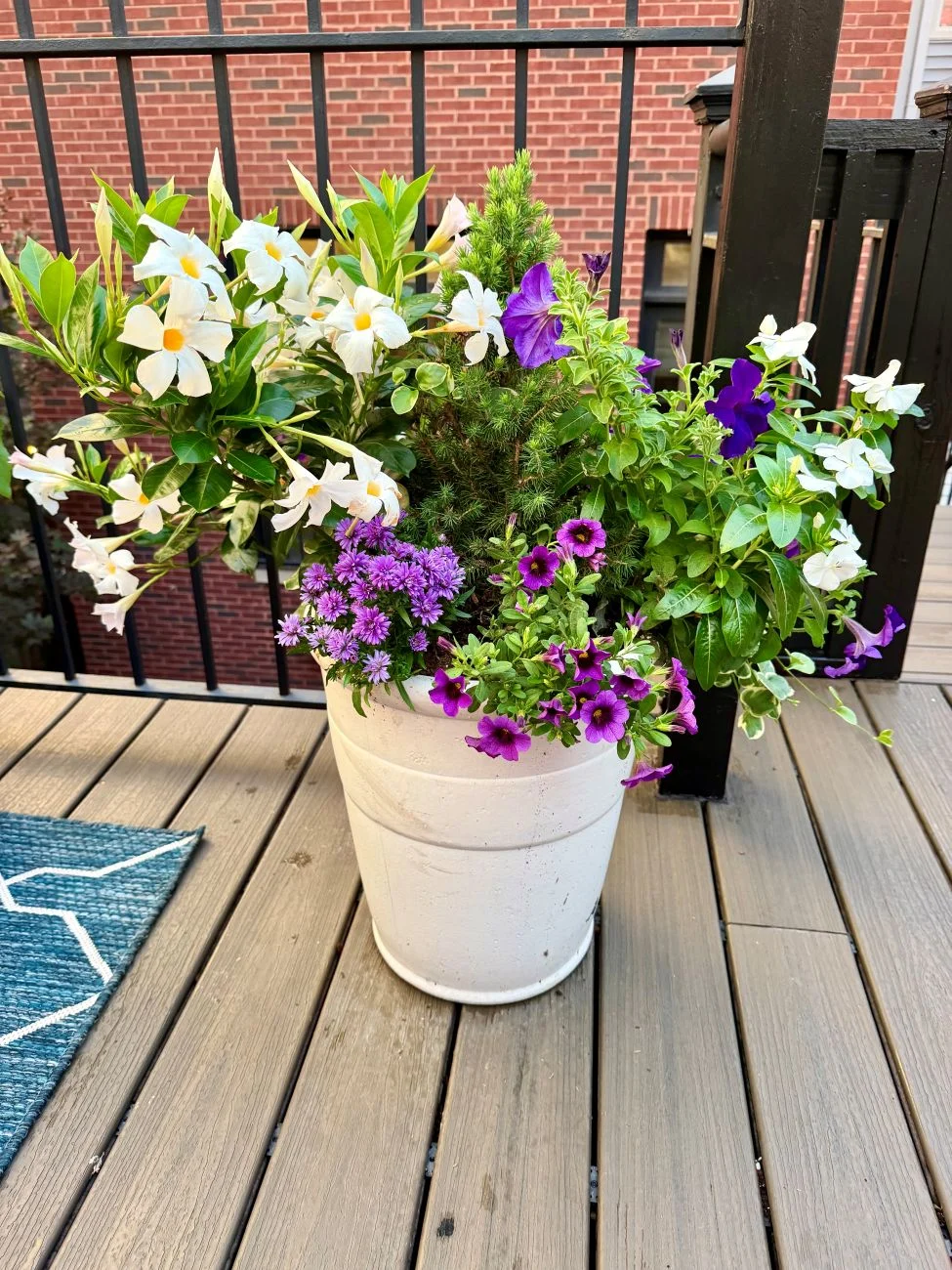
In the heart of Chicago, Illinois (Zone 6a), where the urban landscape is defined by concrete, steel, and a fast-paced lifestyle, Brittney—known to her digital community as @thepetaledit_bybritt—has carved out a vibrant, living sanctuary. While her overflowing containers initially capture the eye with their brilliant palettes and exuberant textures, the true narrative of her garden lies beneath the surface. It is a story of resilience, mindfulness, and the profound therapeutic potential of horticulture in small, unconventional spaces.
The Genesis of a Green Sanctuary
Container gardening is often marketed as a hobby for those with limited square footage, but for Brittney, it became a lifeline. The project began during a particularly challenging chapter in her personal life. Seeking a method to quiet an overactive mind and navigate the complexities of a difficult season, she turned to the soil.
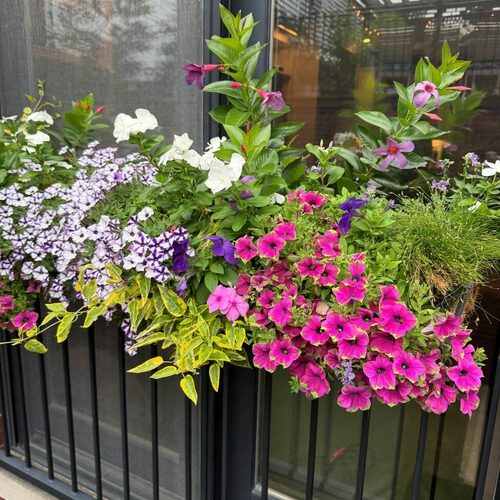
"Gardening became that place for me," Brittney reflects. "There is something about putting my hands in the soil, choosing flowers, arranging colors and textures, and watching something grow that feels incredibly grounding."
This transition from a state of personal unrest to a state of cultivation was not immediate. It required a deliberate choice to slow down and embrace the present moment. In a city as relentless as Chicago, finding a "pocket of peace" is a radical act of self-care. For Brittney, the act of nurturing a plant became a mirror for her own internal healing process, demonstrating that even when our external environment feels restricted—like a container on a balcony—growth is not only possible but inevitable.
Chronology of a Growth Mindset
The journey from a single, humble pot to the lush, professional-grade arrangements seen in her recent photos did not happen overnight. Her development as a gardener followed a distinct, evolving trajectory:
- The Period of Solitude (The Healing Phase): Initially, gardening was a strictly private practice. It was a tool for introspection, where the primary objective was emotional stabilization rather than aesthetic perfection.
- The Transition to Community (The Sharing Phase): As her confidence grew, so did her desire to share her results. What began as a personal exercise in mindfulness transformed into an outreach effort. By documenting her process, she began to show others that they, too, could create beauty regardless of their horticultural background.
- The Integration Phase (The Familial Connection): The final evolution of her garden was its integration into her family life. The garden ceased to be a solo endeavor and became a shared environment where her husband and children participate in planting, watering, and the simple, meditative act of sitting among the blooms.
Supporting Data: Why Small Spaces Succeed
Brittney’s success highlights a growing trend in urban horticulture: the "small space, big impact" philosophy. Her work serves as a practical case study for the effectiveness of container gardening in Zone 6a.
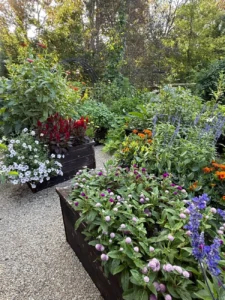
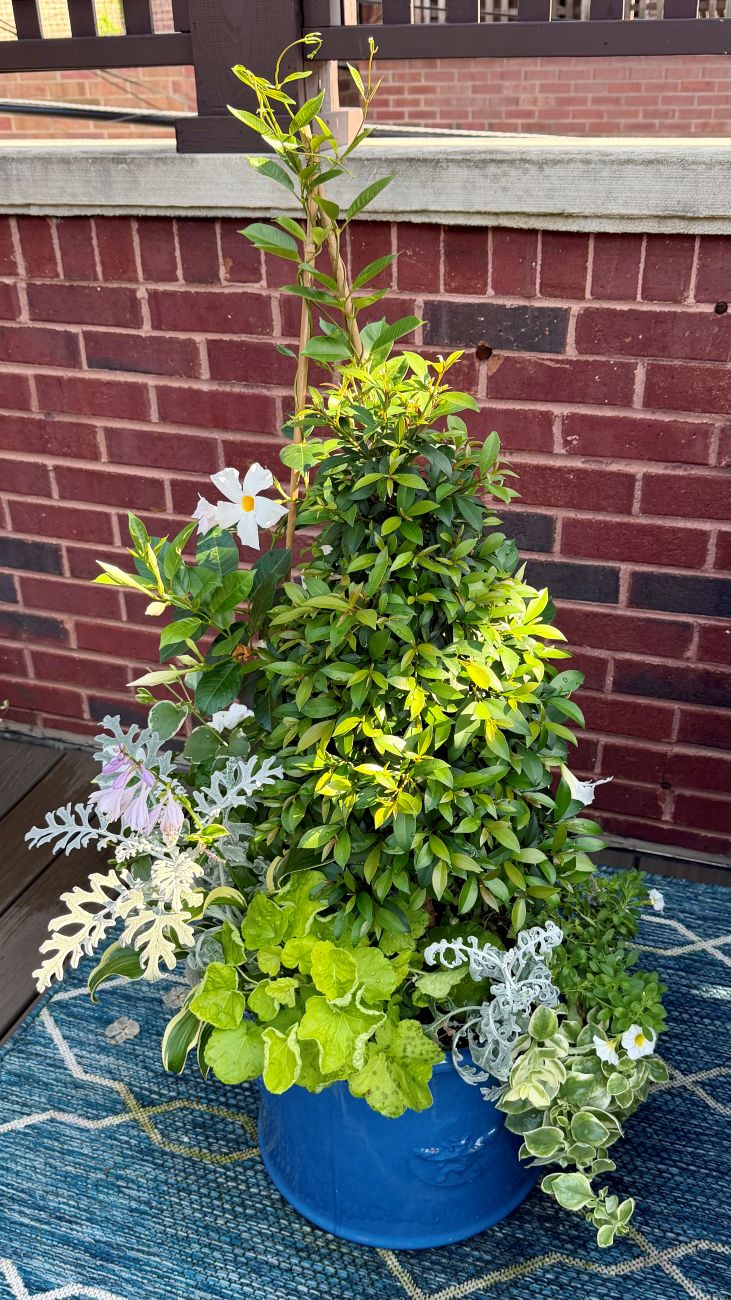
Container gardening allows for total control over the growing medium, drainage, and moisture levels, which is crucial in Chicago’s fluctuating climate. By utilizing high-quality containers—such as the classic blue ceramics and modern metallic cubes—gardeners can curate specific plant communities that thrive in tight quarters.
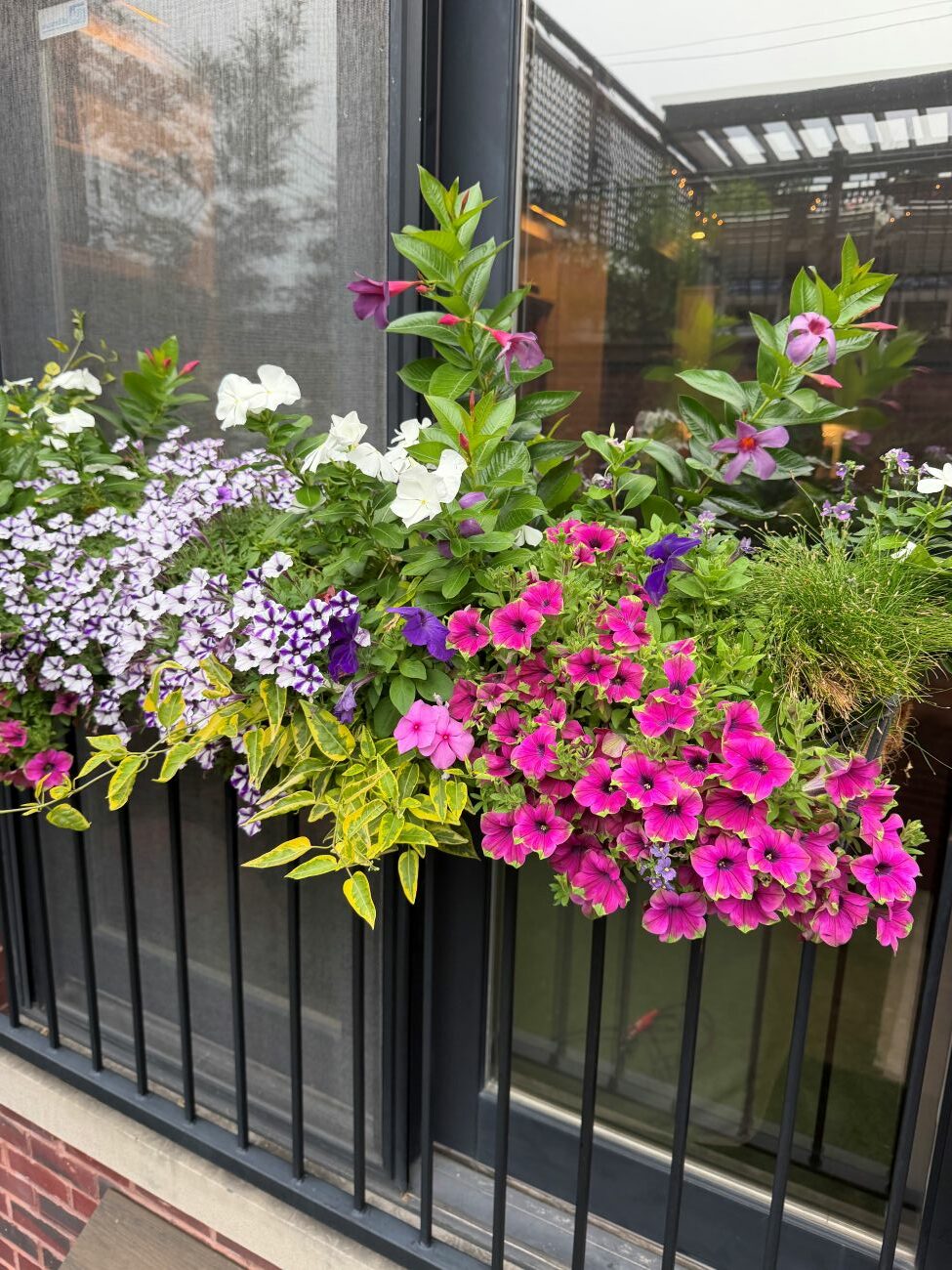
For instance, her use of window boxes demonstrates that verticality and density can compensate for a lack of ground space. When selecting plants for these containers, Brittney emphasizes the interplay of color and texture, often pairing trailing foliage with upright annuals to create depth. This technique is supported by horticultural experts who suggest that "thriller, filler, and spiller" combinations are the most effective way to maximize visual interest in containers under 24 inches in diameter.
Official Perspectives: The Therapeutic Impact of Gardening
The psychological benefits of Brittney’s experience are backed by extensive research in the field of horticultural therapy. According to various clinical studies, interaction with plants can reduce cortisol levels, lower blood pressure, and improve mood significantly.
"Gardening is a sensory experience," explains Dr. Elena Vance, a landscape psychologist. "When an individual engages in the rhythmic tasks of gardening—pruning, deadheading, and watering—they enter a state of ‘soft fascination.’ This state allows the brain to recover from the fatigue of directed attention, which is common in high-stress, urban environments."
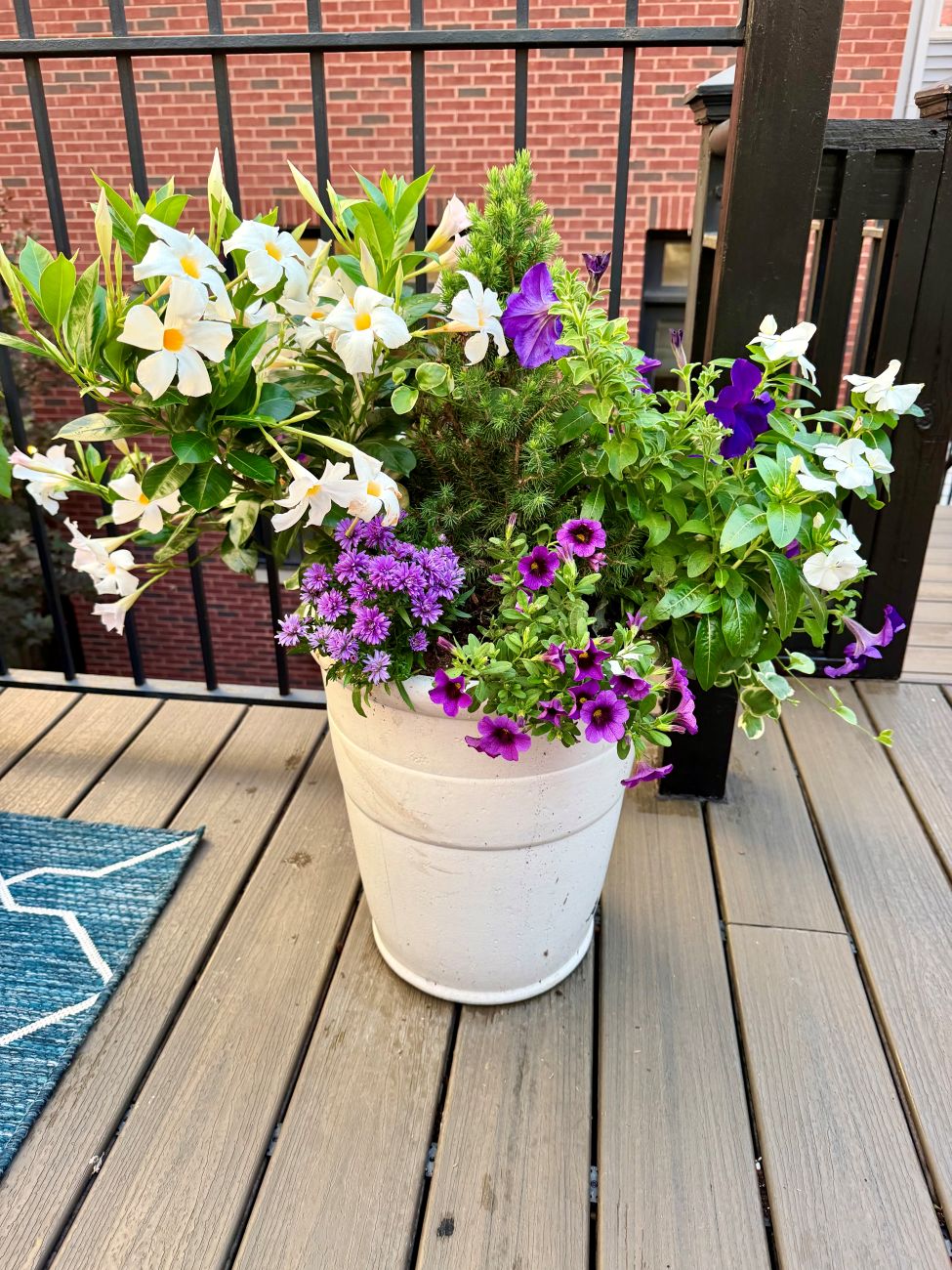
Brittney’s own reflection confirms this: "My garden isn’t just a collection of flowers and containers. It represents a season of finding my way back to myself. It reminds me that beauty can grow out of difficult seasons." Her story is a testament to the idea that taking care of something outside of oneself is often the most effective way to heal on the inside.
Implications for Future Gardeners
The broader implication of Brittney’s work is the democratization of gardening. By sharing her process, she lowers the barrier to entry for aspiring gardeners. One does not need an expansive estate or a rural property to reap the benefits of the natural world. A balcony, a window ledge, or even a sunny windowsill can become an ecosystem for emotional and physical restoration.
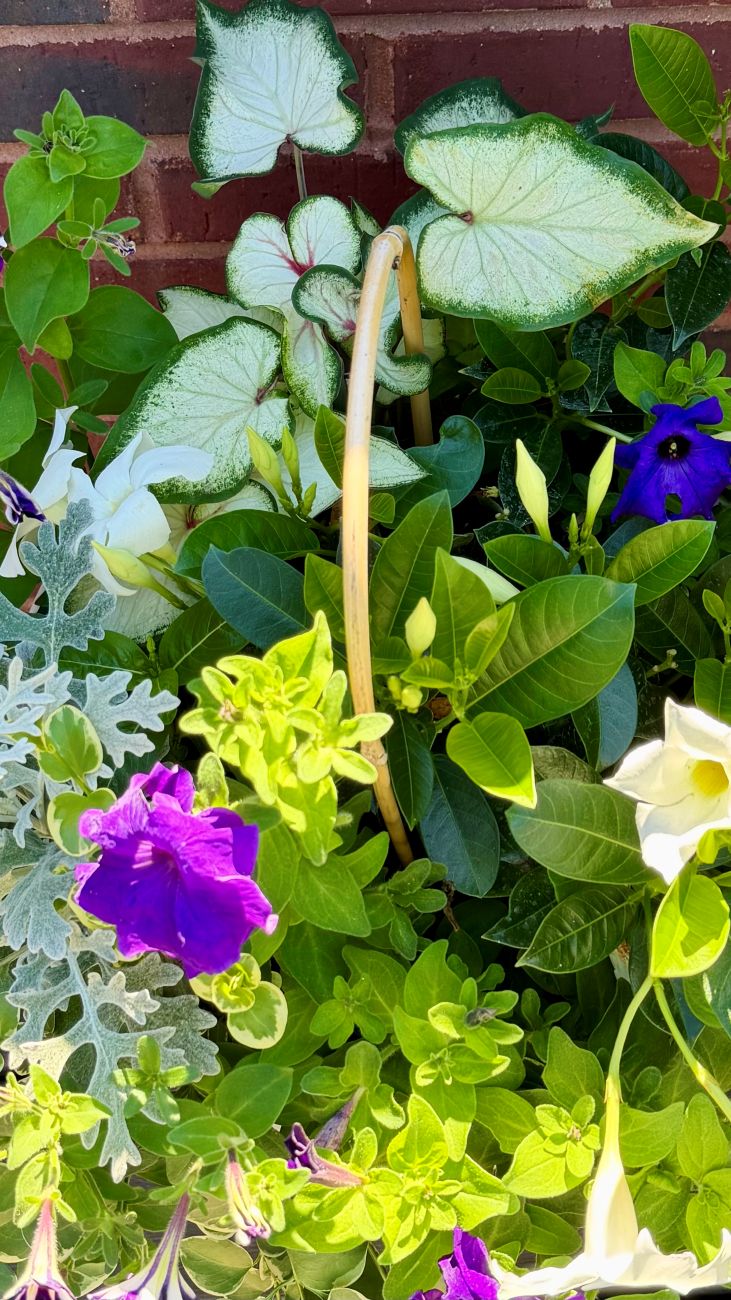
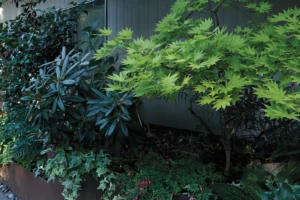
As we look toward the future of urban design, the integration of greenery into small spaces—what some call "living infrastructure"—will become increasingly vital. Whether using corten steel planters that offer a modern, industrial aesthetic or traditional ceramic pots, the act of planting serves as a bridge between the sterile urban environment and the inherent human need for nature.
Recommendations for Your Own Container Garden
For those inspired by Brittney’s journey, beginning a container garden is a straightforward process. Here are three expert-backed considerations:
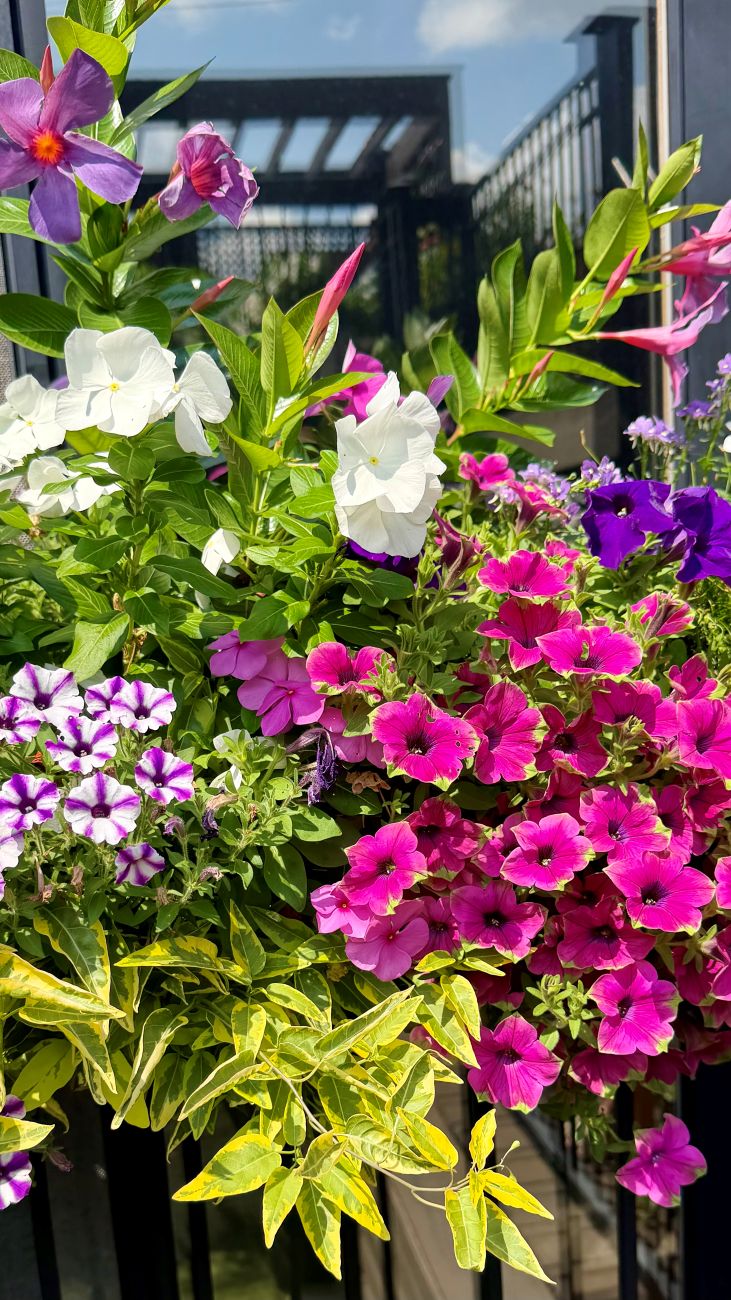
- Invest in Quality Infrastructure: Choose containers with adequate drainage. Materials like corten steel are not only aesthetically pleasing but durable enough to handle extreme temperature fluctuations, such as those found in the Midwest.
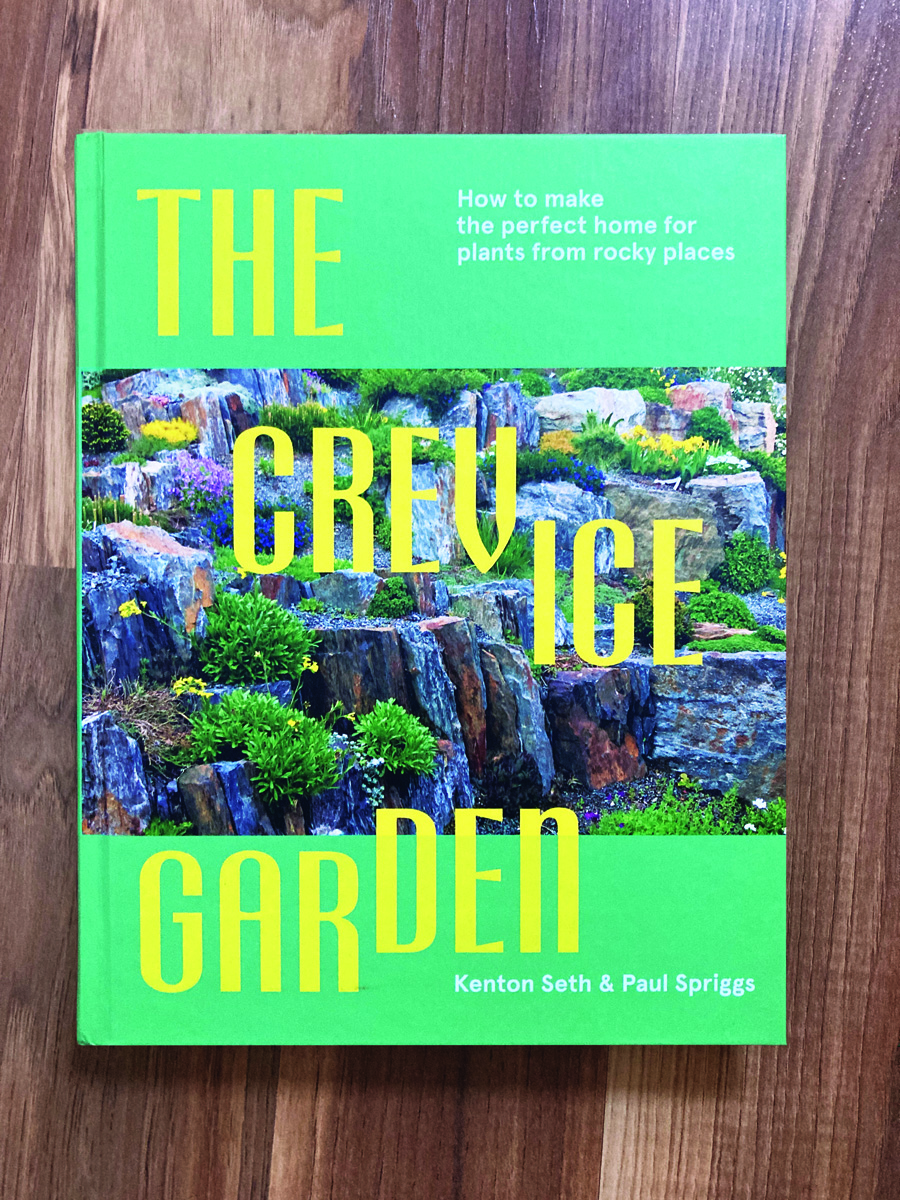
- Design for Community: As suggested in texts like Planting in a Post-Wild World, consider designing your containers as "plant communities" rather than just individual specimens. Think about how textures and light requirements interact to create a self-sustaining micro-environment.
- Start Small, Stay Consistent: You do not need to fill an entire balcony in the first week. Start with one, high-impact container that brings you joy. The goal is to establish a routine that allows you to be present, not to create another chore on your to-do list.
Conclusion: A Call to Cultivate
Brittney’s story concludes with an open invitation: "If something as simple as a flower can help me find a little more peace and joy, I hope it can do the same for someone else."
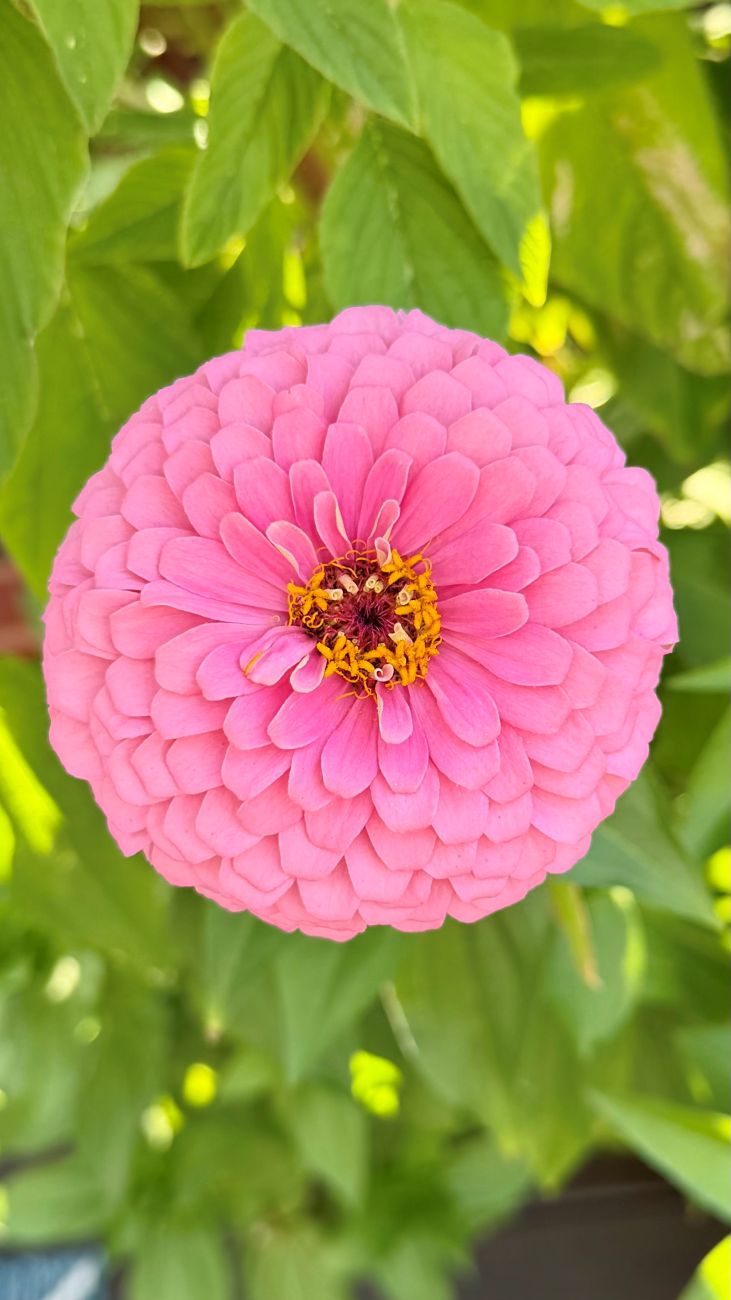
Her garden is a vibrant, living reminder that we are all, in some sense, in a season of growth. Whether you are dealing with the pressures of urban life or seeking a way to connect more deeply with your family, the act of planting offers a path forward. We encourage our readers to share their own horticultural stories and successes. Whether it is a single zinnia on a windowsill or a sprawling collection of window boxes, your garden is a testament to your resilience.
Submit Your Story
We want to see the gardens that have shaped your own journeys. Please submit your photos and stories via our official submission portal. We are looking for:
- Details on your location and climate zone.
- The story of how your garden began.
- Lessons learned from both your successes and your failures.
- Photographs of your favorite plant combinations.
By sharing our gardens, we continue to build a community that values not just the blooms, but the healing power of the process itself. Sign up for our newsletter to stay connected with the latest tips on container gardening, seasonal plant selections, and the evolving world of home horticulture.