The Silent Squeeze: Amazon’s Stealth Price Hikes and the New Reality of Holiday Shopping
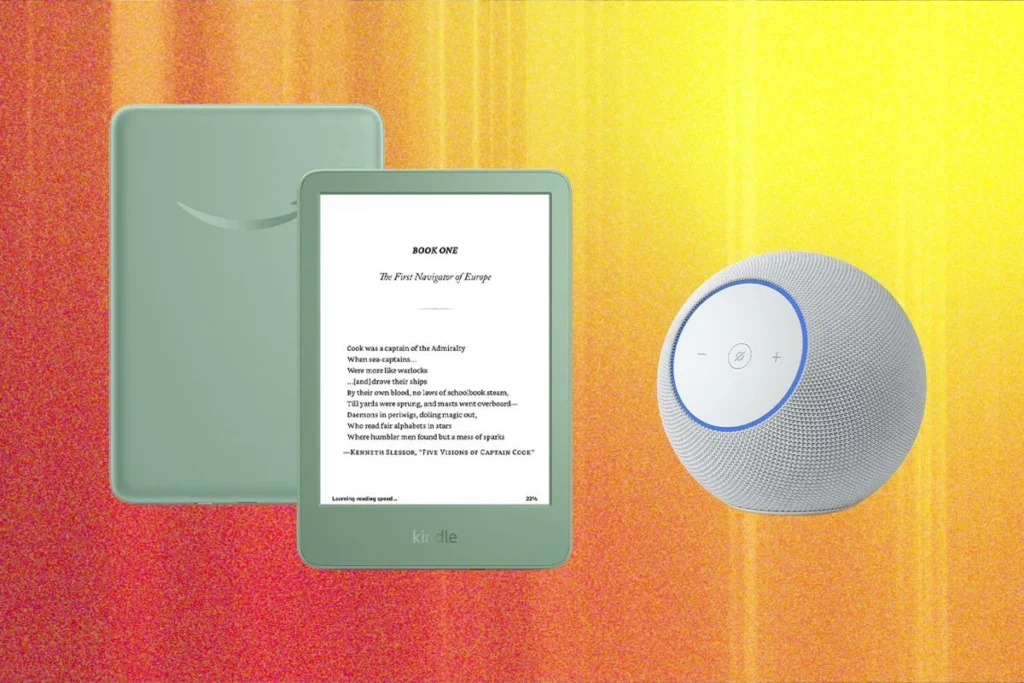
If you have been eyeing an upgrade to your home office, upgrading your smart home ecosystem, or searching for the perfect e-reader, you may have recently encountered a jarring discovery: the price tags on many of Amazon’s most popular hardware devices have quietly moved north. Over the past week, Amazon has implemented a series of price increases ranging from $20 to $100 across its core product lines, including Echo smart speakers, Eero mesh routers, and Fire TV streaming sticks.
This shift marks a significant departure from the company’s long-standing strategy of aggressive, low-margin hardware pricing—a model historically designed to prioritize ecosystem lock-in over immediate profit. However, as the retail landscape evolves and component costs fluctuate, the tech giant appears to be recalibrating. For the average consumer, this means that "discounted" prices during upcoming sales events like Prime Day or Black Friday may effectively be returning to what was, until very recently, the standard base price.
The Scope of the Increases: A Cross-Category Adjustment
The price adjustments are not isolated to a single niche; they are broad-reaching. Across the board, Amazon’s hardware categories—Kindle, Echo, Eero, and Fire TV—have seen upward revisions.
For the Kindle line, almost every model has seen an increase of at least $30. Curiously, the premium Kindle Scribe line remains the notable exception, maintaining its current pricing. This is a point of contention for analysts and consumers alike; if the price hikes are driven by the rising cost of storage and memory—the primary components of all modern digital devices—it remains unclear why the more complex Scribe models were spared while the standard, e-reader-only devices were targeted.

In the realm of smart home audio, the Echo lineup has seen increases of $10 to $100, with the steepest hikes affecting the Echo Show series, which incorporates touchscreen displays. Meanwhile, Amazon’s Eero mesh Wi-Fi systems—a staple for home connectivity—have seen their flagship Eero 7 and Eero Pro 7 models jump in price. While the older Eero 6 remains unaffected, the decision to raise prices on the company’s most advanced networking hardware suggests a pivot toward higher-margin premium tiers.
Chronology of a Price Shift
To understand the current landscape, one must look at the recent timeline of the tech industry. Throughout the summer, we witnessed similar inflationary pressures from other major players. Apple, for instance, adjusted pricing on various Mac configurations earlier this year, and Kobo, Amazon’s primary competitor in the e-reader space, also enacted price increases.
Amazon’s move, while sudden, fits into a broader narrative of supply chain stabilization and the rising cost of raw materials. The internal logic appears to be tied to the global semiconductor market. While the "RAMageddon" of previous years—where memory and storage prices spiked due to shortages—had largely subsided, recent reports indicate that the costs of specific high-density NAND flash memory and advanced processing components have begun to climb again.
Official Responses and Industry Context
When reached for comment, Amazon maintained a level of discretion, declining to provide specific details regarding the rationale for these hikes. However, an official company spokesperson confirmed to CNET that the adjustments are a direct result of "rising prices in memory and storage components."
%2520comparison%2520hero%2520Reviewer%2520Photo%2520SOURCE%2520Nena%2520Farrell.jpg)
This explanation serves as the official corporate stance, yet it does little to dampen the skepticism of market analysts. While component costs are undeniably a factor, critics argue that the timing of these hikes—just weeks before the start of the holiday shopping season—is calculated. By inflating the MSRP (Manufacturer’s Suggested Retail Price) now, Amazon creates a larger spread for "discounting." When Black Friday arrives, a "30% off" sticker will look far more attractive on a device with a higher base price, even if the final sale price is identical to what the device cost in August.
Implications for the Consumer
The most immediate implication for the consumer is the erosion of value-based purchasing. For years, Amazon hardware was viewed as an entry-level gateway into the smart home. An Echo Dot at $50 was a "no-brainer" purchase. At $60 or $70, the barrier to entry increases, and the competition from other manufacturers becomes more compelling.
Furthermore, these price hikes fundamentally change how shoppers should approach upcoming sales. If you are waiting for a holiday "deal," you are likely waiting to pay the price that was standard just a month ago. To avoid being misled, consumers must track historical pricing trends rather than relying on the "savings" percentages displayed on product pages.
Which Devices Are Still Worth the Investment?
Despite the broader increases, there are still pockets of value within Amazon’s portfolio. The key for the savvy shopper is to distinguish between devices that have been re-priced and those that maintain their historical value.

1. The Kindle Scribe (2nd Gen, 2024)
As mentioned, the Scribe line has remained immune to the current round of price hikes. As a premium digital notebook and e-reader, it offers a distinct utility that justifies its price point. With a large display, an included stylus, and the ability to sync handwritten notes, it remains a high-value piece of hardware that has not yet been subjected to the "storage cost" inflation affecting its smaller siblings.
2. Echo Dot (5th Gen)
While the Echo Dot has technically been subject to price fluctuation, its frequent inclusion in rotating sales keeps it within the "impulse buy" range. If you can catch the 5th Gen Dot during a promotional period, it remains an effective, compact, and high-quality speaker for bedside tables or smaller rooms. The key is to never pay the full inflated MSRP; wait for one of the perpetual, rolling "Labor Day" or "Fall Sale" discounts.
3. Echo Show 8 (3rd Gen)
This device is a standout example of why it pays to research older models. While the newer versions have seen price bumps, the 3rd Gen Echo Show 8 has remained steady. It offers a superior sound profile compared to the latest iterations and functions perfectly as a central smart home hub. Because it escaped the price hike, it remains a rare "legacy" value in the current lineup.
4. Echo Studio (2nd Gen)
The Echo Studio has held its $220 price point for several years. Given the audio fidelity it provides—room-filling sound that punches well above its weight class—it remains a competitive high-end option. It is one of the few devices that feels appropriately priced for its hardware specs in an era of general inflation.

Looking Ahead: The New Normal
As we move into the final quarter of the year, the "new normal" for Amazon hardware is defined by higher baseline costs and more aggressive marketing of discounts. The company is betting that its ecosystem is sticky enough that users will pay the premium regardless of these incremental increases.
However, this strategy carries risks. As Amazon pushes its hardware prices higher, the price gap between its offerings and third-party competitors—such as Google’s Nest or Apple’s HomePod—begins to narrow. If the perceived value of an Amazon device decreases, consumers may finally be prompted to look elsewhere.
For now, the advice remains the same: practice extreme caution. Utilize price-tracking browser extensions, research the historical MSRP of any device you intend to purchase, and do not be swayed by the siren song of "discounted" prices that are merely reflections of a pre-hike reality. In the world of tech, the price tag is often more fluid than the features themselves. By staying informed, you can navigate these price adjustments without falling victim to the marketing cycles that define the modern retail experience.